Once upon a time, in what now feels like a prehistoric era of media consumption, the concept of "free television" was the industry standard. For decades, the public relied on broadcast networks, supported entirely by advertising revenue, to deliver entertainment into their living rooms. As the digital age dawned and subscription-based streaming platforms took hold, the "pay-to-view" model became the dominant paradigm. However, as we find ourselves well into 2026, the pendulum is beginning a historic swing back toward the accessible, ad-supported model of the past.
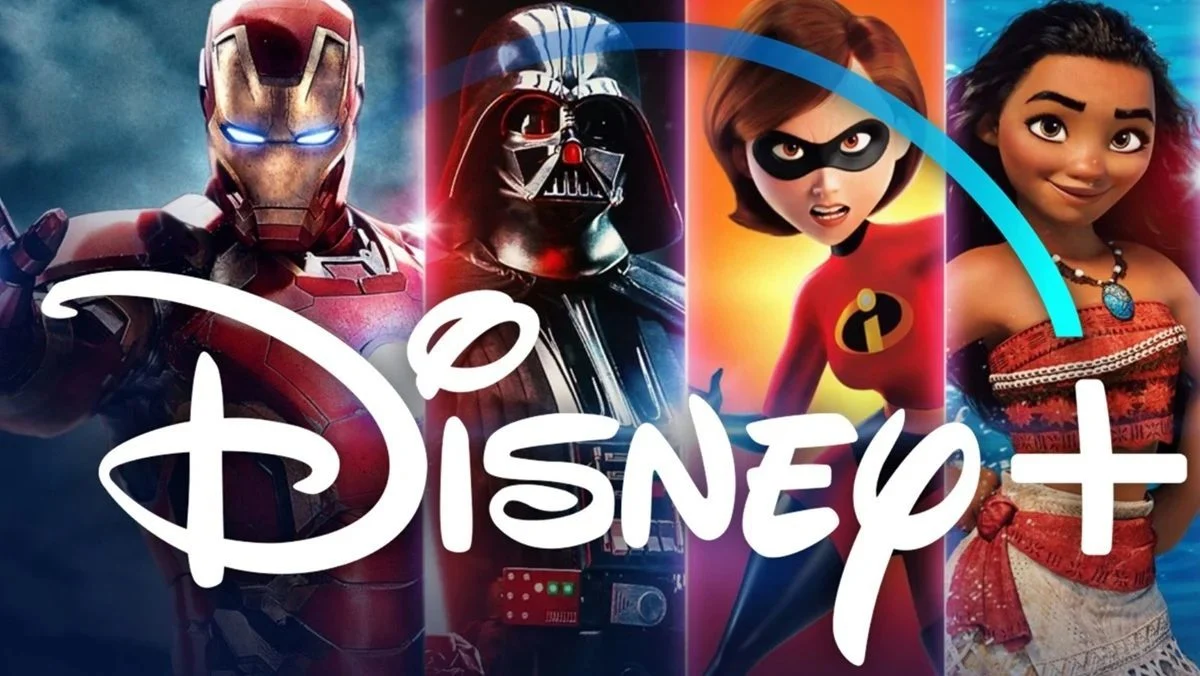
According to recent reports from Business Insider, The Walt Disney Company is currently exploring the implementation of a free, ad-supported tier for its flagship streaming service, Disney+. This strategic pivot, while still in the discussion phase, represents a fundamental shift in how one of the world’s largest entertainment conglomerates intends to capture a market increasingly squeezed by subscription fatigue and economic stagnation.
The Chronology of the Streaming Wars and the Pivot to Free
To understand why Disney is reconsidering its paywall-only philosophy, one must look at the rapid evolution of the "Streaming Wars." Following the massive success of Netflix, nearly every major legacy studio—from Warner Bros. Discovery to Paramount and Disney—rushed to launch their own walled-garden services. The goal was simple: direct-to-consumer subscriber growth.
For several years, the industry operated under the assumption that consumers were willing to pay monthly fees for multiple platforms simultaneously. However, the economic climate of 2025 and 2026 has told a different story. With wage growth failing to keep pace with the rising costs of living and a saturation of premium services, the "subscription fatigue" phenomenon has hit a breaking point.
The Rise of the FAST Model
The industry has seen a massive surge in the popularity of Free Ad-Supported Streaming Television (FAST) services. Platforms like Tubi, The Roku Channel, and Freevee have carved out significant market share by offering deep libraries of content without a monthly price tag. Even tech giants like YouTube have become primary hubs for high-quality, long-form content.
Disney has already flirted with this model. In recent months, the company has strategically utilized YouTube to distribute premiere episodes of high-profile series such as Wonder Man and X-Men ’97. By offering these "tasters" for free, Disney has effectively used the platform as a loss leader—an appetizer designed to lure viewers into the ecosystem of the paid subscription. However, routing traffic through third-party platforms creates friction. Bringing that experience in-house, via a dedicated free tier on the Disney+ app, is the logical next step for the company’s product and technology teams.
Official Responses and Strategic Town Halls
The catalyst for this news stems from a recent internal streaming town hall held by The Walt Disney Company. Adam Smith, the company’s product and technology chief, reportedly addressed the potential for a free-tier initiative.
While Smith did not provide a definitive launch date or a concrete rollout schedule, the mere fact that leadership is discussing the infrastructure for a non-paywalled tier is a significant departure from Disney’s historical stance. For years, the brand equity of Disney+ was tied to its premium, ad-free, high-quality nature. A move toward a "freemium" model signals that Disney is prioritizing reach and ad-inventory volume over pure subscriber-count metrics.
As of now, the company remains cautious. There is no official timeline, and the company has yet to release a statement outlining which specific assets would be gated behind a paywall versus which would be available for free. However, industry analysts expect that the company is evaluating the technical requirements to serve targeted ads at scale, a process that requires significant investment in data-driven advertising infrastructure.
Supporting Data: The Economics of Content Consumption
The current pricing structure for Disney+ is reflective of a high-cost environment. As it stands, the Disney+ and Hulu bundle—a cornerstone of the company’s current strategy—is priced at $12.99 per month for the ad-supported tier and $19.99 for the premium, ad-free version.
For the average household, stacking these subscriptions alongside internet costs, mobile plans, and other essential expenses is becoming unsustainable. Data from market research firms suggests that the "churn rate"—the speed at which users cancel their subscriptions—is highest among viewers who feel they are not getting enough "value" for their monthly fee.
By introducing a free tier, Disney could:
- Reduce Churn: Users who are considering canceling their subscription due to budget cuts could downgrade to the free tier rather than leaving the ecosystem entirely.
- Increase Ad Inventory: By expanding the user base, Disney can provide advertisers with a broader reach, which is increasingly valuable in an era where traditional linear cable viewership continues to decline.
- Monetize "Long-Tail" Content: Disney possesses a massive library of intellectual property that, while not necessarily "tentpole" material, still holds value. A free tier allows these shows to generate revenue long after their initial release window has closed.
Potential Programming Strategies: What’s "Free" and What’s "Paid"?
The most pressing question for subscribers is: what content will move to the free tier? Industry experts suggest a "tiered release" strategy. It is unlikely that massive hits like The Mandalorian or major Marvel blockbusters would be offered for free, as these are the primary drivers of subscriber acquisition.
Instead, the free tier will likely be a home for "mid-tier" content—shows that enjoy critical acclaim and strong social media buzz but may struggle with long-term retention. Projects like the second season of Daredevil: Born Again or niche spin-offs that serve as entry points to larger franchises are prime candidates. This allows Disney to use the free tier as a "discovery engine." By exposing a wider audience to high-quality but under-the-radar content, they increase the likelihood of converting free users into paid subscribers for the more exclusive, premium content.
Implications for the Future of Streaming
The implications of this potential shift are profound. If Disney, a company that has guarded its intellectual property with extreme exclusivity for a century, moves toward a free-tier model, it serves as a bellwether for the entire industry.
1. The Death of the "Walled Garden"
We are moving away from an era of exclusive, high-cost ecosystems and toward a more fragmented, hybrid model. Future streaming may look more like a digital version of cable, where certain channels or tiers are subsidized by advertisements, while "prestige" content remains locked behind a subscription fee.
2. The Power of Data
For Disney, the transition to a free tier is fundamentally about data. By capturing users who were previously unwilling to pay for a subscription, the company gains invaluable data on viewing habits, preferences, and demographic information. This, in turn, allows for more effective ad targeting, which increases the company’s overall revenue per user.
3. Impact on D23 and Future Announcements
With the D23 fan event on the horizon, industry insiders are speculating that we may see an official announcement regarding this strategy. If Disney decides to pull the trigger, it will be the most significant change to the Disney+ interface since the introduction of the ad-supported tier.
Conclusion: A Necessary Evolution
The "Long, Long Ago" of free television is not returning in its original form, but it is being synthesized with modern technology. The transition toward a free tier is not an act of charity by Disney; it is a calculated business move in a landscape where consumer attention is the scarcest resource.
As we look toward the remainder of 2026, the question is no longer whether streaming services can offer free content, but how quickly they can adapt their platforms to do so without alienating their premium user base. For the viewer, this is a welcome development. It promises a world where the barrier to entry for high-quality storytelling is lowered, allowing for a more inclusive entertainment landscape that reflects the economic realities of the modern era. Whether Disney+ will indeed open its gates to the ad-supported masses remains to be seen, but the writing on the wall—and the data on the screen—suggests that the days of the exclusive, paid-only fortress are numbered.