

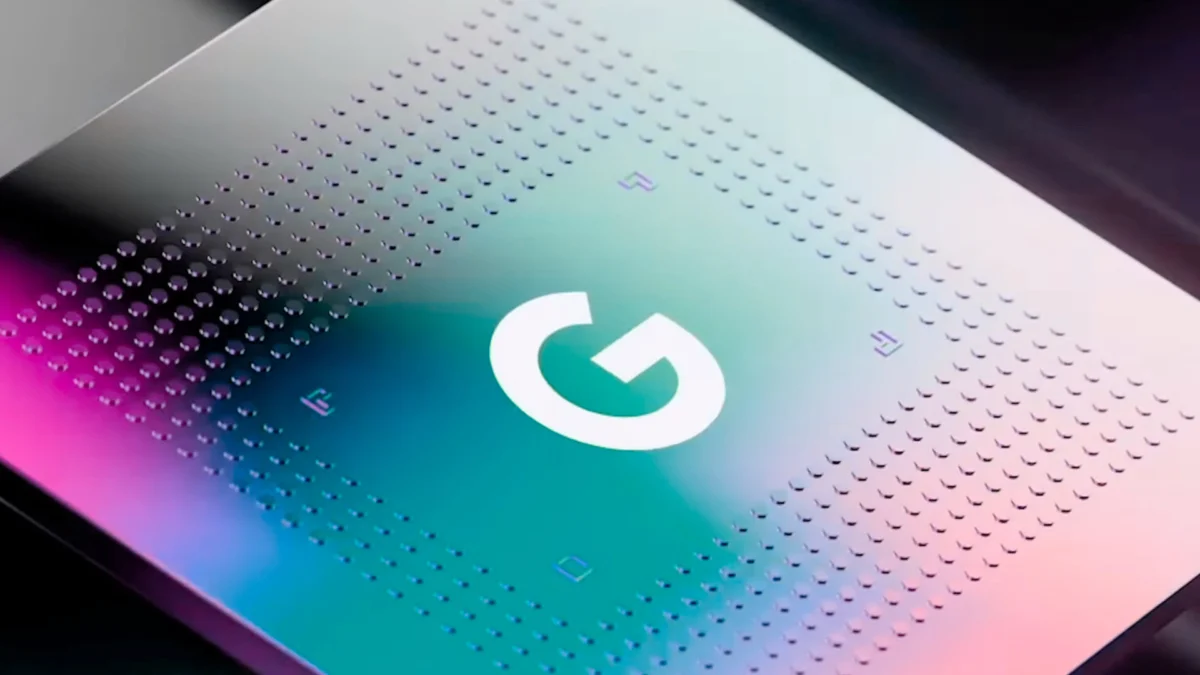
The Google Pixel ecosystem has long been defined by a duality: industry-leading software intelligence coupled with hardware that, at times, has struggled to keep pace with the premium aspirations of the brand. Central to this narrative is the Google Tensor processor. Since its inception, Tensor has served as the heartbeat of the Pixel line, designed to prioritize machine learning and AI-driven experiences over raw, benchmark-crushing performance. However, that design philosophy has often been overshadowed by persistent complaints regarding thermal management, battery efficiency, and, most notably, cellular connectivity.
As the tech community braces for the impending launch of the Pixel 11 series, a fresh discovery in recent regulatory filings suggests that Google is finally ready to sever its long-standing reliance on Samsung’s modem technology. This shift represents more than just a component swap; it is a fundamental strategic pivot that could address one of the most persistent criticisms leveled against Google’s flagship smartphones.
Main Facts: The Evidence in the FCC Filing
The confirmation of this shift arrived not through a flashy marketing keynote, but through the dry, granular detail of Federal Communications Commission (FCC) documentation. In the recently filed paperwork for the upcoming Pixel 11 Pro Fold (model GZDQ6), researchers pouring over the Specific Absorption Rate (SAR) reports discovered a definitive reference to MediaTek.
For years, the Google Tensor series has utilized Exynos-based modems—a byproduct of Google’s close partnership with Samsung Semiconductor. While these modems have served their purpose, they have frequently been blamed for signal drops, high power draw during 5G usage, and inconsistent network switching.
The FCC report, specifically on page 30 of the SAR testing documentation, explicitly lists MediaTek components. This is a critical departure from historical documentation for Pixel devices. Because Samsung would not utilize MediaTek-branded algorithms or hardware drivers within its own proprietary Exynos modem architecture, this filing serves as the most concrete evidence to date that Google is transitioning to a MediaTek modem solution—likely the M90—for the Tensor G6 chipset.
Chronology: A History of Connectivity Struggles
To understand the magnitude of this change, one must look back at the trajectory of the Tensor program.
The Tensor Era (2021–2024)
When the Pixel 6 debuted with the original Tensor G1, the excitement was palpable. Google was finally controlling its own destiny. However, early adopters quickly noted that the modem—the Exynos 5123—often struggled to maintain a stable 5G connection in areas with marginal signal strength.
The Mid-Cycle Refinements
With the Tensor G2 and G3, Google attempted to iterate on the Samsung modem architecture. While performance improved incrementally, the underlying issues regarding heat generation during high-bandwidth data transfers remained. Users frequently reported that their Pixel devices would become warm to the touch when using mobile data, a symptom of the modem working harder than necessary to maintain a link.
The Rumor Mill (2025)
By mid-2025, whispers began to circulate that Google was scouting for alternatives. Industry analysts noted that MediaTek had made significant strides in power efficiency and modem reliability, particularly with their Dimensity-series integration. Reports indicated that the Tensor G6, slated for the Pixel 11, would be the first to break the Samsung modem mold.
The FCC Confirmation (2026)
With the Pixel 11 series scheduled for a public debut next month, the FCC filings have provided the "smoking gun." The transition is no longer a matter of speculation; it is a documented reality of the device’s architecture.
Supporting Data: Why MediaTek?
The decision to move to a MediaTek modem, specifically the rumored M90, is grounded in objective performance metrics. MediaTek has spent the last five years aggressively closing the gap with Qualcomm’s Snapdragon modems, which are widely considered the gold standard for connectivity.
Power Efficiency
One of the primary drawbacks of the current Exynos-based modem setup is the "idle drain." Even when not actively downloading files, the modem requires a steady supply of power to maintain synchronization with cellular towers. The M90 modem is engineered with a more refined process node, designed specifically to reduce the milliwatt consumption of the baseband processor. For a user, this translates to improved "screen-on time" and less battery anxiety during long commutes.

Signal Acquisition and Stability
MediaTek’s modern modem architecture excels at carrier aggregation and signal handoffs. In environments where a phone might jump between 5G Ultra Wideband, 5G mid-band, and LTE, the MediaTek solution is theorized to provide a "smoother" transition, reducing the instances of the dreaded "no service" or "searching" screen that has plagued some Pixel users.
Thermal Headroom
Modems are a significant source of heat in a smartphone. By moving to a more efficient modem, Google is effectively lowering the baseline thermal load of the entire handset. This allows the Tensor G6’s CPU and GPU cores more "thermal headroom"—meaning the phone can sustain higher performance for longer periods without triggering aggressive thermal throttling.
Official Responses and Corporate Strategy
Google has remained notoriously tight-lipped regarding the specific supplier details of its internal hardware. In previous interviews, Google hardware executives have consistently stated that their goal with Tensor is to provide the "best user experience" by optimizing the "entire stack."
While there has been no official press release confirming the switch to MediaTek, the company’s silence is typical. Google’s strategy is to market the result rather than the component. If the Pixel 11 features better battery life and more reliable 5G, Google will market that as a victory of "Tensor optimization" and "software synergy," regardless of which company manufactured the modem silicon.
Analysts suggest this silence is also a strategic necessity to maintain the relationship with Samsung. While Google is diversifying its modem supply, it remains deeply reliant on Samsung for manufacturing (foundry services) and display panels.
Implications: What This Means for the Pixel 11 and Beyond
The shift to a MediaTek modem has profound implications for the future of the Pixel brand.
1. The End of the "Modem Excuses"
For three years, the tech press has given Google a "pass" on connectivity issues, citing the relative youth of the Tensor program. With the Pixel 11, that grace period is over. By switching to a proven, third-party modem leader like MediaTek, Google is signaling that it is no longer willing to accept "good enough" connectivity. The pressure is now on to deliver a flawless network experience.
2. A Blueprint for Future Tensor Chips
If the Pixel 11’s connectivity proves to be a massive upgrade, it effectively creates a blueprint for future Tensor iterations. It suggests that Google is willing to use a "best-of-breed" approach—using their own internal design for the NPU (Neural Processing Unit) and TPU (Tensor Processing Unit) while outsourcing the highly specialized radio and modem work to those who do it best.
3. The Competitive Landscape
The Pixel 11 will be competing in a market where consumers are increasingly educated about hardware. By shedding the reputation of "bad connectivity," the Pixel becomes a much more viable competitor to the Samsung Galaxy S series and the iPhone. If Google can combine its world-class camera and AI software with truly reliable hardware, it could finally capture a larger slice of the premium smartphone market.
4. Consumer Expectations
As we approach the launch next month, the bar for the Pixel 11 is higher than ever. Users are no longer looking for a "good phone for the price"; they are looking for a flagship that doesn’t compromise. The move to MediaTek is a clear indicator that Google is listening to its critics and is willing to iterate on its hardware strategy to secure the long-term success of the Pixel line.
In conclusion, while the FCC document might seem like a small, technical detail to the casual observer, it is a harbinger of change. The Pixel 11 series is shaping up to be a critical turning point for Google’s hardware division, potentially marking the end of the "growing pains" era of the Tensor processor and the beginning of a new, more reliable chapter for the Google Pixel.











