Lina Irawan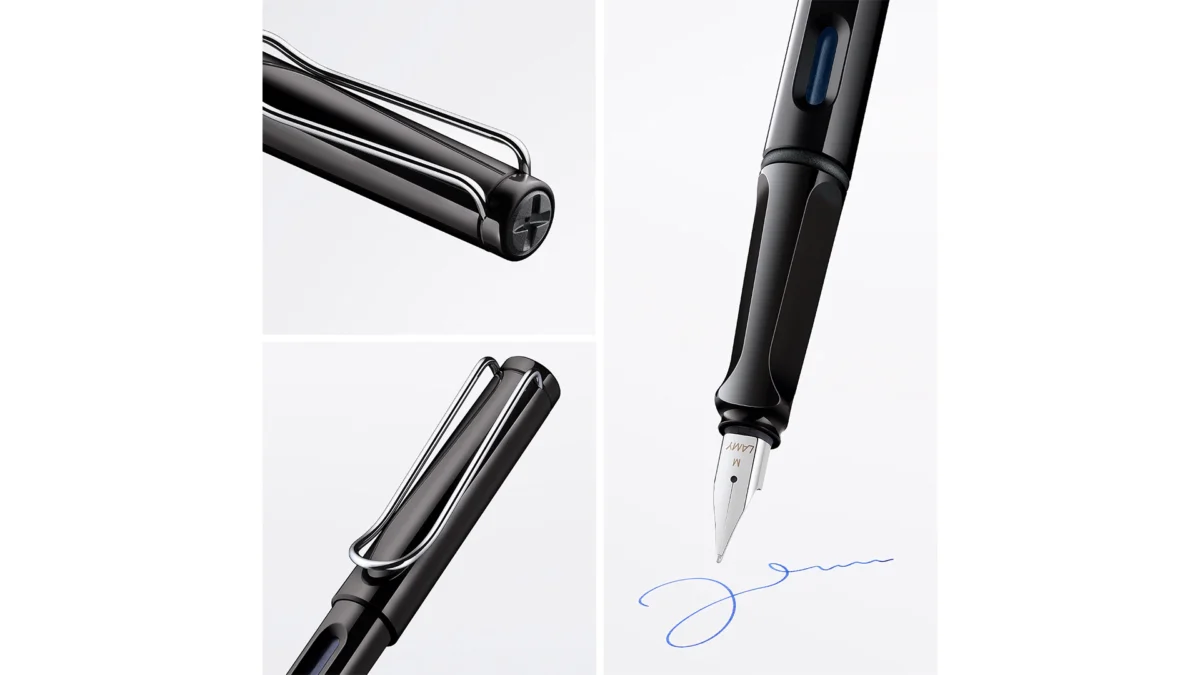
In an era dominated by haptic feedback, glass screens, and the relentless speed of artificial intelligence, the act of putting pen to paper has undergone a significant cultural renaissance. As we navigate the complexities of 2026, the humble fountain pen has emerged not as a relic of the past, but as a vital tool for digital detox, mindfulness, and intentional creativity. While luxury brands like Montblanc or Tibaldi often dominate the conversation regarding high-end stationery, the true icon of the industry—the pen that brought professional-grade writing to the masses—is currently seeing a resurgence.
For a limited time, the legendary LAMY Safari is available on Amazon for just $27.22, marking a significant discount of nearly $10. This price point represents more than just a bargain; it is an invitation to participate in a design legacy that has remained virtually unchanged for over four decades.
The Main Facts: An Icon Within Reach
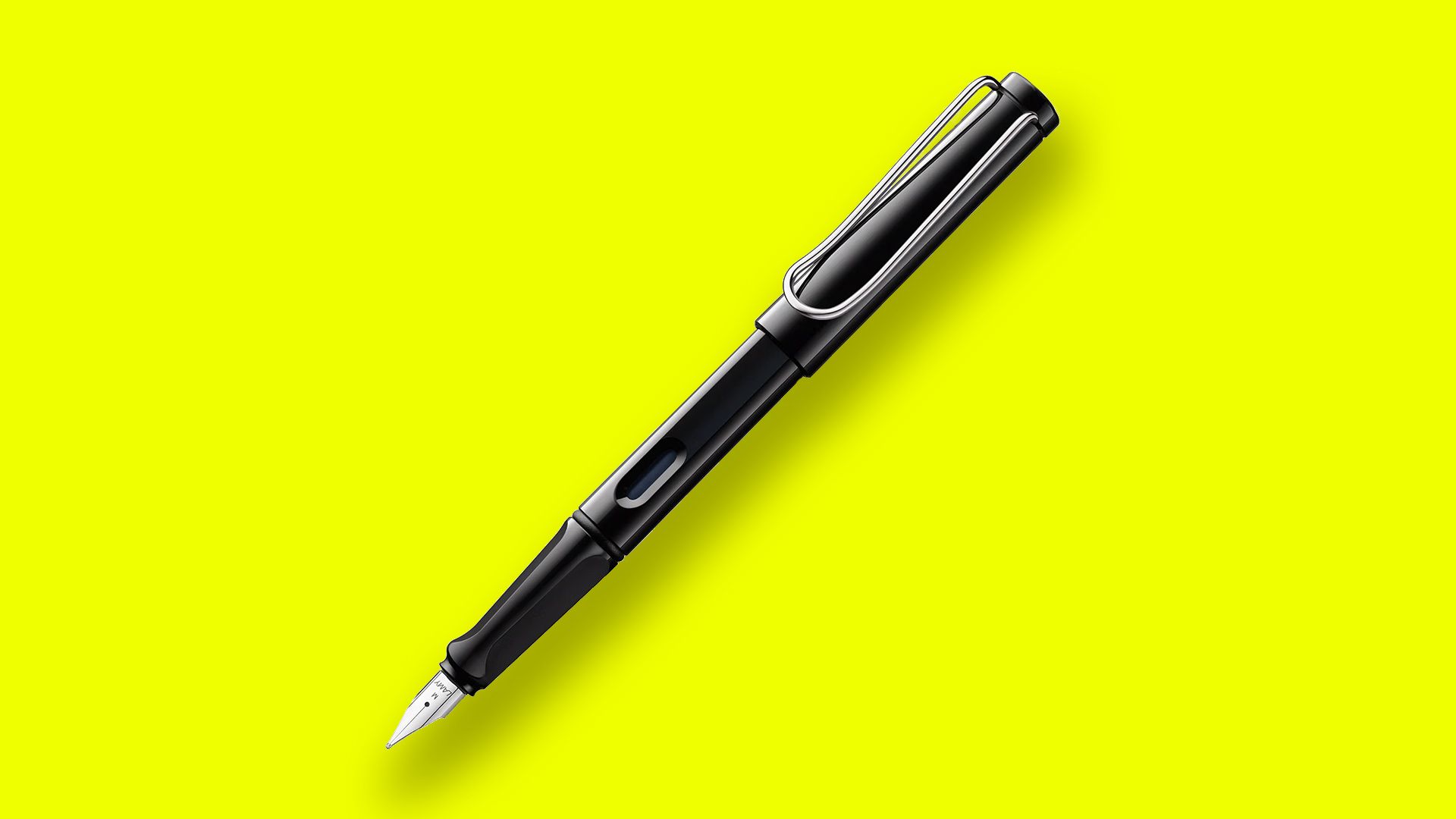
The LAMY Safari is widely considered the "benchmark" for entry-level fountain pens. Engineered in Germany, it eschews the ornate, fragile aesthetics of traditional fountain pens in favor of a utilitarian, Bauhaus-inspired design.
The current promotion on Amazon offers enthusiasts and newcomers alike a chance to acquire a piece of industrial design history. Unlike high-end pens that require a significant financial commitment, the Safari is designed for the rigors of daily life. Its construction—utilizing the same durable, impact-resistant ABS plastic found in Lego bricks—ensures that it can withstand the wear and tear of being tossed into a backpack or a crowded desk drawer.
At $27.22, the barrier to entry for the world of fountain pens has never been lower. This specific model features the signature ergonomic grip and a reliable stainless-steel nib, providing a consistent ink flow that remains the envy of more expensive writing instruments.
Chronology: From Frankfurt to the Global Stage
To understand why the Safari remains relevant in 2026, one must look back to its inception. The pen made its grand debut at the Frankfurt Fair in 1980. At the time, the stationery market was bifurcated: pens were either cheap, disposable ballpoints or status-symbol fountain pens meant for executive desk sets.
- 1980: The LAMY Safari is launched, designed by Wolfgang Fabian and Bernt Spiegel. It is specifically targeted at young people, aiming to make writing with a fountain pen accessible and cool.
- 1980s–1990s: The pen gains a cult following among students and professionals due to its distinct, "unbreakable" aesthetic and interchangeable nib system.
- 2000s: The rise of digital technology briefly threatens the fountain pen market. However, the Safari solidifies its status as a "design classic," appearing in museum collections and design exhibits worldwide.
- 2010s–2020s: The "analog renaissance" begins. As users grow weary of screen time, the Safari sees a surge in popularity among urban sketchers, journalers, and those seeking a tactile connection to their work.
- 2026: The pen continues to be the primary gateway for the hobbyist community, maintaining its reputation as the gold standard for starter pens while continuing to capture new audiences through digital marketplaces.
Supporting Data: Why Engineering Matters
The success of the Safari is not accidental; it is the result of rigorous industrial design. The pen’s success can be broken down into three core pillars:
1. The Ergonomic Advantage
The Safari’s most recognizable feature is its molded triangular grip. This is not a stylistic choice; it is an ergonomic necessity designed to encourage a proper tripod finger position. For long-form journaling or students practicing penmanship, this reduces hand fatigue significantly compared to the uniform, round barrels of standard pens.
2. The Interchangeable Nib System
One of the most praised aspects of the Safari is its modularity. The stainless-steel nibs can be swapped out in seconds without specialized tools. Whether a user requires an Extra Fine (EF) nib for tight, technical sketching, or a Broad (B) nib for expressive calligraphy, the Safari scales with the user’s skill level.
3. Durability Metrics
The use of ABS plastic is a masterstroke in product longevity. In various stress tests, the Safari has proven to survive drops from heights that would crack the resin bodies of luxury pens. This reliability is why it remains the go-to recommendation for artists and writers who need a "workhorse" pen that never fails to start on the first stroke.
Official Perspectives and Design Philosophy
LAMY has consistently maintained that a pen should be a tool, not a piece of jewelry. In previous corporate statements, the company has emphasized that the "Safari was never meant to be hidden in a velvet-lined box."
By sticking to its minimalist design language, LAMY has avoided the "trend cycles" that plague other stationery brands. The company’s design philosophy aligns with the German tradition of form follows function. By keeping the manufacturing process efficient and the materials consistent, they have been able to keep the Safari accessible for decades, avoiding the inflation that has hit the broader luxury goods sector.
Design critics have often noted that the Safari’s success lies in its transparency. The user can see the ink reservoir, the feed, and the inner workings of the pen, creating a sense of mechanical honesty that is missing in modern digital interfaces.
Implications: The Digital Detox Movement
The enduring popularity of the Safari in 2026 speaks volumes about the current state of our technological landscape. We are living through a period of "digital saturation," where the sheer volume of data we process on a daily basis has led to a craving for analog experiences.
The Rise of Mindful Writing
Journaling has moved from a niche hobby to a widely accepted mental health practice. Using a fountain pen forces a user to slow down. Unlike typing, where the speed of thought often outpaces the speed of the cursor, writing with a fountain pen requires a deliberate, rhythmic pace. This "mindful tactility" is exactly what many professionals are seeking as an antidote to burnout.
The Professional Creative Shift
In the creative industries, the Safari has become a staple for those who need to draft ideas on paper before moving to a digital workspace. Whether it is an architect sketching an initial floor plan or a designer brainstorming a logo, the Safari serves as the bridge between the subconscious and the screen.
Sustainability and Longevity
In an age of disposability, the Safari represents a sustainable alternative to the billions of plastic ballpoint pens that end up in landfills annually. By purchasing a high-quality pen that uses refillable ink cartridges or a converter (which allows for bottled ink), the user is making a long-term commitment to waste reduction.
Conclusion: An Investment in Creativity
The current $27.22 price point on Amazon is more than a simple retail discount; it is a point of entry into a lifelong hobby. The LAMY Safari is a rare product that manages to satisfy the needs of the absolute beginner while remaining a permanent fixture in the collections of seasoned pen enthusiasts.
If you have been contemplating a move away from the keyboard or looking for a way to improve your creative workflow, the Safari offers a rare combination of history, functionality, and aesthetic beauty. In a world that is increasingly ephemeral, the simple act of putting ink to paper remains one of the most grounding experiences available. With this deal, there has never been a better time to pick up a pen and start writing your own chapter.


 Laily UPN
 Basiran