In the modern landscape of PC building, the aesthetic appeal of a rig has become just as critical as the thermal performance of its components. Enthusiasts have moved beyond simple RGB strips and coordinated cable management, entering an era where internal LCD screens—once reserved for premium AIO liquid coolers—are becoming the new gold standard for customization. Thermalright, a manufacturer long respected for its cost-effective cooling solutions, has officially leaned into this trend with the announcement of the Fan Frame Vision-1: a magnetic, clip-on LCD screen designed to transform standard 120mm case fans into high-tech status monitors.
Main Facts: What is the Fan Frame Vision-1?
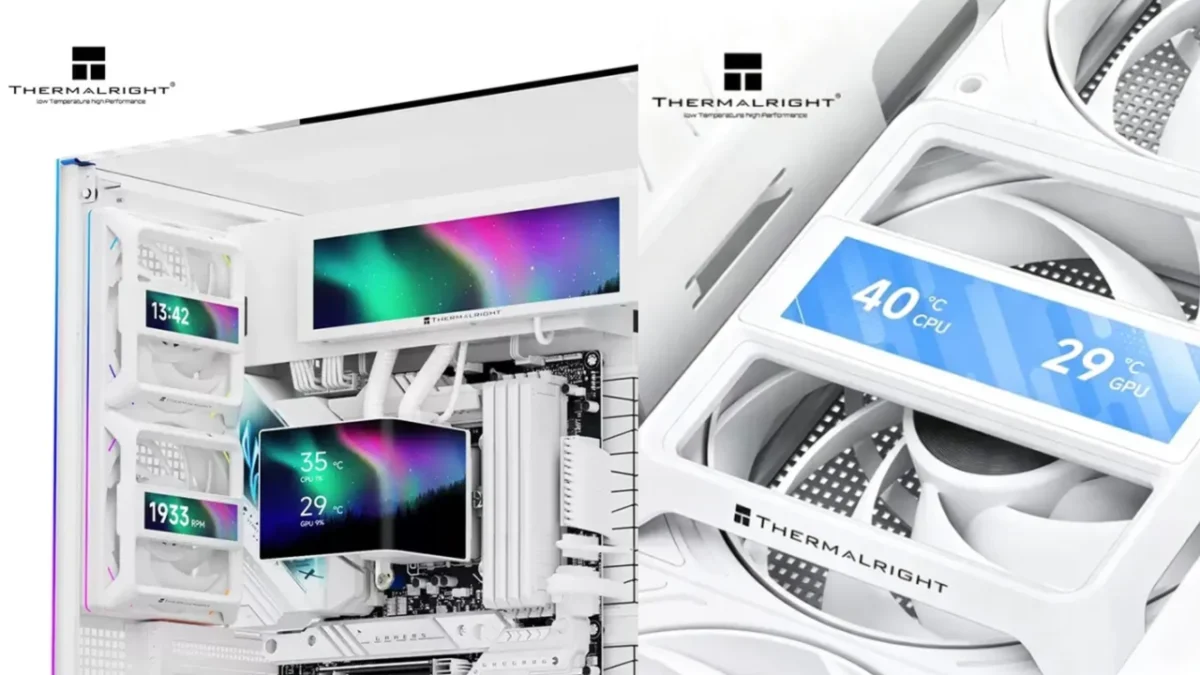
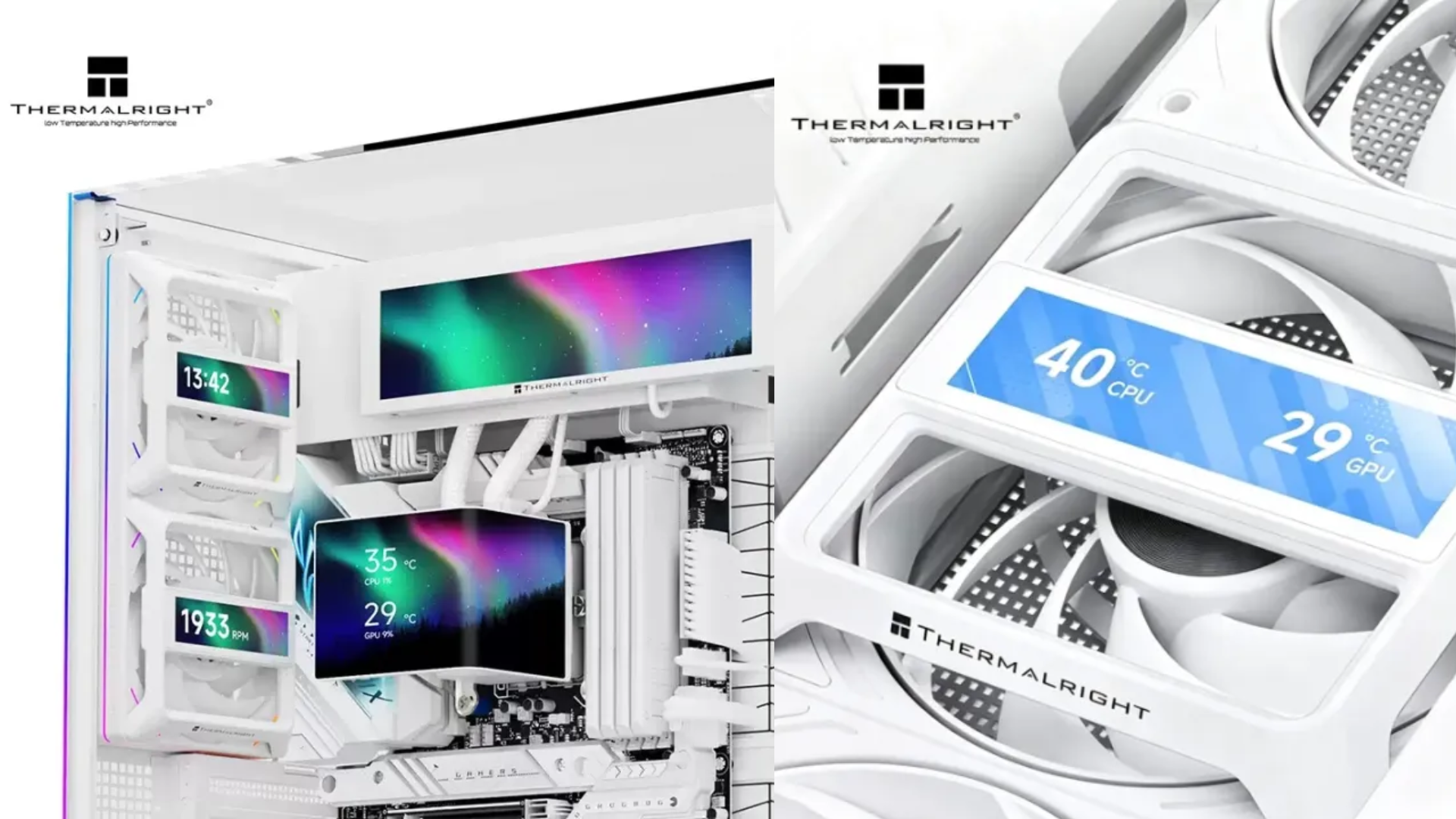
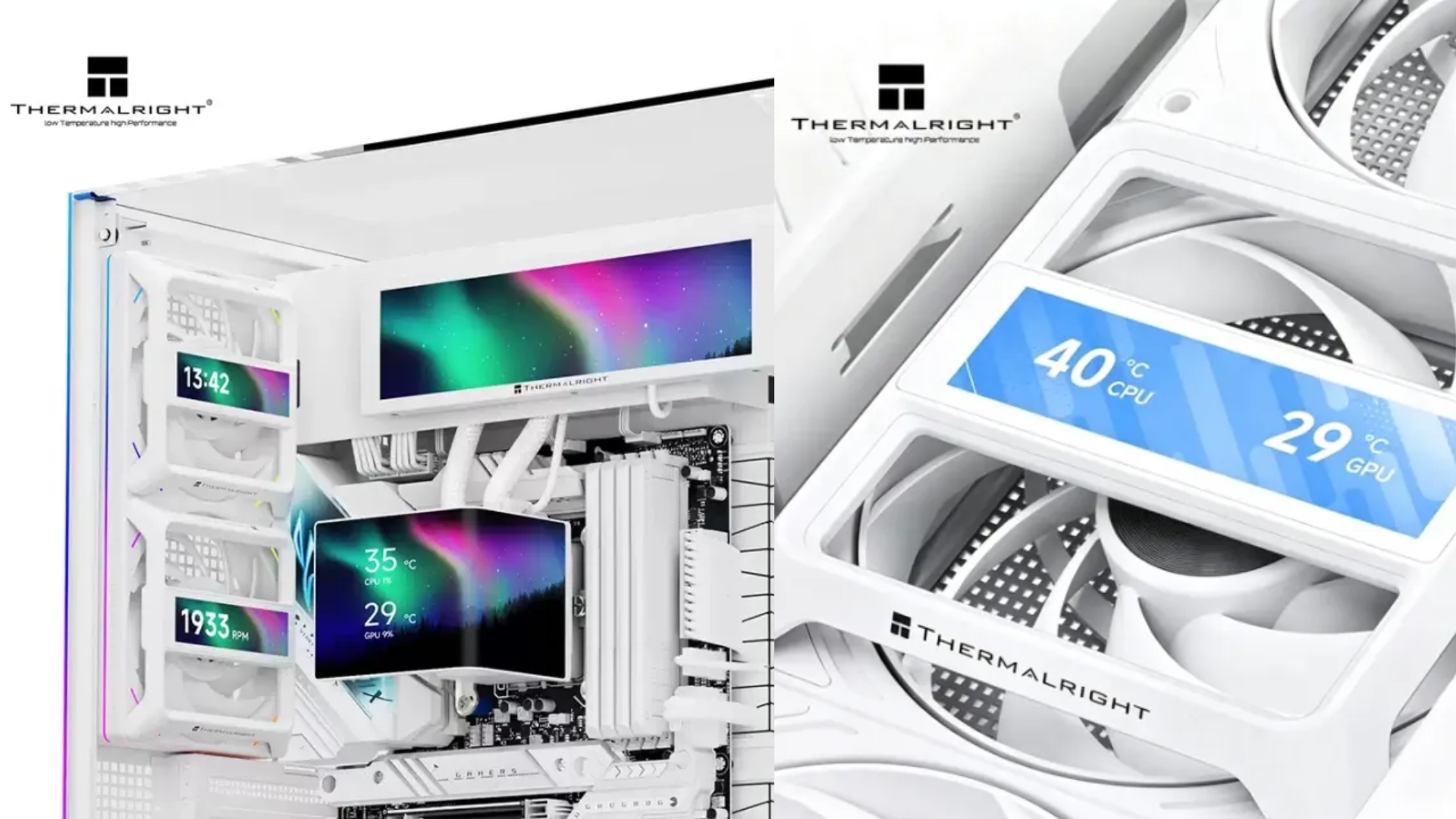
The Thermalright Fan Frame Vision-1 is essentially an external monitor for your computer’s interior. It features a 3.69-inch IPS display housed in a sleek, frame-like chassis that mounts directly onto the front of most standard 120mm PC fans.
By utilizing a clever magnetic mounting system, the device snaps onto the heads of standard fan screws, ensuring a stable connection without requiring complex brackets or permanent modifications. The accessory is available in both black and white, allowing it to blend seamlessly into a wide variety of chassis color schemes.
Connectivity is handled via a USB 2.0 internal header, which provides both power and data transmission to the screen. For builders who have exhausted their motherboard’s internal USB headers, Thermalright includes an adapter that allows for connection via an external USB-A port, ensuring compatibility even with older or more compact motherboards.
A Chronology of the "Screen-in-Case" Trend
The transition toward internal displays in gaming PCs has been a gradual evolution, mirroring the broader industry push toward "bespoke" computing.
- 2018–2020: The RGB Infatuation: The industry focused heavily on addressable RGB (ARGB) lighting, with manufacturers releasing ever-more complex fans and controllers. During this time, the "screen" was an anomaly, usually limited to the most expensive enthusiast-grade AIO liquid coolers.
- 2021–2023: The Proliferation of AIO Screens: As competition grew, brands like NZXT, Corsair, and ASUS began integrating LCD panels into their liquid cooler pump blocks. These allowed users to display system temperatures, custom GIFs, and system status in real-time.
- 2024: The Modularity Movement: As the cost of small IPS panels dropped, the market saw a surge in "DIY" solutions. Enthusiasts began repurposing small Raspberry Pi screens to mount inside their cases.
- Late 2024–Present: The Commercialization Phase: Companies like Thermalright are now capitalizing on this trend by offering plug-and-play, mass-produced accessories like the Fan Frame Vision-1. By standardizing the interface and mounting mechanism, Thermalright is essentially democratizing a feature that was previously restricted to high-end, pre-integrated cooling loops.
Technical Specifications and Performance Considerations
While the primary function of the Fan Frame Vision-1 is aesthetic, it is built with practical design principles in mind. Thermalright has engineered the frame to provide sufficient clearance, ensuring that it does not create a significant "dead zone" or impede the airflow of the fan it covers.
Mounting and Compatibility
The magnetic studs on the base of the unit are designed for standard 120mm fan configurations. However, compatibility is not universal. Fans that utilize non-standard screw placements or "offset" mounting designs—such as certain specialized high-airflow or high-static pressure fans like the Thermalright TL-US24/36—are incompatible with the device. Prospective buyers must ensure their fans utilize the traditional four-corner screw layout to ensure the magnets have a solid, metallic surface to latch onto.
Software Integration
Central to the device’s utility is Thermalright’s custom LCD software, TRCC. This software acts as the command center for the display, allowing users to toggle between system metrics (CPU/GPU temperature, fan speeds, clock rates) and custom visual assets like animated GIFs or static images.
Notably, the software ecosystem is surprisingly robust. In a move that has garnered significant praise from the open-source community, the TRCC software has already been successfully ported to Linux. This allows enthusiasts running SteamOS or various Linux distributions to enjoy the same level of granular control as their Windows-based counterparts—a rarity in a market dominated by proprietary, Windows-only drivers.
Supporting Data: Market Positioning and Costs
The Fan Frame Vision-1 is currently positioned as an enthusiast accessory rather than a utility component. As of the latest market checks, the unit is available through various international retailers, including AliExpress, at a price point of approximately $37.14.
This pricing is significant when viewed in context. Many high-performance, non-RGB 120mm fans from industry leaders can be purchased for less than $25, while top-tier silent fans often hover around the $30 mark. By pricing an accessory at $37, Thermalright is banking on the "PC building as art" demographic—individuals who are willing to spend as much on a decorative fan shroud as they would on a premium cooling unit.
When aggregated with the rising costs of DDR5 memory and high-capacity NVMe storage, the Fan Frame Vision-1 represents the "final mile" of a luxury build. It is not an item for the budget-conscious builder; it is a statement piece for the power user who has already maxed out their core performance specs and is looking to add a unique, personalized flair to their aesthetic.
Official Stance and Implications
Thermalright has not yet provided a specific timeline for a wider release on platforms like Amazon, but the product’s availability via international channels suggests a "soft launch" strategy.
The implications of this product are twofold:
- The Modularization of Aesthetics: By creating a standalone screen that isn’t tied to a specific AIO cooler, Thermalright is allowing users to retain their favorite existing fans while upgrading them with modern features. This modular approach is much more sustainable and cost-effective than forcing a user to replace a perfectly functional $200 AIO cooler just to get a screen.
- The "Over-Engineering" Phenomenon: Critics often point to these devices as evidence of the "gimmick-ification" of PC hardware. However, defenders of the trend argue that for many, a PC is a focal point of their office or gaming space. In an era where PC cases are increasingly made of tempered glass with open-air views, the internal components have become a form of digital expression.
The Future of Case Customization
As we look toward 2025 and beyond, it is highly probable that we will see more manufacturers adopting "ecosystem" approaches to these displays. We may soon see daisy-chainable screens that communicate with one another to create a unified video wall inside a PC case, or sensors that trigger specific animations based on real-time game events or system load.
The Thermalright Fan Frame Vision-1, while currently a niche offering, signals a shift in how we define a "complete" PC build. It is no longer enough for a machine to run fast; it must also communicate its status, display its personality, and maintain a visual language that matches the user’s personal style.
Whether this represents the pinnacle of PC customization or the peak of aesthetic excess is a matter of perspective. However, one thing is certain: for the builder who feels their case is still "missing something," Thermalright has provided a high-tech, highly visible solution that bridges the gap between hardware performance and digital art.
As always, potential buyers should carefully check their chassis dimensions and fan layouts before committing to this upgrade. While the magnetic mounting system is convenient, it requires a specific physical environment to function correctly. If your build is already tight on space or uses non-standard fans, it may be worth waiting for future iterations or checking compatibility lists before adding the Vision-1 to your shopping cart. For everyone else, it’s a brilliant way to turn a standard fan into a dynamic canvas.