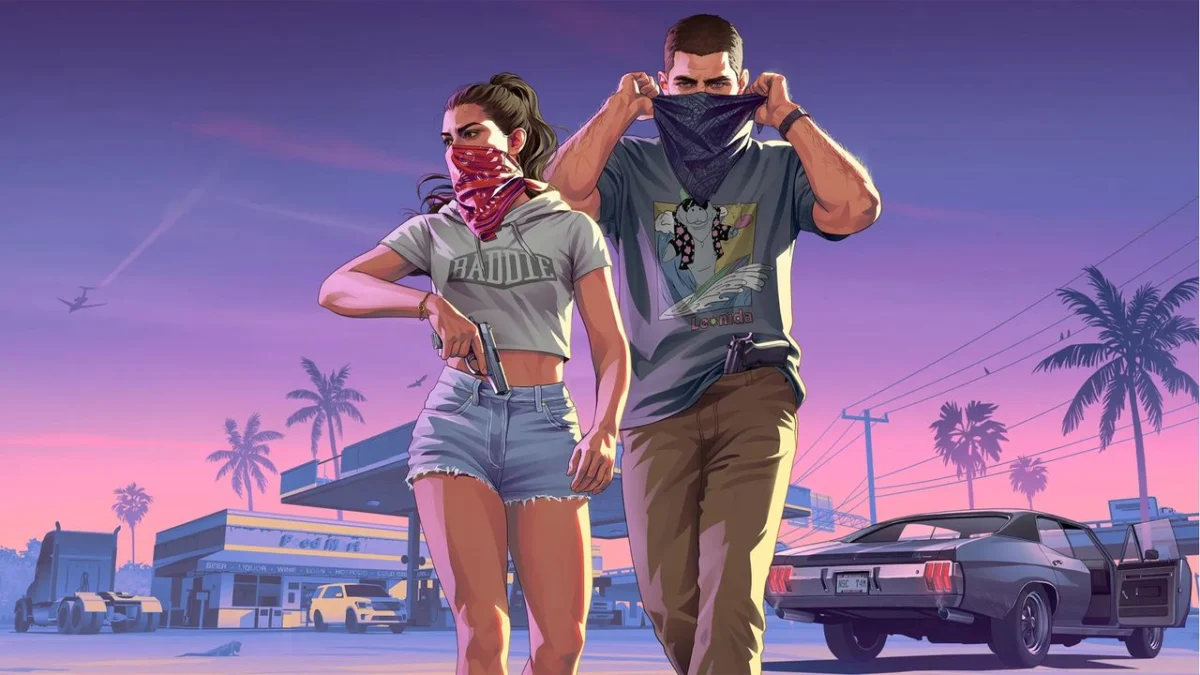
In an era defined by the frantic, data-driven churn of "live-service" gaming, Grand Theft Auto VI stands as a monumental anomaly. While the rest of the industry is caught in a cycle of early access, constant pivoting based on player feedback, and rapid monetization strategies, Rockstar Games is adhering to a strategy that, in today’s landscape, feels almost radical: they are taking their time.
As anticipation for the title reaches a fever pitch—culminating in the recent high-profile showcase via Netflix—industry observers are beginning to realize that GTA 6 represents more than just a sequel. It is a defiant statement on the value of patience, craftsmanship, and the immense power of a brand that refuses to rush art to appease short-term shareholder demands.
The Modern Industry: A Race to the Bottom?
To understand why the development cycle of GTA 6 is so significant, one must look at the current state of game development. The modern "games-as-a-service" (GaaS) model has fundamentally altered how studios operate. Titles are frequently released in a "minimum viable product" state, with roadmaps designed to fill in the gaps over months or years. Studios obsess over engagement metrics, microtransactions, and real-time community sentiment, often shifting the creative direction of a game mid-stream to avoid negative press or poor player retention.
This volatility has claimed several high-profile victims. The recent collapse of Concord, which was shuttered shortly after launch, serves as a sobering reminder that even with significant backing, a lack of identity or an over-reliance on trend-chasing can prove fatal. In contrast, Rockstar’s approach is "old-school." It involves years of intensive, internal development, heavy resource allocation, and a commitment to polishing the experience until it meets a singular, internal standard of quality before the public ever sees it in its finished form.
The Perspective from the Trenches: Insights from Arrowhead
Shams Jorjani, CEO of Arrowhead Game Studios—the team behind the breakout hit Helldivers 2—recently weighed in on the "Rockstar model," framing it as both a point of admiration and a cautionary tale for the rest of the industry.
"Rockstar makes ridiculous, high-effort stuff, and it’s awesome that games like this get made," Jorjani noted. While he admits to a degree of strategic relief that GTA 6 will not be launching on PC simultaneously—thereby sparing his own studio’s projects from the inevitable market dominance of a Rockstar release—his deeper analysis concerns the state of the industry at large.
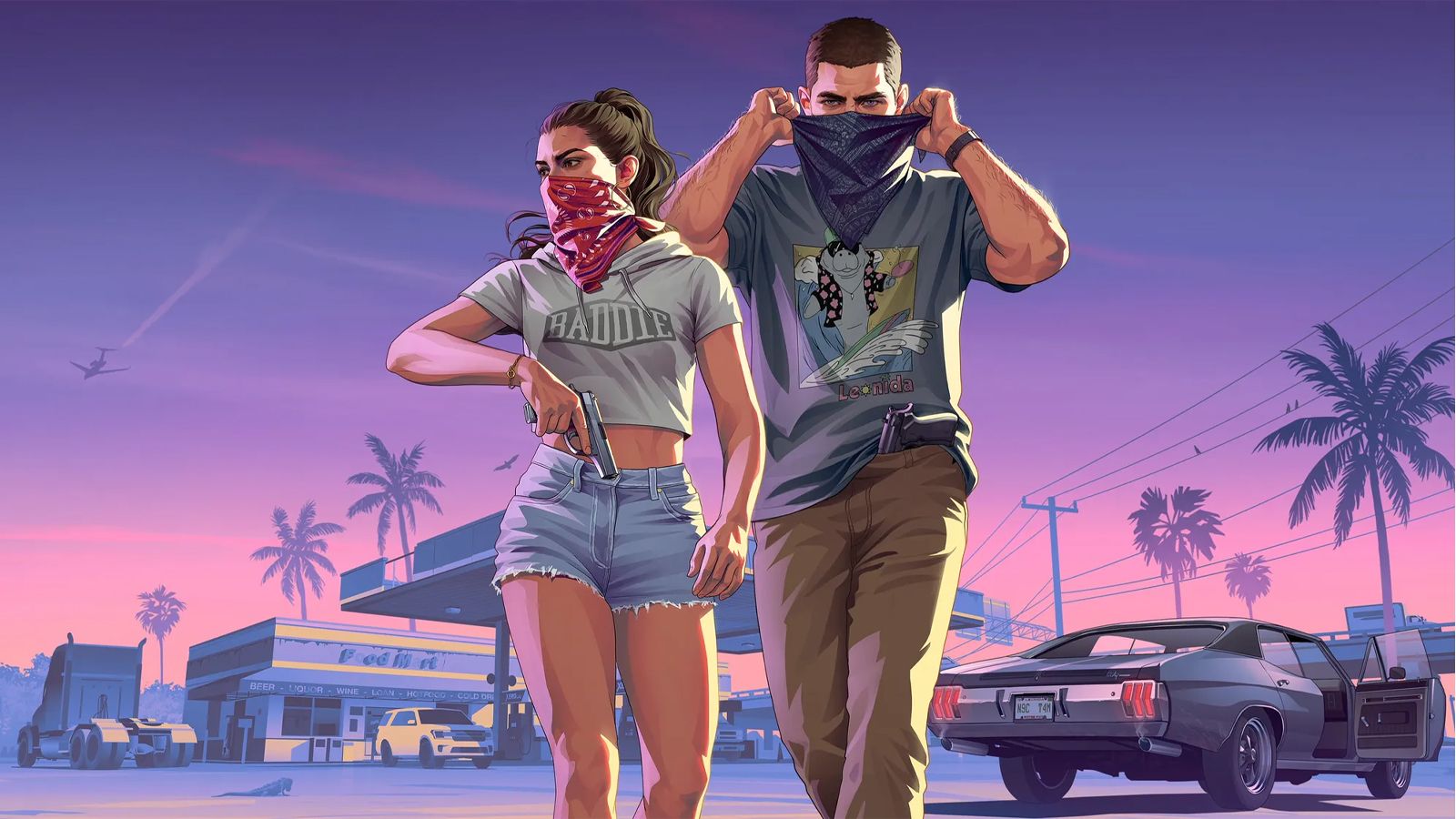
"Everyone in the industry right now is constantly pivoting strategies and obsessing over early player feedback just to survive," Jorjani explained. "But Rockstar has the brand power to confidently take their time and run their classic play. They have the confidence and freedom to spend a decade doing things the old-school way because they know the core game will deliver."
Chronology of the "GTA 6" Wait
The timeline of Grand Theft Auto VI’s development is a testament to the luxury of time. Following the release of Grand Theft Auto V in 2013, the game went on to become the most profitable entertainment product in history, providing Rockstar with a level of financial stability that few studios possess.
- 2013–2018: Post-launch support for GTA V and the development of Red Dead Redemption 2 consumed the vast majority of Rockstar’s internal resources.
- 2018–2022: As Red Dead Redemption 2 matured, development on the next GTA title began to ramp up in earnest. During this period, the studio faced various challenges, including the massive 2022 security breach which saw early footage leaked to the public.
- 2023–2024: Rockstar moved into the final, high-intensity phases of production. The announcement of the first trailer, followed by the decision to partner with streaming giant Netflix for a showcase, signaled that the marketing machine was finally beginning to turn.
- The Future: With the game slated for a 2025 release, the industry is bracing for a total shift in market dominance.
The Artistic Implications of Extended Development
What happens when you give an army of the world’s best artists, animators, and developers an unlimited budget and a decade-long runway? The answer is "hyper-detail."
In the current development climate, features are often cut to meet deadlines. However, with GTA 6, the luxury of time suggests a world that will be unprecedented in its density. We are likely looking at a simulation of life in Vice City that goes beyond mere textures and lighting. It involves emergent AI behaviors, environmental storytelling, and complex physics engines that would be considered "too expensive" or "too time-consuming" for smaller studios to implement.
From an artistic standpoint, GTA 6 is poised to raise the bar for what a "world" in a video game can be. It challenges the notion that games must be iterative, year-over-year products. Instead, it posits that games should be singular, landmark events that define a console generation.
Official Responses and Industry Impact
While Rockstar Games remains notoriously tight-lipped, their actions speak volumes. By eschewing the "early access" trend, they are essentially telling the audience: "We don’t need your input to tell us if the game is good; we already know."
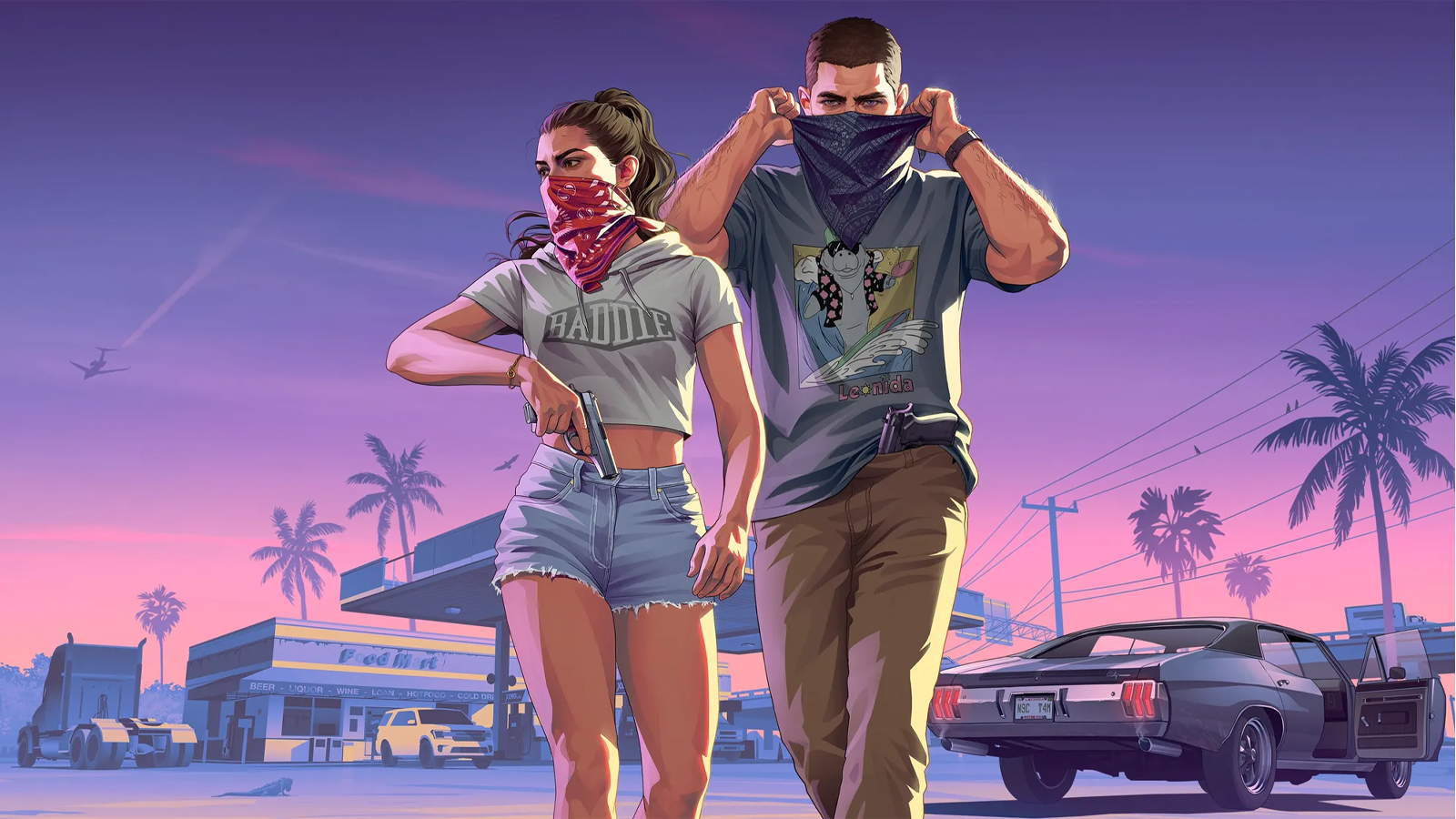
This level of hubris—or perhaps, justified confidence—is exactly what the industry is missing. Jorjani suggests that the success of GTA 6 may force a reckoning among major publishers. If GTA 6 performs as expected, it could act as a proof-of-concept that high-effort, long-cycle development is still the most lucrative path in gaming. It challenges the "churn and burn" culture that has led to widespread developer burnout and a glut of unfinished, buggy software.
The Financial Reality of the "Old-School" Way
It is important to acknowledge that Rockstar’s model is not necessarily replicable for every studio. The "Rockstar Paradox" is this: you need a massive, decade-long hit to fund the next decade of development. Most studios are beholden to quarterly earnings calls and impatient investors who demand growth, not the slow-and-steady perfectionism of a private-label studio.
However, the industry is currently seeing a "correction." As player fatigue grows and the market for live-service games becomes oversaturated, the value of a "complete, polished experience" is skyrocketing. Players are increasingly willing to wait for quality, and studios that can afford to hold back their product until it is truly finished may find themselves in a much stronger competitive position than those rushing to market.
Conclusion: A New Standard?
As we approach the launch of Grand Theft Auto VI, the message from Rockstar is clear: excellence cannot be rushed. While the rest of the gaming world continues to struggle with the pitfalls of live-service integration and the pressures of rapid-fire development, Rockstar is betting on the idea that quality remains the ultimate currency.
Whether or not this shift will trigger a permanent change in the industry remains to be seen. But for now, GTA 6 stands as a reminder that the best games are the ones that are allowed to breathe, grow, and exist in the minds of their creators for years before they ever reach the hands of the players. If the current hype is any indication, the industry—and the audience—is more than ready to play by those rules once again.