Pevita Pearce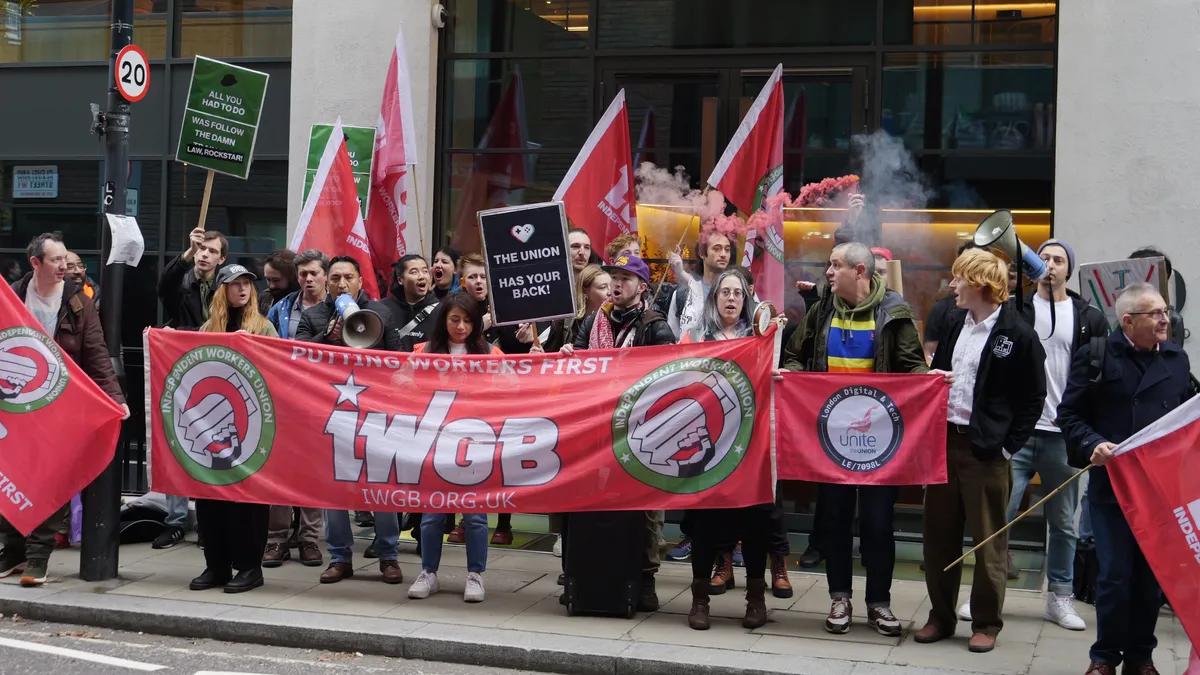
The global video game industry, a sector often defined by its creative ambition and rapid growth, is currently witnessing a watershed moment that pits one of its most powerful entities against the emerging force of organized labor. The dispute between Rockstar Games—the developer behind the Grand Theft Auto franchise—and the Independent Workers’ Union of Great Britain (IWGB) has evolved from a series of mass dismissals into a landmark legal battle that carries profound implications for the future of game development.
At the center of this controversy is the termination of 34 employees in October 2025. While Rockstar maintains that these actions were standard disciplinary measures for the unauthorized disclosure of confidential data, the IWGB contends that the firings represent a calculated, "ruthless" effort to dismantle unionization efforts within the studio.
The Core Conflict: Breach of Policy or Union Busting?
On October 30, 2025, the landscape of the games industry shifted when the IWGB leveled explosive allegations against Rockstar. The union reported that 31 employees in the UK and three in Canada had been summarily dismissed. According to the IWGB, the overwhelming majority of those affected were either active members of the union or were in the process of organizing.
Rockstar, backed by its parent company Take-Two Interactive, categorically rejected these characterizations. The company asserted that the dismissals were the result of "gross misconduct," specifically citing the distribution of confidential, unannounced game features within a public forum. Rockstar insisted that these terminations were non-negotiable, citing a strict, zero-tolerance policy regarding the protection of intellectual property—a necessity for a company currently shepherding the development of what is widely considered the most anticipated entertainment product in history, Grand Theft Auto 6.
Chronology of a Corporate Crisis
The friction between the studio and the union did not emerge in a vacuum. The timeline of events reveals a rapid escalation from internal friction to international headlines.
October – November 2025: The Fallout
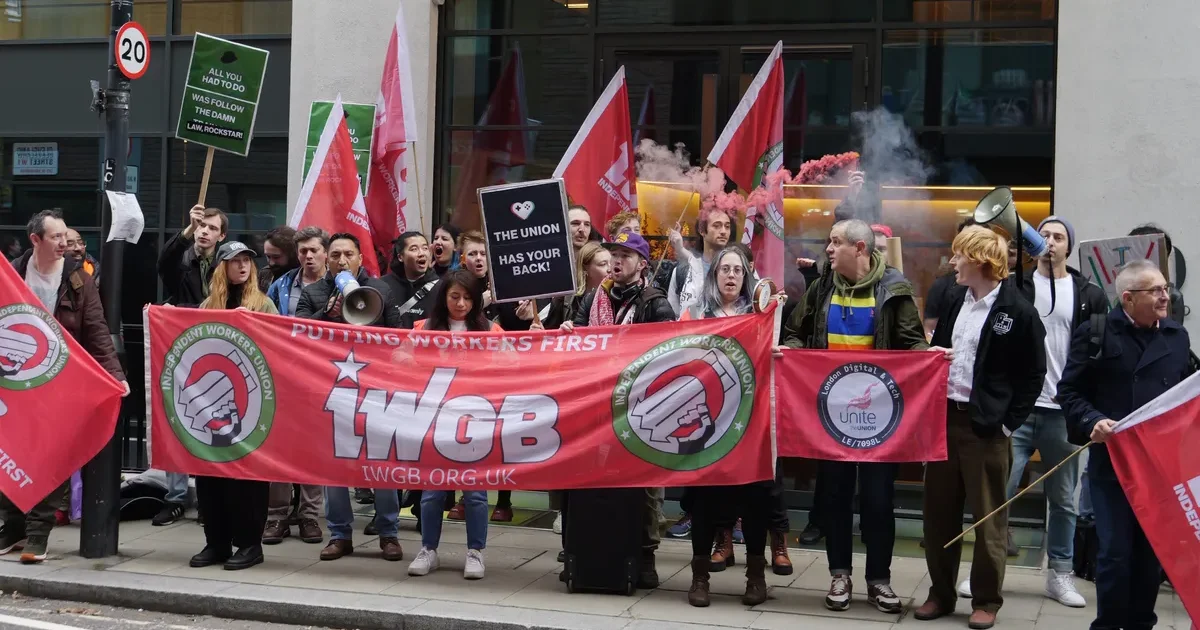
The initial dismissals on October 30 triggered immediate backlash. Protests erupted outside Rockstar’s offices in London and Edinburgh, as well as at Take-Two’s headquarters, where workers expressed shock at the sudden removal of their colleagues. By mid-November, the situation had entered the legal arena. The IWGB filed formal claims of "trade union victimization and blacklisting," alleging that Rockstar had refused to negotiate in good faith.
The tension was further complicated by the announcement on November 6 that GTA 6 would be delayed to November 2026. While Rockstar attributed the delay to "additional polish," the timing fueled speculation among the workforce that the internal instability caused by the dismissals had impacted production timelines.
December 2025: Political Escalation
By December, the dispute had reached the highest levels of British governance. During a session in the House of Commons, Prime Minister Keir Starmer addressed the issue, labeling it "deeply concerning" and pledging that government ministers would investigate the company’s adherence to UK employment law. This followed meetings between MPs and Rockstar representatives, which reportedly began with tense standoffs over non-disclosure agreements (NDAs) that the lawmakers refused to sign.
January 2026: The Tribunal and Legal Reality
The legal proceedings began in earnest in January 2026. The IWGB sought "interim relief"—a legal mechanism to have the employees reinstated while the main case proceeds—arguing that the workers were facing immediate financial and, in some cases, immigration-related crises.
However, the Glasgow Employment Tribunal dealt a significant blow to the union’s momentum. Judge Frances Eccles rejected the request for interim relief, noting that the tribunal could not conclude that union membership was the principal reason for the dismissals. Crucially, the judge pointed to the fact that other known union members remained employed at the studio, which undermined the argument of a targeted, company-wide purge.

Supporting Data: What Was Actually "Leaked"?
A critical component of this dispute rests on the nature of the information shared on the Discord server. While Rockstar framed the leaks as a massive security breach involving sensitive game features, subsequent revelations suggested a more mundane, if policy-violating, reality.
Evidence submitted to the court revealed that the "confidential information" included discussions regarding internal Slack policies. Employees had reportedly shared information about changes to remote work tools and internal communication restrictions—policies that were inaccessible to some staff due to Rockstar’s strict office-only digital access rules.
However, Rockstar’s evidence also highlighted that in the same channel, employees had discussed specific technical features of an unannounced live-service component for an upcoming title, including the number of concurrent players in an online session. For a company that guards its IP with extreme vigilance, this constituted a clear breach of contract. Furthermore, the studio raised concerns regarding the presence of a narrative designer on the server who held roles within the IWGB, citing his presence as a "legitimate risk" to the company’s competitive edge.
Official Responses and Corporate Stance
Rockstar Games has maintained a consistent public position throughout the ordeal. In multiple statements, the studio has emphasized that the dismissals were "in no way related" to union activities. Following the January tribunal ruling, a spokesperson stated, "We regret that these dismissals were necessary; however, confidentiality is fundamental to everything Rockstar does."
Take-Two CEO Strauss Zelnick echoed this sentiment in early 2026, reinforcing that while the company respects its creative talent, it must protect its intellectual property and internal processes. He characterized the tribunal’s decision to reject interim relief as a validation of the company’s actions.

Conversely, the IWGB has remained defiant. Despite the legal setbacks, the union views the case as a necessary confrontation against a "lawless" corporate culture. President Alex Marshall has framed the legal battle as a warning to the entire industry, suggesting that the "private spaces" of employees, such as union-managed Discord servers, should be protected from the reach of employer-mandated confidentiality agreements.
Implications for the Games Industry
The broader implications of this case are significant. First, it marks a pivotal moment for the "Game Workers Union" movement. For years, the industry has operated under a model where crunch, secrecy, and top-down management were the status quo. The emergence of the Rockstar Game Workers Union (RGWU) in May 2026, which reported a surge in membership following the dismissals, suggests that the mass terminations did not have the chilling effect on labor organizing that management might have hoped for.
Secondly, the case highlights the tension between modern, remote-adjacent communication tools and traditional corporate confidentiality. As developers increasingly use platforms like Discord and Slack to build community and discuss working conditions, companies are grappling with how to define the boundary between "protected concerted activity" and "unauthorized disclosure of trade secrets."
Finally, the Rockstar case sets a precedent for how future disputes may be litigated in the UK and beyond. The tribunal’s ruling suggests that proving "union busting" requires more than circumstantial evidence; it demands a clear, direct causal link between union activity and termination. As the full tribunal hearing approaches, both sides are digging in for a protracted battle that will likely define the legal boundaries of labor rights in the digital gaming age for years to come.
Looking Ahead
The final resolution of the legal battle remains pending. While Rockstar has secured a procedural victory, the court of public opinion and the political pressure from UK legislators continue to keep the studio under intense scrutiny. For the 34 employees caught in the middle, the outcome will have profound personal consequences. For the industry at large, the saga of the RGWU serves as a reminder that as the stakes of game development rise, so too does the complexity of the relationship between those who create the games and those who own them.

 Layla Zulfa
 Nana
Nana