Basiran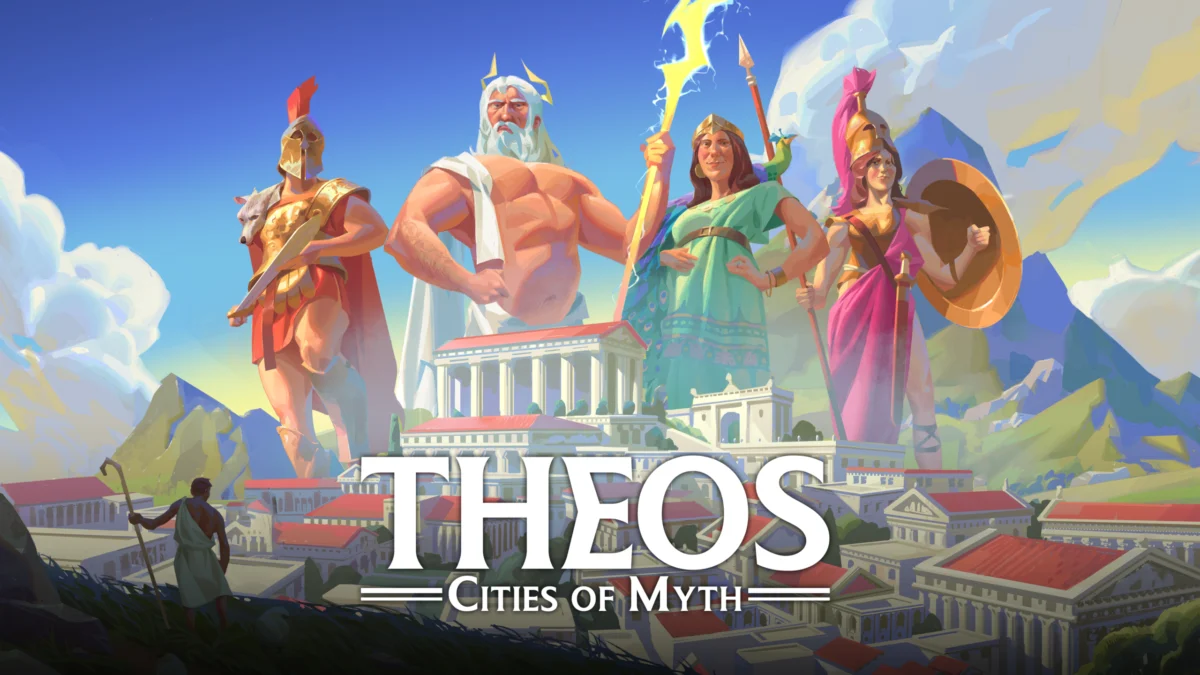
By: [Your Name/Journalistic Desk]
Date: June 1, 2026
The landscape of city-building simulation games is a crowded, fiercely competitive theater. It is a genre where players often find their "forever game"—a title like Cities: Skylines or SimCity—and dedicate hundreds, sometimes thousands, of hours to refining their digital metropolises. For a new title to break into this cycle, it cannot merely be "good"; it must offer a distinct identity, a polished feedback loop, and a compelling hook that differentiates it from the giants of the industry.
Enter Theos: Cities of Myth, the latest project from Triskell Interactive, published by Dotemu. Following their successful 2023 collaboration on the acclaimed Pharaoh: A New Era remake, the duo is returning to the drawing board to craft a spiritual successor that looks to capture the magic of the 90s golden era of simulation games while introducing modern sensibilities. As the industry looks toward the second half of 2026, Theos is positioning itself as a formidable contender for the hearts and hours of strategy enthusiasts.
The Chronology of a Spiritual Successor
To understand Theos: Cities of Myth, one must look at the trajectory of its developers. In 2023, Triskell Interactive, under the publishing banner of Dotemu, released a comprehensive remake of the 1999 classic Pharaoh. The remake was met with significant praise for its ability to modernize the user interface and graphics of a beloved relic without sacrificing the tactical depth that made the original so compelling.
The success of that project served as more than just a win for the studio; it acted as a litmus test. It proved that there was still a massive, hungry audience for grid-based, historically or mythologically themed city builders. Building on this momentum, the team began development on Theos almost immediately following the Pharaoh release cycle.
Unlike a direct sequel, Theos is described by the developers as a "spiritual successor." This allows the team to unshackle themselves from the specific historical constraints of ancient Egypt, allowing for a broader, more imaginative exploration of myth and divinity. By moving into the realm of "Cities of Myth," the developers are opening the door to varied architectural styles, divine interventions, and thematic storytelling that were perhaps impossible within the rigid historical framework of their previous title.
A Solid Foundation: The Mechanics of Divine Planning
At the core of any city builder is the "feel" of the gameplay. If the act of placing roads, zoning districts, or managing resources feels sluggish or disconnected, the game will fail to sustain long-term interest. In early preview builds, Theos demonstrates a remarkably snappy and responsive control scheme.
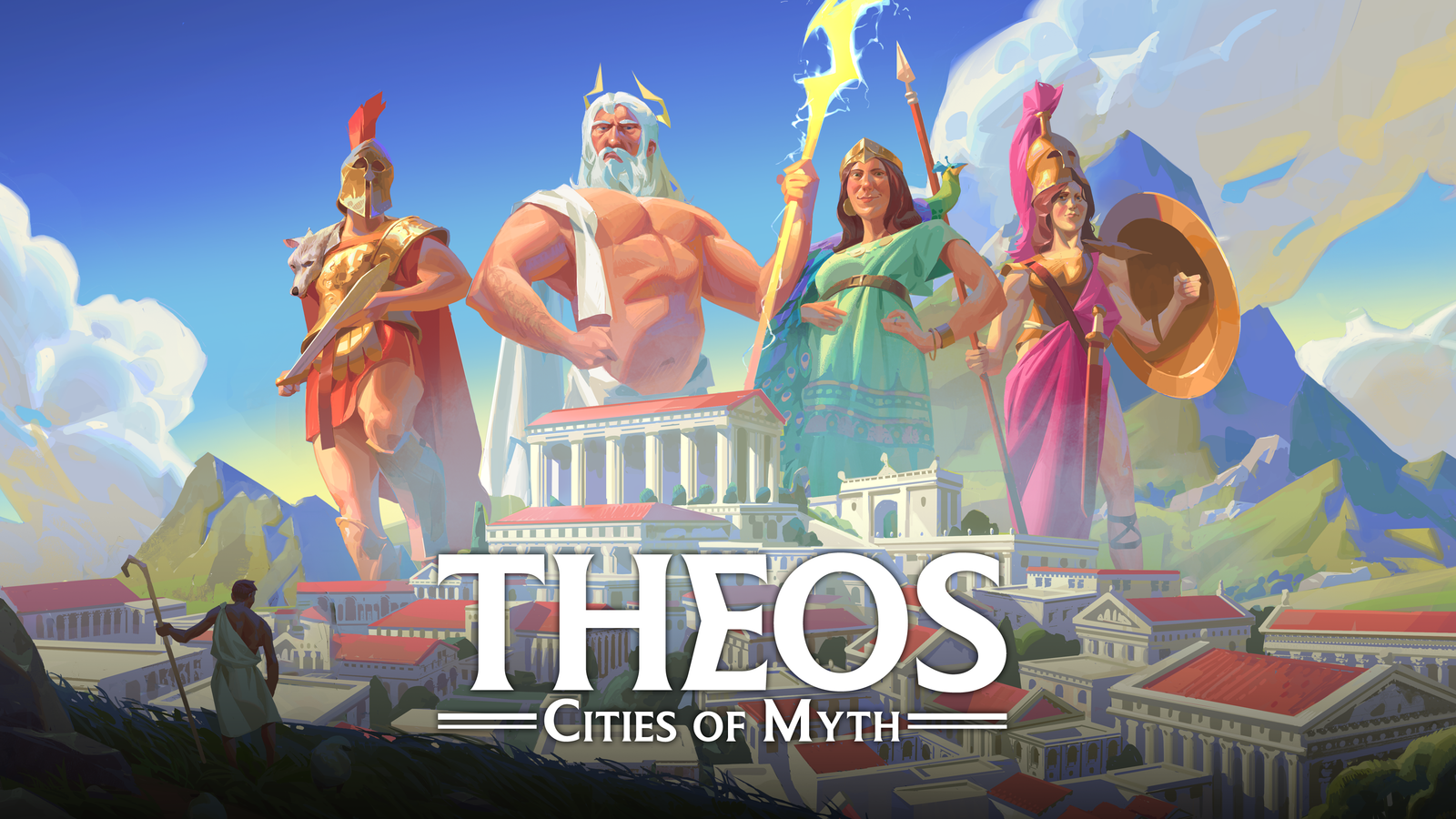
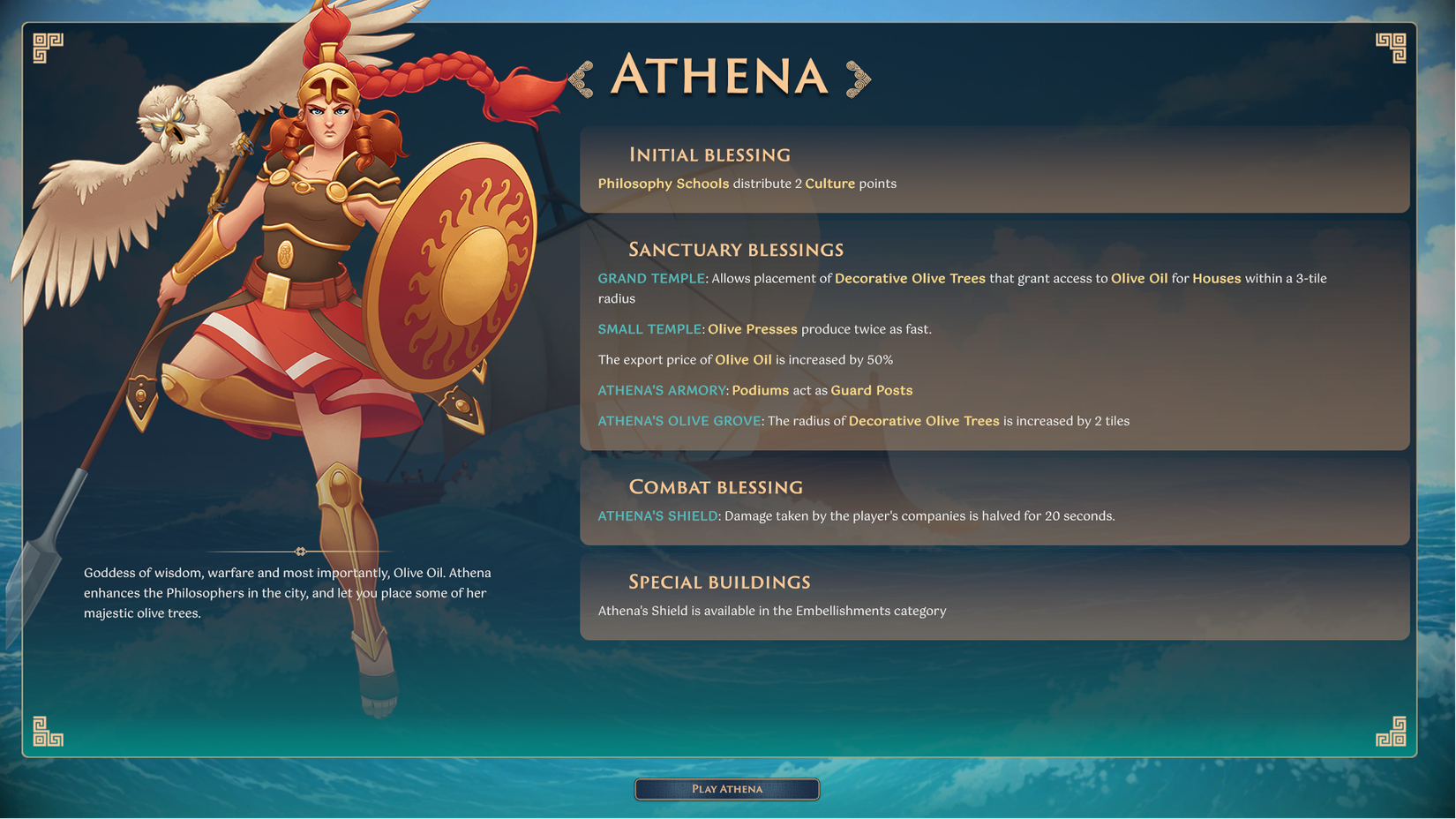
The game is built around the selection of an avatar—a deity-like figure—who acts as the player’s guiding force. While the preview build offered only a glimpse into the depth of these characters, the design philosophy is clear: your choice of deity influences the city’s growth, its architectural aesthetic, and potentially its unique bonuses.

The process of "city-building" in Theos feels like a refined evolution of the 90s classics. Players are tasked with balancing the needs of a growing population against the mandates of the gods. The placement of infrastructure is intuitive, and the UI—often the undoing of many strategy games—is clean and unobtrusive. This level of accessibility suggests that while Theos offers the complexity veterans crave, it avoids the "clutter-creep" that makes many modern strategy titles feel impenetrable to newcomers.
Atmosphere as a Gameplay Pillar
Perhaps the most striking aspect of the early Theos experience is its commitment to atmosphere. Many modern city builders lean heavily into the "optimization" aspect, turning the experience into a spreadsheet-management exercise. Theos intentionally pivots toward a more meditative, "chill" experience.
The audio design plays a pivotal role in this. The soundscape is composed of gentle, ambient tracks that avoid the repetitive, frantic energy often associated with real-time strategy. Combined with a soft, vibrant art style, the game creates a sense of "cozy" simulation. This is a deliberate design choice that aligns with the current trend of "low-stress" strategy games—titles that encourage players to spend hours building not just for efficiency, but for aesthetic satisfaction.
Implications for the Genre: Can It Compete?
The year 2026 has been particularly busy for the simulation genre. With several high-profile indie projects and established franchises releasing updates or sequels, the market is saturated. The primary question surrounding Theos is whether it can retain player interest in a field dominated by massive, open-ended titles like Cities: Skylines.
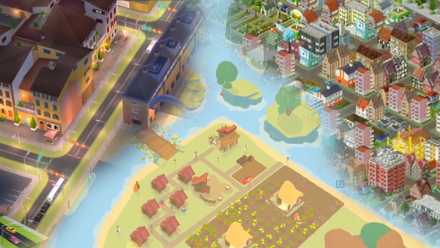
The strength of Theos lies in its niche. By focusing on the "Myth" aspect, it offers a fantasy-flavored alternative to the hyper-realistic urban planning games. It creates a space where the player isn’t just an urban planner, but a celestial architect. This narrative layer adds a "goal-oriented" structure to the gameplay, which is often missing in purely open-ended sandboxes.
Furthermore, the partnership between Triskell and Dotemu is a significant factor in the game’s potential success. Dotemu has earned a reputation for publishing games that respect the legacy of their genres while providing the technical polish required for modern hardware. This, combined with Triskell’s proven track record, provides Theos with a level of credibility that many independent titles lack at launch.
Official Responses and Developer Outlook
While official press statements have been measured, the sentiment from the developers remains cautiously optimistic. Triskell Interactive has emphasized that the current, early-access version of the game is a "foundation." They have invited community feedback regarding the difficulty scaling and the impact of the deity-avatar system, indicating that the game’s final shape will be heavily influenced by player interaction during the pre-release phase.
"We aren’t trying to build the next trillion-dollar infrastructure simulator," a representative for the studio noted in a recent roundtable. "We are trying to build a place where players can get lost in the mythology of their own creation. The focus is on the soul of the city, not just the efficiency of its pipes."
Technical Performance and Future Roadmap
Technically, the game is showing great promise. Performance on PC—the primary platform for the genre—is fluid even in the early builds, with high levels of environmental detail that do not seem to tax hardware excessively. The art direction, which utilizes a distinct, stylized palette, suggests that the game will hold up well visually even as the cities expand to grand proportions.
As we move toward the final release window, the development roadmap includes:
- Deepened Mythos: Expanding the unique abilities of each playable avatar to ensure high replayability.
- Dynamic Events: Introducing weather patterns and divine interventions that force players to adapt their city layouts on the fly.
- Community Integration: Implementing mod support, which has historically been the lifeblood of successful city-building games.
Conclusion: A Contender in the Making
The city-building genre is a marathon, not a sprint. While the initial impressions of Theos: Cities of Myth are overwhelmingly positive, the true test will be how the game handles the transition from a focused, early-build experience to a full, complex release.
However, by striking a balance between the nostalgic mechanics of the 90s and the aesthetic sensibilities of today, Triskell and Dotemu have crafted a compelling proposition. Theos isn’t just asking you to build a city; it’s asking you to build a legacy. For those who find solace in the rhythm of building, managing, and perfecting, Theos: Cities of Myth is undoubtedly a title to watch as it prepares for its 2026 debut. Whether it will stand the test of time remains to be seen, but for now, it is a bright, relaxing, and deeply promising addition to the pantheon of strategy gaming.


 Lina Irawan
 Sagoh
Sagoh