

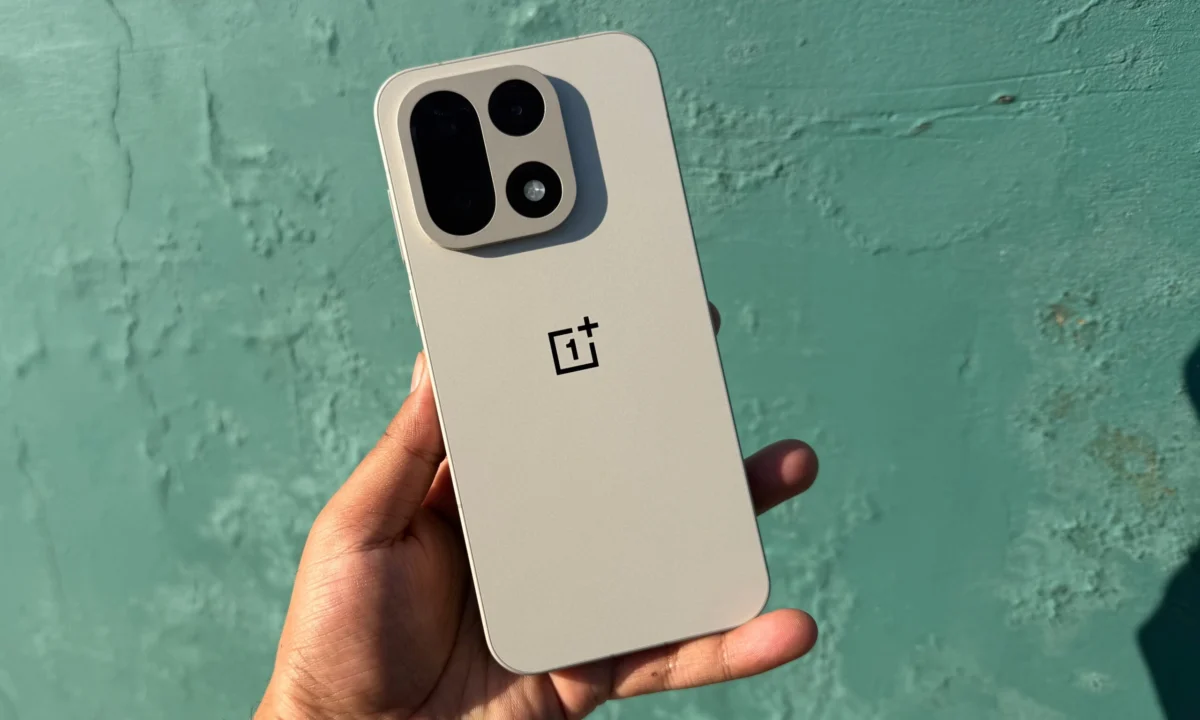
The smartphone industry, often characterized by its rigid, seasonal rhythms, appears to be on the verge of a significant structural shift. According to the latest intelligence from industry insider Digital Chat Station, OnePlus is reportedly preparing to launch its next-generation flagship, the OnePlus 16, as early as September. This aggressive scheduling marks a departure from the traditional Android release calendar and signals a direct, head-on collision with Apple’s annual September keynote—the most high-profile event in the consumer technology world.
If these reports hold true, the OnePlus 16 will arrive at a moment when global consumer attention is already laser-focused on the release of the iPhone 18 series. By opting for a September debut, OnePlus is not merely looking to release a phone; it is attempting to disrupt the narrative of the premium smartphone market by positioning itself as the immediate, high-performance alternative to Apple’s latest offering.
A Chronology of Acceleration: How We Got Here
OnePlus has spent the last several years systematically dismantling the concept of a "standard" launch window. For years, the Android flagship season was largely defined by the late-winter MWC (Mobile World Congress) cycle or spring events. However, OnePlus has been steadily pulling its release dates forward, creating a "creep" that has now reached a critical threshold.

The Trajectory of the OnePlus Flagship
- OnePlus 11 (2023): Launched in China in January 2023, keeping with traditional early-year release cycles.
- OnePlus 12 (2023): The company accelerated its timeline significantly, pushing the China launch to December 2023.
- OnePlus 13 (2024): The cycle shortened further, with a launch taking place in October 2024.
- OnePlus 15 (2025): Continuing the trend, the OnePlus 15 solidified an October release date in China, with international availability following in November.
This pattern reveals a calculated strategy. By launching in October or November, OnePlus has historically been able to capture the "holiday upgrade" window. Moving to September, however, is a much bolder gamble. It forces the OnePlus 16 to compete for media mindshare and consumer wallets while the tech press and public are still digesting the initial excitement of Apple’s September announcements.
The Hardware Arms Race: Powering the OnePlus 16
To survive a launch alongside the iPhone, a device cannot simply be "good"; it must be technically superlative. Early leaks surrounding the OnePlus 16 suggest that the company is leaning heavily into raw, top-tier specifications to differentiate itself from the Apple ecosystem.
Under the Hood: The Snapdragon 8 Elite Gen 6 Pro
The backbone of the OnePlus 16 is expected to be the Qualcomm Snapdragon 8 Elite Gen 6 Pro. This chipset is currently the subject of intense industry speculation. Sources suggest that this iteration of the Silicon will push clock speeds toward the 5.0GHz threshold. While this promises a massive leap in raw computational power and AI-driven task management, it also presents a significant thermal challenge. OnePlus will need to leverage advanced cooling technologies—potentially utilizing new material sciences—to ensure that the performance gains do not result in throttling or reduced battery longevity.

The "Monster" Battery and Display Specs
Perhaps the most eye-catching rumor is the inclusion of a battery capacity approaching 9,000mAh. If true, this would be a watershed moment for flagship smartphones, effectively doubling the capacity of many competitors. Combined with a rumored 240Hz OLED display, OnePlus is clearly aiming for a demographic that prioritizes extreme performance, high-frame-rate gaming, and long-term endurance.
Imaging Innovations: The 200MP Telephoto
Photography remains the primary battleground for modern flagships. The reports indicate that while the main sensor will likely be a high-fidelity 50MP module, the real "wow factor" will be a 200MP telephoto camera.
High-resolution telephoto sensors allow for significant sensor-level cropping, which maintains image quality at long focal lengths that would otherwise be pixelated on standard lenses. This, coupled with the natural background compression inherent in such hardware, suggests that OnePlus is making a targeted play for the "portrait and street photography" market, a space where users often find standard smartphone zoom capabilities lacking.

Implications for the Global Market
A September launch for the OnePlus 16 will have a ripple effect across the entire Android ecosystem. If OnePlus succeeds in gaining traction during the September window, other manufacturers—such as Xiaomi, Oppo, and Vivo—may feel compelled to adjust their own timelines, potentially leading to a chaotic "Q3/Q4" flagship rush that could leave the spring season devoid of major announcements.
Competitive Positioning
By launching in September, OnePlus is explicitly telling consumers: "Don’t wait for the holiday sales; get the best technology now." This is a direct challenge to the "Apple-first" mindset that dominates Western markets.
However, the strategy is not without risks. Launching in September requires massive logistical coordination. The reports indicate that the September date is specific to the Chinese market, with global regions like India and Europe likely following in October. This staggered rollout is designed to mitigate supply chain stress while keeping the momentum alive in international markets through the holiday season.

The Price-to-Performance Calculus
One of the most significant factors in this shift is the rising cost of componentry. With the Snapdragon 8 Elite Gen 6 Pro being more expensive to manufacture than its predecessors, OnePlus faces the delicate task of maintaining its reputation for "value-driven flagship hardware" while absorbing these costs. If the price point is too high, it may struggle against the well-entrenched pricing tiers of the iPhone. If the price is too low, the company risks brand dilution.
Industry Expert Analysis
Industry analysts are divided on the efficacy of this pivot. Some argue that the September window is "crowded" and that the "Apple noise" is simply too loud for any Android device to stand out. Others, however, believe that the "Android fatigue" is real. There is a segment of the user base that is tired of the iterative nature of the annual iPhone cycle and is hungry for the hardware-first, "enthusiast-grade" specifications that OnePlus has championed for over a decade.
"If you have a 240Hz screen, a 9,000mAh battery, and a 200MP camera, you have a story that can compete with any marketing campaign," says one industry observer. "The challenge for OnePlus is no longer just making the phone; it’s making sure the world hears them over the roar of the Apple event."

Looking Ahead: The Future of the Flagship
As we approach the latter half of the year, all eyes will be on the supply chain and regulatory filings that typically precede a major launch. If the September launch date is confirmed by internal documentation or early leaks from retailers, it will represent the most significant shift in smartphone release strategy in recent memory.
OnePlus has always positioned itself as a "challenger" brand. By moving its launch date to square off against the most powerful company in the world, the brand is finally acting on the bravado it has projected since its inception. Whether this proves to be a masterstroke of marketing or a tactical error remains to be seen, but one thing is certain: the fall season of 2026 is shaping up to be the most competitive period in the history of the smartphone industry.
As of now, the company has not provided an official response regarding the rumors, maintaining the standard silence of a manufacturer ahead of a major product cycle. However, the intensity of the rumors—spanning from the processor specs to the camera capabilities—suggests that the OnePlus 16 is not just a phone in the works, but a statement of intent. For the consumer, this suggests that the era of waiting until 2027 to see the next big leap in hardware may be coming to an end much sooner than expected.












No comments yet. Be the first to join the conversation!