In the high-stakes world of triple-A video game development, the release calendar is more than just a schedule—it is a strategic battlefield. As the industry looks toward the horizon, one looming silhouette dominates the landscape: Grand Theft Auto 6. Rockstar Games’ upcoming title has become a gravitational anomaly, a "black hole" of consumer attention and marketing spend that is forcing publishers and developers to recalibrate their own release windows to avoid being pulled into the void.
While the gaming industry is no stranger to blockbuster competition, the anticipation surrounding GTA 6 is unprecedented. This phenomenon has created a ripple effect, forcing seasoned titans like Activision’s Call of Duty franchise to pivot their traditional release strategies. Yet, despite the pervasive anxiety felt by many in the industry, there remains a contingent of developers who view this pressure not as a threat, but as a catalyst for growth.
The Gravity of Rockstar’s Next Masterpiece
For over a decade, Grand Theft Auto V has remained a permanent fixture on sales charts, transcending the typical shelf life of a console generation. The announcement of its successor has set expectations to a fever pitch that arguably no other property can match. Because Rockstar Games has demonstrated a willingness to shift release dates to ensure the highest possible polish, the industry has been left in a state of "perpetual volatility."
Publishers are currently engaged in a high-stakes game of chicken. Launching a major title within the same window as GTA 6 is widely considered a financial risk, as the game is expected to consume a massive share of the consumer’s "entertainment wallet" and time. This has led to a noticeable thinning of the late-year release schedule across the board, with developers opting to secure their own market share in the months preceding or following the Rockstar juggernaut.
Chronology of a Shifting Schedule
Historically, the Call of Duty franchise has occupied the November release slot with the precision of a Swiss watch. It has been the definitive "holiday game" for nearly two decades. However, the current cycle for Modern Warfare 4 marks a deliberate departure from this tradition.
By opting for a late October launch, the development team at Infinity Ward is effectively creating a buffer zone. This shift, while not unprecedented for the series, highlights the growing necessity for flexibility.
- Pre-2023: Call of Duty establishes its dominance as the definitive early November release.
- 2024 (Strategic Pivot): As rumors and official teasers for GTA 6 intensify, studios begin to adjust their long-term roadmaps.
- Late 2024/Early 2025: Infinity Ward confirms the move to late October for Modern Warfare 4, signaling a defensive shift to capture player engagement before the GTA marketing machine reaches its zenith.
- The Future: The industry remains in a "wait and see" mode, monitoring Rockstar’s official release updates to determine subsequent fiscal planning.
The Resilience of the First-Person Shooter
Despite the encroaching shadow of GTA 6, Call of Duty remains a unique beast in the gaming ecosystem. With its transition away from the "free-to-play" inclusion on Xbox Game Pass for its latest iterations, the franchise has reclaimed its status as a premium, must-buy annual product. This financial autonomy provides the studio with a sense of security that smaller, independent, or mid-tier publishers simply do not possess.
The consensus among industry analysts is that Call of Duty and Grand Theft Auto serve different psychological needs for the player base. While GTA offers a sprawling, cinematic sandbox experience, Call of Duty provides a high-intensity, competitive multiplayer ecosystem. This functional divergence may be the very thing that saves Modern Warfare 4 from being cannibalized by the competition.
Perspectives from the Frontline: Mark Grigsby on Pressure
In a recent, candid interview with Destructoid, Mark Grigsby, the co-studio head of Infinity Ward, addressed the "elephant in the room" regarding the pressure of competing against the biggest brand in the world.
"I always feel pressure," Grigsby noted. "I’ve been in this industry for 28 years, and every product that I have put out, I have the weight of the world, even not as a studio head, as a developer. It’s a lot of pressure to make sure that you’re creative enough to entertain the masses."
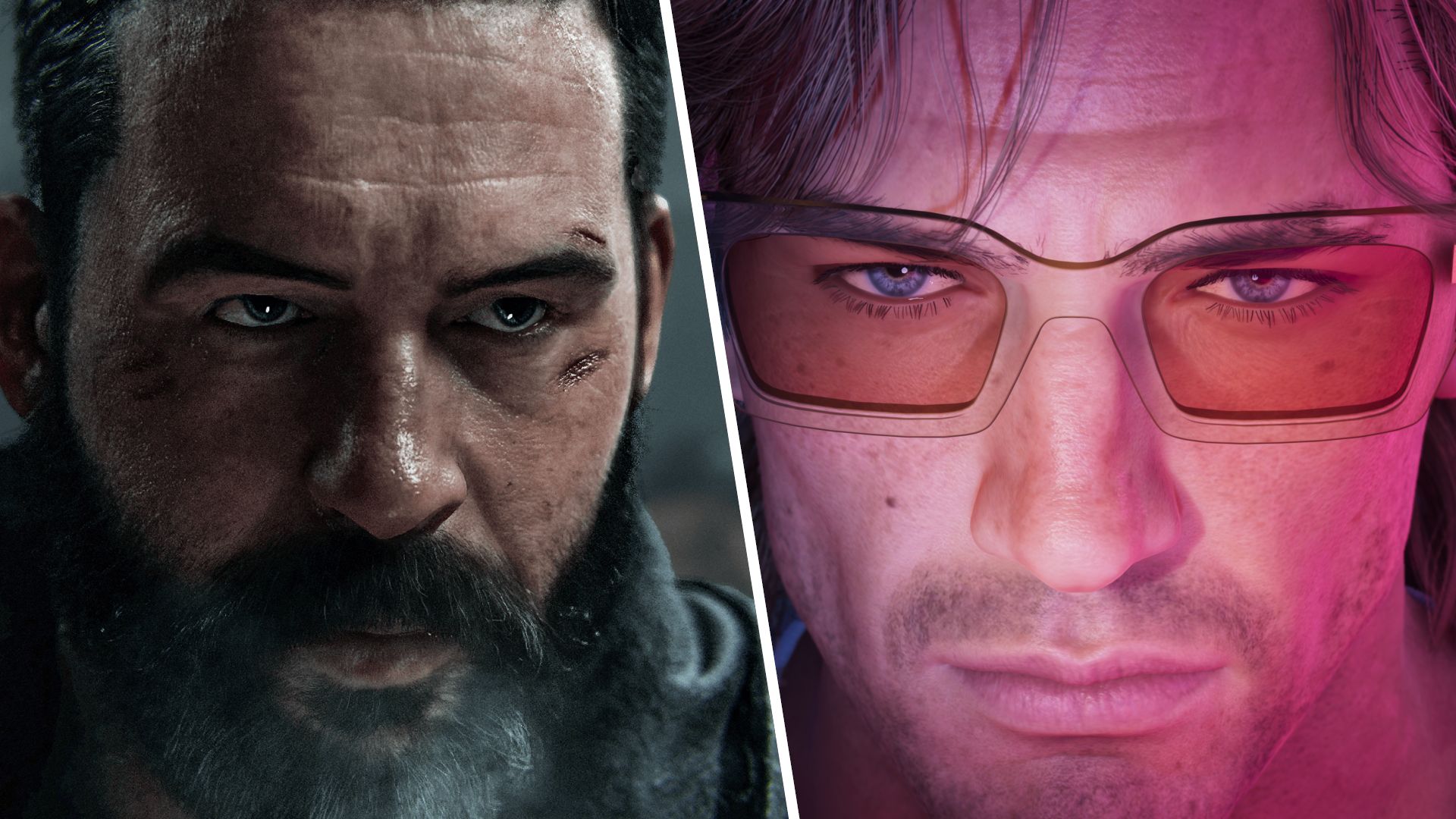
Grigsby’s perspective is grounded in a deep respect for the medium. Rather than viewing Rockstar as an existential threat, he frames the competition as a rising tide. "I’ve been a fan of GTA since the top-down games back in the day. And I’m looking forward to playing it. Afraid of it? No. I think it’s healthy for the industry to have juggernauts like Grand Theft Auto and Call of Duty and Fortnite… to uplift. And, you know, it’s a little head-to-head, that’s great."
This sentiment underscores a professional maturity that is often overlooked in discussions about "console wars" or "market dominance." The industry leaders understand that high-quality competition pushes everyone to improve, ensuring that the final products delivered to consumers remain at the cutting edge of technical and creative achievement.
Improving the Product: Learning from the Past
Pressure isn’t just about marketing dates; it’s about the internal quality of the game. Our own staff, having had the opportunity to go hands-on with the Modern Warfare 4 multiplayer, noted a distinct shift in the development philosophy.
Following the controversial reception of Modern Warfare 2, which introduced mechanics that many felt hampered the "feel" and "fun" of the core experience, the team at Infinity Ward appears to be on a corrective course. The upcoming title is not necessarily trying to reinvent the wheel, but rather to refine the core mechanics that made the series a cultural phenomenon in the first place.
By focusing on "top-notch, top-of-the-line" quality, Infinity Ward is banking on the idea that player loyalty is earned through gameplay loops that feel responsive, fair, and engaging. If they can successfully iterate on the core mechanics that players have been asking for, the looming shadow of GTA 6 may matter less to the dedicated Call of Duty player base than the pundits suggest.
The Broader Implications for the Industry
The "GTA 6 Effect" is a bellwether for the future of triple-A gaming. As development costs soar and the time required to create massive open-world titles extends, the market is becoming increasingly crowded with "forever games"—titles designed to keep players engaged for years rather than weeks.
- Market Saturation: Developers are realizing that they cannot simply out-spend or out-market a titan like Rockstar. The strategy is shifting toward niche dominance and high-frequency engagement.
- The Rise of the "Buffer Window": We are likely to see a trend where mid-tier and even high-tier publishers intentionally avoid the "blockbuster quarter" entirely, preferring to release games in the spring or late summer to avoid the congestion of the holiday season.
- Cross-Pollination of Ideas: As studios like Infinity Ward watch Rockstar, and vice-versa, the technical standard for all games increases. The industry is currently in an arms race regarding environmental design, animation fidelity, and AI complexity.
Conclusion: A Healthy Friction
While the anxiety surrounding Grand Theft Auto 6 is palpable, it is ultimately a sign of a healthy, albeit intense, industry. For developers like Mark Grigsby, the focus remains internal: how to deliver the best possible experience to the player.
The battle for the consumer’s attention is fiercer than ever, but if history has shown us anything, it is that there is always room for multiple masterpieces. Call of Duty will continue to march to the beat of its own drum, fueled by its massive, loyal player base, while Grand Theft Auto 6 will undoubtedly break records and define the technological standard of the generation. For the gaming community, the "pressure" felt by developers translates into a win: better games, higher polish, and a constant drive toward innovation.
As we approach the release of Modern Warfare 4, the narrative isn’t about whether it can "beat" GTA 6; it’s about whether it can hold its own as a pillar of the industry. Based on the current trajectory of the development team, the answer seems to be a resounding yes.