Nila Kartika Wati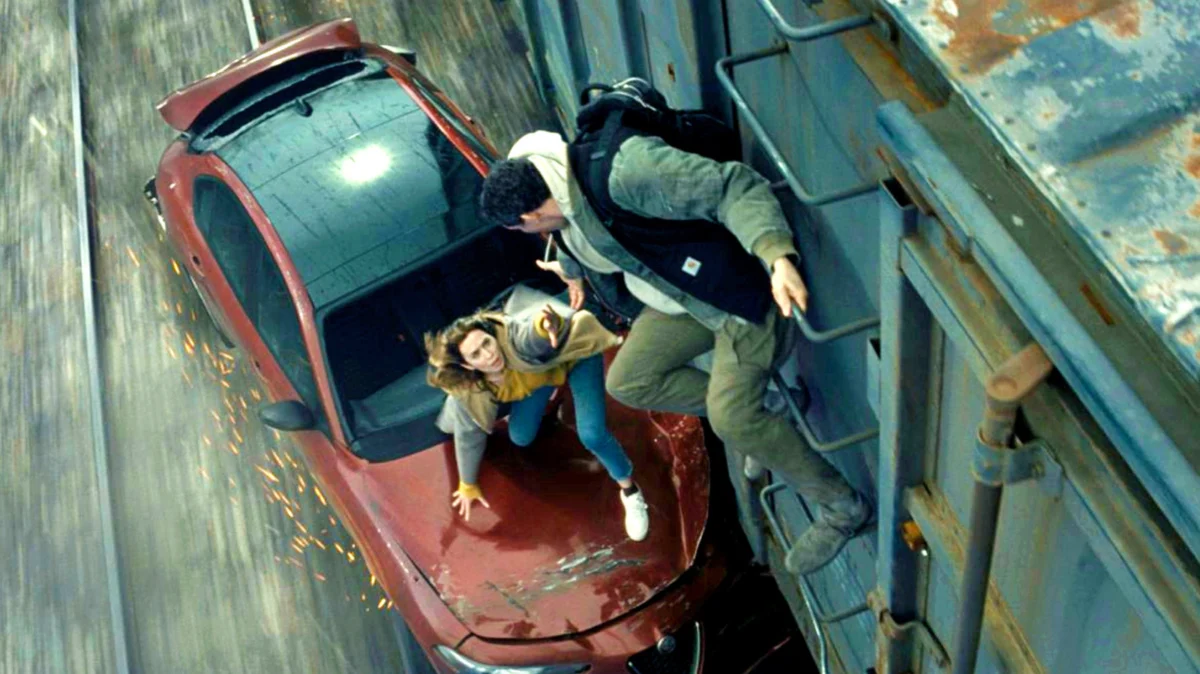
By Editorial Staff
In the vast landscape of modern cinema, few directors possess a visual vocabulary as distinct as Steven Spielberg. While the legendary filmmaker is rarely prone to overt self-referential fan service—a practice often reserved for the franchise-heavy blockbusters of the current era—he remains a quintessential auteur. His filmography is a tapestry of recurring motifs, thematic obsessions, and technical signatures, ranging from the iconic "Spielberg face" of awe-struck wonder to the kinetic, high-stakes choreography that defines his action sequences.
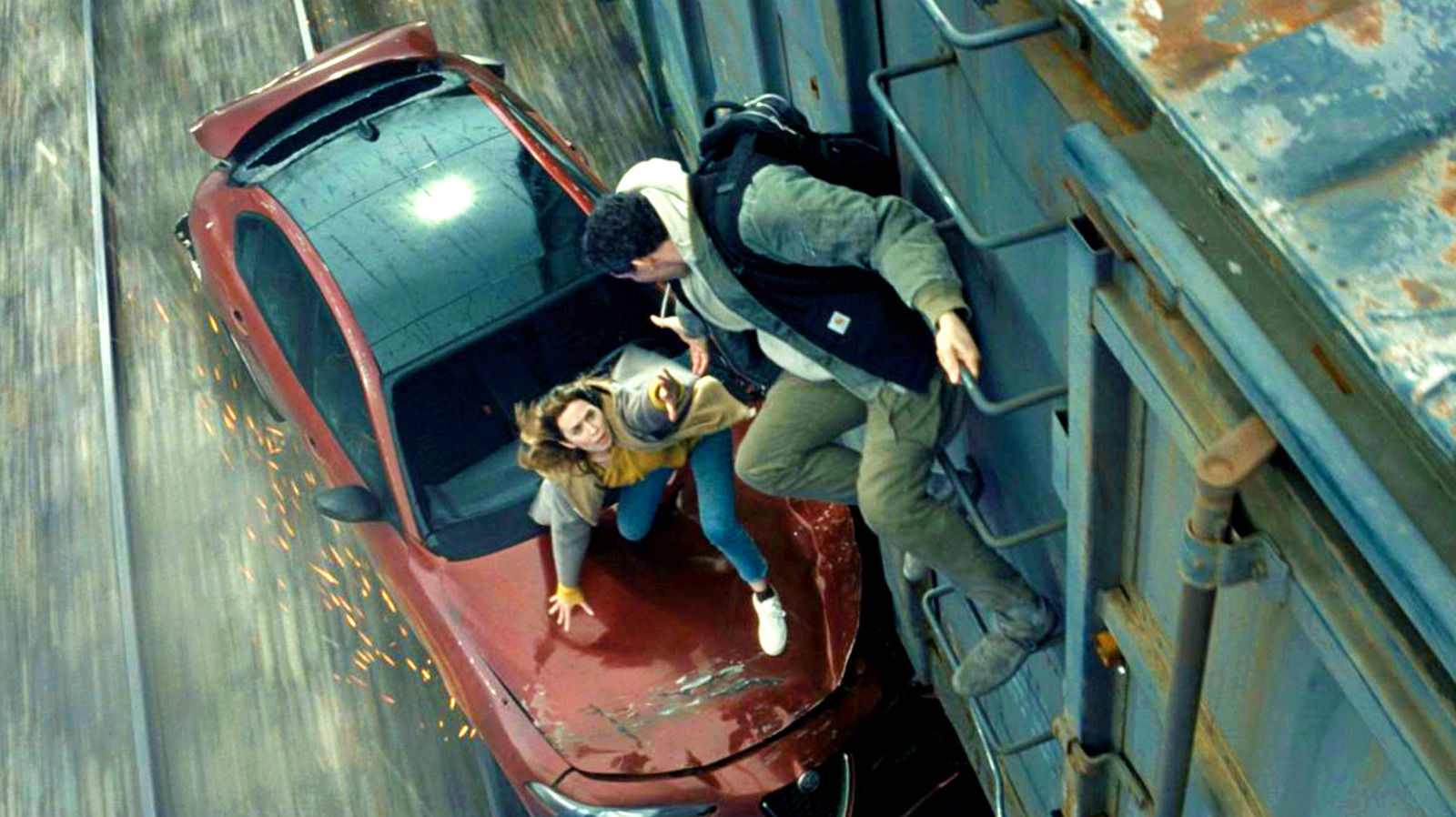
With his latest directorial effort, Disclosure Day, Spielberg has once again invited audiences to peer into his subconscious. The film, which follows the harrowing escape of whistleblower Daniel Kellner (Josh O’Connor) and his protector Margaret Fairchild (Emily Blunt), features a pulse-pounding set-piece that functions as more than just a suspenseful chase. It is a deliberate, chilling homage to the opening sequence of his 1989 classic, Indiana Jones and the Last Crusade.
A Chronology of Influence: From the Circus Train to the Instrument Car
To understand the weight of the sequence in Disclosure Day, one must look back to the foundational mythology Spielberg built for his most famous adventurer. In the prologue of The Last Crusade, a teenage Indiana Jones (portrayed by River Phoenix) finds himself trapped in a circus train, desperately attempting to escape pursuers. The scene culminates in a claustrophobic nightmare as Indy falls through a roof crawlspace and lands into a cargo vat teeming with slithering snakes. It is the moment that establishes his lifelong phobia, a visceral introduction to the danger that would define his adult life.
In Disclosure Day, the narrative echoes this trauma, albeit through a lens of psychological tension rather than supernatural adventure. Following a high-stakes extraction from the offices of the nefarious conglomerate Wardex, Margaret and Daniel are forced to flee into a moving locomotive. The sequence is structured with a rhythmic precision that mirrors the 1989 classic:
- The Infiltration: Much like young Indy, the protagonists are forced into a confined, moving vessel under extreme duress.
- The Sensory Overload: Where Indy encountered the sight and sound of snakes, Margaret and Daniel find themselves in a cargo car packed with delicate, high-tension musical instruments.
- The Psychological Break: The environment becomes a mirror for their inner states. As the train rattles, the shifting instruments produce a cacophony that mimics the "hissing" of the serpents in The Last Crusade, pushing Margaret into a dissociative panic attack.
Supporting Data: The Spielbergian Obsession with the Rail
The recurrence of train-based terror in Spielberg’s work is far from accidental. It serves as a narrative anchor, connecting the director’s earliest childhood fascinations with the polished, mature artistry of his later years.
As explored in his 2022 semi-autobiographical masterpiece, The Fabelmans, Spielberg’s obsession with the train—and specifically the train crash—is the "Big Bang" of his cinematic career. In the film, a young Sammy Fabelman (Mateo Zoryan) is so transfixed by the derailment sequence in Cecil B. DeMille’s The Greatest Show on Earth that he spends his childhood attempting to recreate the visceral impact of the collision using his father’s model train set.
This obsession has followed him for decades. By placing Disclosure Day’s climactic emotional turn within a train car, Spielberg is effectively closing a loop that began with his first camera. The instruments in the train car are not merely set dressing; they represent the fragility of order. When Daniel forces Margaret to touch the vibrating strings of a cello to ground her during her panic attack, he is not just calming her—he is engaging with the same tools of art that Spielberg uses to process his own childhood traumas.
Official Context: Decoding the "Fabelmans" Connection
While Universal Pictures has kept much of the production’s deeper symbolism under wraps, industry analysts suggest that Disclosure Day serves as a spiritual companion to The Fabelmans. According to production notes from the film’s development, the goal was to create a "thriller of the mind."
"Spielberg is interested in how the camera captures the transition from fear to focus," says film historian Dr. Elena Vance. "In The Last Crusade, the snakes represented the chaos of the world invading the safety of the boy. In Disclosure Day, the instruments represent the potential for harmony hidden within the chaos of the chase. It is the same visual language, but applied to the adult experience of gaslighting and corporate surveillance."
The sound design team behind the film has confirmed that the "slithering" audio effect applied to the instrument strings during the train scene was a deliberate choice. By layering the sound of vibrating wire over the metallic groans of the train, the filmmakers synthesized a soundscape that triggers an instinctive, primal fear—a technique Spielberg honed during the production of Jaws and The Last Crusade.
Implications: The Legacy of the Auteur
The homage in Disclosure Day raises significant questions about the nature of modern filmmaking. In an era where franchises are often rebooted or expanded by committees, Spielberg’s choice to reference his own past works—not for the sake of nostalgia, but for the sake of psychological depth—is a powerful statement.
The Evolution of the "Spielberg Face"
The "Spielberg face"—that moment of silent, wide-eyed realization—has evolved alongside his career. In Disclosure Day, the face is no longer just about witnessing dinosaurs or extraterrestrials. It is about witnessing one’s own internal architecture. When Margaret finds her grounding through the tactile sensation of the instruments, it serves as a meta-commentary on the power of cinema to act as a therapeutic tool for the director.
Cinematic Continuity
The implications for future Spielberg projects are clear: he is in a reflective, summation phase of his career. By weaving the DNA of The Last Crusade into a contemporary political thriller, he is challenging his audience to recognize that the "action" of a film is always secondary to the internal landscape of the character.
Ultimately, the secret homage in Disclosure Day confirms what critics have long suspected: Steven Spielberg is the primary subject of his own filmography. Whether he is directing a boy running from snakes in a circus train or a woman fighting for her life in a compartment of cellos, he is exploring the same fundamental questions: How do we survive the crashes of our past? How do we find music in the noise?
As Disclosure Day continues its theatrical run, audiences are finding that the film offers a rare, rewarding experience—one that demands not just a watchful eye, but a deep memory of the cinematic history that paved the way for this chilling, beautiful, and profoundly personal moment.


 Sagoh
Sagoh
 Nana Wu