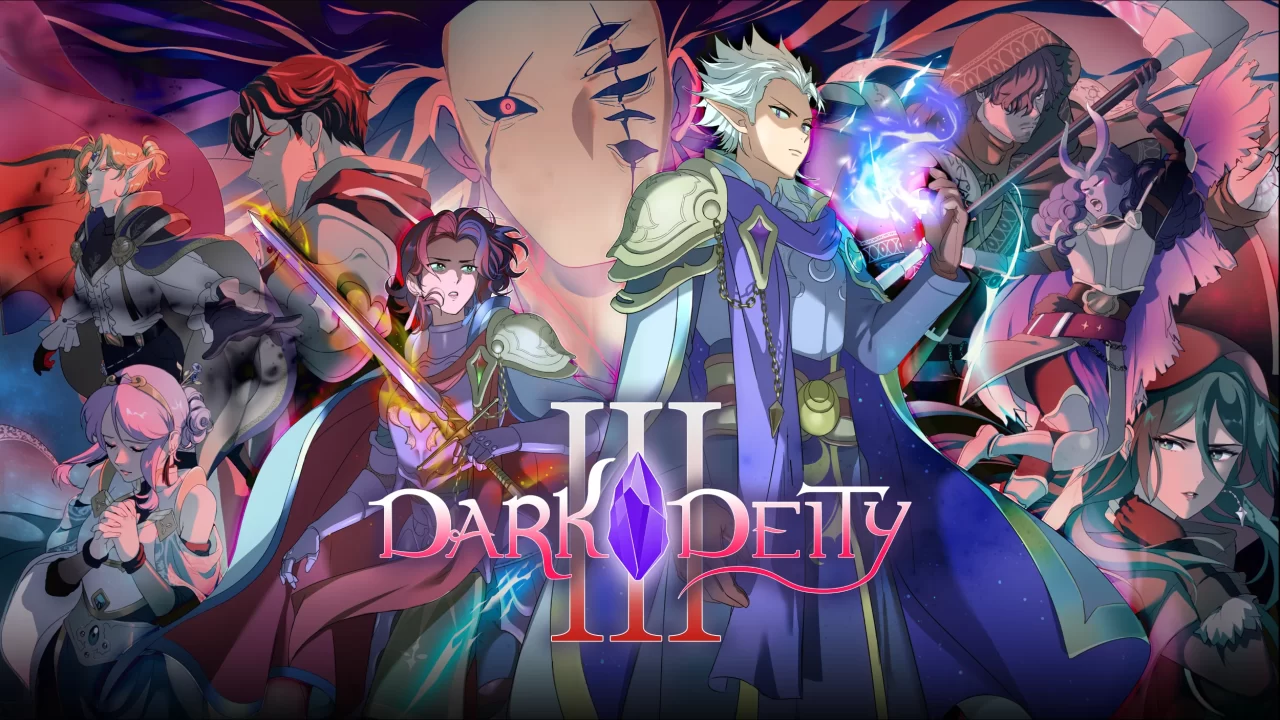
The landscape of tactical role-playing games (TRPGs) has been significantly shaped over the last few years by the rising profile of the Dark Deity franchise. During the recent IGN Live showcase, developer Sword & Axe finally pulled back the curtain on the project fans have been waiting for: Dark Deity 3. Revealed through a taut, atmospheric trailer that highlights both familiar faces and new threats, the announcement came with a definitive promise—this title will serve as the "dramatic conclusion" to the beloved three-game series.
For fans of the genre, the reveal is a major milestone. With the studio having refined its craft through two previous entries, Dark Deity 3 promises to be the culmination of years of iterative design, narrative growth, and community feedback.
A Legacy of Tactical Excellence: The Chronology of Dark Deity
To understand the weight of the Dark Deity 3 announcement, one must look back at the trajectory of the series. The original Dark Deity launched with the ambitious goal of capturing the magic of classic Game Boy Advance-era tactical RPGs, most notably the Fire Emblem series. While the first entry was met with a polarized reception—garnering praise for its systems but criticism for its pacing and technical polish—it established the core DNA of the franchise: deep character customization, challenging combat, and a world ripe for expansion.
The developers at Sword & Axe clearly listened to their audience. The release of Dark Deity 2 represented a massive leap forward for the studio. It smoothed out the rough edges of its predecessor, refined the mechanical depth of its unit management, and deepened the lore of the world of Terrazael. The game was so well-received that it earned an Editor’s Choice award from RPGfan, cementing its place as a staple of the modern indie strategy scene.
Now, with Dark Deity 3, the series returns to Terrazael, directly picking up the threads left behind by the second game. While it is possible for newcomers to jump in here, the narrative stakes are tied intimately to the previous entries, making a playthrough of the earlier titles highly recommended for those looking to fully appreciate the character arcs and world-building reach their climax.
The Looming Apocalypse: Story and Setting
Sword & Axe has provided a clear, evocative premise for this final chapter. The narrative centers on the "Eternal Order," an ancient faction that once again finds itself as the final bulwark against total civilizational collapse. As death cults begin to spread their influence across the continent of Terrazael, the world teeters on the brink of an extinction-level event.
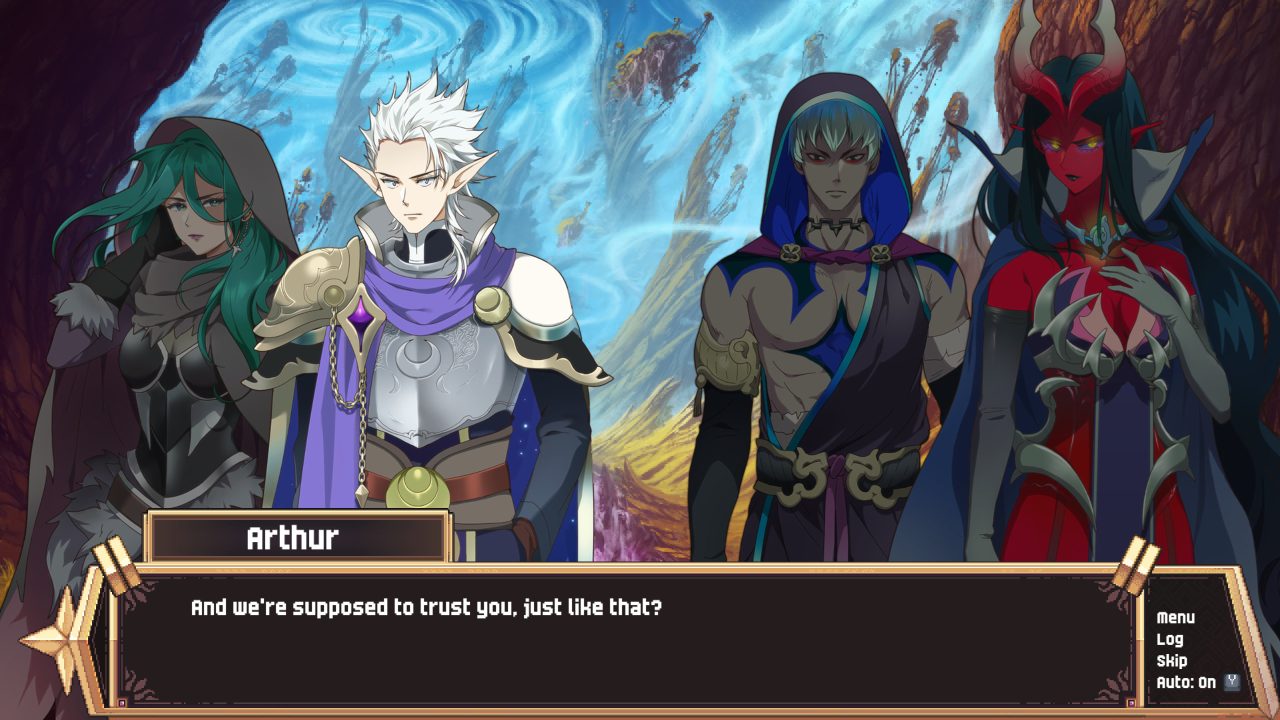
The plot is anchored by two central protagonists: Gwyn and Arthur Sildairan. As heirs to the Eternal Order, the siblings find themselves at the head of two distinct, critical campaigns:
- Gwyn’s Campaign: Commanding a formidable military force, Gwyn is tasked with the gritty, boots-on-the-ground work of hunting down and dismantling the death cults that are poisoning the land of Terrazael.
- Arthur’s Campaign: Simultaneously, Arthur leads a specialized expedition of scholars into the afterlife. Their mission is one of discovery and desperation, attempting to uncover the long-forgotten secrets of the gods themselves to find a way to halt the encroaching apocalypse.
This dual-narrative structure suggests a split-party dynamic that promises to keep players engaged across two very different fronts, mirroring the tactical and thematic variety the series is known for.
Strategic Depth and Mechanical Innovation
One of the most impressive aspects of the Dark Deity series has always been its "sandbox" approach to strategy. Rather than forcing players into rigid, predetermined paths, the games prioritize player agency. According to the developer’s official correspondence, Dark Deity 3 will push these systems further than ever before.
Key Gameplay Statistics
- Unit Roster: 28 unique, playable units, each with distinct backgrounds and combat capabilities.
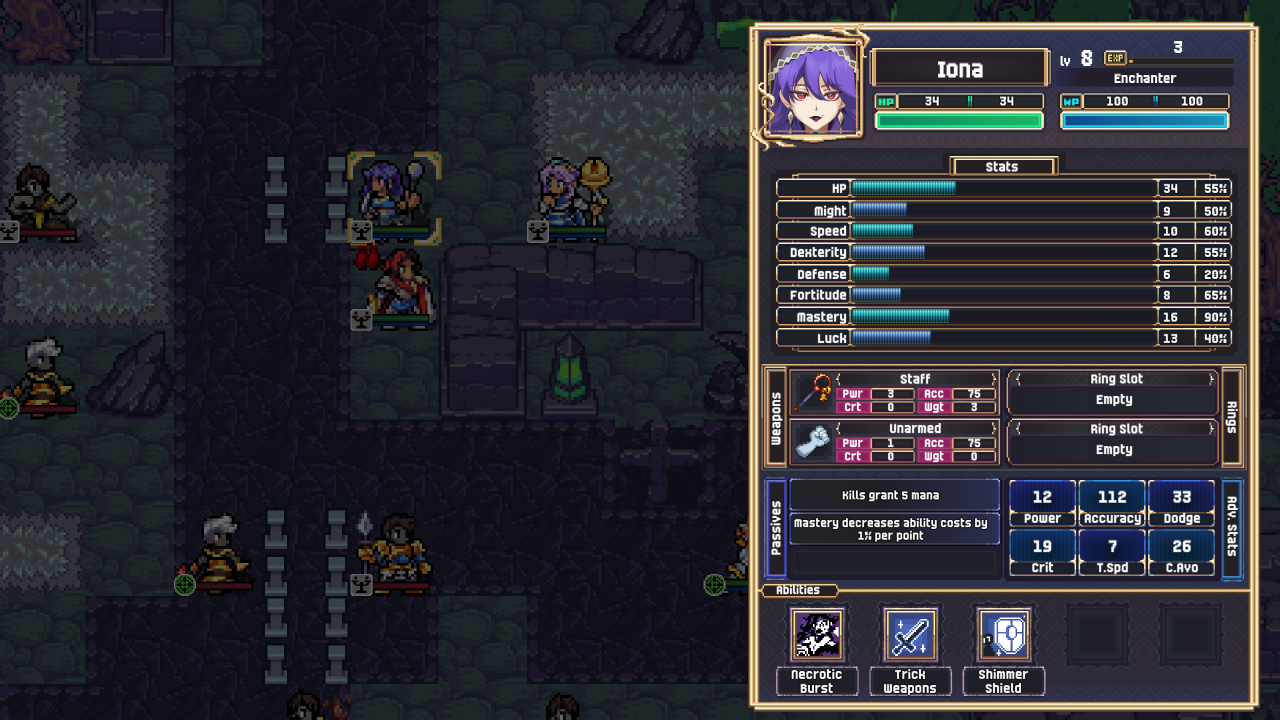
- Class System: 74 distinct classes available, allowing for deep horizontal progression and team-building strategies.
- Armory: Over 100 unique weapons, each providing different tactical advantages in the field.
- Synergy Building: More than 60 "build-defining" rings, which act as the keystone for character optimization.
This degree of complexity ensures that no two playthroughs are likely to feel the same. By combining these systems, players can experiment with hyper-specialized units or balanced squads, fostering a level of replayability that is essential for a game intended to be the definitive final entry in a trilogy.
Official Developer Insights: A Letter to the Fans
In conjunction with the announcement, Sword & Axe released an open letter to the community via their Steam page. In it, the developers expressed a profound sense of gratitude for the journey they have taken with their player base. They noted that Dark Deity 3 is not merely another sequel, but a "love letter" to the tactical RPG genre and the community that supported them from the early, experimental days of the first title.
The developers emphasized that the "dramatic conclusion" is not just a marketing hook; it is a design philosophy. Every mechanic, every story beat, and every character interaction has been calibrated to ensure that the trilogy ends on a high note. They highlighted that their focus has been on "meaningful choices"—the idea that a player’s decision in the early game should ripple outward, affecting the final state of the world of Terrazael in the end.
The Broader Implications for the TRPG Market
The announcement of Dark Deity 3 serves as a poignant reminder of the health of the independent tactical RPG market. For years, the genre was almost exclusively dominated by established giants like Nintendo’s Fire Emblem or Square Enix’s Tactics Ogre. However, the success of the Dark Deity series proves that there is a massive, underserved audience looking for traditional, grid-based strategy games that offer deeper customization than their mainstream counterparts.
If Dark Deity 3 manages to successfully bridge the gap between the accessibility of modern strategy titles and the hardcore, crunch-heavy systems of classic 90s and early 2000s RPGs, it could set a new benchmark for indie development. Furthermore, the decision to conclude the series after three games—rather than dragging the narrative out indefinitely—is a commendable move. It suggests a focus on narrative integrity, allowing the developers to deliver a tight, focused story that respects the player’s time and emotional investment.
Looking Toward the Future
Currently, Dark Deity 3 is confirmed only for PC via Steam, with no release date yet set. While some fans may be disappointed by the lack of a console announcement, there is significant cause for optimism. Both Dark Deity and Dark Deity 2 eventually made their way to the Nintendo Switch, suggesting that the studio is familiar with the process of porting their engine to handheld platforms. Given the turn-based, grid-heavy nature of the gameplay, the title feels perfectly suited for portable play.
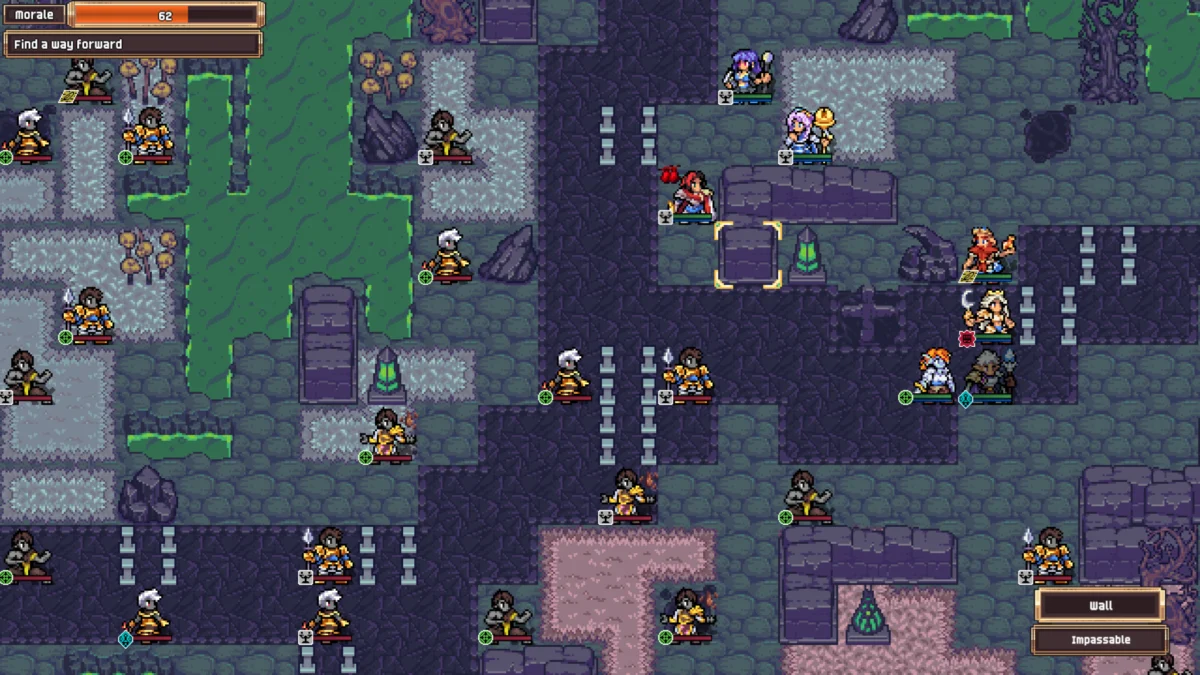
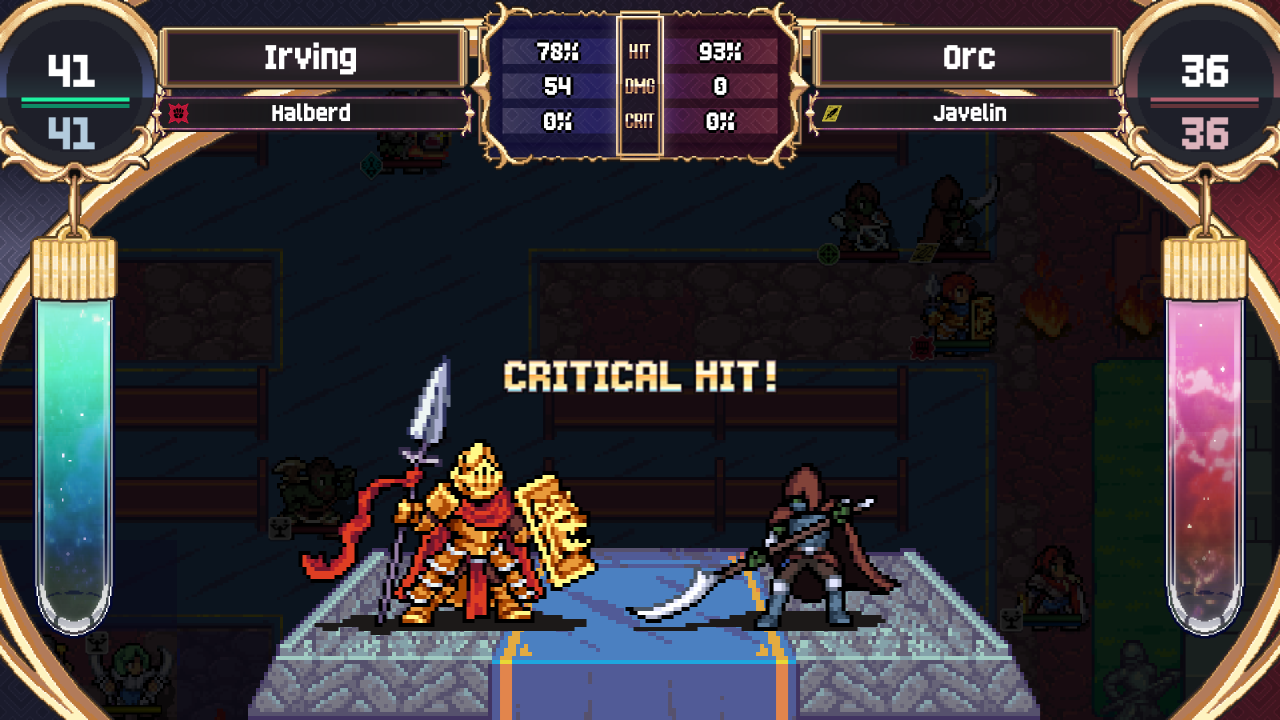
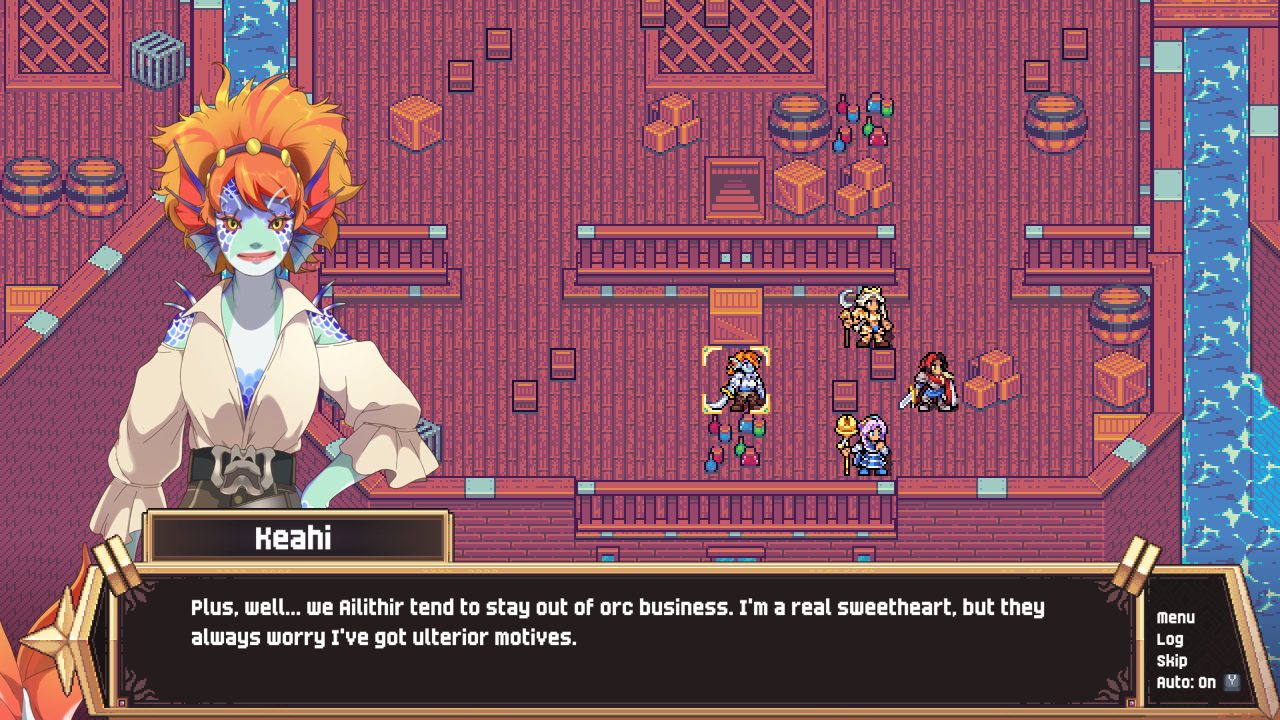
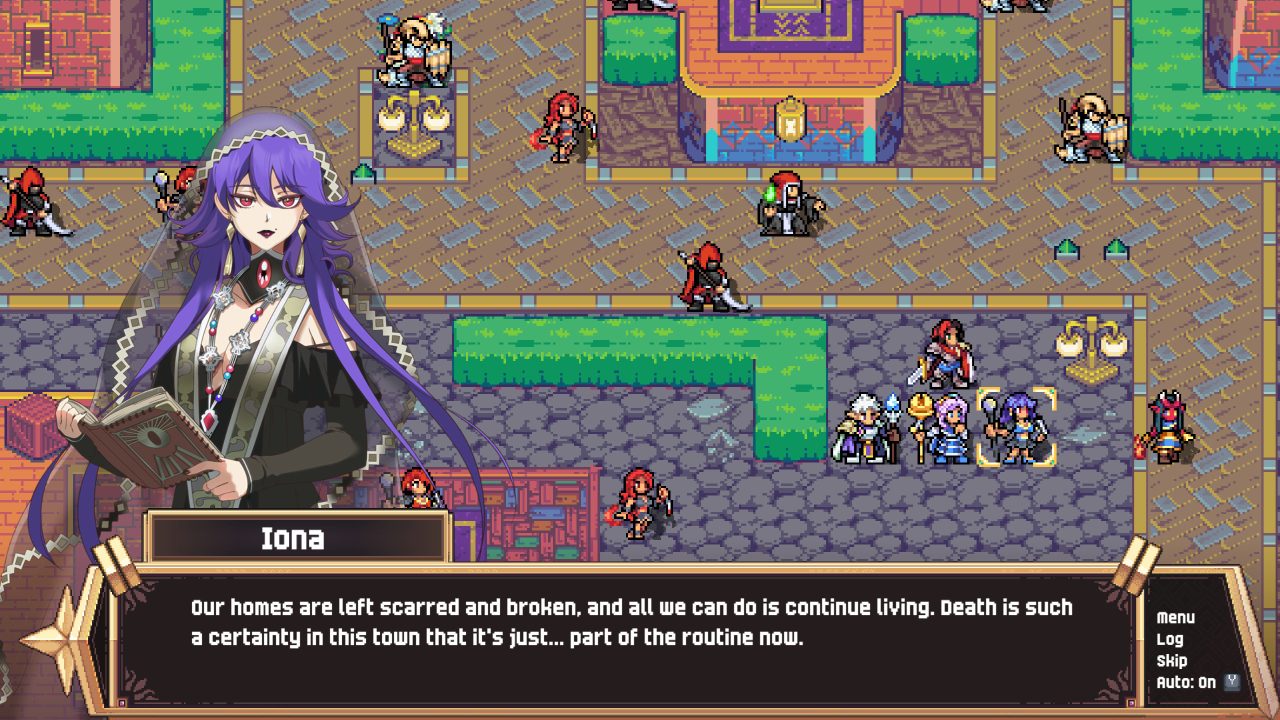
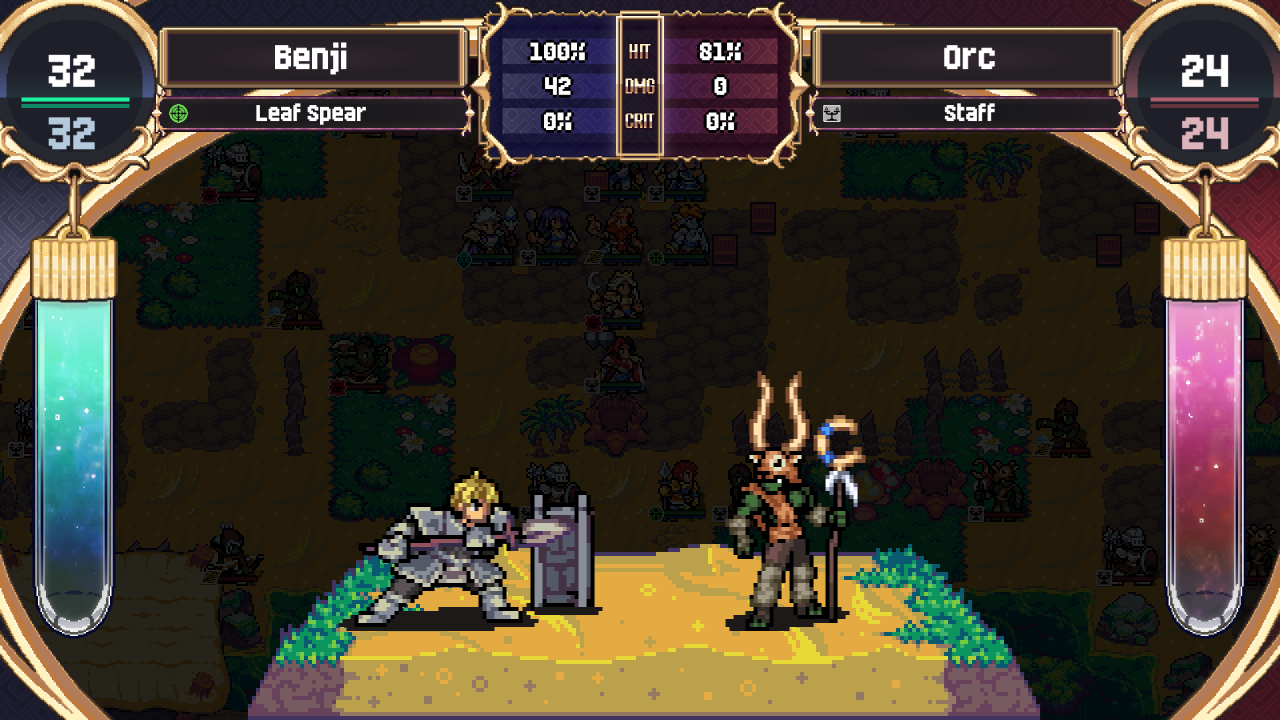
As we wait for further updates, the gaming community is already dissecting the provided screenshots. The art style continues to lean into the vibrant, high-fidelity pixel art that defined the second game, capturing a sense of nostalgia while maintaining the visual clarity required for a modern, complex strategy game.
Whether you are a veteran of the series who has been following the Sildairan siblings since the first battle, or a newcomer looking for your next obsession, Dark Deity 3 is shaping up to be one of the most significant tactical RPG releases on the horizon. The end of an era is approaching, but for fans of deep, rewarding strategy, the final campaign in Terrazael is likely to be a journey well worth taking. Keep your eyes on the official Steam page, as more details regarding the release window and potential platform expansions are expected to be announced in the coming months.