Jia Lissa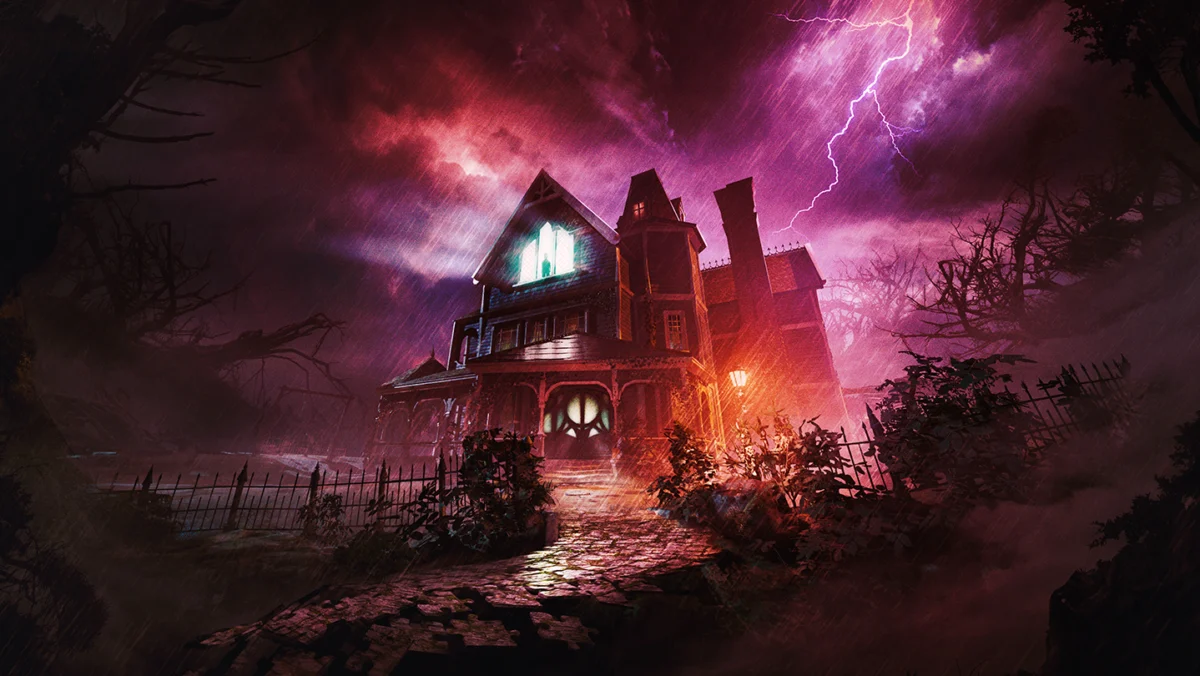
The virtual reality (VR) sector has long been touted as the next great frontier of digital entertainment, promising a paradigm shift in how we experience stories and gaming. However, that promise continues to face significant fiscal and structural headwinds. This week, the industry was dealt another blow as Vertigo Games—a prominent developer known for high-profile titles—officially announced the closure of its Amsterdam-based studio.
The closure serves as a stark reminder of the volatility currently gripping the VR market, highlighting the disconnect between the sector’s long-term potential and the short-term economic realities facing developers.
The Core Facts: A Strategic Retreat
The announcement, confirmed by Vertigo Games CEO Richard Stitselaar, marks the end of an era for the Amsterdam branch, which has been a key player in the studio’s portfolio. In a public statement, Stitselaar cited the “ongoing challenges in the VR industry” as the primary catalyst for the shutdown.
"This is not a decision we have taken lightly, and I want to acknowledge the impact it has on everyone at Vertigo Studios Amsterdam," Stitselaar stated. "Their creativity, dedication, and hard work have been invaluable, and our focus right now is supporting the team through this process."
While the Amsterdam office is closing, the status of Vertigo’s other global locations remains a point of industry scrutiny. The company maintains significant operations in Rotterdam, as well as offices in other parts of the Netherlands and Los Angeles. As of this writing, questions remain regarding how the parent company, Plaion (formerly Koch Media), plans to redistribute the workload or if further consolidation is on the horizon.
A Chronology of Growth and Contraction
To understand the significance of this closure, one must look at the trajectory of Vertigo Games over the last decade.
2015: The Origins as Force Field
The Amsterdam studio was originally founded as Force Field Entertainment in 2015. At the time, the VR market was in its nascent "gold rush" phase. The studio quickly established itself as a pioneer, focusing on immersive experiences that pushed the boundaries of early hardware.
2020: The Embracer Group Acquisition
The studio caught the attention of major industry conglomerates. In 2020, Koch Media—a subsidiary of the massive Swedish gaming holding company Embracer Group—acquired Vertigo Games for €50 million. This acquisition was part of a broader strategy by Embracer to corner the market on mid-tier development studios and niche technologies.
2021: Integrating Force Field
In 2021, Force Field Entertainment was fully absorbed into the Vertigo Games brand, becoming Vertigo Studios Amsterdam. This move was intended to streamline operations and leverage the specialized talent in the Netherlands to build high-end VR software.
2022: Rebranding to Plaion
As part of an internal restructuring, Koch Media rebranded as Plaion in 2022. The intent was to shed the old "Koch" identity and project a more modern, global image. However, this rebranding coincided with the beginning of a cooling period for the VR industry at large.
2024: The Unavoidable Closure
After producing notable titles such as Metro Awakening, The 7th Guest Remake, and Thief VR: Legacy of Shadow, the studio has been shuttered. The decision highlights how even companies with strong IP portfolios and corporate backing are not immune to the cooling demand for VR-specific hardware and software.
The VR Landscape: A Pattern of Retrenchment
The closure of the Amsterdam studio is not an isolated event; rather, it is a piece of a larger, systemic puzzle. The VR industry has spent the last 24 months in a state of recalibration.
The "Reality Labs" Reality Check
Meta, the parent company of the Quest headset line, has been the most aggressive investor in VR. However, their division, Reality Labs, has faced intense scrutiny from shareholders due to the staggering losses it continues to report. In an effort to stabilize, Meta has conducted significant layoffs. Reports indicate a 10% reduction in the Reality Labs workforce, alongside broader layoffs totaling approximately 700 employees across various divisions. These cuts signal that even the "big players" are pulling back on aggressive R&D spending.
Platform and Studio Struggles
The ripple effects are visible across the board:
- Rec Room: The popular social VR platform, once considered a cornerstone of the metaverse movement, announced it would be shutting down its core services by June 2026, pivoting away from its original vision.
- Polyarc Games: The studio behind the acclaimed Moss series recently announced layoffs affecting 30 employees, citing the need to "survive" in an increasingly difficult market.
These data points suggest a "VR Winter"—a period where the initial hype has evaporated, leaving only those companies with massive cash reserves or ultra-efficient business models to survive.
Implications for the Future of VR
What does the closure of a specialized studio like Vertigo Amsterdam mean for the future of virtual reality?
1. The Death of the "Mid-Tier" Developer
For years, the VR ecosystem was supported by mid-tier studios capable of creating high-quality, 10-to-15-hour experiences. As hardware adoption rates stagnate and the cost of development rises, these studios are being squeezed out. The market is increasingly polarizing into "indie" (low budget) or "AAA" (massive budget) experiences, leaving little room for the middle class of game development.
2. A Shift in Funding Priorities
Venture capital and corporate investment in VR have shifted toward AI and AR (Augmented Reality). Companies are increasingly viewing the "Metaverse" as a long-term, multi-decade play rather than a near-term revenue generator. This change in philosophy makes it harder for specialized studios to secure the funding necessary to sustain long-term development cycles.
3. The Need for Hardware Integration
The VR industry is currently waiting for the next "killer app" or a major hardware breakthrough that makes headsets as comfortable and ubiquitous as smartphones. Until that technological threshold is crossed, developers are finding it increasingly difficult to convince the general public to invest in expensive hardware, thereby shrinking the potential total addressable market (TAM) for their games.
Looking Forward: Supporting the Talent
While the closure of Vertigo Studios Amsterdam is a significant blow to the Dutch game development scene, the talent within that studio remains a vital resource. The industry is currently witnessing a trend of "distributed expertise," where experienced developers from shuttered studios move into other sectors, such as simulation, industrial training, or standard flat-screen game development.
Stitselaar’s focus on "supporting the team" is a sentiment echoed across the industry. When a studio closes, the loss of human capital—the institutional knowledge of how to build for VR—is perhaps the most damaging aspect for the medium’s future growth.
Conclusion
The closure of Vertigo Studios Amsterdam is a sober reflection of the state of the VR market. It is not necessarily an indictment of the quality of the games produced—titles like Metro Awakening were well-received—but rather an indictment of the current economic climate in which these studios operate.
For VR to thrive, the industry must bridge the gap between niche enthusiast appeal and mainstream necessity. Until then, we are likely to see further consolidation and closures as the market shakes out the companies that cannot withstand the high costs and slow growth rates associated with virtual reality. As the industry recalibrates, the legacy of studios like Vertigo Amsterdam will serve as both a lesson and a reminder of the immense challenges involved in building a new reality.

 Laily UPN