Asro
Asro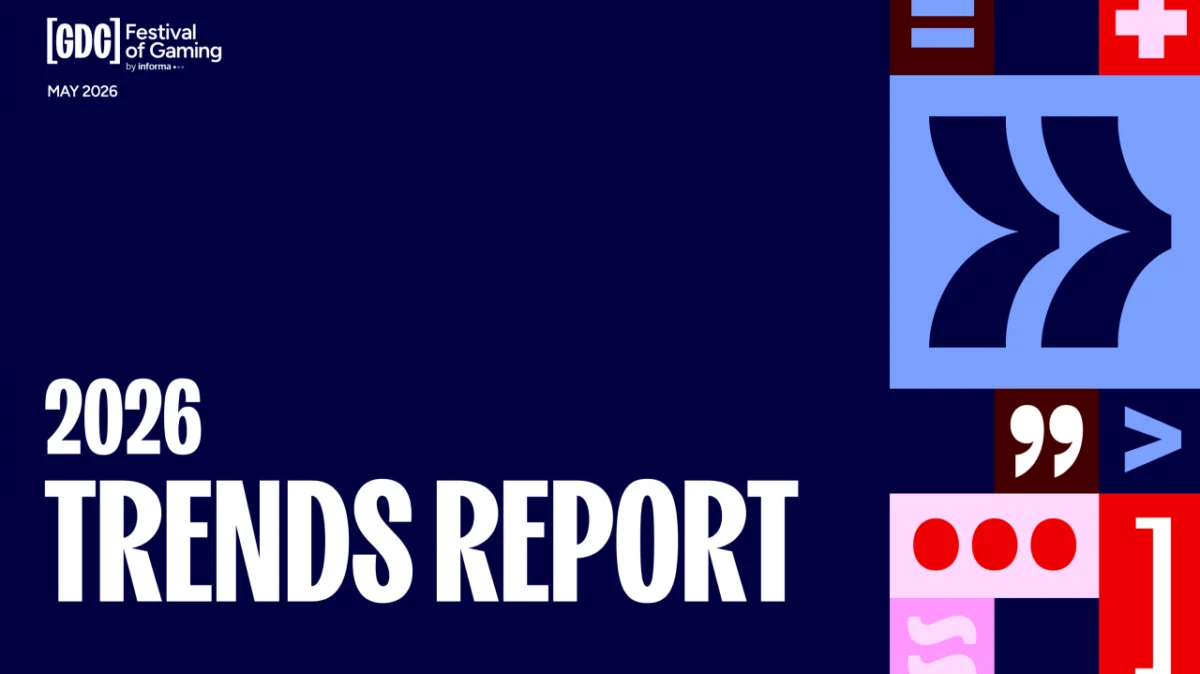
The 2026 GDC Festival of Gaming has officially unveiled its second annual "Trends Report," a comprehensive document that serves as a diagnostic tool for the modern video game industry. As the sector navigates a period defined by rapid technological shifts, economic headwinds, and significant demographic friction, the findings paint a picture of a workforce resilient yet strained, innovative yet deeply concerned about its structural future.
From the integration of generative AI to the complex evolution of co-development and the persistent mental health crisis, the report offers a granular look at the forces shaping the next generation of interactive entertainment.
1. Main Facts: The New Pillars of Industry Discourse
The 2026 GDC Trends Report identifies five primary pillars currently defining the professional landscape:
- Generative AI Integration: The industry is moving past the "novelty" phase of AI and into a phase of pragmatic implementation, focusing on routine task automation while debating ethical boundaries.
- The Rise of Co-Development: Co-development has matured from a stop-gap measure into a foundational business model, with more teams prioritizing deep collaboration over traditional, transactional outsourcing.
- Monetization Bifurcation: The mobile gaming sector is increasingly leaning into "dual monetization" (in-game ads paired with IAP), while regulatory shifts are forcing a move toward direct-to-consumer payment models.
- The Capital Crunch: Securing funding and publishing partnerships has become significantly more difficult, leading to a resurgence of interest in self-publishing.
- Advocacy and Structural Equity: The industry is grappling with a widening gap between stated diversity goals and the rise of anti-DEI policies, alongside a growing movement for professional self-advocacy.
2. Chronology: How We Arrived at 2026
The current climate did not materialize overnight. The industry has traveled a volatile path over the last 24 months:
- Early 2024: The industry began to grapple with the "AI Gold Rush." Initial excitement was met with widespread fear regarding job displacement, particularly in entry-level art and writing roles.
- Late 2024–2025: High-profile layoffs swept through the AAA sector, leading to a widespread cooling of investment capital. Studios that once relied on "growth at all costs" were forced to pivot to sustainable, lean operations.
- Mid-2025: Regulatory interventions—most notably the court rulings against Apple’s restrictive App Store payment policies—began to reshape how developers generate revenue, empowering them to bypass traditional gatekeepers.
- Early 2026: The GDC Trends report reflects a mature, albeit cautious, industry that has moved from reacting to these shocks to institutionalizing new workflows to manage them.
3. Supporting Data: The Technical and Economic Landscape
The AI Paradox
The report reveals a fascinating generational and professional divide regarding AI. While 36% of the industry reports using generative AI, support is highest among older professionals and neurodivergent developers, who often utilize these tools to handle administrative overhead, project planning, and documentation.
Crucially, the report highlights the potential of "agentic AI." Unlike simple generative models, these systems can manage bug tracking, provide player support, and assist in complex coding workflows. Analysts suggest that if properly implemented, agentic AI could reduce the ballooning costs of AAA development—a primary driver of the industry’s recent instability.
The Shift to Co-Development
Data from the 2026 State of the Game Industry Report indicates that 6% of studio employees now work at dedicated co-development firms. This is a marked shift from the traditional outsourcing model. Developers stated that co-dev allows for "greater creative input" and involvement in the "foundational parts" of a game’s architecture. However, this growth has created a hyper-competitive market, making it increasingly difficult for new, smaller co-dev teams to land long-term, stable contracts.
The Financial Squeeze
The report highlights a sobering reality for independent developers: the traditional publisher-developer model is under severe pressure. With risk-aversion at an all-time high, publishers are demanding higher equity and control, pushing studios toward self-publishing. While self-publishing grants creative autonomy and avoids the "publisher tax," it leaves studios vulnerable by stripping away essential support structures like global marketing, localized testing, and robust QA—services that are often out of reach for smaller teams.
4. Official Responses and Industry Sentiment
The discourse surrounding these trends is characterized by a mix of technological optimism and deep-seated anxiety.
On AI and Ethics: Industry leaders have emphasized that AI should be viewed as an "augmentative layer" rather than a replacement for human creative labor. There is a strong consensus that the industry must establish clear ethical guidelines to ensure that AI-driven efficiency does not lead to the erosion of the human workforce.
On Equity and DEI: The report includes pointed criticism of the shift toward so-called "merit-based" systems. Advocacy groups within the industry argue that these systems often serve as a veneer for the dismantling of DEI (Diversity, Equity, and Inclusion) policies. Critics point out that these systems fail to account for the systemic disadvantages faced by marginalized developers, particularly those within the LGBTQ+ community, who often start their careers with fewer institutional resources and networks.
On Ageism: For the first time in recent years, the report explicitly addresses ageism. Older developers reported significant pressure to transition into managerial or executive roles, noting that they are frequently deemed "overqualified" for creative contributor positions. This represents a significant brain-drain risk, as the industry loses decades of technical expertise.
5. Implications: The Human Cost of Innovation
Perhaps the most alarming data point in the 2026 report concerns the human element. A mental health study conducted in conjunction with the findings revealed that only 20% of developers report good or very good mental health. Even more concerning, 94% of respondents reported experiencing at least one symptom of burnout.
The Infrastructure Problem
The report characterizes the current struggles of individual developers—access to funding, lack of professional visibility, and mental health decline—as an "infrastructure problem." The industry has scaled in size, but its support systems have not kept pace.
As studios attempt to navigate the shift toward smaller, more nimble development cycles, the burden is falling increasingly on individual contributors. Without a structural change in how studios manage project timelines and how publishers provide support, the report warns that the current pace of innovation may be unsustainable.
Looking Ahead
The path forward for the gaming industry, as outlined by the GDC, lies in finding a balance between the efficiency of agentic AI and the necessity of human oversight. The growth of co-development suggests that the future of game design is collaborative, yet the fragility of the funding landscape suggests that the "business of games" remains in a state of flux.
Ultimately, the 2026 GDC Trends Report serves as a call to action. Whether it is through the unionization efforts gaining traction in the US or the push for more equitable hiring and retention practices, the industry is clearly signaling that it is no longer content to let market forces dictate the quality of life for its creators. The next twelve months will likely be defined by how well the industry can translate these insights into concrete, structural policy changes.



 Nana Wu