Ali Ikhwan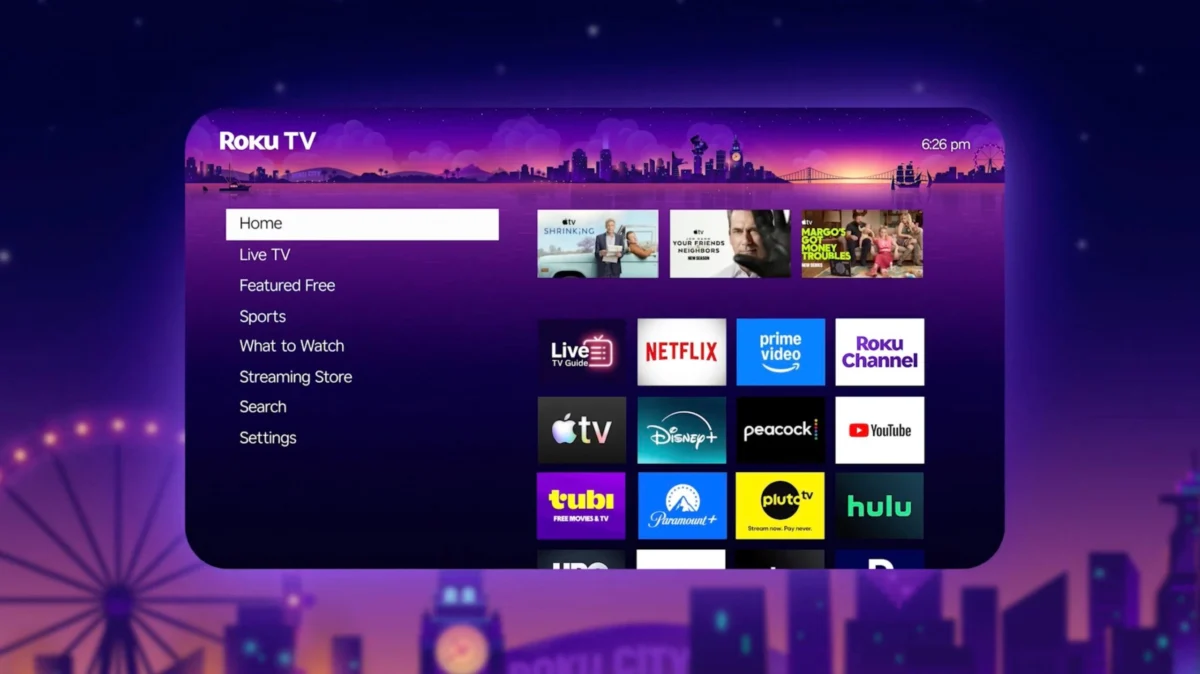
In a move that promises to redefine the landscape of digital entertainment, media powerhouse Fox Corporation has announced a definitive agreement to acquire Roku, Inc. in a transaction valued at approximately $22 billion. The deal, which marks one of the most significant consolidations in the history of streaming, unites one of the industry’s most prolific content creators with the architect of the modern connected-TV (CTV) experience.
The acquisition, slated to close in the first half of 2027 pending regulatory approval, represents a fundamental pivot for Fox. Having shed much of its traditional entertainment portfolio to Disney in years past, the company is now doubling down on a strategy defined by live news, sports, and the massive, data-rich ecosystem of ad-supported streaming.
The Financial Architecture of the Deal
Under the terms of the agreement, Fox will acquire Roku for $160 per share, utilizing a strategic blend of cash and stock. For investors, the price point represents a significant milestone for a company that has spent two decades navigating the volatile waters of the streaming wars.

The transaction is expected to yield substantial synergies. By integrating Roku’s expansive distribution network—spanning over 100 million households—with Fox’s robust content library, the merged entity aims to unlock hundreds of millions of dollars in annual cost savings. More importantly, it creates a vertically integrated powerhouse capable of controlling both the “pipe” (the operating system) and the “water” (the content and the advertising inventory).
A Chronology of a Streaming Giant
To understand the significance of this acquisition, one must look at the trajectories of both companies over the last decade.
- 2008: Roku launches the first-ever Netflix player, effectively inventing the standalone streaming device category.
- 2017: Roku goes public on the Nasdaq, signaling its transition from a niche hardware maker to a global software platform.
- 2019-2020: As the “streaming wars” heat up, Roku pivots heavily toward ad-supported video on demand (AVOD), launching The Roku Channel.
- 2020: Fox acquires Tubi for $440 million, establishing a foothold in the free, ad-supported television (FAST) space.
- 2025: Roku hits a financial turning point, reporting its first full year of profitability with a net income of $88.4 million on $4.74 billion in revenue.
- June 2026: Fox Corporation announces its intent to purchase Roku for $22 billion, initiating the final stage of the platform’s independence.
Why Own a Show When You Own the Screen?
The core logic behind this acquisition can be summarized by a growing industry mantra: "Control the interface." For years, media companies were forced to pay a "rent" of sorts to reach viewers on platforms like Roku, Amazon Fire TV, and Apple TV. By acquiring Roku, Fox effectively eliminates this middleman friction.

Roku’s value lies not just in its hardware, but in its operating system (Roku OS) and the immense depth of viewer data it possesses. With over 100 million monthly active users, the platform offers an unparalleled look at consumer behavior. Fox, which already commands massive audiences through its news and sports divisions, will now possess the ability to hyper-target advertising across its entire ecosystem, from the initial splash screen on a television to the specific ad breaks during a live game.
The Strategy Behind the Move
Fox’s leadership has been vocal about its vision for a future where live television and streaming coexist under a single, seamless digital umbrella. By bringing Roku into the fold, Fox gains the following strategic advantages:
1. Expanded Advertising Inventory
The combination of Tubi—which already boasts 100 million monthly users—and The Roku Channel creates a FAST service behemoth. This scale gives Fox the ability to negotiate significantly higher ad rates and offer advertisers a broader reach than almost any other competitor in the streaming space.

2. Ecosystem Dominance
Roku is not merely an app; it is a gatekeeper. By controlling the home screen, Fox can prioritize its own content, promote its streaming services, and gather granular data on what audiences are watching, when they watch it, and which ads keep them engaged.
3. Structural Cost Savings
Operating a standalone streaming platform is expensive, particularly regarding R&D and cloud infrastructure. By merging the backend technologies of Tubi and Roku, Fox expects to streamline operations, reducing the overhead that historically hampered the profitability of streaming-first companies.
Official Responses and Corporate Governance
Despite the magnitude of the acquisition, both companies have moved quickly to reassure the market and the public. A primary concern among analysts was whether Fox would “close” the platform, potentially limiting the availability of competitor services like Netflix, Hulu, or Disney+.

Fox has officially stated that Roku will continue to operate as an open platform. The company intends to maintain the third-party app ecosystem that has made Roku a household staple.
Furthermore, continuity is a key theme of the transition. Roku founder and CEO Anthony Wood is expected to stay on in an advisory capacity, and he has been tapped to join the Fox Corporation board of directors. This move is designed to appease shareholders and maintain the institutional knowledge required to navigate the complex software ecosystem that powers the Roku experience.
The Implications for the Streaming Landscape
The acquisition of Roku marks the end of an era. Roku was one of the last remaining independent, pure-play streaming giants. Its decision to sell to a legacy media company like Fox underscores a harsh reality of the streaming era: scale is survival.

Impact on Consumers
For the average user, the short-term impact will likely be negligible. Your Roku device will still stream the same apps, and the interface will remain familiar. However, in the long term, users may see an increased emphasis on Fox-branded content, more integrated advertising, and potentially a more aggressive "bundling" of services as Fox attempts to turn the Roku home screen into a one-stop-shop for its entire digital portfolio.
Impact on Competitors
Companies like Google (Android TV), Amazon (Fire TV), and Samsung (Tizen) now face a more formidable, vertically integrated competitor. Fox is no longer just a content supplier; they are now the "landlord" of the living room. This creates an immediate arms race as other media conglomerates may feel pressured to either acquire their own distribution platforms or form tighter alliances with existing hardware manufacturers to prevent being relegated to the bottom of the app menu.
The Regulatory Hurdle
While the companies are optimistic, the deal will face intense scrutiny from federal regulators. Given the sheer amount of user data involved and the power the combined entity would have over the flow of information and entertainment in the U.S., the Department of Justice and the Federal Trade Commission will likely conduct an extensive review. The key question for regulators will be whether this deal creates an unfair playing field for other streaming services that rely on Roku for distribution.

A New Chapter for Television
As we look toward 2027, the Fox-Roku deal represents a watershed moment. It confirms that the future of television is not just about the quality of the content produced in a studio, but the efficiency of the delivery system in the living room.
Fox is betting $22 billion that the "platform" is the most valuable asset in the modern media economy. As the lines between tech companies and media companies continue to blur, this acquisition stands as a testament to the fact that in the streaming age, the screen itself is the ultimate prize.
Whether this merger succeeds in creating a more efficient and profitable streaming giant or triggers a wave of anti-trust litigation remains to be seen. What is certain is that the television remote—and the interface it controls—has never been more powerful, or more contested, than it is today.


 Asro
Asro
 Rifan Muazin