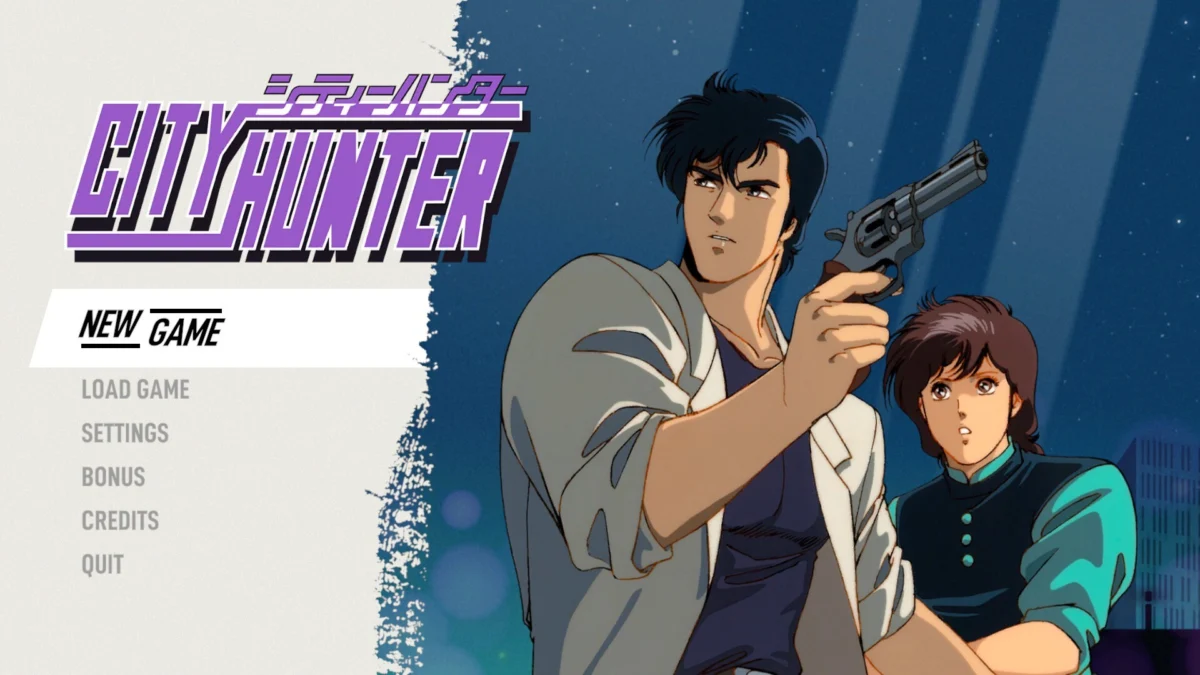
In an era where the video game industry has become obsessed with the reclamation of its own history, the digital archaeology of “lost” titles has become a standard practice. Developers and publishers are racing to bring obscure, Japan-exclusive gems to Western audiences through modern ports, collections, and emulated re-releases. The latest entry in this trend is the 1990 classic City Hunter, which has finally made its way to the Nintendo Switch. While the release is a triumph of digital preservation and a love letter to the iconic manga and anime franchise, it serves as a stark reminder of a difficult truth: not every piece of history is meant to be played, even if it is worth remembering.
A Legacy Reclaimed: The Context of City Hunter
For those unfamiliar with the cultural footprint of the source material, City Hunter is a titan of 1980s and 90s manga, created by Tsukasa Hojo. Centered on the exploits of Ryo Saeba, a legendary “sweeper” (a private investigator and bodyguard) operating in the gritty underbelly of Tokyo, the series was defined by a unique blend of hard-boiled action, high-stakes mystery, and a pervasive, slapstick humor that was emblematic of its time.
When the original City Hunter title launched in 1990, it was intended to capitalize on the massive success of the anime adaptation. For over three decades, the game remained a Japanese exclusive, shrouded in the mystique that often surrounds imported titles that never crossed the Pacific. Its arrival on the Nintendo Switch in 2026 is, therefore, a significant event for hardcore retro enthusiasts. It represents the closure of a gap in gaming history, allowing Western fans to finally experience a title that has been a footnote in import guides and enthusiast forums for years.
Chronology: From Arcade Halls to Modern Consoles
To understand why the game feels the way it does, one must look at the landscape of 1990. The action genre was dominated by side-scrolling shooters and brawlers—titles like Rolling Thunder and Shinobi set the standard for what players expected. City Hunter attempted to replicate this formula, casting the player as Ryo Saeba as he navigates a multi-chapter conspiracy involving a shadowy corporation.

The game is structured across three distinct chapters, each tasking the player with infiltrating sprawling, multi-level architectural environments. The player is expected to run, jump, climb, and dispatch enemies with a variety of weapons. However, the development cycle of the era—often rushed to coincide with anime broadcast windows—is evident. While the game was a decent enough diversion for a Japanese gamer in 1990, the intervening 36 years have not been kind to its mechanical foundation.
In 2026, the publisher has packaged this title with the care typically reserved for high-end legacy collections. The release includes:
- The Original ROM: A faithful recreation of the 1990 experience.
- The Enhanced Version: A modernized iteration featuring adjusted enemy behaviors, intended to mitigate some of the original’s most egregious design flaws.
- Hard Mode: For those seeking an extra layer of punishment.
- Modern QoL Tools: Including rewind functionality, save states, and a comprehensive digital museum.
The Mechanical Divide: Why the Game Struggles
The fundamental problem with City Hunter is that it was designed for a specific type of arcade-style frustration that modern audiences are rarely willing to endure. The level design is a masterclass in repetition; players are frequently funneled through corridors that look identical to the ones they traversed minutes prior. This creates an environment where navigation becomes a chore rather than a challenge.
Furthermore, the game suffers from a lack of "telegraphing." In modern action games, enemy placement is deliberate and predictable, allowing players to learn patterns. In City Hunter, enemies often appear at the edge of the screen or immediately upon exiting a door, leaving the player with mere milliseconds to react. This is not a test of skill; it is a test of memorization through failure—the dreaded "trial-and-error" design that defined the worst of the 8-bit and 16-bit eras.

While the "Enhanced Version" does make adjustments to enemy spawn points and movement, the core loop remains tedious. The combat is functional—it works—but it lacks the fluidity and impact that gamers expect today. By 2026, the industry has moved toward precision, agency, and rewarding combat feedback. City Hunter offers none of these, leaving the player to wonder if the developers were aiming for challenge or simply padding the game’s length through cheap, unavoidable damage.
The Curatorial Effort: A Presentation Win
Where the release truly succeeds is in its presentation. The developers have clearly treated the source material with reverence. The digital gallery, filled with production art, character sketches, and detailed bios, provides a window into the creative process of the early 90s. The inclusion of the original, gritty synth-heavy soundtrack allows fans to soak in the atmosphere of the City Hunter world, even when the gameplay makes them want to quit.
This is where the distinction between "a good game" and "a good product" becomes apparent. As a historical document, this package is impeccable. It provides context for the anime, serves as a time capsule for 1990s character design, and offers a look at how anime adaptations were handled before the era of high-budget cinematic games. For the hardcore fan, this is a treasure trove. For the casual player, it is an entry in a list of games that are better read about than actually played.
The Implications of Preservation
The release of City Hunter brings up a crucial question for the industry: what is the responsibility of those preserving games? If we preserve only the "great" games, we lose the context of the average, the flawed, and the experimental. However, as this title proves, preservation does not equate to endorsement.

The humor in City Hunter, which was considered standard for the genre in 1990, has aged particularly poorly. Its reliance on crude gags and dated character tropes—many of which would not fly in modern media—serves as a reminder that the franchise was a product of a very specific, and now distant, cultural moment. While it is important to preserve these elements for historical accuracy, they contribute to a feeling of alienation for the modern player.
The industry must grapple with the fact that these games are often being sold to a new generation of players who do not share the nostalgia of the original audience. When a company markets a retro game as a "lost classic," they risk misleading a public that expects a hidden gem. City Hunter is not a hidden gem; it is a historical curiosity. It explains perfectly why, in the global market of the 1990s, this particular title was left behind.
Conclusion: A Lesson for the Future
The City Hunter re-release is a fascinating case study. It proves that a game can be an absolute disaster in terms of playability and yet remain a valuable asset to the gaming ecosystem. By making the game accessible on the Nintendo Switch, the publishers have allowed us to judge the title for ourselves, stripping away the mystery and replacing it with the cold, hard reality of its design.
If you are a student of gaming history, an archivist, or a die-hard fan of Ryo Saeba, this release is a must-have. It is a beautifully packaged, well-documented look at a bygone era. However, if you are looking for a satisfying action game to fill your weekend, you would be better served looking elsewhere. City Hunter reminds us that while we should fight to preserve the history of our medium, we should also be honest about which parts of that history are worth repeating—and which parts are best left in the vault.