In the contemporary art landscape, where grand narratives and intellectual abstraction often dominate the gallery space, Minneapolis-based painter Sara Suppan offers a refreshing, intimate alternative. A 2015 BFA graduate from the Minneapolis College of Art and Design (MCAD), Suppan has carved out a unique niche that bridges the gap between the high-minded traditions of oil painting and the offbeat, often chaotic, imagery of everyday life. Her work, which she describes as a "little wave hello," is a masterclass in balance—navigating the precarious tightrope between profound technical skill and the unapologetic absurdity of the modern domestic experience.
Chronology: A Trajectory of Refinement
To understand Suppan’s current practice, one must look at the evolution of her craft since her departure from the structured environment of academia.
- 2015: Suppan graduates from MCAD, armed with a rigorous education in the technical application of oil painting. During this period, her work begins to transition from traditional observational studies to a more personalized exploration of the "humble stuff."
- 2016–2020: The formative years of her professional career see a narrowing of focus. Suppan begins to systematically catalog the objects found within her own home, testing how the weight of traditional portraiture or still-life techniques can be applied to "unworthy" subjects.
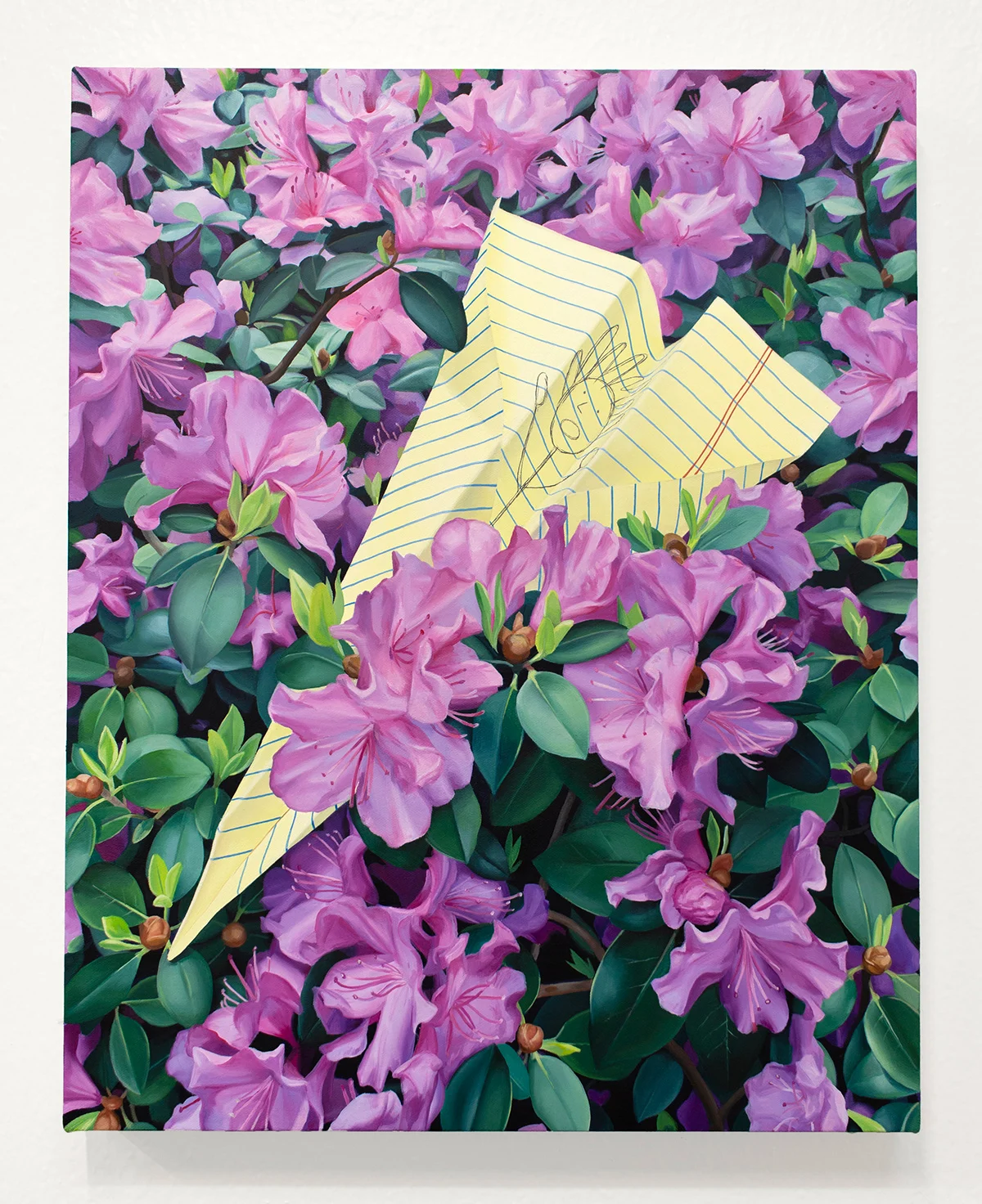
- 2021–2024: During this phase, her aesthetic matures into what she terms "good paintings of bad drawings." She starts incorporating digital-age signifiers—emojis, brand-name chapsticks, and amateurish doodles—into her compositions.
- 2025–Present: Her work gains broader recognition for its ability to reflect the "weird, recognizable, and good." She establishes herself as a voice that treats the trivial with the same level of reverence typically reserved for historical subjects.
The Philosophical Core: "Good Paintings of Bad Drawings"
At the heart of Suppan’s output is a deliberate contradiction. She utilizes the medium of oil paint—a medium historically tied to status, longevity, and the "Great Masters"—to depict subjects that are intentionally crude, sloppy, or humorous.
When asked about her process, Suppan is characteristically candid. She notes that her paintings depend on a fundamental tension: the beauty of the paint application is consistently undercut by the subject matter. "High status is conferred by the tradition of oil painting and by the hours of labor implied," Suppan explains. "But the subjects I choose are, if not outright funny, sort of oddball."
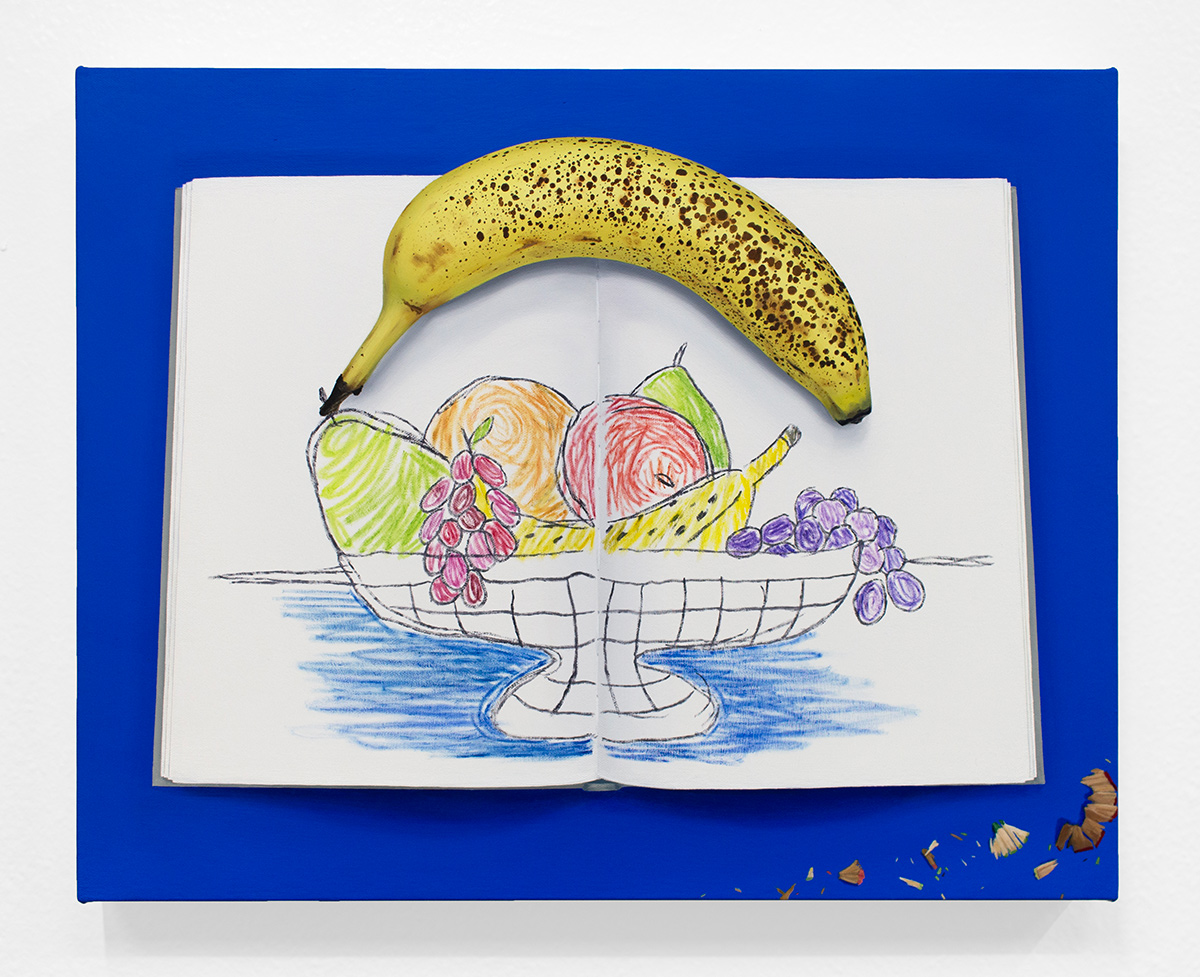
This "oddball" nature is intentional. By taking a frowny face scratched into the dust of a car window or a bowl of lemons defaced by a sharpie doodle and rendering them with the patience and precision of a Flemish master, she creates a conceptual friction. The viewer is forced to reconsider what is "worthy" of being painted. Is a bowl of lemons sacred? Is a doodle a mark of incompetence or a mark of humanity? Suppan posits that it is both.
Supporting Data: The Anatomy of the Still Life
Suppan’s work functions as a contemporary archive of the domestic sphere. Her paintings often feature a curated collision of the analog and the digital, the nostalgic and the immediate.
- The Analog/Nostalgic: Objects that feel timeless—ceramic bowls, fruit, simple household items—serve as the foundation of her compositions.
- The Contemporary Signifier: Emoticons, modern beauty products, and shorthand text are layered onto these traditional foundations, displacing the paintings from any single, recognizable era.
- The Technical Investment: While the subject matter may appear "goofy," the labor behind it is immense. Each painting represents a significant investment of time, which prevents the work from being dismissed as merely ironic or satirical.
"I always want to skate that edge," Suppan says of her process. "Using the full force of my ability and attention in the service of making something fundamentally weird, and recognizable, and good."
Official Perspectives and Artistic Intent
In the context of Suppan’s career, the distinction between "serious" and "silly" is perhaps the most critical debate. Critics have noted that her work operates in a space that is "too sincere to be simply funny, and yet too silly to be serious."

This is not a failure of categorization, but rather a deliberate strategy. By rejecting the binary of high art versus low art, Suppan creates an inclusive environment for the viewer. Her paintings do not demand that the audience possess a degree in art history to appreciate the subversion at play; they only require that the viewer recognize the "humble stuff" of their own lives. When she paints a chapstick or a crude drawing, she is acknowledging the reality of a life lived in the 21st century—a life that is simultaneously filled with the profound and the ridiculous.
Implications: The Future of Contemporary Still Life
The implications of Suppan’s work for the broader art world are significant. As we move further into an era dominated by high-speed digital consumption, the slow, meditative process of oil painting feels increasingly radical. When that medium is used to depict the ephemeral, messy, and humorous aspects of our daily lives, it serves as a grounding force.
Suppan’s work encourages a shift in perspective. It invites us to stop looking for "meaning" in the grand, sweeping gestures of the world and start finding it in the bowl of lemons on our own kitchen table—even if those lemons have a face drawn on them.
The Broader Ecosystem: Beyond the Canvas
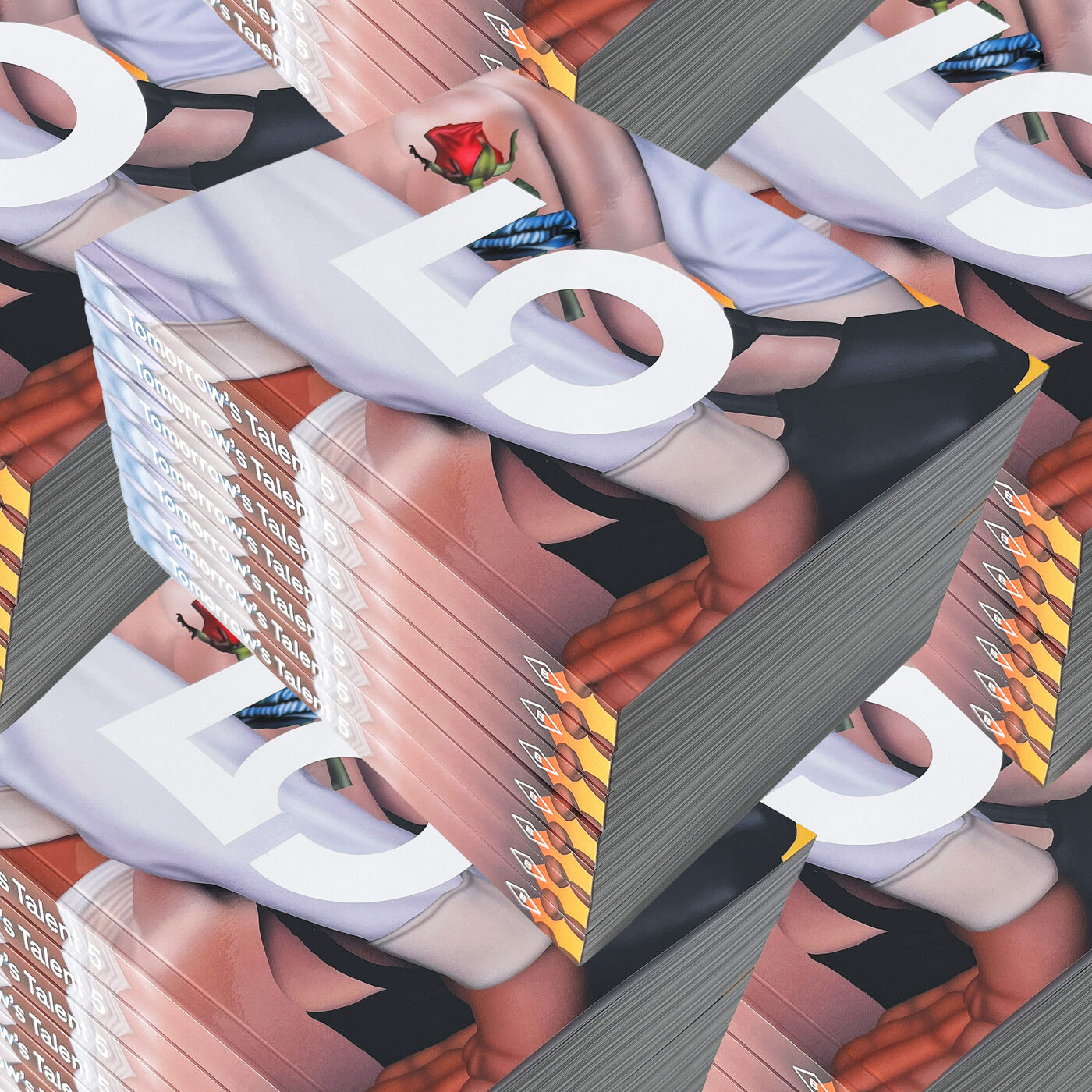
It is worth noting that Suppan’s trajectory is part of a larger, vibrant ecosystem of emerging creators. Platforms such as Booooooom have become vital conduits for this type of work, connecting artists like Suppan to a global audience. Whether through the curation of talent books like Tomorrow’s Talent 5 or the fostering of community-based initiatives, the current artistic climate is increasingly valuing the intersection of technical excellence and authentic, relatable storytelling.
Suppan’s practice is a testament to the fact that you do not need to choose between being a "serious artist" and being a person who finds delight in the weird, the goofy, and the everyday. By embracing the "bad drawing" as a subject worthy of "good painting," she provides a template for how to live—and create—with both sincerity and a sense of humor.
As she continues to refine her vision, Suppan remains a vital figure in the Minneapolis art scene and beyond. Her work serves as a reminder that the "little wave hello" of a painting is often the most enduring communication an artist can offer. In a world that is often too loud, too flashy, and too serious, Sara Suppan’s paintings invite us to pause, look, and perhaps even crack a smile at the beautiful, ridiculous mess of it all.