

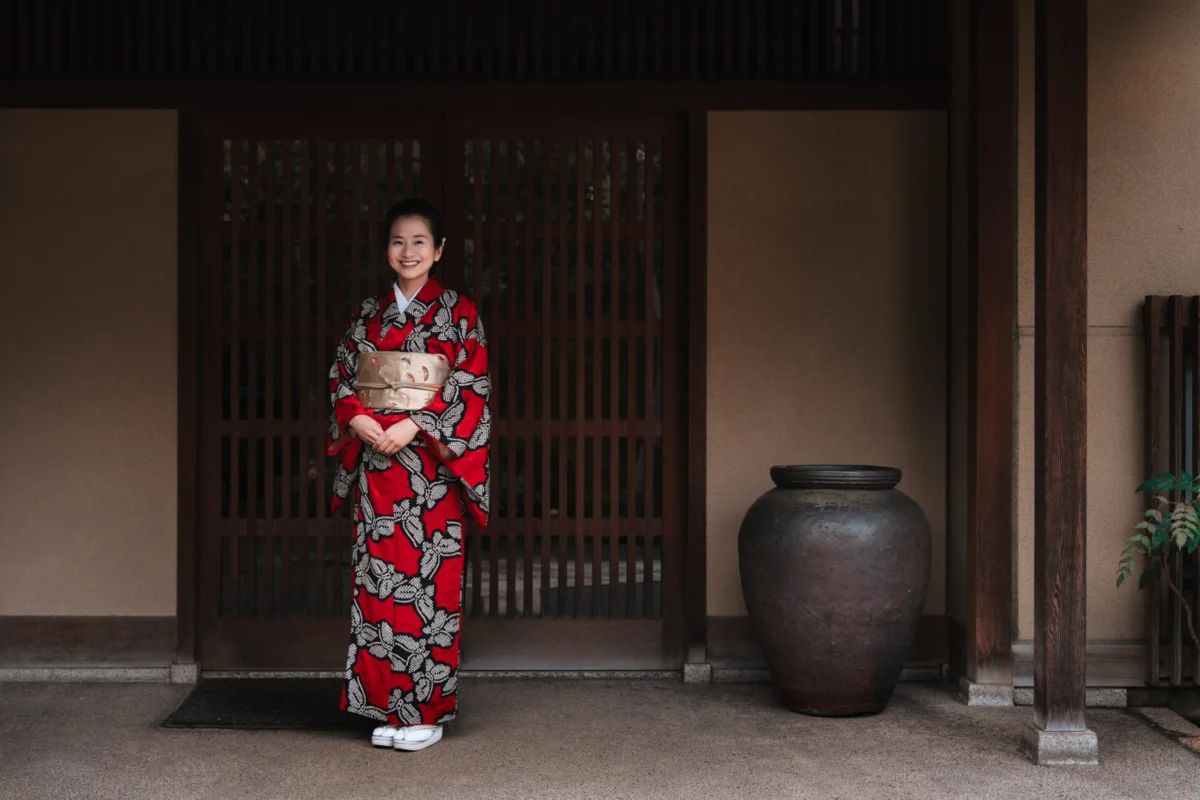
Tucked away within the labyrinthine, cobblestone alleys of Kagurazaka—a district in Tokyo famed for its blend of Edo-era charm and modern refinement—sits a stately, traditional Japanese villa. It appears almost like an apparition, a quiet sanctuary that emerges suddenly as one rounds a sharp corner. This is the headquarters of the Enshu school of the Japanese tea ceremony, a lineage that has survived for over 440 years.
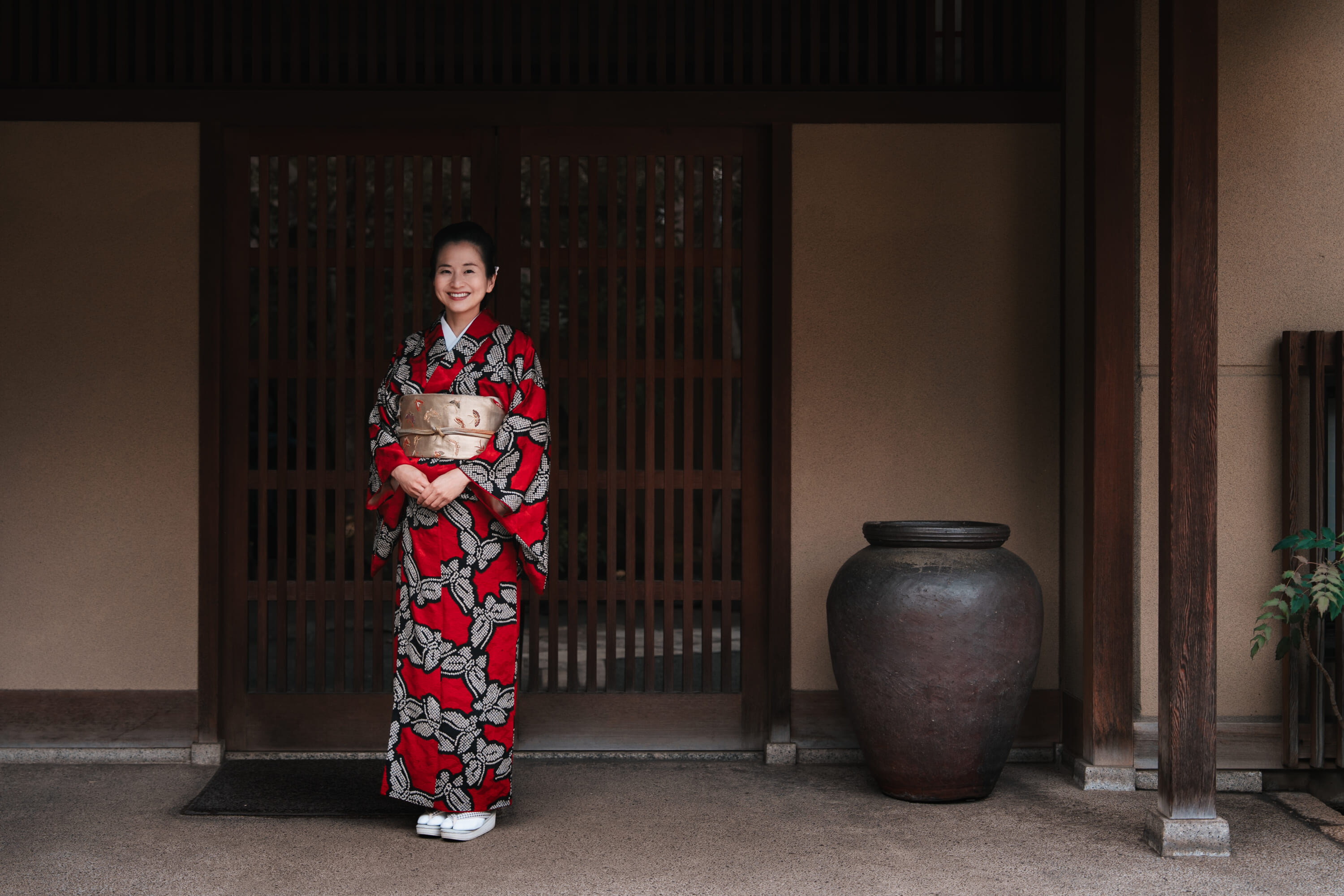
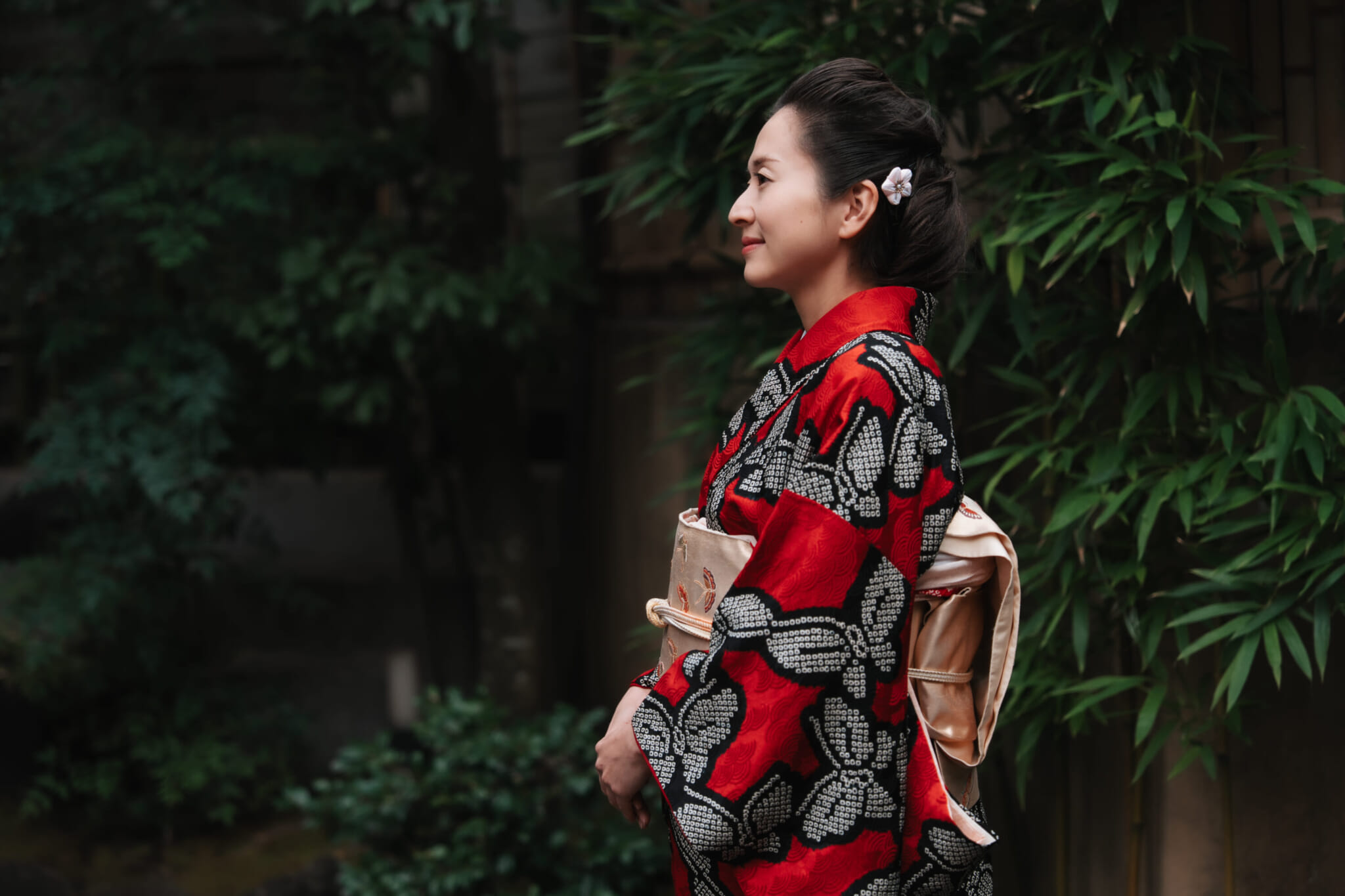
Waiting inside is Sosho Kobori, daughter of the 13th-generation grandmaster, Soujitsu Kobori. With her hair pinned neatly and adorned in a vibrant red, butterfly-patterned kimono, she moves with the fluid grace of a woman born to the craft. However, to label her simply as a tea master is to ignore the most kinetic chapter of her life: for years, Kobori lived a parallel existence as a elite, professional lacrosse player. Her life is a study in the synthesis of contradictions, bridging the meditative stillness of a 17th-century tea lineage with the explosive, high-stakes intensity of international sports.
The Enshu Philosophy: A Legacy of Elegance
To grasp the magnitude of Kobori’s work, one must first understand the unique aesthetic of the Enshu school. Established by Kobori Enshu in the early 1600s, this tradition diverged sharply from the austere, monastic influence of Sen no Rikyu. While the Sen schools—the most prominent in Japan—championed wabi-sabi, a philosophy that celebrates the rustic, the weathered, and the intentionally imperfect, the Enshu school carved a different path.
Kobori Enshu believed that the dark, cramped tearooms favored by his contemporaries could, at times, feel severe and alienating. He championed a style of kirei-sabi—a "refined beauty" that favored lightness, elegant proportions, and genuine hospitality. The goal was not to strip the guest of their worldly identity, but to provide a space where the visitor felt welcomed, elevated, and at ease.
This historical mandate for accessibility is precisely what Sosho Kobori brings to the modern era. Her upbringing was marked by a deliberate lack of pressure. Unlike many heirs to traditional Japanese arts who are subjected to rigorous, life-altering training from infancy, Kobori’s parents took a radical approach: they let her be a child.
"I really didn’t do anything special growing up," she laughs. "I just grew up normally." It wasn’t until after she graduated from university that she began her formal, intensive training in tea. This distance was a vital pedagogical choice; it allowed her to forge an identity independent of her family’s looming legacy, ensuring that when she did eventually return to the tea room, it was not out of filial obligation, but out of a deep, self-determined curiosity.
Chronology: From the Playing Field to the Tearoom
Kobori’s journey is best understood through the milestones of her dual-track career.
- University Years (The Discovery): Kobori discovers lacrosse. It is an alien concept in the world of traditional arts, but it provides her with an outlet for her competitive spirit and a desire to "spread her wings" beyond the borders of Japan.
- The International Stage (2013): As a member of the Japanese national team, she travels to Canada for the World Cup. It is here that she faces a brutal reality check during a practice match against the United States. The disparity in skill and physical presence leaves her devastated.
- The Matcha Epiphany: Amidst the physical exhaustion of the tournament, she prepares tea for her teammates and international rivals. The reaction of the global athletes—who treat the matcha ritual with profound respect—triggers a realization. She identifies tea not as a burden of heritage, but as a "weapon" of connection.
- The Double Life (Post-2013): For several years, she maintains a strict, exhausting schedule. Weekdays are spent in the formal, quiet world of the tea ceremony, while weekends are dedicated to the high-impact, aggressive environment of club lacrosse.
- The Modern Synthesis (Present Day): Having retired from professional athletics, Kobori now fully integrates her athletic mindset into her tea practice, teaching, and public demonstrations.
The Athlete’s Perspective: Silence in Motion
The most striking aspect of Kobori’s narrative is her rejection of the binary that separates "sport" from "culture." In Japanese philosophy, the concepts of sei (silence) and dou (movement) are often compartmentalized. Tradition dictates that tea is the realm of sei, while sports belong to dou. Kobori disagrees entirely.
"In the tea ceremony, your movement and breathing flow; you never truly stop," she explains. "Conversely, in lacrosse, even though you are sprinting at full speed, there is a profound tension with the goalkeeper. You are searching for a sliver of stillness, a moment of perfect focus to score. The two are not opposites; they are synergistic."
This perspective was forged in the fires of the 2013 World Cup. Watching the American team, she initially felt small—like a representative of "one tiny country in Asia." But as she served tea to athletes from across the globe, she realized that the focus required for a successful draw control in lacrosse is identical to the focus required to whisk a perfect bowl of matcha. Both require a mastery of the nervous system, a deliberate slowing of time, and an unwavering commitment to the present moment.
Supporting Data and Implications: Tea as a Tool for Modernity
Kobori is not merely preserving a 440-year-old tradition; she is recontextualizing it for a world defined by digital fragmentation. Her teaching philosophy is purposefully fluid. When she hosts corporate executives—many of whom have spent their entire morning tethered to smartphones and clocks—she demands that they surrender their devices. The act of entering the tea room becomes a secular, psychological reset button.
For athletes, she frames the tea ceremony as an offseason training tool. The practice of mindfulness in the tea room directly correlates to "the zone" in athletics. By teaching how to regulate breathing and physical tension, she provides a roadmap for peak performance that does not involve equipment or a field.
Her most radical departure from tradition is the dismantling of the "tatami-only" requirement. She believes that the essence of Enshu tea is portability and presence. Armed with a modern, beautifully designed tea kit, she is just as comfortable hosting a ceremony on an athletic field or inside a sauna as she is in her family’s ancestral villa.
Official Stance: The Future of the Enshu School
While the Enshu school is deeply rooted in history, the leadership—specifically through the efforts of Sosho Kobori—is signaling a shift toward a more inclusive, borderless future. The implications of this are significant. By stripping away the elitism often associated with the tea ceremony, the school is successfully attracting a younger generation that might otherwise view traditional Japanese arts as inaccessible or stagnant.
Her influence suggests a shift in how traditional Japanese institutions will survive in the 21st century. Instead of insulating themselves from the modern world, successful lineages are beginning to see their philosophies as universal technologies. Whether one is a high-performance athlete or a stressed-out CEO, the "weapon" of tea remains the same: it is the ability to find absolute clarity in a chaotic environment.
As Kobori continues to bridge these two worlds, she serves as a vital reminder that tradition is not a static object to be polished, but a living practice to be performed. Through her efforts, the winding cobblestone streets of Kagurazaka are no longer just a gate to the past; they are a point of departure for a future where tradition is as mobile, as flexible, and as powerful as the person holding the tea whisk.
Her message is simple yet profound: "I don’t want to be confined to my tea room. I want to practice tea anywhere, at any time." In that statement, Sosho Kobori has effectively moved the tea ceremony from the history books and into the living, breathing, and moving world.











