MONTERREY, Mexico – The conclusion of the Netherlands’ World Cup campaign, marked by a dramatic and emotionally taxing penalty shootout loss to Morocco, has been marred by a sinister undercurrent of hate. In the wake of Monday’s round-of-32 elimination, the Royal Dutch Football Association (KNVB) has issued a stern, unequivocal condemnation of the racist and discriminatory abuse directed at its players across various social media platforms.
While the primary narrative of the match was supposed to be the tactical masterclass displayed by both sides and the resilience of a Moroccan squad that defied the odds, the post-match discourse has shifted toward the ugly reality of digital harassment. The Dutch governing body is now leading the charge against what it terms an intolerable stain on the sport, demanding accountability for those who have weaponized the anonymity of the internet to target professional athletes.
The Chronology of a Bitter Defeat
The match, held in the vibrant footballing hub of Monterrey, Mexico, was a quintessential World Cup spectacle. For the Dutch side, a perennial powerhouse seeking to overcome their historic "nearly men" reputation, the stakes could not have been higher.
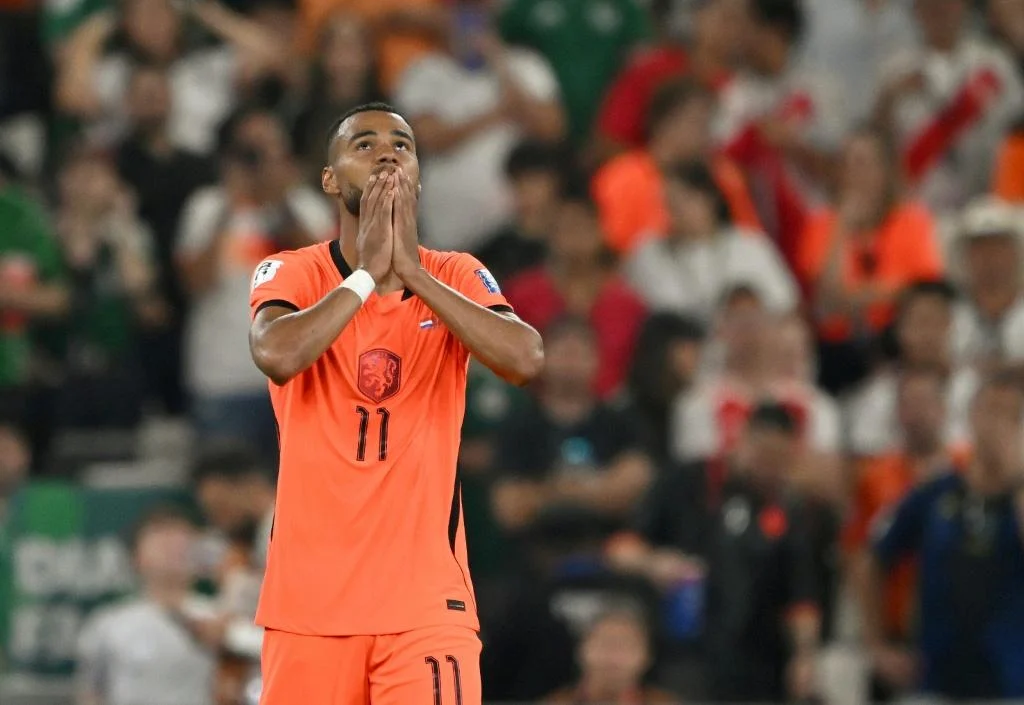
The first 70 minutes were a tactical stalemate, characterized by high-intensity pressing and cautious defensive structures. The breakthrough finally arrived in the 72nd minute when Liverpool star Cody Gakpo, a beacon of creativity for the Oranje, capitalized on a momentary lapse in the Moroccan defensive line. His clinical finish sent the traveling Dutch contingent into a frenzy, seemingly putting the Netherlands on a direct path to the Round of 16.
However, the nature of tournament football is defined by its cruelty. As the match bled into stoppage time, the Moroccan side—backed by a vociferous crowd—threw everything into the final third. In the dying seconds of added time, Issa Diop rose above the Dutch defensive block to hammer home an equalizer, forcing the match into extra time and, subsequently, the lottery of a penalty shootout.
The shootout itself was a microcosm of the team’s eventual collapse. With nerves frayed and the psychological pressure of a global stage mounting, the Dutch squad faltered from the spot. Morocco’s clinical precision saw them advance, leaving the Dutch players to face the harsh reality of an early flight home. It was in the minutes following the final whistle that the digital assault began, as disgruntled spectators turned their frustration into targeted vitriol against the very players who had given their all on the pitch.
Official Responses: A Zero-Tolerance Stance
The response from the KNVB was swift and uncompromising. In an official statement released Tuesday, the association sought to balance the disappointment of the loss with a firm moral defense of their squad.
"Football brings people together, regardless of origin or background," the KNVB statement read. "We have seen online reactions in which players have been subjected to racist and discriminatory abuse following the team’s elimination. We draw a clear line against such behavior. Racism and discrimination have no place in football, online, or in our society."
The association’s leadership, including team coaches and management, expressed profound pride in the "dedication and commitment" shown by the players throughout the tournament, which is being co-hosted by Canada, Mexico, and the United States. Beyond the immediate denouncement of the abuse, the KNVB took a moment to acknowledge the broader support base: "We also extend our sincere appreciation to the supporters—those in the stadium, those watching from home, and everyone around the world who followed and supported the Netherlands."
The KNVB is currently working with legal experts and platform moderators to identify the origin of these messages. While the association stopped short of naming specific players who were targeted, the implication is clear: the Dutch team is standing in total solidarity with its squad, refusing to let the voices of a hateful minority define their World Cup experience.
Supporting Data: The Global Crisis of Online Abuse
The incident in Monterrey is not an isolated event but rather a symptomatic manifestation of a broader crisis in modern sports. According to data compiled by various footballing watchdogs, online abuse directed at professional players has seen a 40% uptick during major international tournaments over the last four years.
The Anatomy of Digital Hate
Social media platforms, despite implementing "safety filters" and AI-driven moderation tools, remain a breeding ground for hate speech. Research indicates that during high-stakes matches, the volume of abusive content spikes by nearly 300% within the hour following a final whistle. The anonymity afforded by pseudonymous accounts allows perpetrators to engage in a form of psychological warfare that players are often left to navigate alone.
The Impact on Performance and Mental Health
Psychologists working with the Dutch national team have long warned that the "always-on" nature of social media can significantly hamper a player’s recovery process after a high-pressure loss. Beyond the immediate sting of the defeat, the influx of racist messages acts as a secondary trauma. Studies show that targeted abuse of this nature can lead to prolonged anxiety, decreased motivation, and, in some cases, early retirement among younger players who find the environment increasingly hostile.
Implications: The Future of Player Safety
The ramifications of the Dutch team’s experience extend far beyond the pitch. The KNVB’s decision to speak out so forcefully puts pressure on both FIFA and social media giants to take more substantive action.
Accountability and Legislation
There is a growing movement among European football associations to lobby for stricter legislative frameworks. The goal is to move beyond mere "moderation" and toward criminal prosecution for those who engage in targeted online abuse. By treating digital threats and racial slurs as the same offense as those committed in a physical space, football authorities hope to create a deterrent that actually carries weight.
The Role of FIFA
While FIFA has implemented "Social Media Protection Services" designed to shield players from toxic comments during the tournament, the Monterrey incident suggests that these measures are still insufficient. Critics argue that FIFA must leverage its immense financial power to force social media companies into a more transparent partnership, where user data is readily available to law enforcement when hate speech laws are violated.
Cultural Shifts in the Netherlands
For the Netherlands, a country that prides itself on a multicultural identity and a progressive sporting culture, this incident serves as a painful reminder that systemic issues remain unresolved. The Dutch national team has long been a symbol of national unity, reflecting the diversity of its population. When players are targeted based on their background, it is viewed by many as an attack on the fabric of Dutch society itself.
The aftermath of this World Cup exit will not be remembered solely for the penalty miss or the tactical breakdown in Monterrey. It will be remembered for the courage of the KNVB in drawing a "clear line." As the tournament moves into the latter stages, the conversation surrounding player protection has been permanently altered.
The message from the Dutch camp is unequivocal: The game is played by humans, not symbols. And while winning and losing are the natural outcomes of sport, the dignity of the individual must be non-negotiable. As the players return to their respective clubs, the focus will undoubtedly shift to how the global football community can move from the rhetoric of "solidarity" to the practical application of justice. The fight against racism in football has moved from the stands to the screen, and for the Dutch team, the battle to reclaim the integrity of the game has only just begun.
In the final assessment, this tournament will be judged not just by the trophies lifted or the goals scored, but by the safety and respect afforded to those who take to the field. For now, the Oranje stands tall—not as the victors of a match, but as the champions of a necessary, albeit painful, moral stand.