

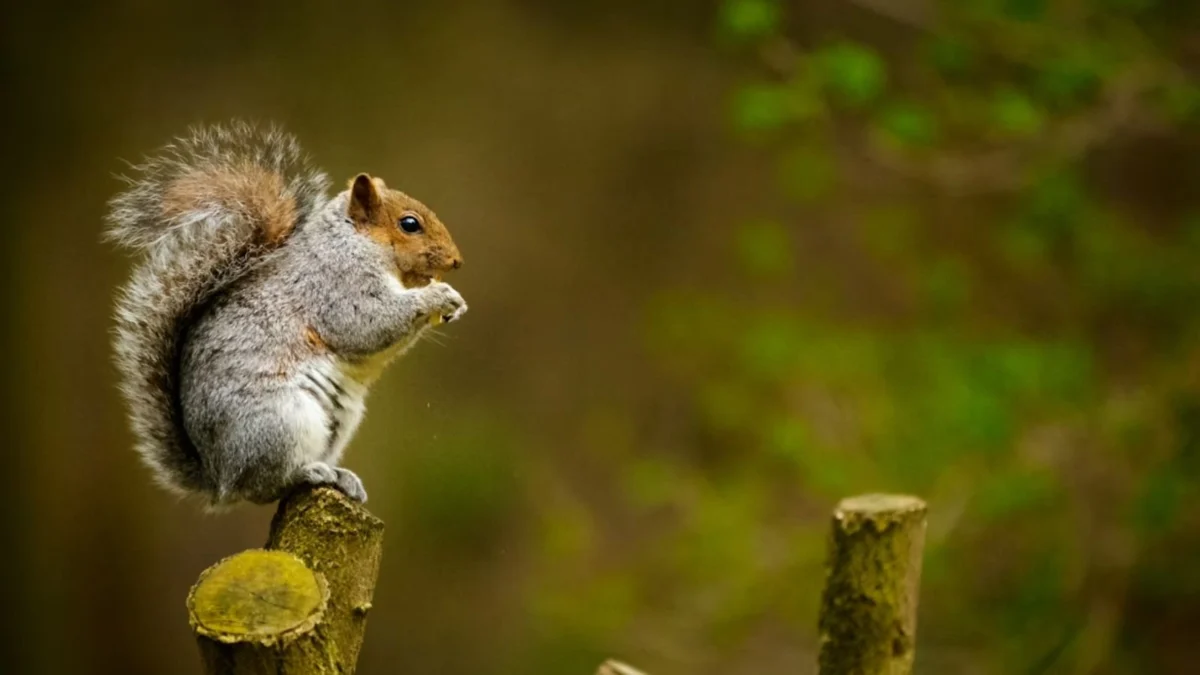
In the picturesque expanse of Thompson Park in Watertown, New York, a seemingly idyllic afternoon of sunshine and leisure was recently upended by an unlikely antagonist. A small, bushy-tailed rodent, now affectionately dubbed "Thompson" by local rescuers, transformed the park into a scene reminiscent of a slapstick comedy—or perhaps a horror film—as he relentlessly pursued terrified visitors. The squirrel’s persistent antics, which involved chasing park-goers in circles and forcing them to seek refuge on benches and picnic tables, quickly went viral, igniting a broader conversation about human-wildlife interaction in public spaces.
The incident serves as a poignant reminder of the fragile boundary between wild animals and the urban environments they increasingly share. While the footage provided lighthearted entertainment for the internet, it also underscored a serious ecological issue: the long-term consequences of human-fed wildlife.
A Chronology of the Chase: From Park Menace to Viral Sensation
The chaos began on a standard weekday afternoon at Thompson Park. Park visitors, expecting a peaceful stroll, were instead met by a highly motivated, albeit small, assailant. As the viral footage shows, the squirrel exhibited a startling lack of fear, actively pursuing individuals who attempted to retreat.
As the video circulated across social media platforms, the local community grew increasingly concerned. What began as a humorous curiosity—a squirrel chasing a grown adult—soon prompted questions regarding public safety and the health of the animal itself. Was the creature suffering from a neurological disorder? Was it aggressive due to rabies? Or was there something else at play?
Chantel Horbacz, a local hairdresser and, crucially, a licensed wildlife rehabilitator, saw the footage and realized that intervention was necessary. Recognizing that the squirrel’s behavior was abnormal and potentially dangerous—both to the public and the animal—Horbacz took it upon herself to locate the creature. After several hours of combing through the park’s foliage and tracking the squirrel’s distinctive tail, she successfully captured the rodent. She aptly named him "Thompson," a nod to the park that had become his temporary hunting ground.
The Diagnosis: Not Aggression, But Habituation
Following the capture, Horbacz provided a professional assessment that offered relief to the community. Her evaluation, later highlighted by WWNY TV, was clear: the squirrel was not suffering from a disease, nor was he inherently aggressive. Instead, his behavior was a textbook example of "habituation."
The Psychology of a "Beggar" Squirrel
According to Horbacz, Thompson’s persistent pursuit of humans was a learned behavior. "I believe he’s a juvenile that was probably fed early on," she explained. "He just got accustomed to coming up to all the people that feed the squirrels at the park."
In the wildlife rehabilitation community, this is a well-documented phenomenon. When humans provide food to wild animals, they inadvertently condition the animals to associate people with sustenance. For a juvenile squirrel, the line between "visitor" and "food provider" blurs. This specific squirrel had progressed beyond simple begging; he had become bold enough to climb the legs of passersby in his desperate search for a handout.
Addressing the Rabies Concern
One of the most immediate concerns for any member of the public confronted by an aggressive animal is the threat of rabies. Horbacz was quick to dispel these fears, providing a crucial educational moment for the public.
"Rabbits don’t get rabies," she noted, extending the observation to small rodents. "Chipmunks, squirrels—a rabid animal would kill them. So, the chance of them contracting it and then staying alive and being able to pass it is very rare."
Her assessment aligns with data from the Centers for Disease Control and Prevention (CDC), which lists small rodents like squirrels, hamsters, guinea pigs, gerbils, and chipmunks as being almost never found to be infected with rabies. While any mammal can technically contract the virus, the biological reality of small rodents is such that they rarely survive long enough to transmit it to humans.
Implications for Public Policy and Wildlife Management
The saga of Thompson the squirrel is not an isolated event; rather, it is a symptom of a larger systemic issue in New York State and beyond. The "Thompson incident" comes against a backdrop of significant tension between the state’s wildlife management agencies and the public.
The Shadow of the "Peanut" Case
It is impossible to discuss this incident without referencing the high-profile case of "Peanut," the pet squirrel seized in 2024. The story of Peanut, who was confiscated and subsequently euthanized by the New York State Department of Environmental Conservation (DEC) following public reports, sparked national outrage. His owners, who had cultivated a massive social media following for the animal, eventually filed a $10 million lawsuit against the state.
The contrast between the two cases is striking. While the state was criticized for being heavy-handed in the Peanut case, the situation in Watertown required a delicate balance between public safety and the animal’s welfare. The state’s strict regulations regarding wildlife are designed to prevent the very habituation that caused the chaos in Thompson Park. When the public feeds wild animals, they are effectively turning them into "nuisance animals" that may eventually require capture or, in extreme cases, euthanasia to prevent human injury.
The Responsibility of the Public
The core lesson of the Thompson incident is the danger of human intervention in natural animal behaviors. Wildlife experts consistently advocate for the "Keep Wildlife Wild" philosophy. This includes:
- Refraining from Feeding: While feeding a squirrel or a bird may seem like a kind gesture, it disrupts the animal’s natural foraging patterns and creates dangerous dependencies.
- Maintaining Distance: Even if an animal appears friendly, maintaining a respectful distance is vital for both parties.
- Reporting Unusual Behavior: As Horbacz suggested, if a member of the public encounters an animal behaving strangely, they should contact a professional wildlife rehabilitator or the local DEC office rather than attempting to engage with or capture the animal themselves.
The Path Forward: Rehabilitation and Release
For Thompson, the future is looking much brighter. After his stint as a park nuisance, he was transported to a more suitable environment—a forested area far removed from the high foot traffic and human activity of Thompson Park. There, he has the opportunity to reintegrate into a wild population, where he will be forced to rely on natural foraging skills rather than human handouts.
Horbacz’s role in this story highlights the essential work done by independent wildlife rehabilitators. These individuals often serve as the first line of defense in managing human-wildlife conflicts. They possess the training to identify when an animal is truly in need of help versus when it is simply a product of human mismanagement.
Conclusion: A Lesson in Coexistence
The story of Thompson the squirrel is more than a quirky news item; it is a case study in the consequences of anthropomorphizing wild animals. By treating the squirrel as an object of entertainment or a pet to be fed, park visitors unknowingly set him on a path that led to his displacement.
As we continue to navigate the complexities of sharing our world with wildlife, we must recognize that our interactions have long-term consequences. The laughter prompted by the viral video was a reaction to the absurdity of the situation, but the resolution—the capture and relocation of a habituated animal—serves as a somber reminder of our responsibility.
Moving forward, the community of Watertown and beyond would do well to heed the advice of professionals like Chantel Horbacz. Let the squirrels stay in the trees, let them find their own nuts, and keep the picnic tables reserved for humans. In the delicate ecosystem of our public parks, the most "human" thing we can do is to let the wild animals remain wild.
As the state of New York continues to navigate the legal and ethical fallout of cases like Peanut, the story of Thompson provides a more moderate, constructive path. It emphasizes that while we may be drawn to the wildlife in our backyards, our greatest act of kindness is to allow them to thrive without our interference. The next time you see a squirrel at the park, enjoy his acrobatics from a distance, keep your snacks to yourself, and remember the lesson of Thompson: a "friendly" squirrel is often a squirrel in need of space.











No comments yet. Be the first to join the conversation!