

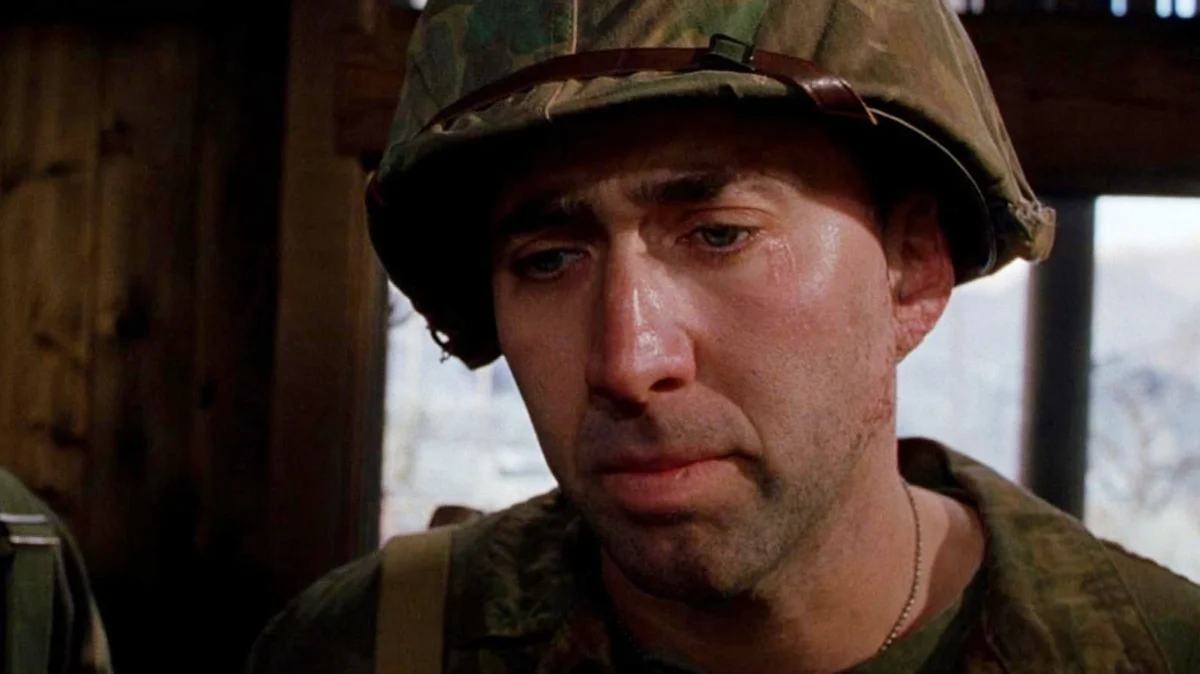
In the pantheon of action cinema, few names carry as much weight—or as much stylistic reverence—as John Woo. Known for his balletic approach to violence, his obsession with the duality of friendship, and his signature use of slow-motion doves and dual-wielded pistols, the Hong Kong maestro remains a living legend. However, his tenure in Hollywood remains a subject of intense debate among cinephiles. Among his American filmography, the 2002 World War II epic Windtalkers stands as the most poignant "what if" in his career—a $115 million project that became a cautionary tale about studio interference and the loss of an auteur’s singular vision.
The Collision of Two Worlds: Woo in the American Machine
John Woo’s transition to Hollywood was never going to be seamless. In Hong Kong, Woo was a master of his own destiny, crafting hyper-stylized masterpieces like The Killer, Bullet in the Head, and Hard Boiled. His action sequences were not merely scenes of conflict; they were choreographed performances, rhythmic and elegiac, often compared more to the fluid grace of Fred Astaire than the gritty realism of Sam Peckinpah.
When Hollywood came calling, the industry was enamored with Woo’s aesthetic but terrified of his sensibilities. Studios wanted the "cool" factor—the iconic poses, the leather-clad anti-heroes, and the explosive panache—but they were consistently uncomfortable with the raw, bloody nihilism that defined his Eastern work. The result was a recurring struggle: Hollywood wanted Woo to make his stars look as iconic as Chow Yun-fat, but they demanded he do so within the rigid, sanitizing confines of the studio system.
While early efforts like Hard Target and Broken Arrow offered glimpses of his brilliance, it wasn’t until the 1997 cult classic Face/Off that the industry finally allowed the "true" John Woo to emerge. By balancing high-concept absurdity with genuine emotional stakes, Woo proved that he could dominate the American box office. Yet, the follow-up to that success would prove to be his most difficult hurdle yet.
A Chronology of a Production in Peril
The path to Windtalkers was paved with high expectations and eventual heartbreak. Following the massive commercial success of Mission: Impossible II in 2000—a film that, despite its massive $546 million global haul, left many critics and fans cold due to its departure from Woo’s deeper thematic interests—Woo was looking for a project that carried more weight.
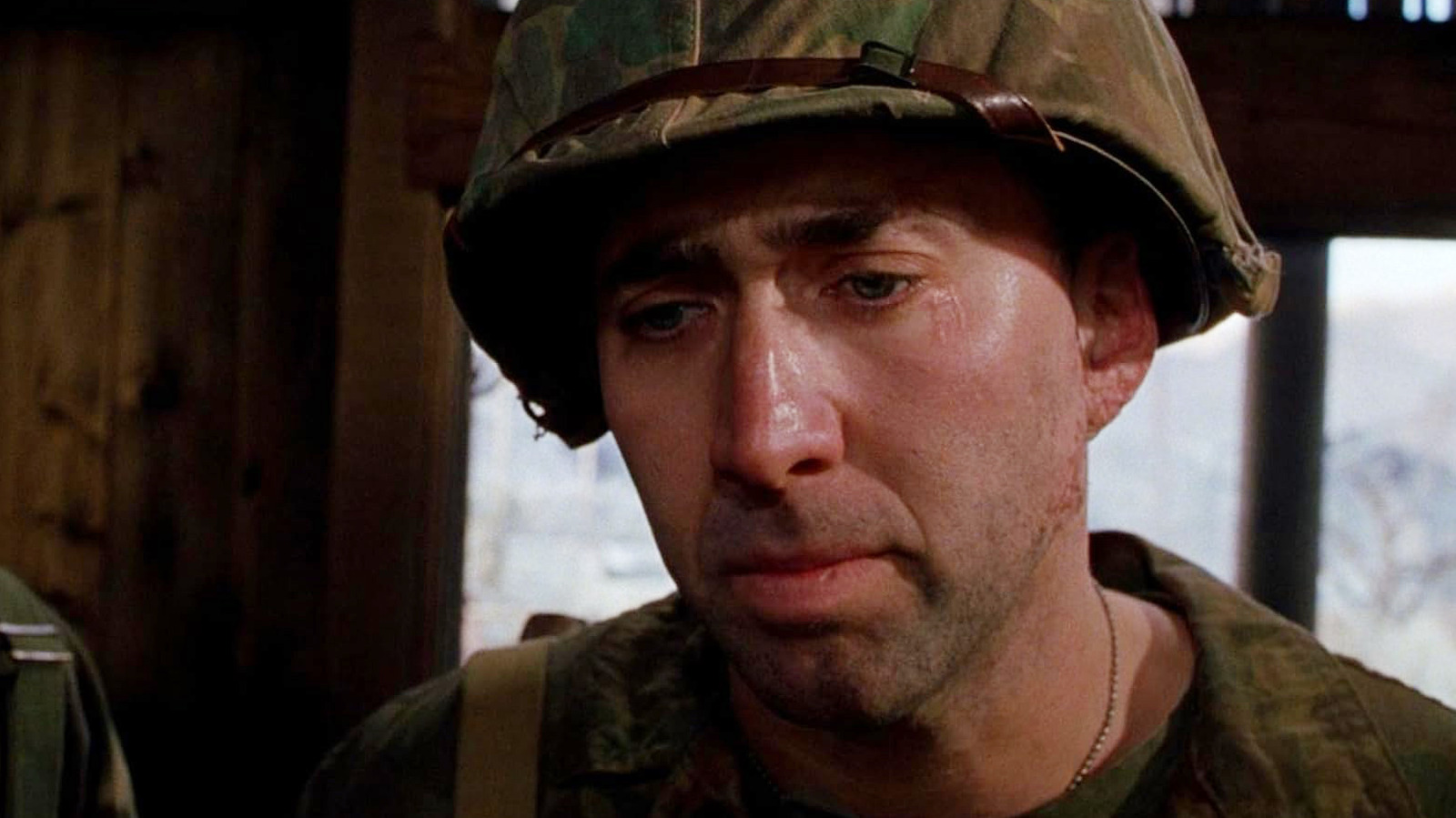
He found it in the story of the Navajo Code Talkers, the Indigenous Marines whose unbreakable code proved vital to the American victory at Iwo Jima. MGM, seeing a potential blockbuster, authorized a massive $115 million budget. They paired Woo with Nicolas Cage, an actor then at the peak of his action-star powers, to play the role of Sergeant Joe Enders, a battle-scarred protector tasked with guarding a code talker.
The production was fundamentally ill-fated from the start. Behind the scenes, a battle for the soul of the film was raging. Woo sought to lean into his signature themes—the brotherhood between men, the moral ambiguity of war, and the profound tragedy of sacrifice. MGM, conversely, wanted a conventional, patriotic "rah-rah" war film that would appeal to the widest possible demographic.
The situation worsened following the tragic events of September 11, 2001. With the American psyche reeling, the studio grew skittish about releasing a somber, violent war film. The release date was pushed from November 2001 to June 2002. During this delay, the studio mandated significant cuts, trimming 20 minutes from the theatrical version. These edits effectively gutted the character development and the pacing that Woo had meticulously constructed. When the film finally hit theaters, the result was a commercial disaster, grossing only $78 million worldwide against its massive budget.
Supporting Data: The Anatomy of a Flop
The failure of Windtalkers was not purely a matter of box office receipts; it was a critical failure that highlighted the systemic flaws in how major studios handle international auteurs.
- Budget vs. Return: With a production budget of $115 million and significant marketing costs, the film needed to be a massive hit to break even. The $78 million gross represented one of the most significant losses for MGM at the time.
- The Casting Controversy: One of the most glaring issues, which critics pointed out immediately, was the shifting focus of the narrative. While the story was centered on the heroism of the Navajo Code Talkers, the script prioritized the arc of the white protagonist, Sergeant Joe Enders. Indigenous actors Adam Beach (Private Ben Yahzee) and Roger Willie (Private Charlie Whitehorse) delivered powerful, grounded performances, but they were relegated to supporting roles in what should have been their story.
- The Director’s Cut: Years later, the release of a 153-minute director’s cut revealed the film that might have been. The extended version restores much of the lost footage, allowing the film to breathe and emphasizing the profound cultural conflict and genuine friendship between the characters. Critics who have revisited the film often point to this version as a hidden gem, arguing that the theatrical cut was an act of artistic sabotage.
Official Responses and Industry Implications
At the time of its release, the studio remained largely silent regarding the creative friction, focusing instead on the marketing of Nicolas Cage as the primary draw. However, the film’s legacy has sparked a broader conversation about "authorial intent."
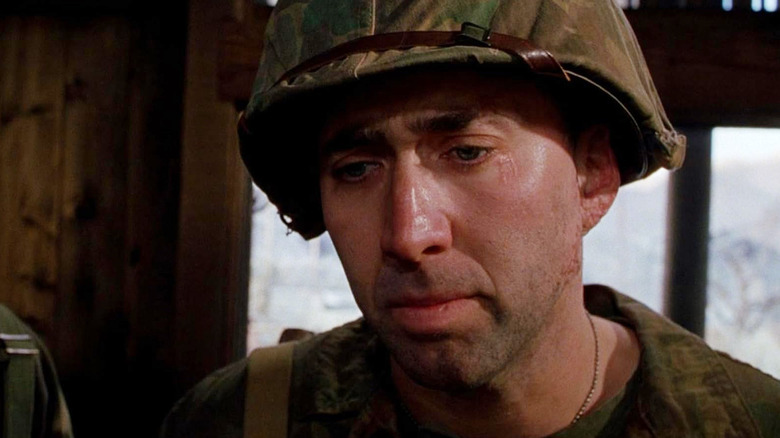
In subsequent years, John Woo has remained gracious but candid about the difficulties of working within the Hollywood studio system. He has often spoken of his desire to make films that explore the human heart, rather than just the mechanics of an explosion. For the industry, Windtalkers served as a stark lesson: importing an auteur is not a guarantee of success if the studio refuses to trust the artist’s vision.
The film also serves as a case study for the "Director’s Cut" phenomenon. Windtalkers is frequently cited by film historians as one of the most egregious examples of a studio "hacking" a movie to death in a misguided attempt to make it more "marketable." It stands as a reminder that the most compelling version of a story is rarely the one that has been smoothed out to remove its rough edges.
The Legacy: Why It Deserves Another Look
Despite its initial failure, Windtalkers has found a second life among fans of war cinema and John Woo devotees. It is a film that captures the specific, heartbreaking intersection of duty and humanity.
The performances, particularly by Nicolas Cage and Adam Beach, carry an emotional weight that is often absent in more "sanitized" war films. Cage, playing a man grappling with survivor’s guilt and the paradox of protecting a man he is ordered to kill if captured, brings a haunting, weary intensity to the role. Meanwhile, the scenes depicting the Navajo language as a weapon of war are handled with a level of cultural reverence that makes the studio’s decision to marginalize these characters feel even more regrettable.
Ultimately, Windtalkers is not a perfect film, but it is a fascinating one. It is a work of art that was caught in the crossfire of corporate anxiety and artistic ambition. By seeking out the director’s cut, modern audiences can witness the film John Woo intended to make: a sprawling, tragic, and deeply human examination of the costs of war. It remains a testament to the fact that even when a visionary is constrained, their ability to compose a frame, a moment, or a feeling remains unparalleled. For those willing to look past the box office numbers and the studio-imposed edits, Windtalkers is a somber, beautiful, and essential entry in the canon of war cinema.











No comments yet. Be the first to join the conversation!