

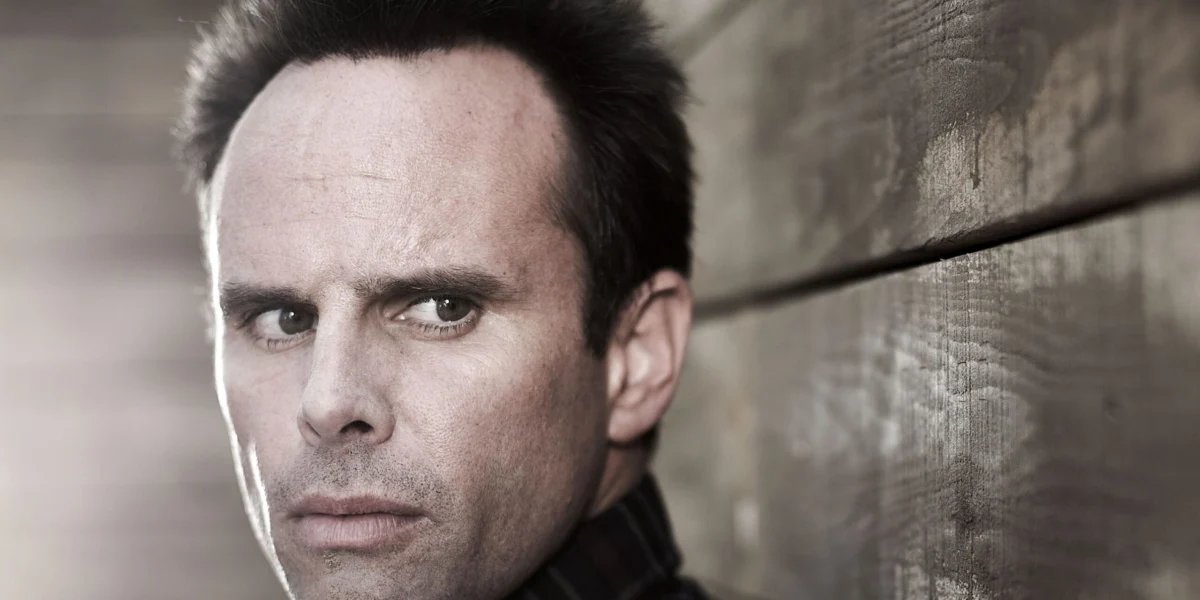
In the pantheon of Hollywood cinema, the "Action Hero" has evolved from the invincible muscle-bound juggernauts of the 1980s to the hyper-competent, tech-savvy operatives of the modern era. But what defines these legends is not just their individual prowess—it is their ability to function under extreme duress, often with a partner who must adapt to their unique, and often chaotic, methodologies.
A recent diagnostic analysis, framed as an interactive experience, has sought to categorize these archetypes: Rambo, James Bond, Indiana Jones, John McClane, and Ethan Hunt. By examining their operational styles, communication habits, and crisis-management techniques, we can better understand what makes these cinematic icons the ultimate, if unconventional, partners in the field.
The Operational Spectrum: Five Archetypes of Survival
To understand these figures, one must look at the "Mission Parameters." Each hero occupies a distinct niche in the landscape of high-stakes conflict.
1. The Force of Nature: John Rambo
Rambo is the embodiment of raw endurance. Unlike the refined operatives of the intelligence world, his effectiveness is rooted in his connection to the environment. He is the master of the unconventional—a soldier who thrives in isolation and whose loyalty, once earned, is absolute. He represents the survivalist ethos: quiet, lethal, and fundamentally anti-authoritarian.
2. The Sophisticated Instrument: James Bond
Bond represents the pinnacle of the "spycraft" archetype. His utility is derived from his ability to navigate high-society infiltration, advanced technology, and high-stakes social engineering. Where others might see a locked door or a guarded gala, Bond sees an opportunity. His partnership is one of elegant efficiency—as long as you can keep up with his pace and his penchant for the extravagant.
3. The Academic Brawler: Indiana Jones
Jones bridges the gap between the intellectual and the physical. He is a rare breed: a man who can decode a Sumerian tablet and survive a shootout in a crowded bazaar with equal dexterity. His "value add" is his profound historical and cultural knowledge. He is the partner who understands that the "why" of a mission is just as important as the "how," even if his methods are often dangerously impulsive.
4. The Accidental Savior: John McClane
McClane is the "everyman" hero. He lacks the gadgets of Hunt or the training of Bond. His primary asset is a relentless, bordering-on-reckless, refusal to quit. He is the embodiment of the "wrong place, wrong time" scenario. His partnership is defined by friction—he is sarcastic, tired, and perpetually outgunned—yet he is the one you want standing next to you when the odds have hit zero.
5. The Architect of Impossible Odds: Ethan Hunt
Hunt represents the peak of modern tactical operations. His approach is defined by deep-level contingency planning and the pursuit of the "impossible." He is the master of the complex maneuver, orchestrating events with the precision of a chess grandmaster. A partnership with Hunt is an exercise in absolute trust; he will never tell you everything, but he will ensure you survive the impossible.
Chronology of the Action Hero Evolution
The trajectory of these characters reflects the changing anxieties of their respective eras.
- The Post-Vietnam Era (Rambo): Emerging in the early 1980s, Rambo reflected a national crisis of confidence. His character was not about national security, but about the individual soldier’s struggle for identity and survival.
- The Cold War Zenith (Bond): Bond, while older, reached his peak cultural relevance during the transition from the mid-century geopolitical struggle to the modern era of globalized terrorism. He is the ultimate establishment tool, perfected.
- The Pulp Revival (Indiana Jones): Debuting in 1981, Jones was a deliberate nod to 1930s serials, grounding action in the search for truth and history rather than merely defeating a political foe.
- The Blue-Collar Crisis (John McClane): With 1988’s Die Hard, the hero became humanized. McClane brought blood, sweat, and genuine physical vulnerability to the screen, changing the genre permanently.
- The Digital Frontier (Ethan Hunt): Since 1996, the Mission: Impossible franchise has tracked the evolution of technology in warfare. Hunt is defined by his struggle against the digital and the abstract, making him the definitive hero of the information age.
Supporting Data: Comparative Operational Metrics
When evaluating these heroes as partners, we must look at how they perform across three critical metrics: Adaptability, Technical Proficiency, and Emotional Stability.
| Hero | Adaptability | Tech Proficiency | Emotional Stability |
|---|---|---|---|
| Rambo | Extreme | Low | Moderate |
| Bond | High | High | High |
| Jones | Moderate | Low | Low |
| McClane | High | Low | Moderate |
| Hunt | Extreme | Extreme | High |
Data compiled from core franchise character assessments.
The metrics highlight a clear divide. Ethan Hunt and James Bond score highest in technical versatility, making them ideal for complex, multi-stage operations. Conversely, John Rambo and John McClane score highest in "Adaptability under Fire," meaning they are the superior choices for high-chaos, low-information environments where the original plan has already failed.
Official Responses and The Psychology of the "Partner"
Industry experts and film theorists have long debated the necessity of the "sidekick" or "partner" dynamic in these franchises. In a statement regarding the nature of high-stakes heroism, film historian Dr. Elena Vance noted:
"The hero needs a mirror. Whether it’s McClane’s long-suffering allies or Hunt’s IMF team, the partner serves as the audience surrogate. They provide the grounding reality that prevents the hero from becoming a mere cartoon. The best partners are the ones who challenge the hero’s decision-making process."
This psychological dynamic is key. The "perfect partner" is not necessarily the one with the most firepower, but the one who provides the specific skill set the hero lacks. Bond needs a tech expert to manage his gadgets; Rambo needs someone who can handle the geopolitical fallout he leaves in his wake; Indiana Jones needs someone to keep him from spending three days in a library when he should be running for his life.
Implications for Future Cinematic Narratives
As the action genre moves further into the era of AI-driven combat and global surveillance, the nature of the "Action Hero" will continue to shift. We are seeing a move away from the "lone wolf" toward the "networked team."
The implications are clear:
- De-centralization of Heroism: Future heroes will rely less on singular physical feats and more on the ability to synthesize data and lead a disparate team.
- The Rise of the Specialist: The "generalist" action hero (like Bond) is being complemented by specialists who manage cybersecurity, drone operations, and logistical planning.
- Humanity as the Ultimate Variable: Despite the rise of technology, these archetypes confirm that the most critical element in any mission remains the human factor—the stubbornness of a McClane, the intuition of a Rambo, or the sheer, blind optimism of an Ethan Hunt.
Conclusion: Choosing Your Path
Whether you find yourself aligned with the stoic, survival-focused nature of Rambo, the refined, gadget-heavy precision of Bond, or the sheer, grit-your-teeth persistence of McClane, the choice of partner is a reflection of one’s own operational philosophy.
In a world that is increasingly unpredictable, these five archetypes serve as a map. They are the extremes of human potential in the face of danger. To choose a partner is to decide how you want to survive the next catastrophe. Do you want to be the one with the plan, the one with the gadget, or the one with the fire extinguisher and a dry sense of humor? The answer says as much about you as it does about them.










