

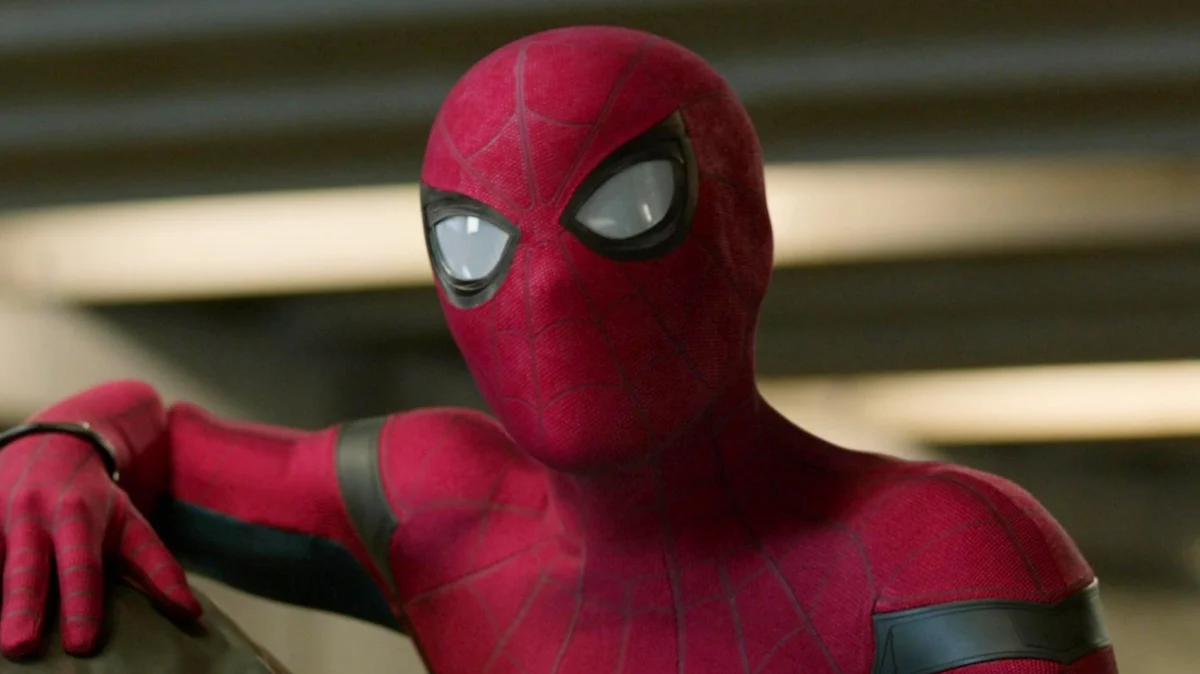
The cultural footprint of Spider-Man remains one of the most enduring phenomena in modern cinema. Even as fans look toward the horizon for the next chapter of the wall-crawler’s saga—the highly anticipated Brand New Day—audiences have found themselves drawn back to the roots of the Marvel Cinematic Universe’s (MCU) version of the character. As of early July 2026, the 2017 hit Spider-Man: Homecoming has seen a massive resurgence in popularity, storming the Netflix Top 10 charts and proving that Tom Holland’s debut solo outing remains a quintessential piece of superhero entertainment.
Main Facts: A Streaming Powerhouse Reborn
The data provided by streaming watchdog Flix Patrol confirms that Spider-Man: Homecoming has secured the #3 spot on the Netflix U.S. movie charts following its re-addition to the platform on June 30, 2026. Directed by Jon Watts, the film serves as the foundational pillar for the current iteration of Peter Parker, and its sudden climb to the top of the streaming charts highlights a persistent audience appetite for familiar, high-quality superhero fare.
This surge is not merely a result of the film’s quality, but rather a convergence of timing, brand loyalty, and the cyclical nature of streaming consumption. By providing an accessible, low-stakes entry point into the sprawling MCU, Homecoming acts as a gateway for new viewers and a comfort watch for long-term fans. Its presence on Netflix—a platform with a massive global reach—has effectively revitalized interest in the character just as the broader Sony-Marvel narrative enters its next phase.
Chronology: A Decade of Web-Slinging
To understand the current fervor, one must look at the timeline of Tom Holland’s tenure as the iconic hero. The trajectory of this version of Spider-Man has been nothing short of transformative:
- May 2016: Tom Holland makes his electrifying debut as Peter Parker in Captain America: Civil War. This appearance served as a test run for the character, marking a decade of evolution that has fundamentally altered how audiences perceive Marvel’s flagship hero.
- July 2017: Spider-Man: Homecoming is released in theaters, marking the first standalone MCU film for the character. It successfully pivoted away from origin story tropes, focusing instead on the "neighborhood" aspect of being a hero.
- 2017–2025: Throughout this period, the character evolved through Infinity War, Endgame, and the multiverse-spanning No Way Home. Each film raised the stakes significantly, moving from high school drama to cosmic threats.
- June 30, 2026: Spider-Man: Homecoming makes its return to Netflix in the United States, immediately triggering a massive spike in viewership.
- Present Day: The impending release of Brand New Day acts as a thematic bookend to the journey that began with Homecoming, fueling a "rewatch culture" among fans who want to revisit the character’s humble beginnings.
Supporting Data: The "Netflix Bump" and Viewer Behavior
The performance of Homecoming on Netflix is a textbook example of the "Netflix Bump"—a phenomenon where films or television series that have been absent from streaming platforms for a significant period see an explosive resurgence in viewership upon their return.
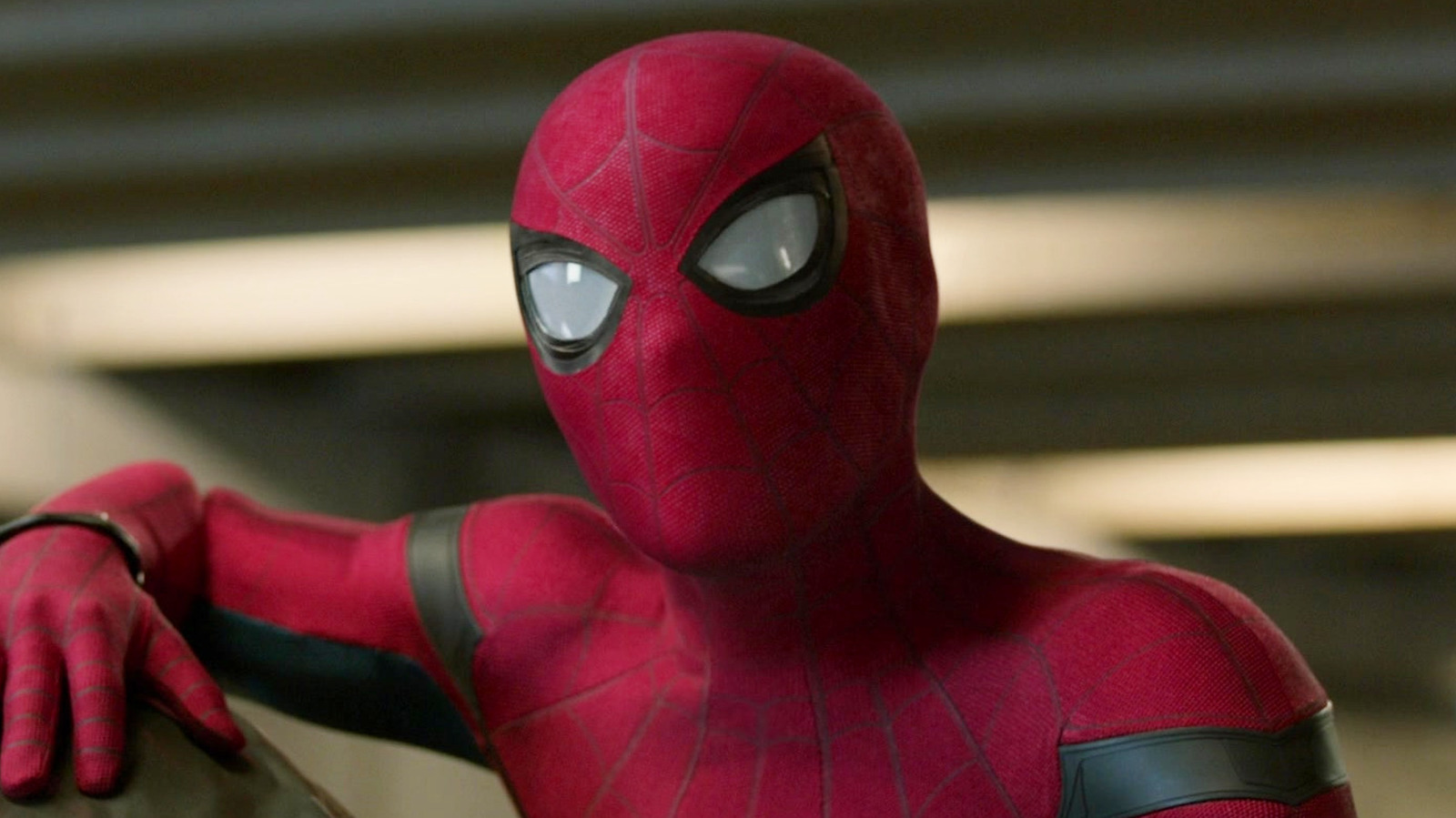
Streaming analytics suggest that subscribers often prioritize content that is perceived as "event" viewing or easy-to-digest entertainment during holiday windows. With the Fourth of July weekend serving as a prime viewing period, the film’s lighthearted tone, high-school-centric narrative, and lack of "multiversal" baggage make it an ideal choice for families and casual viewers alike.
Furthermore, the recent success of Madame Web on Netflix serves as a compelling case study. Despite critical reception, the platform’s algorithm and the sheer brand power of the Spider-Man name can propel even divisive content to the top of the charts. When that brand power is paired with a well-regarded, crowd-pleasing entry like Homecoming, the results are magnified, solidifying the film’s position as a streaming staple.
The Fourth of July Connection
There is a poetic irony in the film’s success during the United States’ 250th birthday celebration. Spider-Man: Homecoming is, in many ways, an American road movie disguised as a superhero flick. The film’s climax in Washington D.C., and its distinctly "small-town" feel—despite being set in New York—resonates with the Americana aesthetic often associated with the holiday.
While audiences have a plethora of traditional patriotic films to choose from—such as Independence Day or Born on the Fourth of July—the inclusion of Homecoming into this rotation speaks to the shifting landscape of modern tradition. In an era where superhero cinema is the modern equivalent of the "summer blockbuster" of the 1990s, Homecoming provides the perfect blend of action and charm. It avoids the grim, world-ending existential threats that define many modern blockbusters, focusing instead on the relatable, grounded struggles of a teenager attempting to balance his secret life with the mundane realities of high school.
Implications: The Future of the Spider-Verse
The success of Homecoming carries significant implications for both Sony and Marvel. It reinforces the idea that the "Tom Holland era" of Spider-Man is not just a passing phase, but a permanent fixture in the cultural zeitgeist.
1. Sustained Interest in Back-Catalog Content
The streaming dominance of this film proves that audiences are not just looking forward to the next blockbuster; they are actively curating their own marathons. The "Brand New Day" era is likely to rely on this foundational knowledge, and the ease with which viewers can access previous entries will be vital for the box-office success of future sequels.
2. The Power of "Low-Stakes" Storytelling
In an era where "superhero fatigue" is frequently discussed by critics and analysts, the enduring popularity of Homecoming suggests that what viewers are actually craving is not the absence of superheroes, but the absence of bloated, confusing narratives. The focused, character-driven story of Homecoming remains a blueprint for how to keep the genre feeling fresh and personal.
3. Cross-Platform Synergy
The collaboration between Sony (who owns the film rights) and Netflix (the distributor) highlights the shifting power dynamics of the film industry. By allowing these films to find new audiences on subscription platforms, Sony is ensuring that the Spider-Man brand remains omnipresent, effectively marketing their upcoming projects through the lens of nostalgia.
Conclusion: Why We Keep Coming Back
Ultimately, Spider-Man: Homecoming resonates because it captures the essence of Peter Parker at his most vulnerable and relatable. Whether it is the chemistry between Holland and Zendaya, the mentorship dynamic with Tony Stark, or the refreshing lack of multiverse-shattering stakes, the film remains a high-water mark for the MCU.
As we move closer to the release of Brand New Day, the current Netflix chart success is more than just a passing trend—it is a testament to the character’s longevity. For those looking for the perfect weekend watch, the choice is clear: there is something timeless about a young, baby-faced Spider-Man trying to prove himself. As the world gears up for the next chapter of the saga, it seems that for many, the best way to move forward is by starting from the very beginning.










