

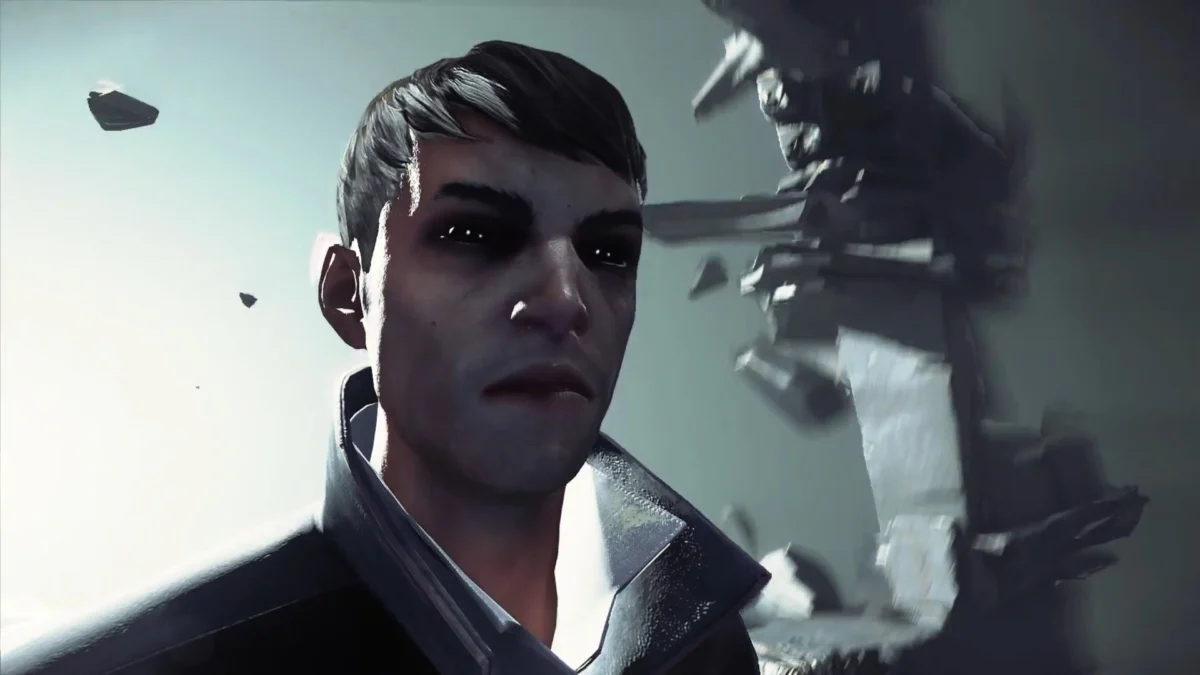
In a period of unprecedented turbulence for Microsoft’s gaming division, the industry is reeling from a series of massive layoffs and the potential dissolution of some of its most storied development houses. Among the most striking developments is the news that Arkane Studios—the celebrated architect behind the Dishonored series and Prey—is currently under review for "strategic options," a euphemism that has signaled the end of many internal teams. Amidst this uncertainty, Raphael Colantonio, the visionary founder who spent 18 years building Arkane, has publicly mused about the prospect of buying the studio back, casting a spotlight on the friction between corporate consolidation and the artistic identity of game development.
The Current Crisis: A Summary of Events
The gaming landscape was shaken this week as Microsoft announced a historic restructuring of its Xbox division. The company is laying off approximately 3,200 employees, representing one of the largest single-day workforce reductions in the history of the gaming industry. These cuts are not merely administrative; they signify a fundamental shift in how Microsoft manages its extensive portfolio of studios.
Central to this narrative is the fate of Arkane Studios. As part of a required consultation process, Xbox leadership has entered discussions regarding the studio’s future. Should these "strategic options" result in a divestment, Arkane would join a growing list of studios being spun out or shuttered by the tech giant. This list already includes Compulsion Games, Double Fine, Ninja Theory, and Undead Labs—all of which are facing similar transitions as Microsoft attempts to rectify its balance sheet.
A Chronology of Consolidation and Contraction
To understand the gravity of the current situation, one must look back at the trajectory of Microsoft’s aggressive acquisition strategy over the past decade.
- The Era of Expansion: Between 2018 and 2023, Microsoft went on an acquisition spree, bringing Bethesda Softworks (the parent company of Arkane) and Activision Blizzard under the Xbox Game Studios umbrella. The intent was clear: to flood the Xbox Game Pass subscription service with high-quality, exclusive content.
- The Redfall Catalyst: The narrative began to sour with the critical and commercial disappointment of Redfall, developed by Arkane Austin. The closure of that specific branch earlier this year was the first major blow to the Arkane legacy under Microsoft’s ownership.
- The Present Day: The current restructuring is a direct response to what Microsoft leadership terms "unmet growth expectations." The company is now actively shedding assets, effectively reversing years of consolidation in a desperate attempt to curb costs and pivot toward a leaner operational model.
Colantonio’s Query: A Symbolic Resistance
The most viral moment in this ongoing drama occurred on social media. Following a statement released by Xbox CEO Asha Sharma detailing the layoffs, Raphael Colantonio—who left Arkane in 2017 to found WolfEye Studios—posted a pointed, tongue-in-cheek inquiry: "Regarding Arkane… how much? I’m asking for a friend."
While observers rightly caution that this should not be interpreted as a formal business proposal, the sentiment resonates deeply with the gaming community. Colantonio is not merely an outsider looking in; he is the architect of the studio’s "Immersive Sim" DNA. His past criticisms of Microsoft—including his public declaration that the shuttering of Arkane Austin was "stupid" and his skepticism regarding the long-term viability of the Game Pass model—lend weight to his intervention.
Supporting Data: The Sustainability Debate
Colantonio’s critique of Xbox Game Pass touches on the core issue plaguing the modern gaming industry: the "Infinite Money" paradox. For years, Microsoft relied on the assumption that a massive, subscription-based library would eventually achieve a critical mass of users to sustain the high costs of triple-A development.
However, the data suggests this model is straining under its own weight. In statements provided to staff, Microsoft executives acknowledged that while the strategy of betting on Game Pass and a diverse portfolio created "meaningful value," it failed to generate the necessary growth. Financial analysts have noted that in a typical fiscal year, Microsoft’s gaming division has struggled with significant inefficiencies, reportedly losing significant capital for every dollar invested in new acquisitions.
This data paints a bleak picture: the very acquisitions intended to bolster the Xbox brand have become, in some instances, a financial liability. The pivot to "divestment" is, in cold business terms, an admission that the original strategy of rapid scaling was fundamentally flawed.
Official Responses and Corporate Strategy
The official rhetoric from Microsoft, channeled through executives like Asha Sharma, frames these cuts as a painful but necessary evolution. The narrative is one of "realignment"—moving away from the broad, expensive, and sometimes chaotic expansion of the previous five years toward a more focused, profitable, and platform-agnostic future.
However, for the developers on the ground, this realignment feels like a betrayal of the creative mission. The process of "consultation" is a legal and corporate formality that often serves as the final waiting room before a studio is either sold to a third party, restructured into a smaller service team, or dissolved entirely. The lack of transparency surrounding these "strategic options" has left the developers at Arkane—and their fans—in a state of professional limbo.
The Implications for the Industry
The potential loss of Arkane Studios, or its forced independence, carries significant implications for the future of game design.
1. The Death of the Immersive Sim?
Arkane is one of the few studios that consistently champions the "Immersive Sim" genre—a style of game that prioritizes player agency, environmental storytelling, and non-linear problem-solving. If these studios are broken up or forced to conform to the demands of smaller, more generic projects, the industry loses a vital pillar of artistic innovation.
2. The Limits of Subscription Models
The struggle at Microsoft serves as a warning to the rest of the industry. If a company with the capital of Microsoft cannot make the "Netflix of Games" model work with such an expansive studio roster, it suggests that the industry may need to return to more traditional unit-sale models or find a hybrid path that doesn’t sacrifice studio autonomy.
3. The Human Cost of Corporate Strategy
Beyond the headlines, the human cost is the most profound. Talented developers who spent years pouring their souls into games like Deathloop and Dishonored are being caught in the crossfire of quarterly financial reports. The "divestment" of these studios, even if they continue to exist as independent entities, represents a massive loss of institutional knowledge, culture, and team cohesion.
Conclusion: Reality Hits
Raphael Colantonio’s assertion that "at some point, reality has to hit" has proven prophetic. Microsoft’s aggressive push into total market dominance through acquisition has encountered the hard wall of fiscal reality.
As Arkane Studios navigates this period of extreme uncertainty, the gaming community remains hopeful that the studio will survive—perhaps even thriving outside the shadow of a corporate giant that no longer seems to know what to do with its creative talent. Whether or not Colantonio’s "friend" eventually makes a bid, the damage to the reputation of the Xbox brand as a steward of creative excellence may be irreversible. For now, we wait to see if Arkane will be the next casualty in a trend of consolidation that has, in the end, served neither the developers nor the players.










