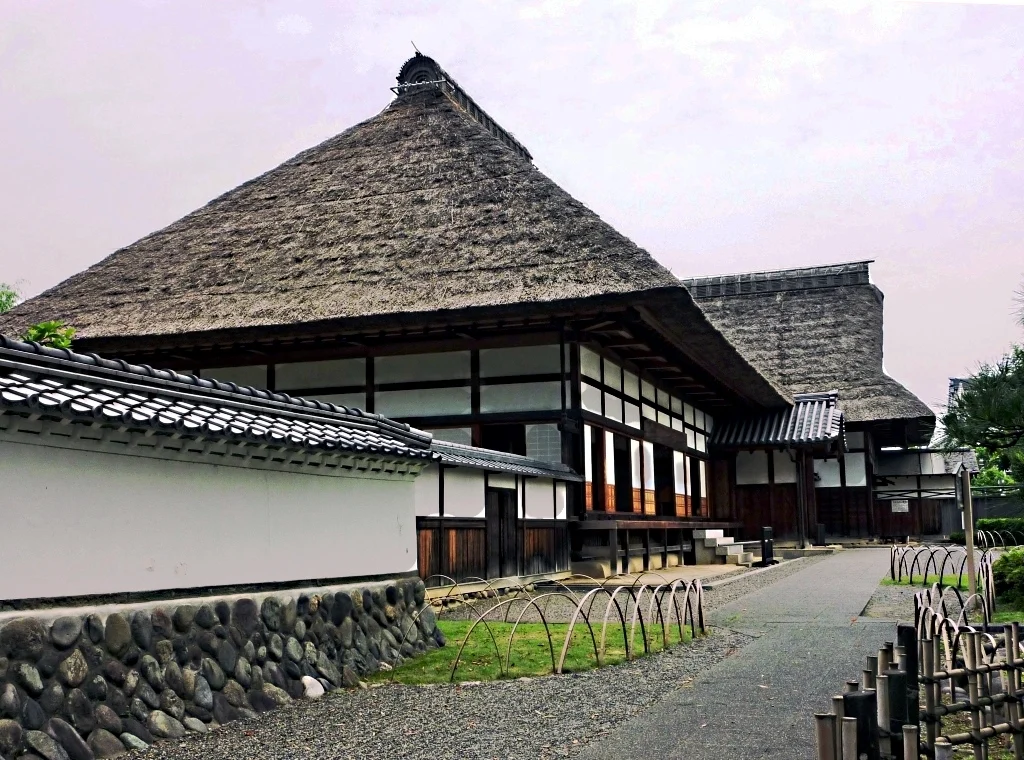
Nestled in the quiet, historic city of Ashikaga in Tochigi Prefecture, a short 75-minute train ride from the bustling metropolises of Tokyo, lies a site of profound intellectual significance that remains curiously overlooked by the average international traveler. Ashikaga Gakko, Japan’s oldest standing academic institution, represents a bridge between medieval East Asian philosophy and the modern intellectual landscape of Japan. With origins dating back to the 9th century, it predates the world’s most famous European universities—including Oxford, Cambridge, and Bologna—yet it persists as a tranquil sanctuary, largely undisturbed by the mass tourism that defines nearby sites like Nikko.
The Pillars of Antiquity: Main Facts
Ashikaga Gakko is not merely a monument; it is a testament to the longevity of Confucian education in Japan. While the precise founding date remains a subject of debate among historians, the most widely accepted documentation places its origins around 839 or 842 CE. Whether attributed to the scholar Ono no Takamura or Prince Shimotsuke, the institution holds the undisputed title of the oldest academic entity in Japan.
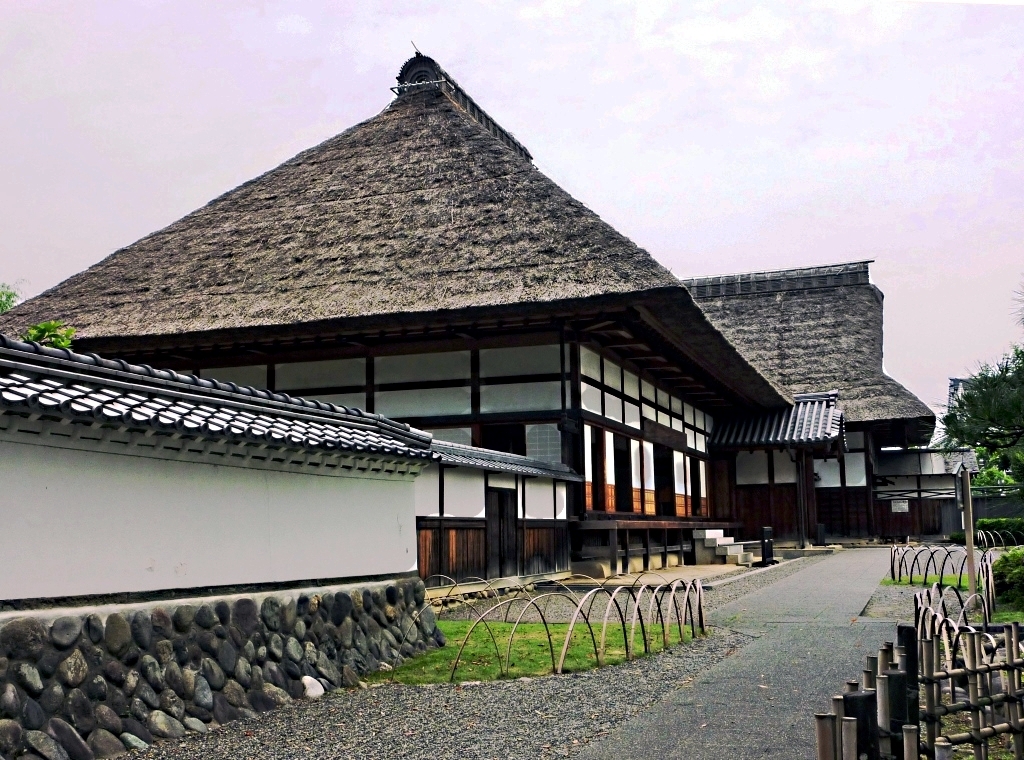
At its zenith in the mid-16th century, the school functioned as a massive intellectual hub, hosting approximately 3,000 students. Its reputation was so pervasive that it caught the attention of Western explorers; the Jesuit missionary Francis Xavier famously described the academy in a 1549 letter to Rome as “the largest and most famous academy in Eastern Japan.” Today, the site spans roughly 8,000 square meters, meticulously restored in 1990 to mirror its Edo-period configuration, allowing visitors a rare glimpse into the architectural and pedagogical life of a 17th-century Japanese academy.
A 1,200-Year Chronology: From Heian Roots to Meiji Reform
The history of Ashikaga Gakko is a narrative of cycles—periods of decline followed by vigorous intellectual revival.
The Heian Foundation and Early Medieval Decay
The school emerged during the early Heian period, a time when the Japanese aristocracy was deeply engaged with Chinese literature and philosophy. For several centuries, it served as a provincial center for learning, though the volatility of the Kamakura period saw the institution fall into a state of neglect.
The 1432 Renaissance
The modern institutional identity of Ashikaga Gakko was forged in 1432. Uesugi Norizane, a powerful lord of Shimotsuke Province, recognized the potential of the site and initiated a massive cultural intervention. He invited renowned Zen scholar-monks from the Engaku-ji temple in Kamakura to staff the school and donated his own extensive library, which included rare Song Dynasty Confucian texts. This act shifted the curriculum toward rigorous Confucian and classical-philosophy study, cementing the academy’s status as a premier center for secular education.
The Peak and the Meiji Closure
By the 16th century, under the patronage of the Hojo clan, the academy reached its apex. It taught Chinese classical literature, the I Ching (for divination), medicine, and military strategy. However, the Meiji Restoration of 1868 brought a sweeping overhaul of the Japanese educational system. The Confucian academic model was deemed obsolete in favor of Western-style public schooling, and Ashikaga Gakko was shuttered. Its vast library was dispersed, and the site was partially converted into a local elementary school. It was not until 1928 that the site received formal protection as a National Historic Site, eventually leading to the comprehensive restoration completed in 1990.
Supporting Data: The Anatomy of the Academy
A visit to the school is an immersion into the deliberate, structured nature of Japanese scholastic life. The site is laid out to guide the visitor through a series of gates and halls, each serving a specific ceremonial or educational purpose.
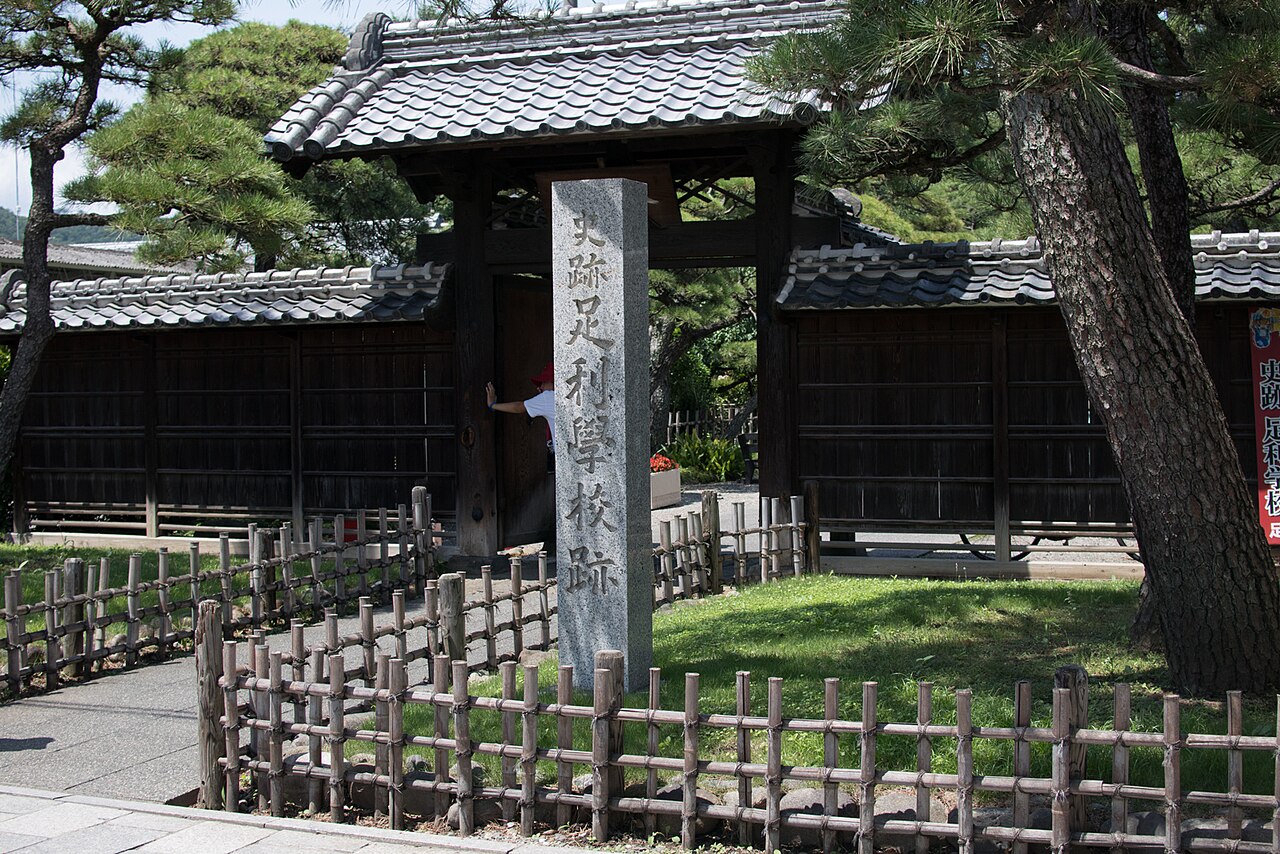
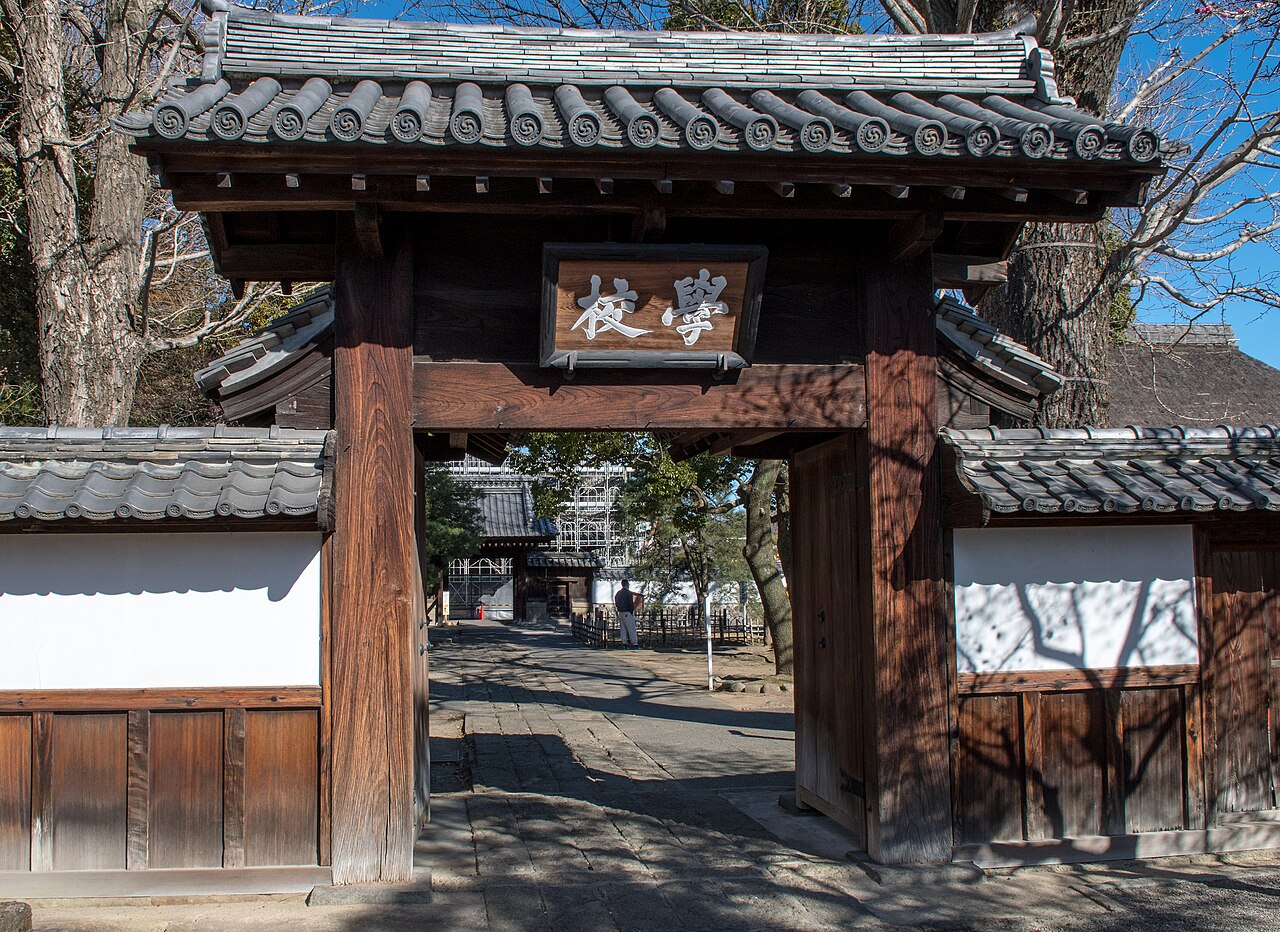
- The Gates of Virtue: The Nyutoku-mon (Entering Virtue Gate) and the Gakko-mon (Main School Gate) serve as the thresholds between the mundane world and the space of study. Tradition dictated that students bow at these gates, acknowledging the gravity of the knowledge within.
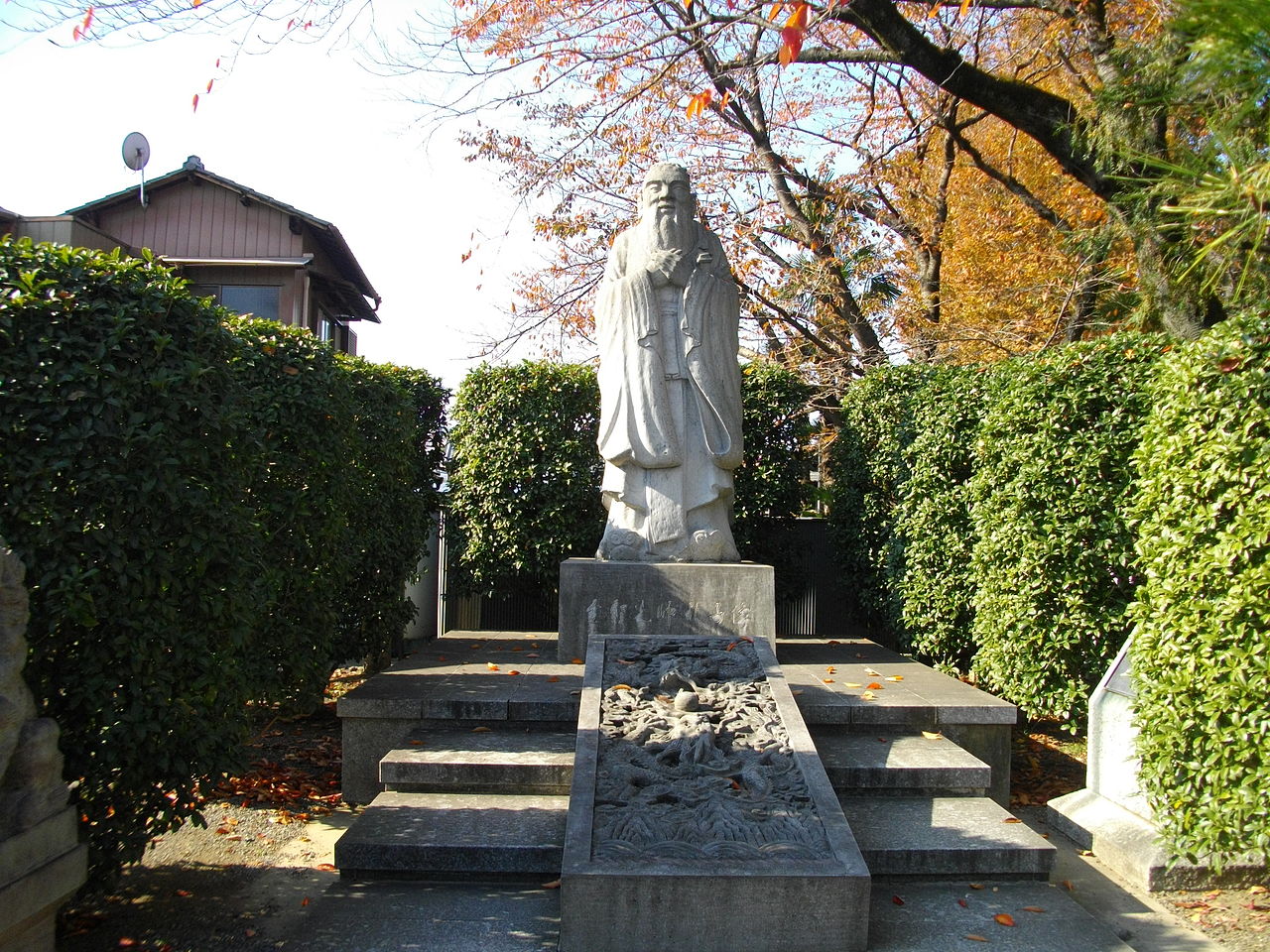
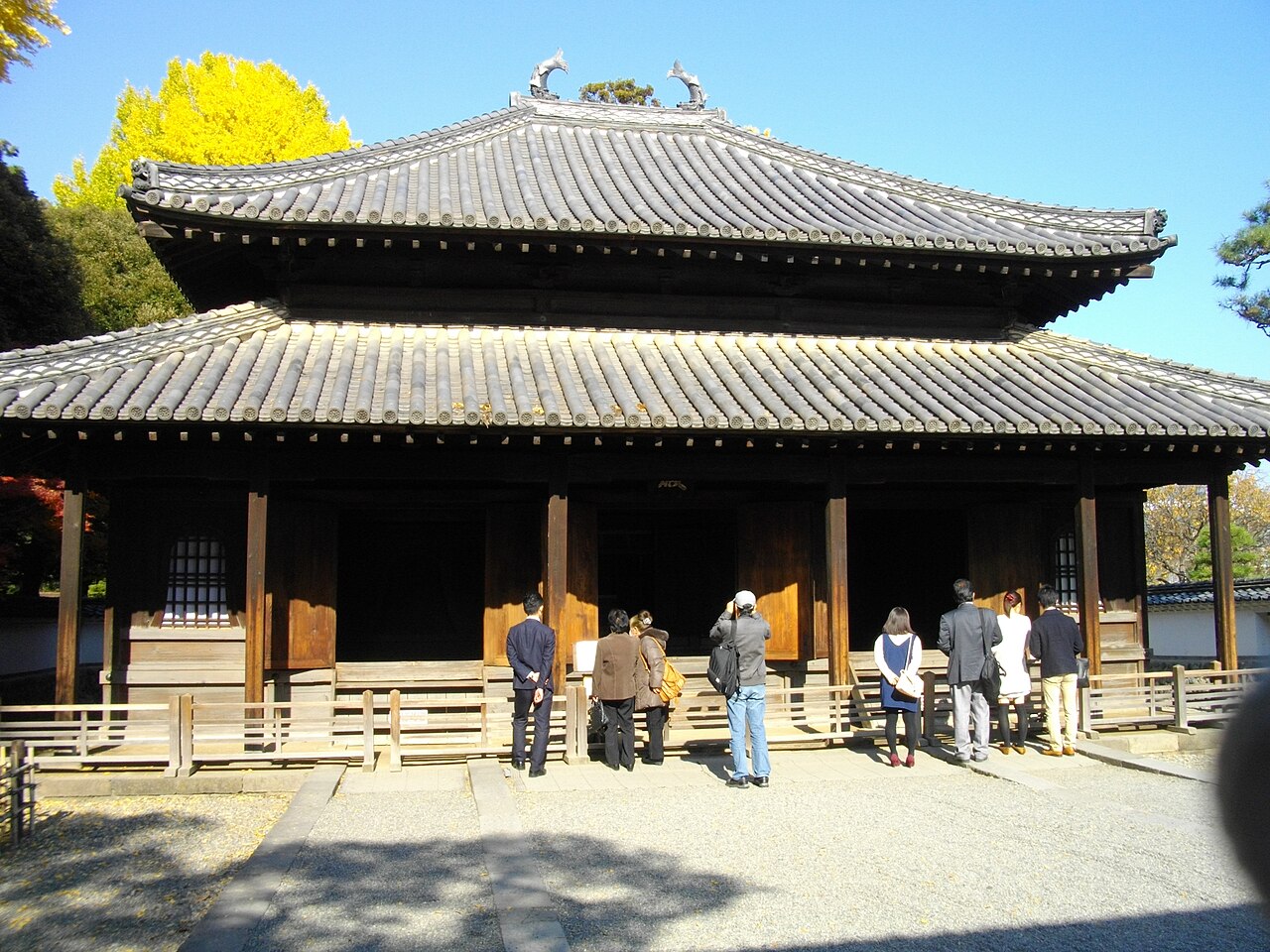
- The Koshibyo (Confucian Temple): This remains the spiritual heart of the academy. It houses a 16th-century statue of Confucius and remains the only site in Japan where the original Edo-period sekiten rites are still performed.
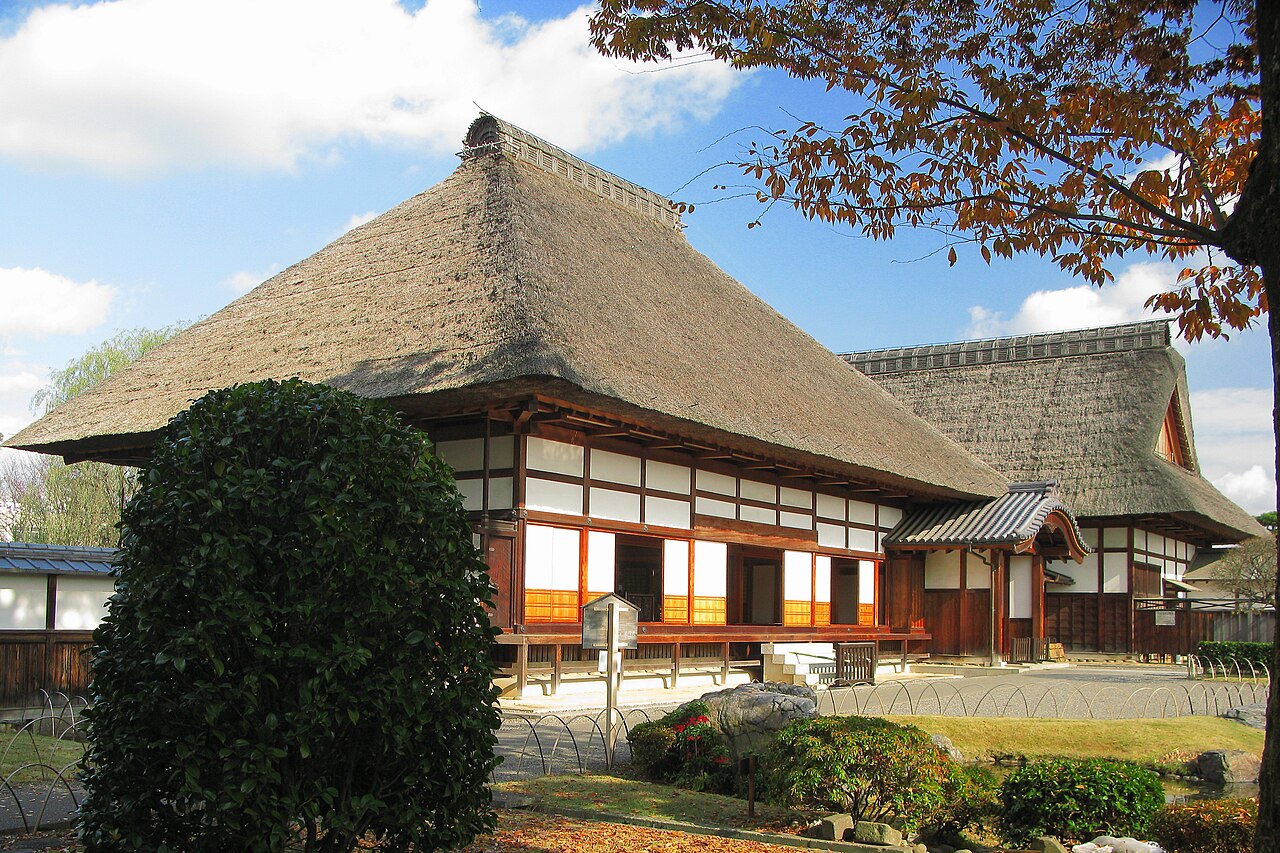
- The Hojo (Residence Hall): This is where the head teacher, or shoshi, resided. The architecture reflects the austerity and precision of the Zen-Confucian aesthetic, with tatami rooms serving as classrooms and living quarters.
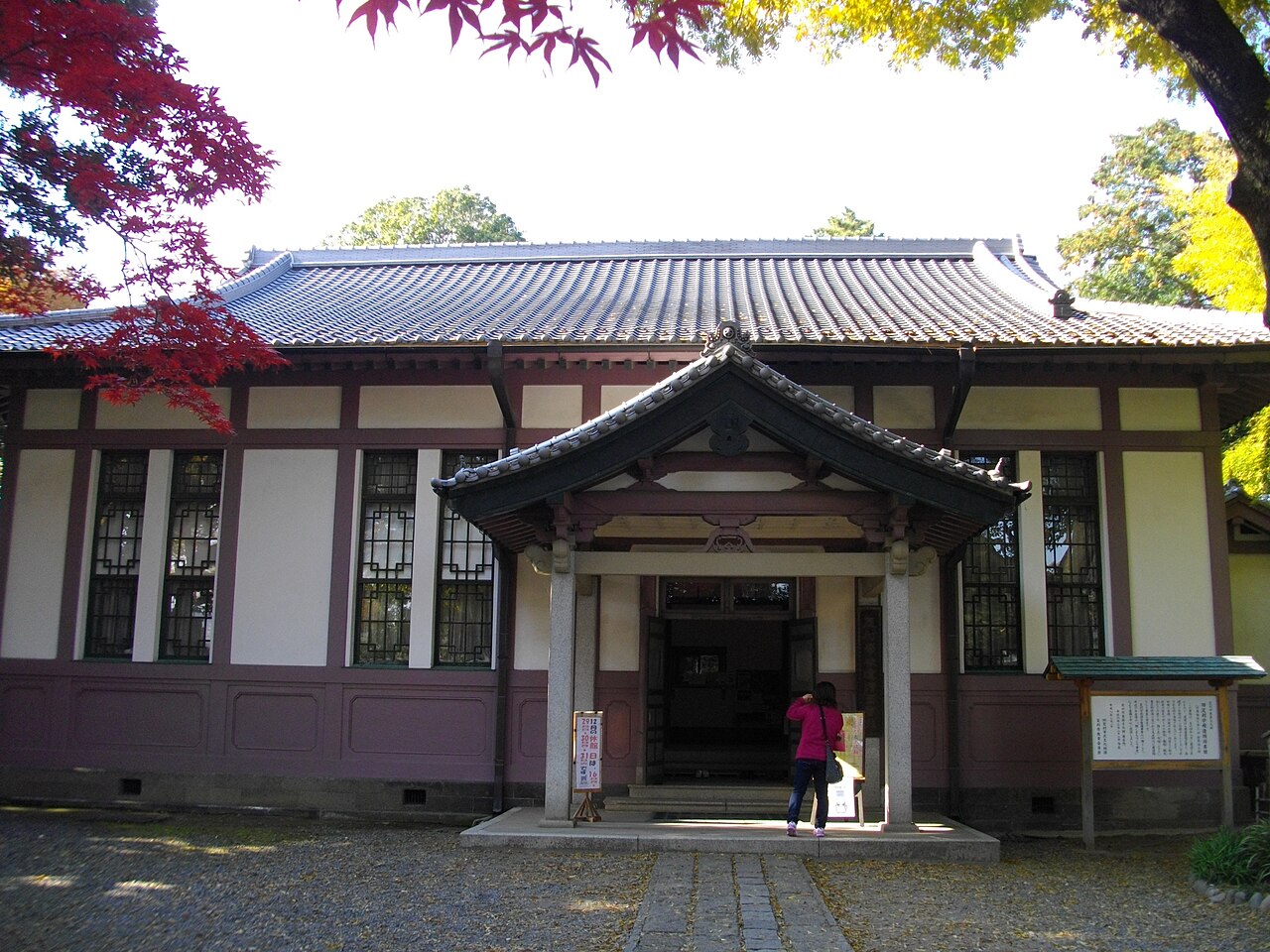
- The Library Wing: While the original volumes are now housed in the Tokyo National Museum and the National Diet Library, the reconstructed library displays high-quality facsimiles that illustrate the vast scope of the school’s 15th-century collection, covering everything from the Analects to advanced Chinese medical treatises.
Official Responses and Preservation Ethics
The Japanese government’s commitment to Ashikaga Gakko has been steadfast since the 1990 restoration. The archaeological team that oversaw the project worked in tandem with historians to ensure that every wooden joint and stone placement adhered to 17th-century architectural standards.
The preservation efforts have also been social. The institution maintains a "living" connection to its history through the weekly Analects read-aloud sessions. These sessions are not merely performative; they represent a conscious effort by the local academic community to maintain the practice of classical-Chinese pronunciation and interpretation, ensuring that the school does not become a "dead" museum but remains a functional site of scholarly inquiry.
Implications: Why Ashikaga Gakko Matters
The implications of visiting Ashikaga Gakko go beyond simple sightseeing. In an era where global education is increasingly digitized and standardized, this academy offers a sobering contrast. It highlights the persistence of the "East Asian scholarly tradition," where education was inextricably linked to ritual, ethics, and a deep, multi-generational connection to a specific library and master.
For the Humanities and Education
For scholars, the school is a pilgrimage site. It proves that there was a highly sophisticated, secular, and non-monastic educational infrastructure in medieval Japan that operated independently of the state-run Buddhist institutions of the time. The exclusion of Buddhist theology from the curriculum in favor of pure Confucianism was a radical, forward-thinking pedagogical decision that shaped the intellectual history of the Tokugawa era.
For the Cultural Traveler
The school offers a quiet, contemplative alternative to the crowded shrines of Kyoto. By visiting, travelers support a local economy that is actively fighting to keep its history relevant. Combining a visit with the nearby Banna-ji temple—the family temple of the Ashikaga clan—provides a comprehensive view of the power dynamics and cultural output of the medieval Japanese nobility.
Practical Advice for the Modern Pilgrim
For those planning a visit, the best experience is found on a weekday morning during the last two weeks of October. As the Japanese maples (momiji) in the Northern Garden turn deep shades of crimson and gold, the site takes on a serene, almost ethereal quality.
To maximize the experience, travelers should:
- Rent the English audio guide at the entrance for context that the text-heavy Japanese signage lacks.
- Purchase the combined ticket with Banna-ji to save on costs and see the wider historical complex.
- Engage with the Sunday morning sessions if the schedule permits; even if the language barrier prevents participation, observing the rhythmic reading of the Analects provides an insight into the auditory history of the school that no exhibit can replicate.
Ashikaga Gakko remains a vital node in the history of global learning. It serves as a reminder that the pursuit of knowledge has deep, physical roots in Japan, and that the "oldest" institutions are often those that have been most resilient in the face of changing times, architectural decay, and political upheaval. Whether you are an educator, a student of history, or simply a traveler looking for a moment of quiet reflection, this school offers an unmatched perspective on the intellectual heritage of East Asia.