In an era where convenience is increasingly prioritized over ownership, the gaming industry is undergoing a seismic shift. The move toward an all-digital future—once a speculative trend—is rapidly becoming a corporate mandate. Leading the discourse on the potential cultural catastrophe of this transition is legendary auteur Hideo Kojima, the visionary creator behind Metal Gear Solid and Death Stranding.
During a recent appearance at the Il Cinema in Piazza film festival in Rome, Kojima offered a stark, sobering assessment of the industry’s trajectory. Responding to the mounting evidence that physical media is being systematically phased out, Kojima characterized the trend as "frightening," highlighting the precarious nature of our collective digital heritage.
The Catalyst: A Shift in Industry Standards
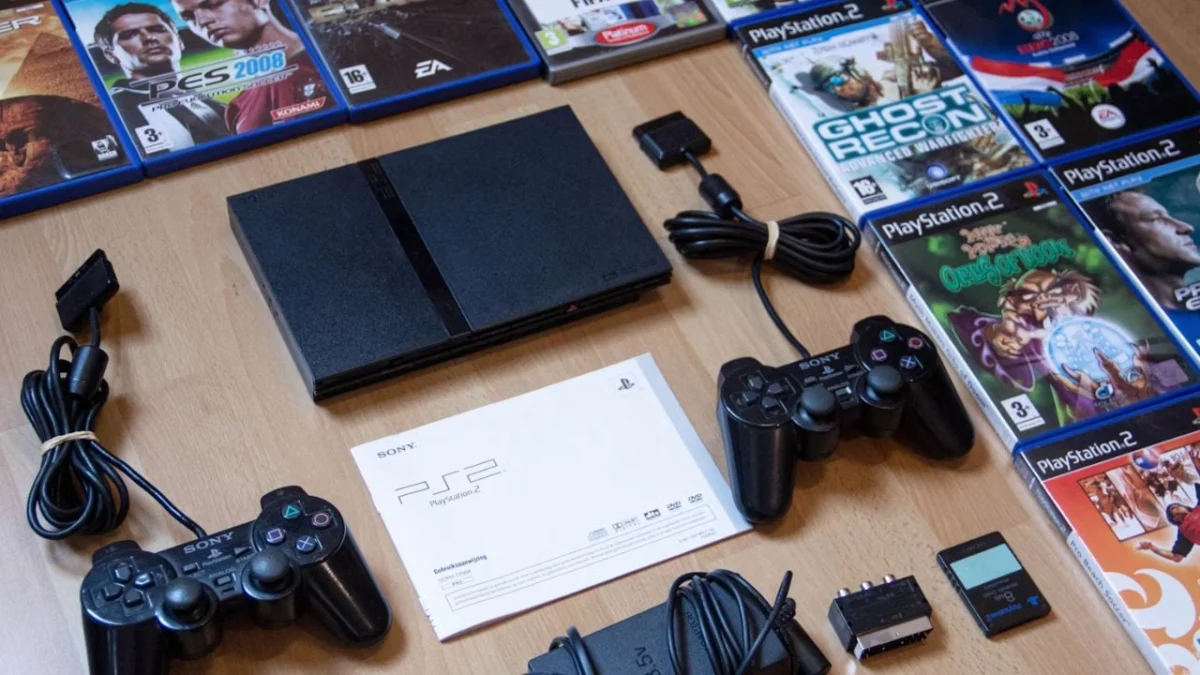
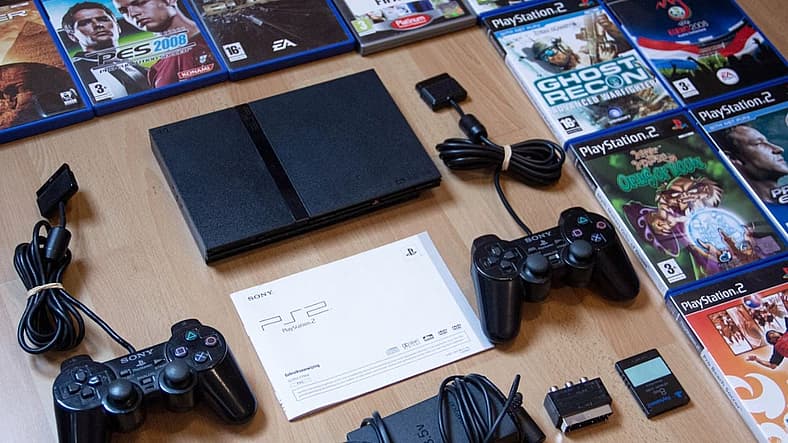
The conversation around the decline of physical media was reignited by reports indicating that Sony Interactive Entertainment intends to cease the production of physical game discs for its PlayStation platform by 2028. While Sony has not issued a universal decree, the industry-wide trend toward digital-only consoles and the aggressive promotion of subscription services suggest that the era of the physical disc is nearing its twilight.
For Kojima, this transition is not merely a logistical change in how software is distributed; it is a fundamental threat to the concept of preservation. "Since production is ending in 2028, this is about video games," Kojima noted during the festival. "But I grew up with physical media, so I find it really sad."
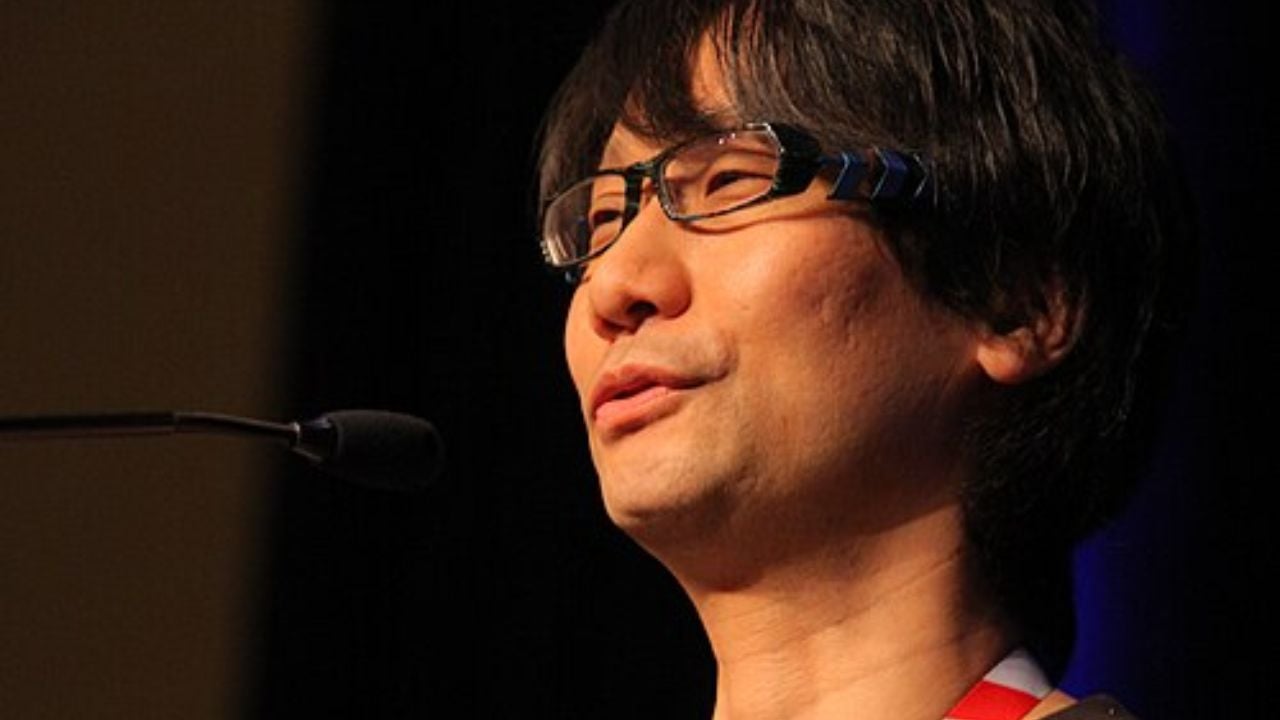
His personal response to this decline has been a deliberate return to analog acquisition. Kojima revealed that he has been aggressively purchasing Blu-rays and CDs to ensure that the media he loves remains within his own physical possession, beyond the reach of server-side shutdowns or licensing expirations.
A Chronology of the Digital Transition
To understand the weight of Kojima’s concerns, one must examine the timeline of the industry’s pivot toward digital dominance:
- The Early 2000s (The Dawn of Digital): Platforms like Steam began to normalize the idea of buying games without a box, disc, or manual. At the time, it was marketed as a convenience for PC gamers, allowing instant access to titles without needing to visit a brick-and-mortar retailer.
- 2013 (The Console Shift): With the launch of the PlayStation 4 and Xbox One, day-one digital downloads became the standard. Physical discs essentially became "keys" to install data rather than the primary source of the software itself.
- 2020 (The Hardware Pivot): The release of the PlayStation 5 and Xbox Series S/X solidified the split-tier hardware strategy. The introduction of "Digital-Only" console models signaled to consumers that physical media was now optional—and potentially, in the long run, obsolete.
- 2024 and Beyond (The Subscription Era): The rise of services like PlayStation Plus, Xbox Game Pass, and various cloud-streaming initiatives has shifted the paradigm from "owning a game" to "renting access to a library."
The Illusion of Ownership: Digital vs. Streaming
A critical component of Kojima’s argument lies in the distinction between a downloaded file and a streamed service. Kojima acknowledges that current digital downloads at least reside on the user’s local hardware, offering a semblance of permanence. However, he warns that the industry is aggressively pushing toward a streaming-first model, which fundamentally alters the power dynamic between the corporation and the consumer.
"The situation is different for games, as they are downloaded to the hard drive, which means the game data remains on your own hardware," Kojima explained. "However, if things shift to streaming in the future, that won’t be the case anymore."
In a streaming-based environment, such as those popularized by Netflix or Amazon Prime, the consumer is not buying a product; they are paying a recurring fee for temporary access. This model creates a "black box" scenario. If a company decides to pull a title from their library due to expiring music licenses, poor performance, or simple corporate restructuring, the user has no recourse. The content effectively ceases to exist for the consumer.
The Fragility of Digital Infrastructure
Kojima’s warnings touch upon a vulnerability that many gamers overlook: the geopolitical and corporate volatility of the internet. By relying on servers that are managed, owned, and regulated by massive corporations, users are subjecting their library to the whims of third parties.
"There are companies that own these servers and let you ‘turn the tap’ for a monthly fee," Kojima stated. He pointed out that political changes, shifts in international licensing agreements, or even the bankruptcy of a platform holder could lead to the mass deletion of digital libraries.
"One naturally has to consider the possibility that if there is a change, the data inside will stop being distributed," Kojima warned. "And if that happens, you won’t be able to watch or play the movies and games you like. That is what is frightening."
Implications for Cultural Preservation
The loss of physical media is not just an inconvenience for collectors; it is a crisis for the preservation of video games as an art form. Video games are the only medium that relies entirely on complex, proprietary hardware and software to function.
If the digital storefronts of today are eventually shuttered—much like the Nintendo 3DS and Wii U eShops, which saw hundreds of titles effectively "lost" to the average consumer—we risk a "digital dark age." In this scenario, significant portions of gaming history will become inaccessible to future generations.
The Case for Physical Media
- True Ownership: A physical disc is a tangible asset that can be traded, sold, or kept for decades regardless of a company’s server status.
- Preservation: Physical media acts as a backup against digital rot and "delisting," which has become common in the industry as licenses for soundtracks or likenesses expire.
- Independence from Connectivity: Physical media allows for offline play, insulating the consumer from the requirement of a constant, high-speed internet connection to authenticate their library.
Industry Response and Future Outlook
While Sony and other industry giants argue that the move to digital is driven by consumer preference for convenience and the reduction of plastic waste, critics argue that it is primarily a tool for maximizing profit. By removing the second-hand market, companies can ensure that every cent of every sale flows directly into their coffers, while also maintaining total control over the software’s lifespan.
Despite the prevailing winds of the industry, there remains a vocal pushback from the gaming community. Petitions such as "Don’t Kill the Disc" have gained traction, and independent developers have begun to explore ways to release physical versions of their games through boutique publishers like Limited Run Games.
Kojima’s public stance serves as a catalyst for this ongoing debate. As one of the industry’s most influential voices, his willingness to speak out against the "frightening" trajectory of digital-only media adds immense weight to the conversation.
Conclusion: A Call for Caution
The transition to a purely digital future is presented to consumers as the next evolution of technology—more efficient, more accessible, and more sustainable. However, as Hideo Kojima poignantly observes, this evolution comes at the cost of sovereignty.
When the medium is no longer a physical object that you hold in your hand, but a series of bits on a remote server, the user’s role shifts from owner to tenant. As we approach 2028 and beyond, the industry must grapple with the question: are we sacrificing the long-term health of our cultural heritage for the short-term convenience of a download button?
Kojima’s message is clear: if we do not value the physical ownership of our media today, we may wake up in a future where our libraries are no longer ours to command.