

Spoiler Warning: This article contains significant spoilers for the seventh episode of "The Boys" Season 5.
For fans of Eric Kripke’s television universe, the boundary between the gritty, satirical world of The Boys and the supernatural, monster-hunting road trip of Supernatural has always been porous. With the fifth and final season of The Boys currently unfolding on Amazon Prime Video, Kripke—the creator of both series—has leaned heavily into his past, utilizing his signature dark humor and penchant for meta-commentary to weave the two worlds together. While the season has already made headlines for its star-studded Supernatural reunion, a smaller, more intimate nod in the seventh episode has sparked a conversation about the most iconic "character" in Kripke’s catalog: the 1967 Chevrolet Impala, affectionately known to fans as "Baby."
The Core Conflict: A Father, A Son, and a Legacy Refused
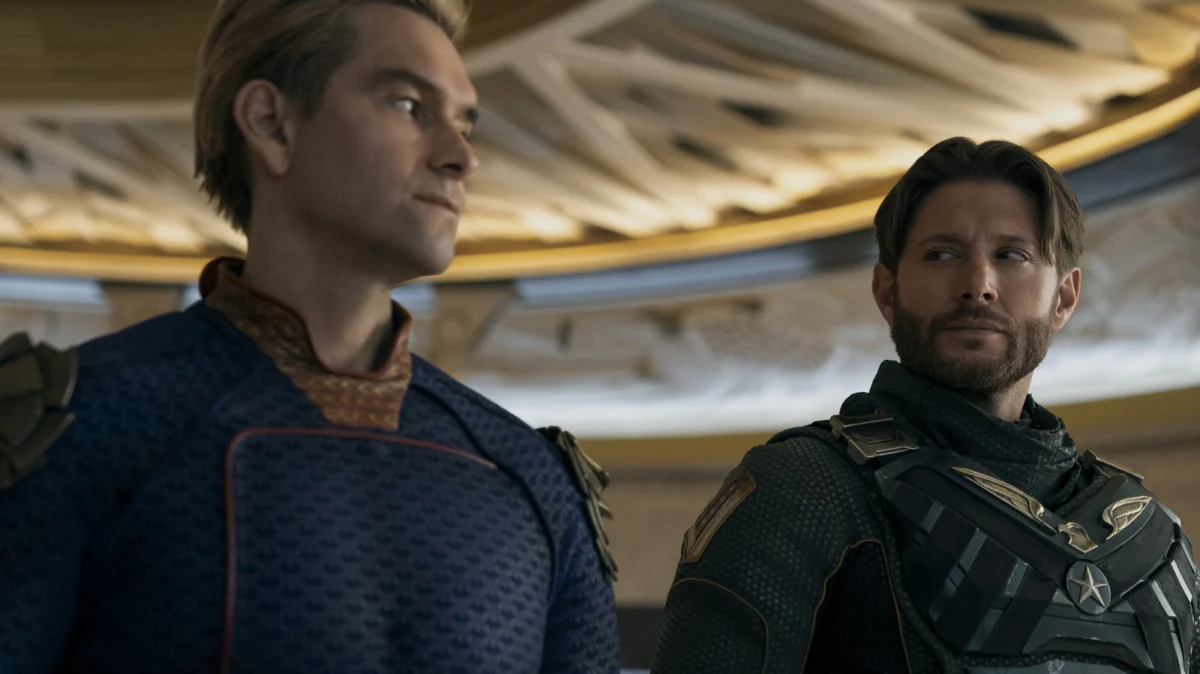
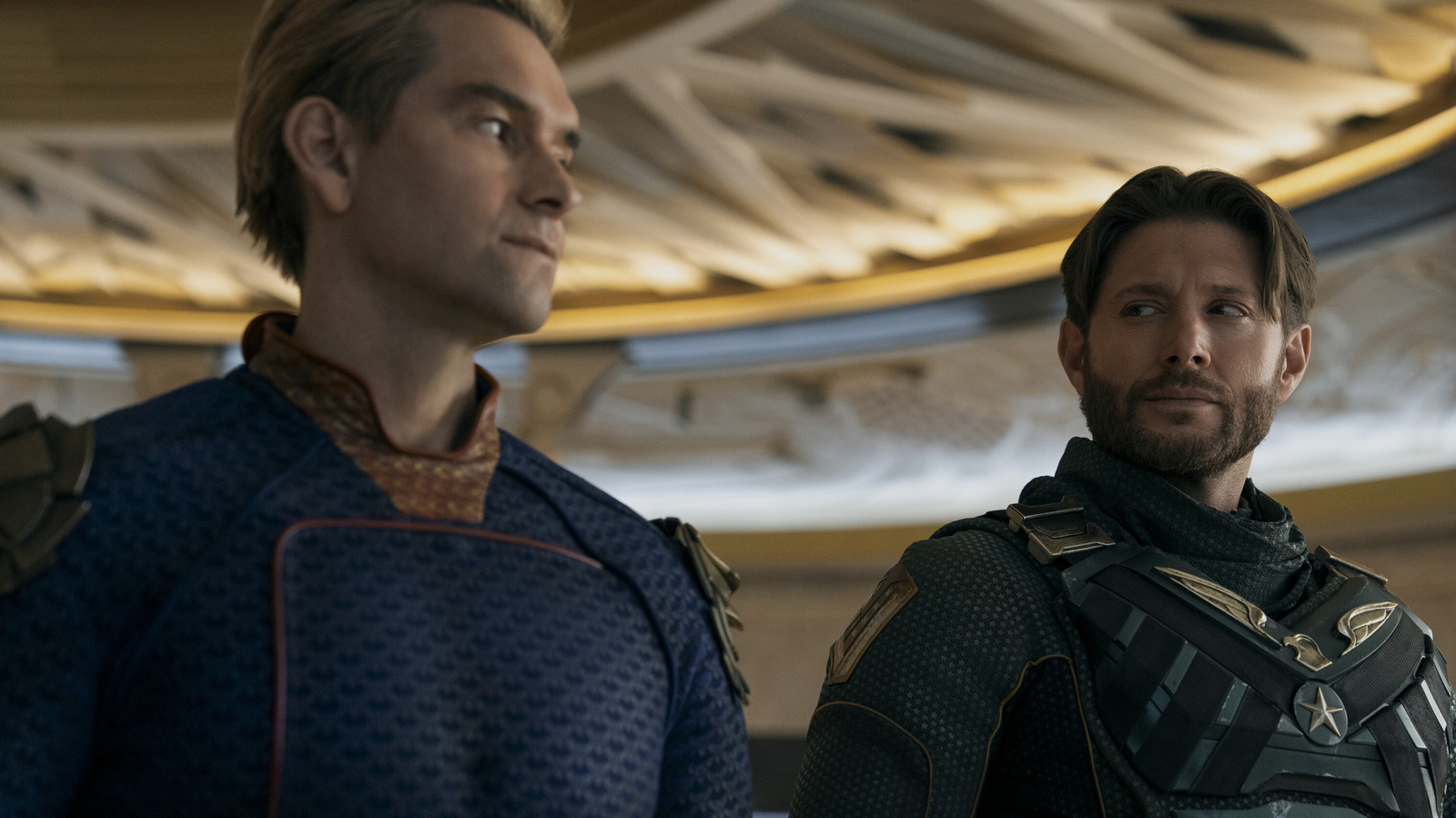
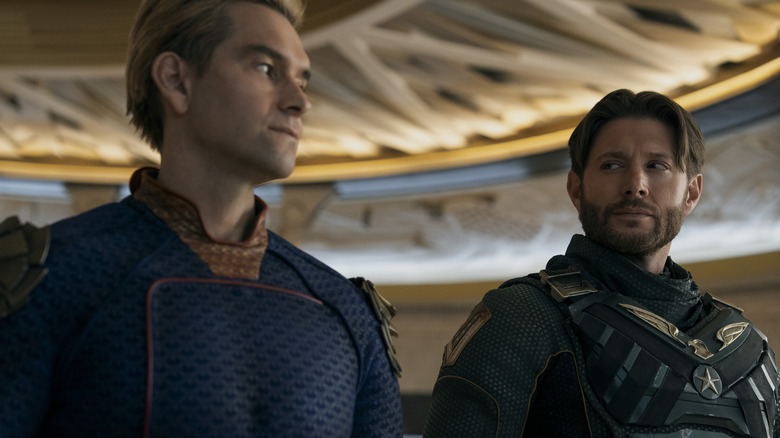
The narrative moment in question occurs during a tense, high-stakes confrontation between the series’ two most powerful antagonists: the volatile, god-complex-driven Homelander (Antony Starr) and his biological father, the antiquated and disillusioned Soldier Boy (Jensen Ackles).
In a pivotal scene that defines the fraying relationship between the two, Soldier Boy makes it clear that his time in the modern world is coming to a close. Rejecting the notion of a conventional family life or a domestic reconciliation, Soldier Boy delivers a stinging rebuke to his son. "This was never gonna be a playing catch in the front lawn, fixing up the old Impala bulls**t," he snarls. "You’re too weird."
For the casual viewer, the line serves as a shorthand for the American Dream—a rejection of normalcy. However, for the millions of viewers who spent 15 seasons tracking the Winchester brothers across the highways of America, the reference is unmistakable. It is a direct invocation of the Impala, the black-on-black muscle car that served as the mobile headquarters for Sam and Dean Winchester. By having Ackles—the very actor who spent over a decade behind the wheel of that car—deliver the line, Kripke successfully bridges the gap between his two most successful creative endeavors.
A Chronology of Easter Eggs: From Hunters to Supes
The inclusion of the Impala in The Boys is not merely a one-off joke; it is part of a deliberate, long-standing tradition of Kripke-verse cross-pollination. To understand why these references resonate so deeply, one must look at the history of these shared DNA moments.
The Season 2 Flashpoint
The obsession began in earnest during the explosive finale of The Boys Season 2. In the wake of the public exposure of Stormfront (Aya Cash) as a Nazi sympathizer, the internet culture within the show’s world went into overdrive. Among the viral content depicted was an animated video showing a 1967 Chevy Impala running over a Nazi figure.
At the time, fans immediately drew the connection to Supernatural Season 12, in which Dean Winchester famously kills Adolf Hitler. The thematic resonance was perfect: the Impala, a symbol of blue-collar American grit, acting as the instrument of justice against white supremacy. The fact that Soldier Boy himself is a parody of Captain America—the quintessential "Hitler-punching" hero—creates a recursive loop of storytelling that Kripke seems to relish.
The Season 5 Reunion
The momentum toward this latest homage was built earlier in the current season. Episode 5 of the final season famously brought together a Supernatural dream team. Jensen Ackles, Misha Collins, and Jared Padalecki all appeared in guest roles, portraying Supes. This wasn’t just a cameo parade; it was a structural acknowledgment of the talent pool Kripke built during his time at the CW. By integrating these actors into the fabric of The Boys, Kripke turned the show into a meta-commentary on his own career, effectively closing the book on the Winchester era while simultaneously pushing the boundaries of what The Boys could be.
The Cultural Significance of "Baby"
To understand why a simple mention of an Impala carries such weight, one must examine the role the car played in Supernatural. In the series, the Impala was more than a vehicle; it was the "third lead" of the show. It provided the sanctuary where the brothers could discuss their trauma, share meals, and recover from the supernatural horrors they faced.
The Season 11 episode titled "Baby," which was filmed entirely from the perspective of the car, cemented its status as a character with agency and history. When Kripke writes a line referencing the car, he isn’t just dropping an Easter egg; he is acknowledging the emotional investment of the audience. The Impala represents the "good old days"—a time of clear-cut moral binaries—which stands in stark contrast to the morally bankrupt, corporate-controlled environment of Vought International.
Behind the Curtain: Insights from Kripke and Sgriccia
The consistency of these references is largely due to the creative partnership between Eric Kripke and Phil Sgriccia. Sgriccia, a veteran producer and director who worked closely with Kripke on Supernatural, has been instrumental in shaping the aesthetic and narrative flow of The Boys.
According to production insiders, the inclusion of the Impala cartoon in Season 2 was a moment of pure creative spontaneity. Kripke and Sgriccia discovered the fan-made animation and, rather than ignoring it, decided it was the perfect "in-joke" to include in the digital clutter of the Vought-controlled internet.
The strategy appears to be one of "organic inclusion." Kripke has stated in various interviews that he doesn’t want the show to become a museum of his previous work. Instead, he treats these references as "giggles"—small, rewarding moments for the die-hard fans who have followed his trajectory. However, as the series reaches its conclusion, these nods have taken on a more melancholic, final tone, serving as a reminder of the long road traveled since the pilot of Supernatural in 2005.
The Implications: Why It Matters for the Finale
The inclusion of the Impala reference in Episode 7 is not just a nostalgic touch; it serves a functional purpose in the character development of Soldier Boy. By rejecting the "fixing up the old Impala" lifestyle, Soldier Boy is explicitly rejecting the traditional, mythic heroism that Dean Winchester embodied.
In Supernatural, fixing the car was a labor of love, a sign of family loyalty and commitment to the "family business." In The Boys, Soldier Boy views such domesticity as a trap. By contrasting his current, nihilistic outlook with the symbol of his most famous role, Ackles and Kripke are telling the audience that The Boys is a deconstruction of the very heroism that Supernatural helped define.
This creates a fascinating thematic tension. The Boys is a show about the rot underneath the American superhero myth. By referencing the Impala—a car that essentially drove the American mythos for 15 years—Kripke is suggesting that even our most cherished icons are subject to the cynicism of the modern age.
Conclusion: A Legacy Carved in Steel
As The Boys hurtles toward its series finale, the shadow of Supernatural continues to loom large. Whether it is through the casting of familiar faces or the inclusion of iconic symbols like the ’67 Impala, the show remains deeply connected to the themes of Kripke’s past.
The reference in Episode 7 is a poignant reminder that while characters may die, cars may rust, and shows may end, the creative fingerprints of their architects remain. For the audience, these Easter eggs provide a sense of continuity in an increasingly fragmented television landscape. They are a wink from the creator to the viewer, acknowledging that while the world of The Boys is a dark, cynical, and often violent place, there is still room for a little bit of the road-trip spirit that started it all.
As we look toward the final episodes, one can only wonder: will the Impala make one final, literal appearance, or will it remain a ghost in the machine, a memory of a different kind of hero? Regardless, Kripke has proven that he knows exactly how to drive his narrative—and he knows exactly when to shift gears.









No comments yet. Be the first to join the conversation!