Lina Hope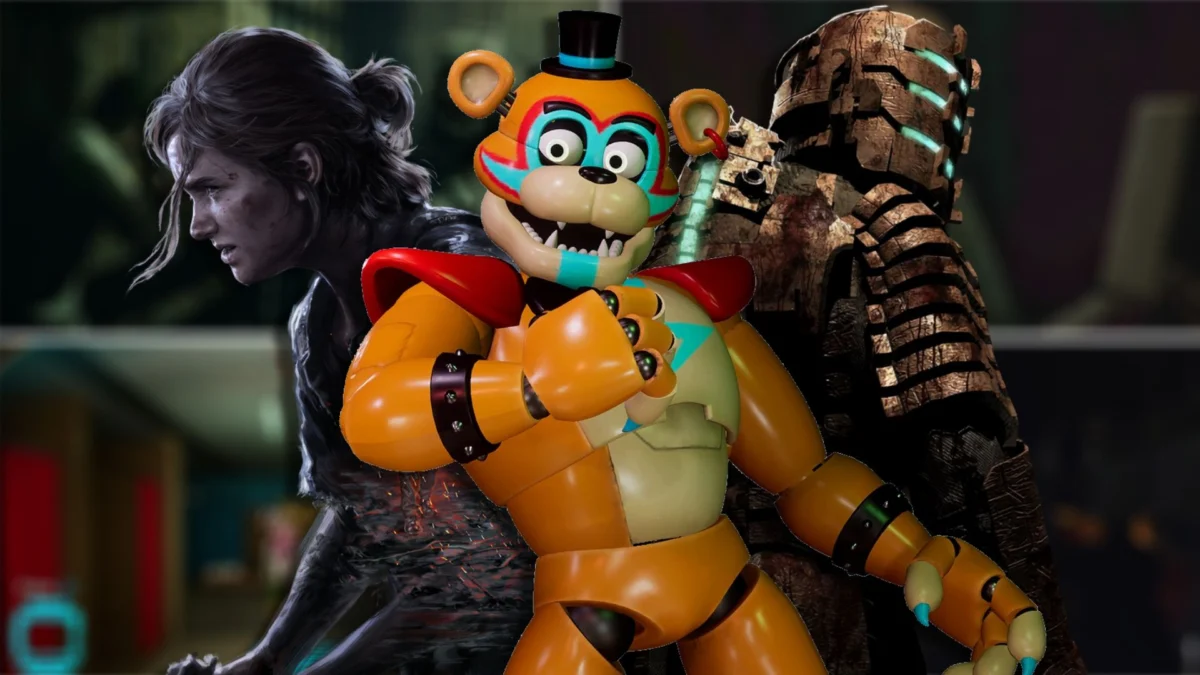
The horror genre is built on a delicate foundation of tension, atmosphere, and dread. Developers spend years meticulously crafting jump scares, unsettling soundscapes, and claustrophobic environments designed to keep players on the edge of their seats. Yet, there exists a subset of the genre that pushes this "discomfort" beyond the screen and into the player’s real life. Whether through labyrinthine level design, punishing trial-and-error mechanics, or narrative choices that make progress feel utterly hollow, some of the most influential horror games in history are also the most notorious for disrespecting the player’s time.

While these titles are often hailed as genre-defining masterpieces, they frequently demand a high toll in hours spent navigating frustration rather than genuine fear. For the modern gamer balancing a busy schedule, these "time sinks" can turn a terrifying adventure into a tedious chore.

The Chronology of Frustration: A History of "Gaming Jitters"
The history of horror gaming is paved with design choices that—in hindsight—seem intentionally designed to impede progress. From the fixed camera angles and cryptic inventory management of the early 2000s to the modern, hyper-punishing "soulslike" encounters, the evolution of horror is intrinsically tied to the evolution of player patience.
In the mid-2000s, titles like The Evil Within and the Resident Evil remakes solidified the "survival horror" trope of forcing players into backtracking marathons. As the industry moved into the 2010s, Alien: Isolation and Outlast introduced the concept of "hiding as gameplay," where the inability to fight back led to repeated, soul-crushing death loops. By the mid-2020s, with titles like the Silent Hill 2 Remake and Bloodborne dominating the discourse, the "difficult for the sake of difficulty" design philosophy has reached a fever pitch.
Analyzing the Top 10 Time-Wasting Horror Giants
10. Cry of Fear: The Platforming Trap
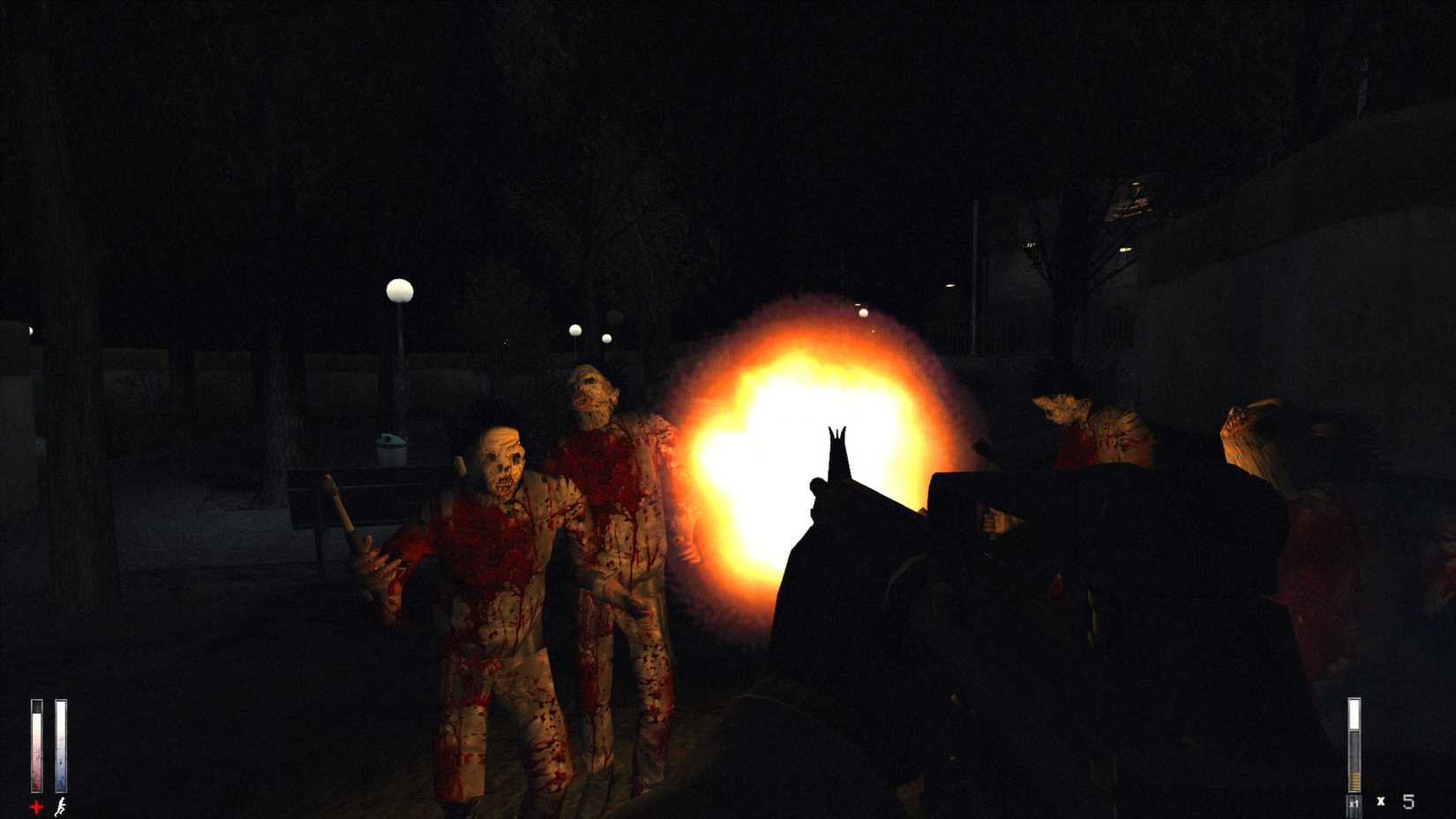
Cry of Fear is a cult classic for its psychological depth and brutal atmosphere, but it is also a masterclass in mechanical friction. The game frequently forces players into platforming sections—a genre that feels entirely out of place here. A single pixel-perfect misstep on a crashed train or a pile of books results in an instant "Game Over." Because the game lacks modern, forgiving checkpointing, players are often forced to redo significant chunks of progress, turning a nine-hour game into a twenty-hour ordeal of trial-and-error.
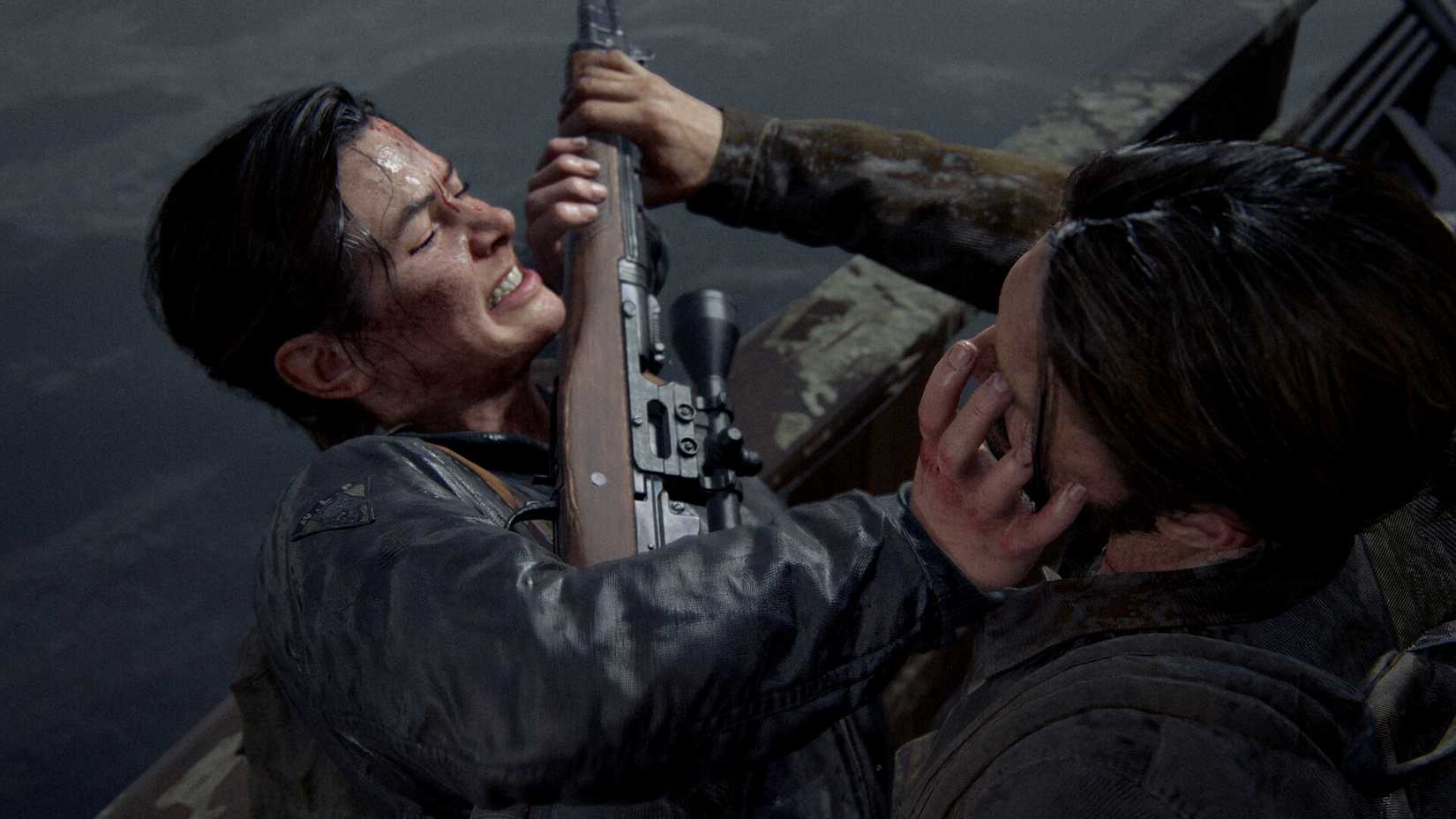
9. The Last of Us Part II: The Cost of Vengeance
Narratively, The Last of Us Part II is an achievement. However, it is fundamentally a game about the futility of revenge. When players spend 20+ hours meticulously building their arsenal and tracking down targets, only to have the protagonist let the antagonist go at the final second, it creates a massive disconnect. Players who go into the game expecting a traditional cathartic payoff often feel that their time investment was systematically dismantled, leaving the experience feeling like a hollow, albeit beautiful, slog.
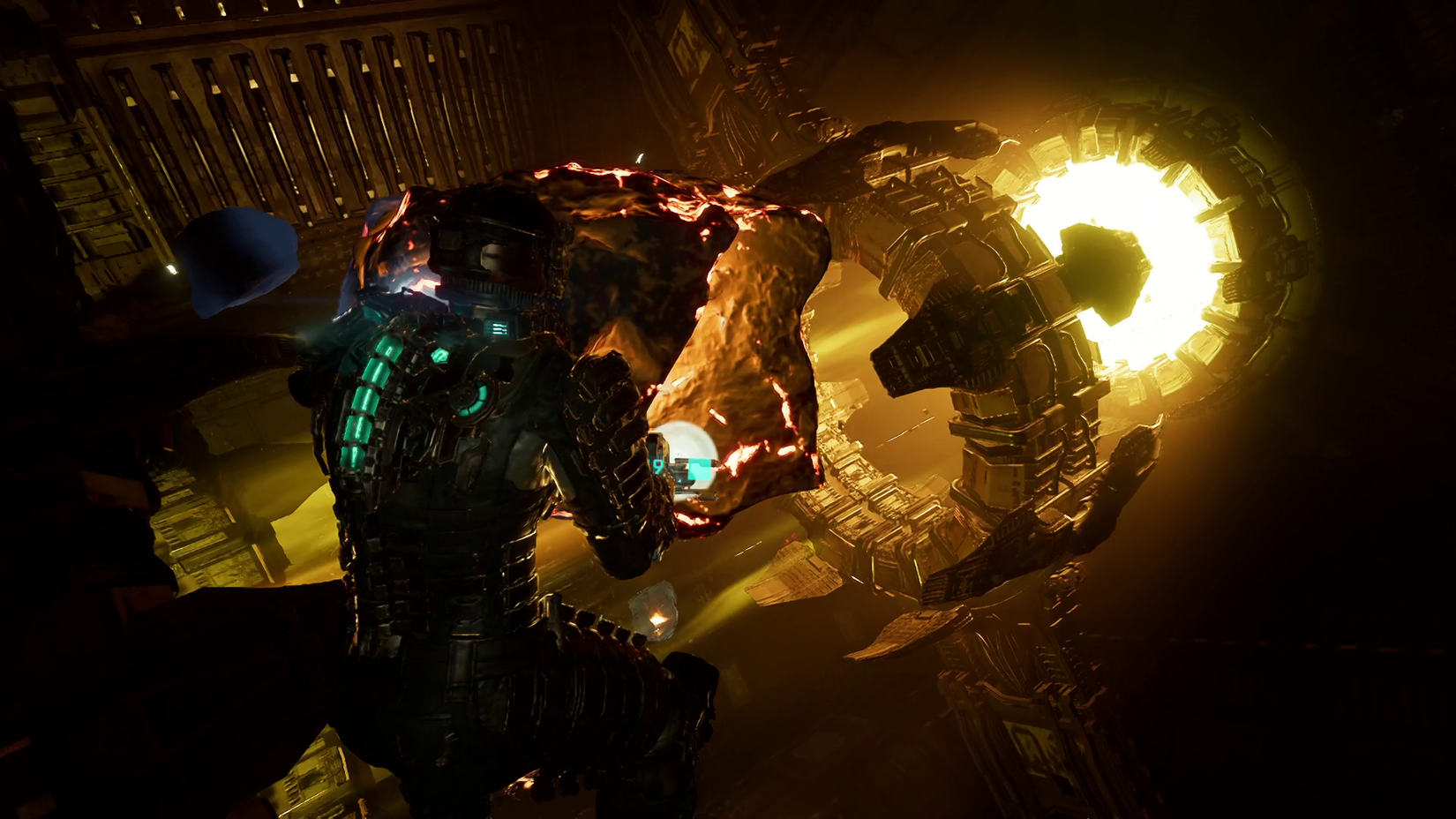
8. Dead Space (2023): The Backtracking Abyss
The Dead Space remake is a technical marvel, but it inherits the structural baggage of its 2008 predecessor. The game relies heavily on backtracking through the Ishimura. While the atmosphere remains top-tier, the constant need to revisit rooms to unlock doors with newly acquired security clearance cards feels like a deliberate attempt to pad the runtime. By the time the player realizes the tragic, futile nature of their mission to save Nicole, the hours spent traversing the same hallways start to weigh heavily.
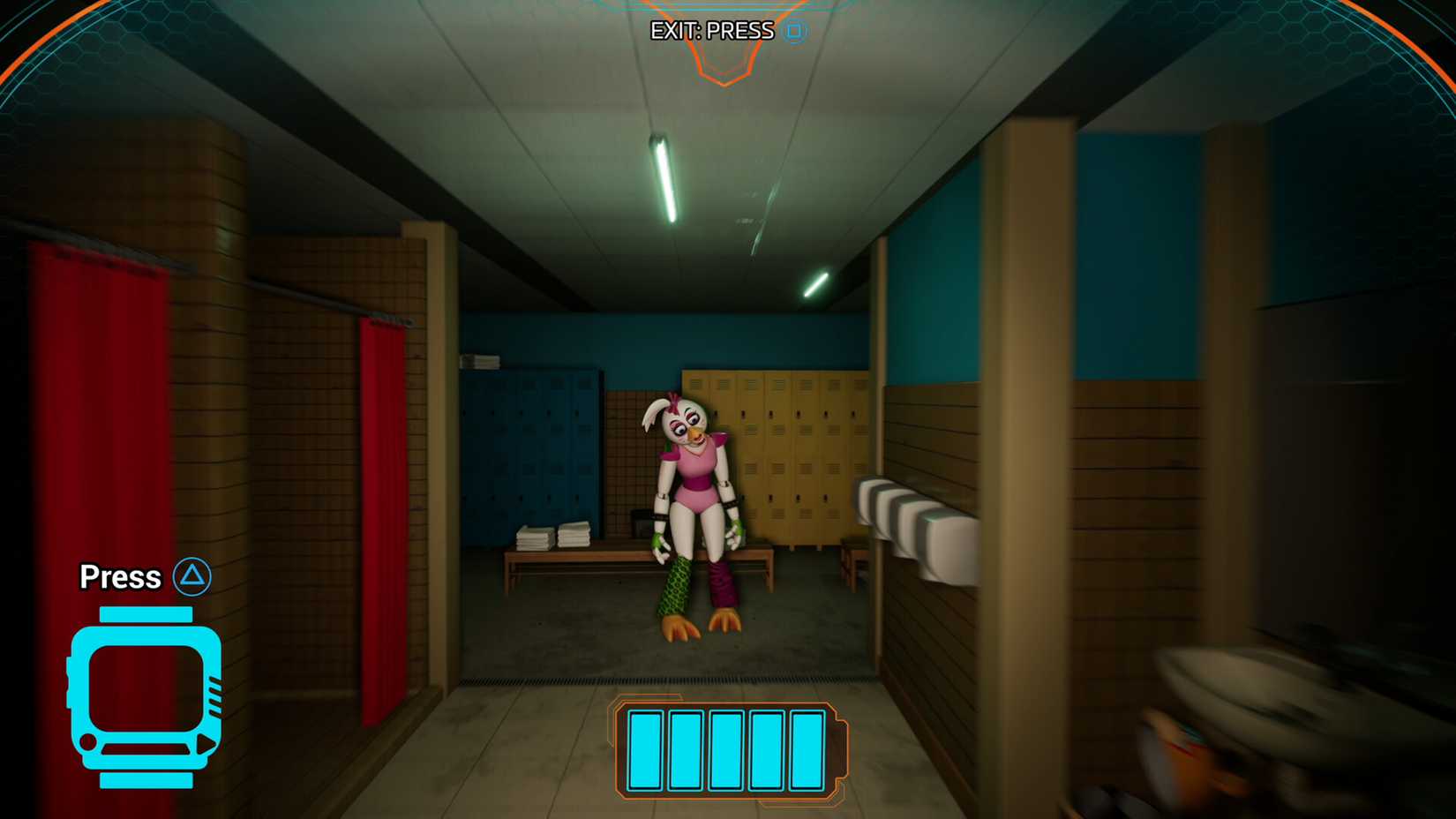
7. Five Nights at Freddy’s: The Lore Labyrinth
What started as a tight, innovative survival horror experience has devolved into a franchise-wide puzzle that arguably requires a doctorate to solve. The sequels, particularly Security Breach, have drifted into a chaotic mess of retcons and cryptic clues hidden in books, movies, and even coloring pages. The "time" being disrespected here is the player’s mental bandwidth; attempting to piece together a coherent narrative is a thankless task that rarely offers a satisfying conclusion.
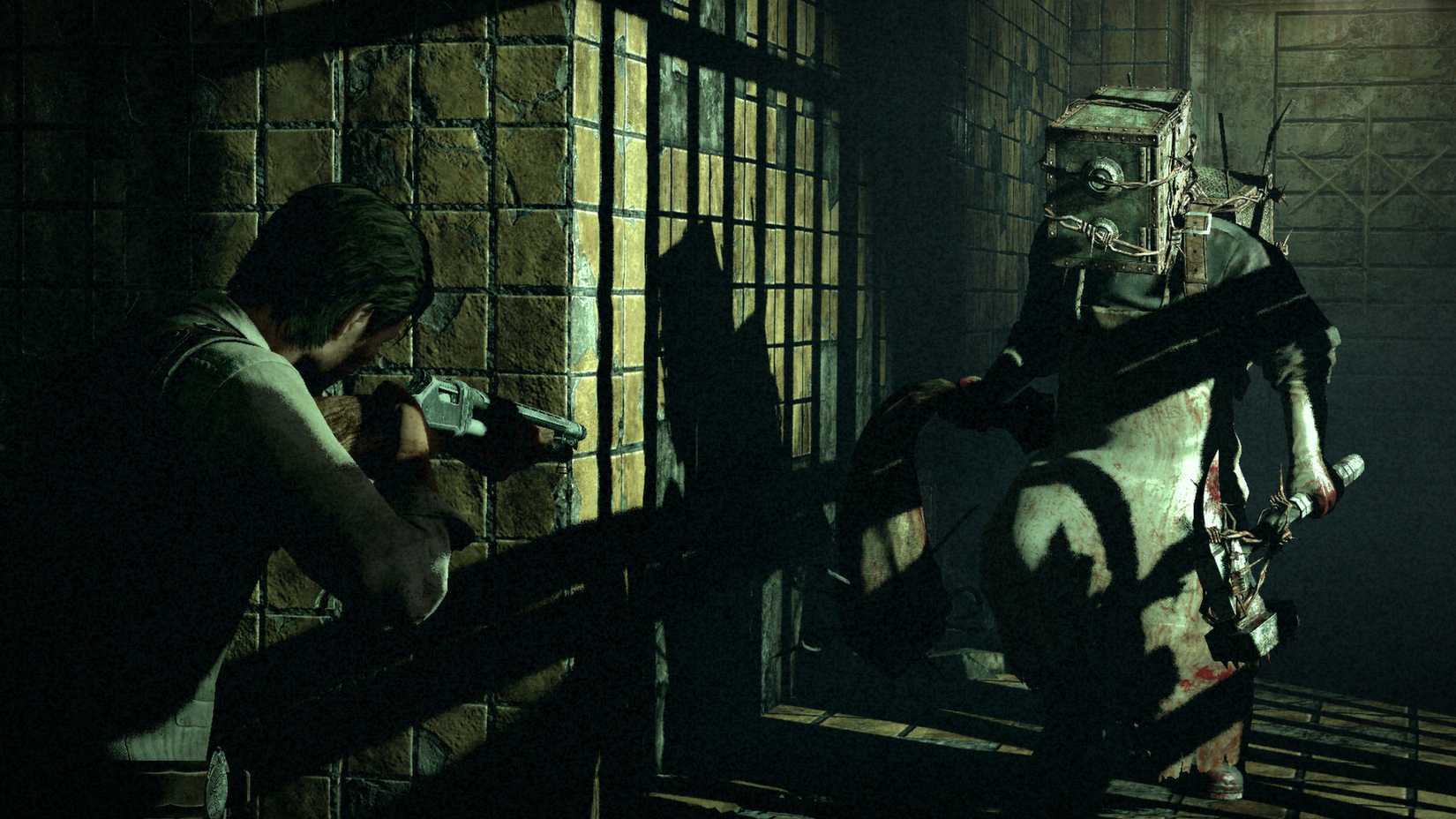
6. The Evil Within: The Unskippable Cutscene
Shinji Mikami’s The Evil Within commits the cardinal sin of modern game design: unskippable cutscenes. With four hours of narrative cinematics that cannot be bypassed, the game actively prevents players from replaying their favorite sections. This design choice effectively kills the game’s replayability, as the prospect of sitting through hours of exposition prevents a second playthrough, effectively "trapping" the player in a state of stagnant progression.
5. Outlast 2: The Chase Sequence Grind
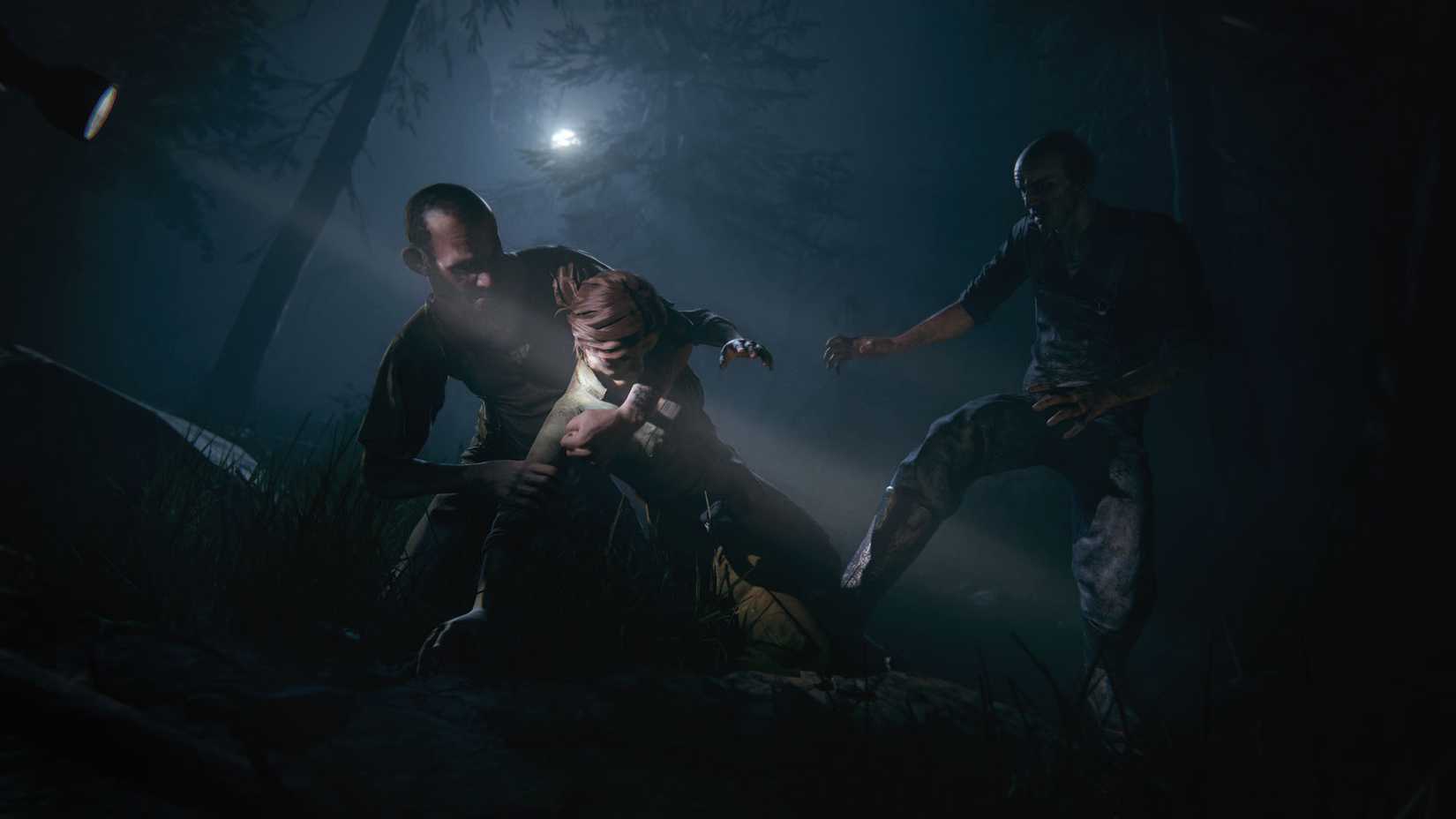
Outlast 2 replaced the tense, contained hide-and-seek mechanics of its predecessor with repetitive, high-stress chase sequences. These sequences are designed around pure memorization. If you don’t know the exact path to take, you die. This turns the game into a rote memorization exercise rather than a horror experience, leading to a loop of frustration that makes the 8-hour runtime feel significantly longer.
4. Alien: Isolation: Overstaying Its Welcome
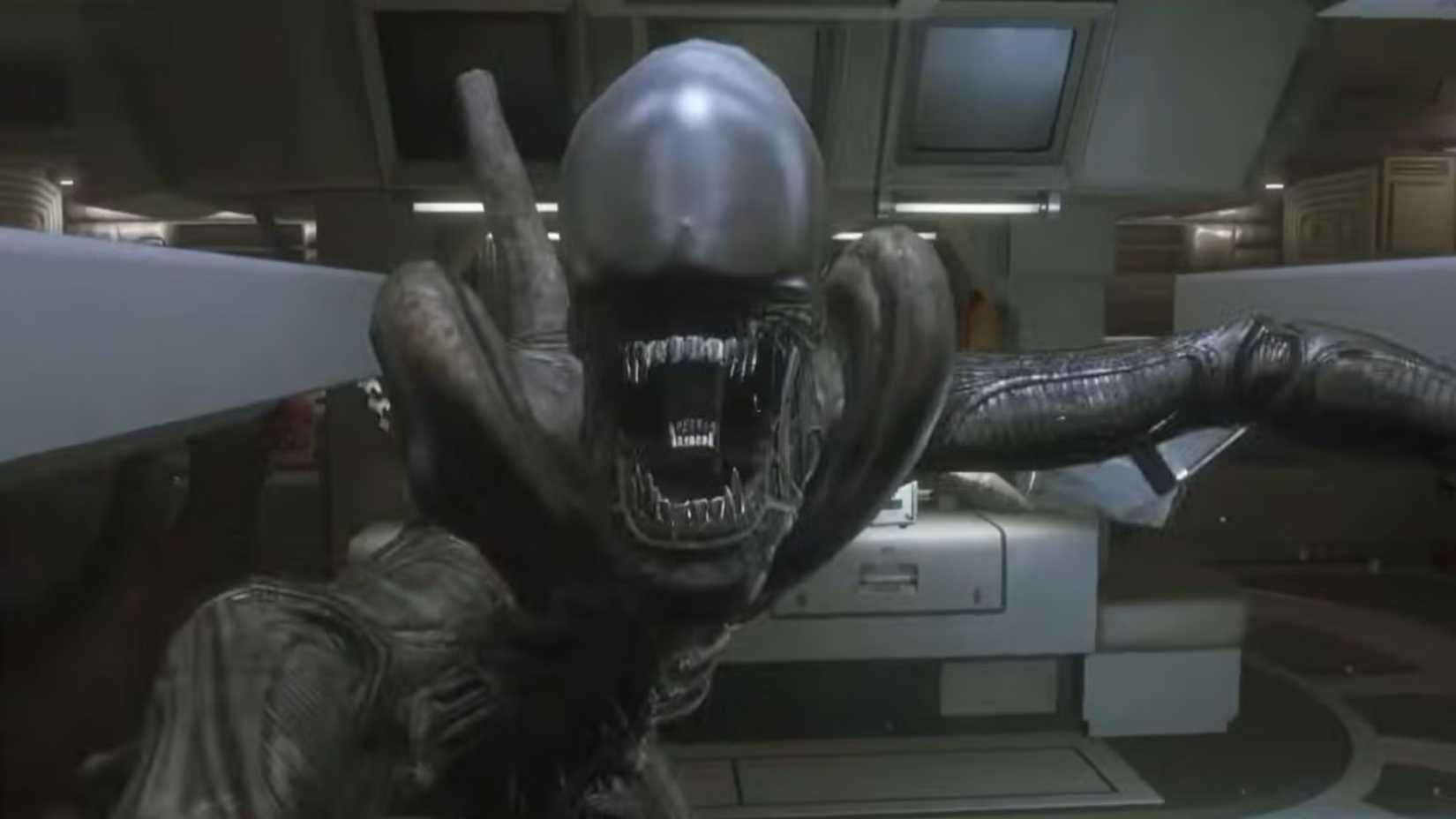
Alien: Isolation is frequently cited as one of the best horror games of all time, but it suffers from a severe case of "third-act bloat." Many players find that the initial fear of the Xenomorph wears off, replaced by the annoyance of being caught by a hyper-intelligent AI that constantly resets their progress. Even the game’s writer has publicly admitted the game is too long. When the developers themselves acknowledge that the pacing is an issue, it becomes clear that the game is demanding more time than it actually provides in entertainment value.
3. Bloodborne: The Soulslike Tax
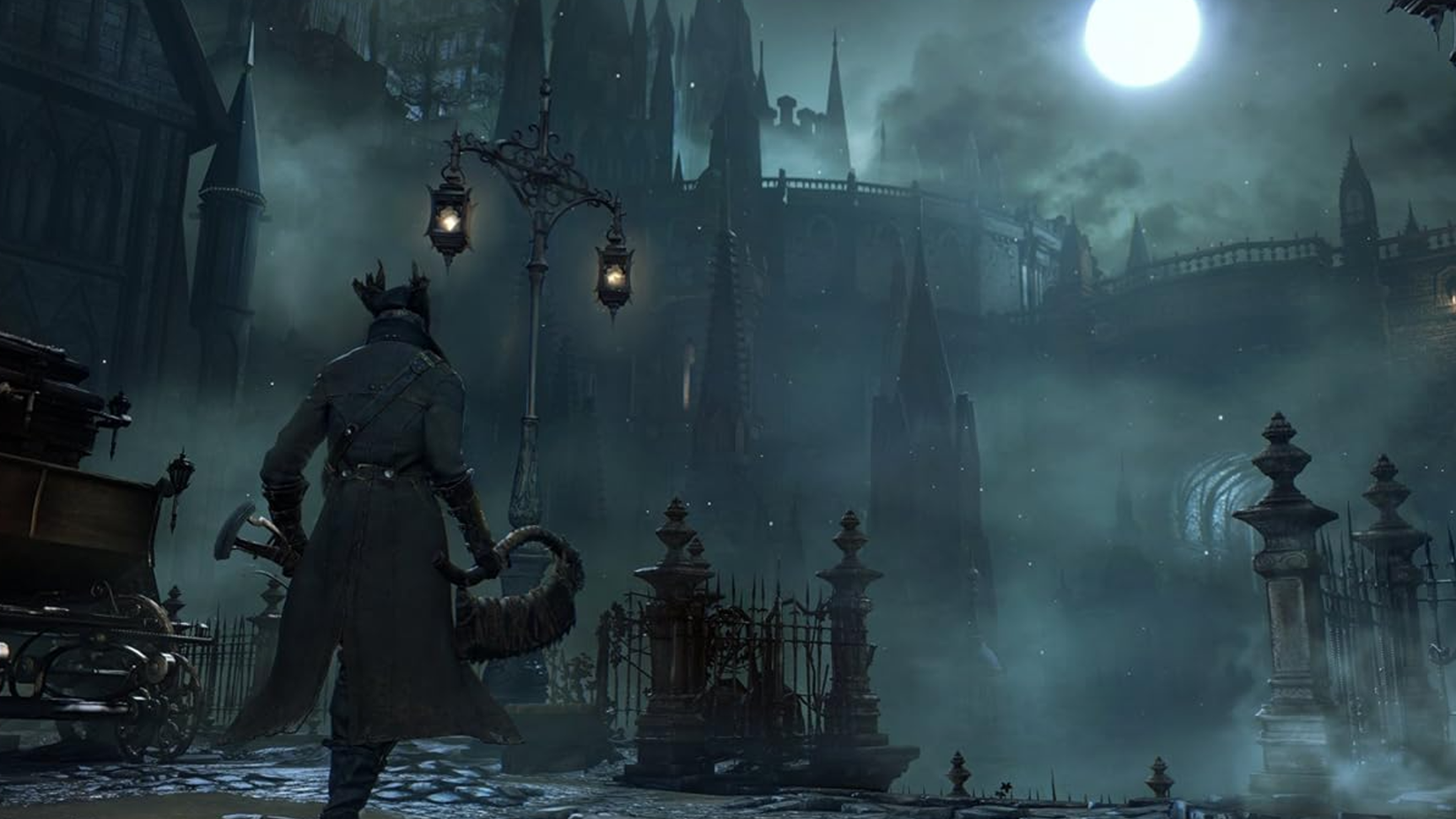
Bloodborne is an action-RPG horror hybrid that revels in punishing the player. While the combat is fluid, the "soulslike" structure—where death means losing all progress and having to fight back to the point of death—is a significant time-sink. Add in the frustration of "troll notes" left by other players and the sheer difficulty of the Chalice Dungeons, and you have a game that actively fights the player’s desire to reach the end credits.
2. Resident Evil (2002): The Architect’s Cruelty
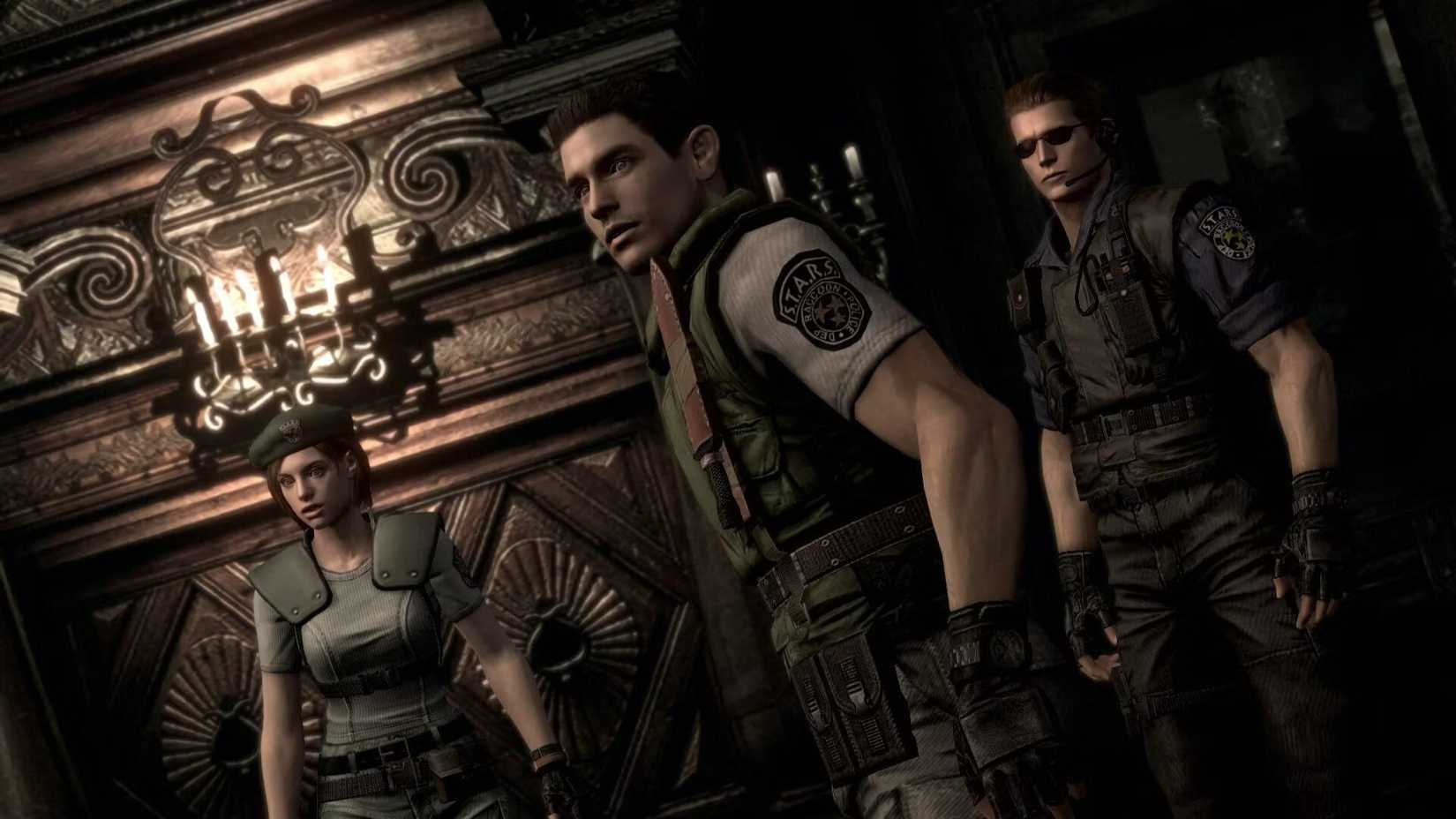
The Resident Evil remake is the definitive classic, but its puzzle design is built on archaic, time-wasting logic. From hidden dog whistles to knight-statue traps that require keys found on the opposite side of the mansion, the game is designed to force the player to walk the same halls repeatedly. While the remakes try to explain the mansion’s layout as a former museum, the gameplay remains a series of circular, time-consuming errands.
1. Silent Hill 2 (Remake/Original): Nothing in the Box
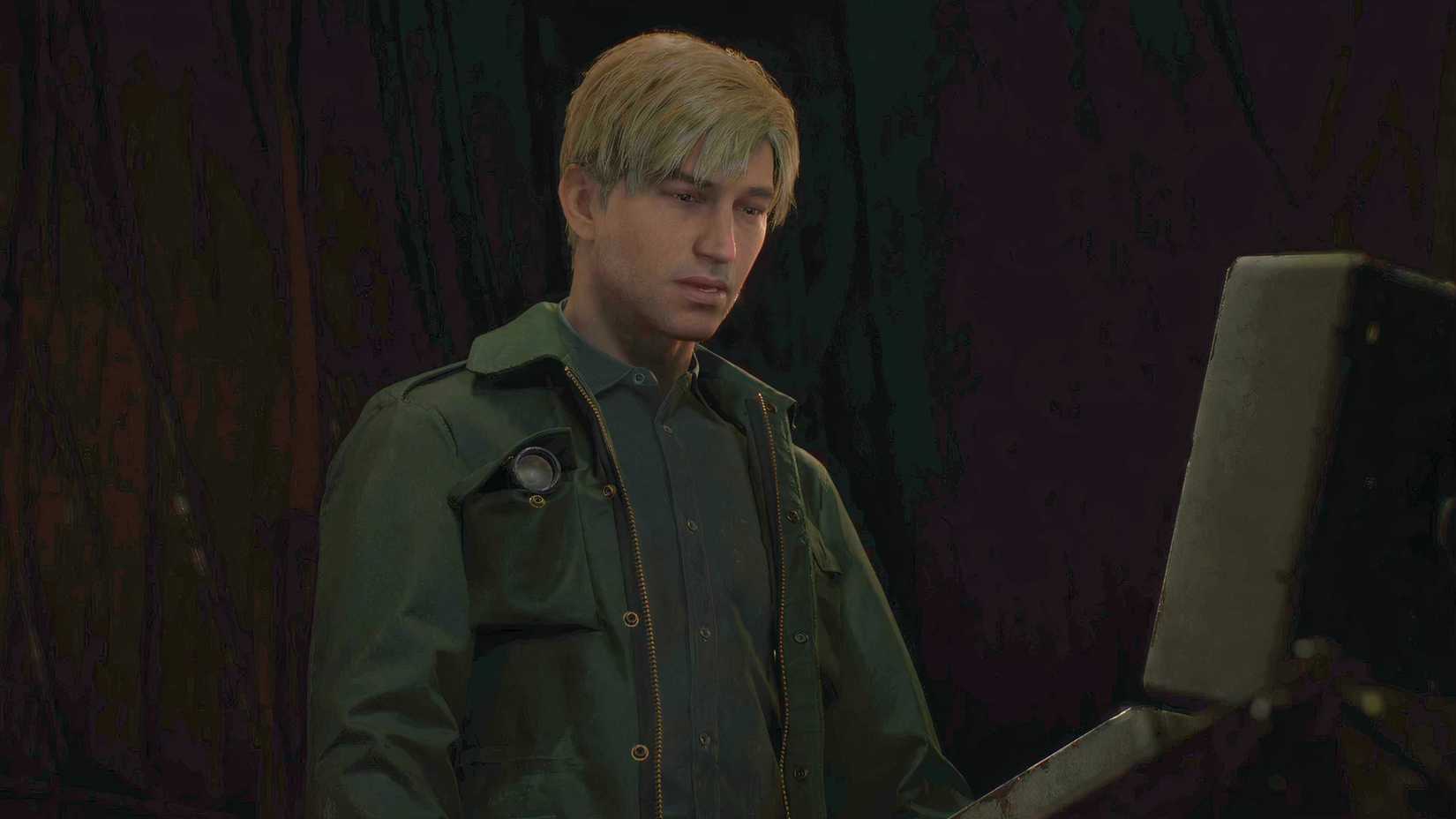
The top spot belongs to Silent Hill 2 for its infamous "nothing in the box" sequence in Brookhaven Hospital. After hours of navigating the most harrowing parts of the game, solving complex puzzles, and dodging nightmarish entities, the player is presented with a box that requires three different keys. Upon opening it, the player is greeted with absolute emptiness. While intended as a narrative device to reflect James Sunderland’s fractured psyche, it is the ultimate example of a game making the player jump through hoops only to find there was no reward—just more walking.
Implications: Is "Disrespect" a Design Choice?
Why do developers choose these paths? For some, it is about maintaining a specific pacing that forces the player into a state of vulnerability. In Alien: Isolation, the length is meant to induce genuine fatigue, mirroring the survival of the protagonist. In Silent Hill 2, the "wasted" time is a psychological tool meant to mirror the protagonist’s own sense of hopelessness.
However, there is a fine line between "atmospheric tension" and "player frustration." When the barrier to progress becomes too high, the player stops feeling fear and starts feeling resentment. As the industry continues to evolve, developers are increasingly learning that respecting a player’s time—by adding quality-of-life features like skip buttons and clearer objective markers—does not necessarily dilute the horror; it simply makes the experience more accessible to a broader audience.
The horror giants mentioned here remain legends, but for the modern gamer, they serve as a reminder: sometimes, the scariest thing about a game isn’t the monster in the closet, but the realization that you’ve spent three hours walking down the same hallway, and you’re no closer to the end than when you started.


 Jia Lissa
 Azzam Bilal Chamdy