By Editorial Staff
The landscape of the video game industry is currently defined by a climate of unprecedented volatility. While Microsoft’s acquisition of Activision Blizzard and its expansion of the Xbox Game Studios umbrella were once viewed as a massive consolidation of power, the honeymoon phase has given way to a grueling era of corporate austerity. Recent reports indicate that the internal restructuring at Microsoft is not merely a series of isolated adjustments but a systematic realignment that has placed some of the most celebrated studios under the Xbox banner in a state of precarious uncertainty.
The latest reports suggest that Undead Labs, the creative force behind the acclaimed State of Decay franchise, has joined a growing list of studios currently negotiating to avoid potential closure. This news follows previous revelations regarding the instability of other marquee developers, including Compulsion Games, Ninja Theory, and Double Fine. As the gaming industry watches with bated breath, the question remains: is the Xbox ecosystem cannibalizing its own creative future in the name of short-term fiscal efficiency?
The Current Crisis: A Domino Effect of Studio Instability
The ripple effect of Microsoft’s cost-cutting measures has reached a fever pitch. Reports originating from GamesBeat and corroborated by labor advocacy groups, specifically the Communications Workers of America (CWA), have painted a grim picture for employees within the Xbox division. The CWA, representing a contingent of workers who have unionized under the Microsoft umbrella, has publicly criticized management’s handling of these transitions, citing a lack of transparency and a disregard for the long-term morale of the development teams.
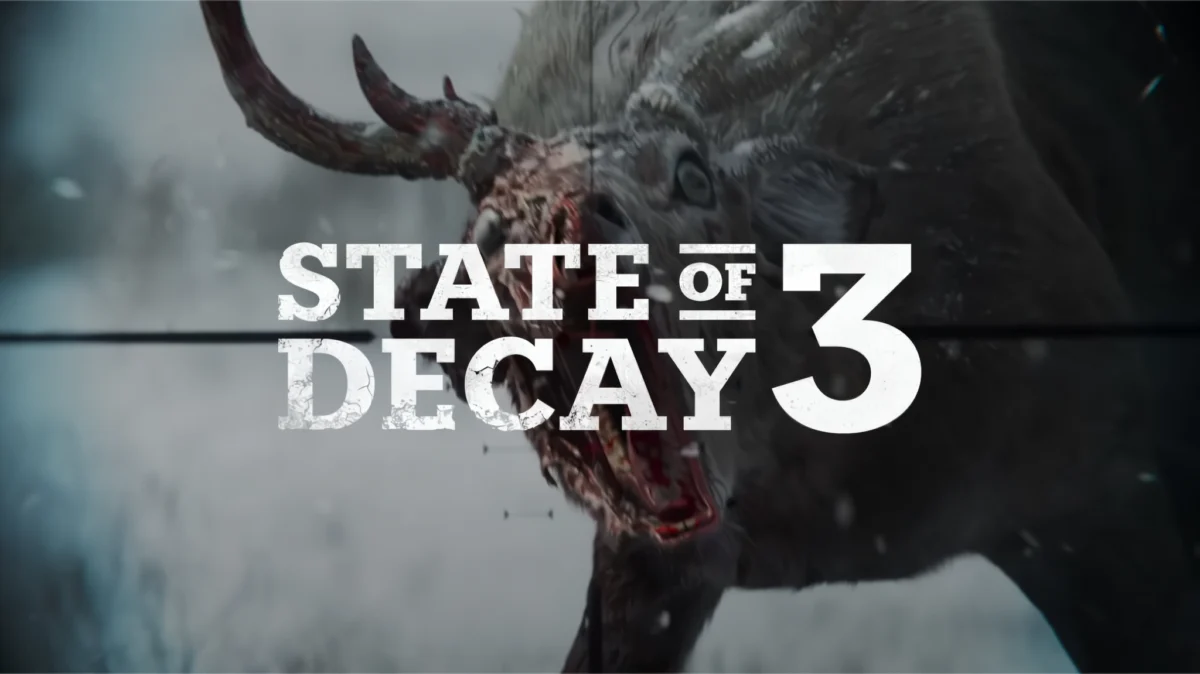
At the heart of the current anxiety is the status of Undead Labs. The studio, which has been working diligently on State of Decay 3, has only recently begun to ramp up its marketing efforts, including the release of high-fidelity, deep-dive development videos. These assets were intended to showcase the ambition of the project, which is currently slated for a 2027 release. However, in the current climate, even a highly anticipated sequel is no longer a guarantee of safety. The inclusion of Undead Labs in the conversation regarding "studios at risk" highlights a disturbing trend where even active, high-profile projects are not immune to the cold arithmetic of corporate restructuring.
Chronology of Consolidation and Contraction
To understand how the current situation evolved, one must look back at the trajectory of Microsoft’s aggressive growth strategy.
- 2018–2021: The Aggressive Expansion Phase. Microsoft embarked on a buying spree, acquiring studios like Ninja Theory, Playground Games, Obsidian Entertainment, Double Fine, and Undead Labs. The goal was clear: to fill the Xbox Game Pass library with a consistent stream of high-quality, exclusive content.
- 2022–2023: The Integration and Cost-Analysis Phase. Following the massive acquisition of Activision Blizzard, Microsoft began a deep audit of its collective holdings. The goal shifted from "growth at any cost" to "operational efficiency and ROI."
- Early 2024: The First Wave of Layoffs. Microsoft announced significant workforce reductions across its gaming division, impacting thousands of employees, including those at Bethesda and Blizzard.
- May 2024 (Present Day): The Escalation. Reports emerged that Compulsion Games, Ninja Theory, and Double Fine were actively negotiating to avoid complete shutdown. The addition of Undead Labs to this list marks the most recent and arguably most significant escalation in this timeline.
This progression reveals a clear shift in corporate philosophy. Where once these studios were provided with the autonomy and financial runway to innovate, they are now being subjected to intense scrutiny regarding their contribution to the bottom line, with "cost-cutting" becoming the primary metric of success.
Supporting Data: The Cost of Efficiency
The financial pressure on Xbox is not occurring in a vacuum. Microsoft’s leadership, facing pressure from shareholders to justify the immense capital expenditure of the Activision Blizzard acquisition, is under strict mandate to streamline operations.
Data points from the current fiscal year suggest that Microsoft is specifically targeting "risky" projects. In the context of game development, "risky" often refers to long-development-cycle titles that require massive investment without a guaranteed immediate return on investment. State of Decay 3, a game with a long road to 2027, fits this profile perfectly.
Furthermore, the industry-wide trend of layoffs—which saw over 10,000 workers lose their jobs in 2023 alone—has created a climate of fear that exacerbates the impact of these reports. When a studio like Ninja Theory releases a trailer for a new Hellblade project, it is now viewed by analysts not just as a marketing move, but as a potential "investor lure"—a way to demonstrate project viability to leadership to keep the lights on. This shift in perception signals a lack of trust between the parent company and the developers.
Official Responses and Corporate Silence
As of this writing, Microsoft has maintained a posture of relative silence. While the company has acknowledged that "adjustments" are being made, it has not provided a specific roadmap or confirmed the closure of any of the aforementioned studios. This silence is intentional, providing the company with the flexibility to negotiate behind closed doors without the immediate pressure of public scrutiny.
However, industry experts anticipate that this silence will be broken during the next quarterly earnings call, scheduled for late July. During these calls, Microsoft executives are expected to address the financial health of the Xbox division. Investors will likely press for clarity on why, despite a record-breaking catalog of intellectual properties, the division requires such drastic restructuring. The answers provided in that forum will be critical, as they will likely set the tone for the remainder of the year and dictate whether more studios will face the chopping block.
Implications: The Long-Term Cost to the Xbox Brand
The potential shuttering of legendary or long-standing studios like Undead Labs or Double Fine carries significant long-term risks for the Xbox brand.
- Erosion of Creative Talent: When a studio is threatened with closure, the most talented developers are often the first to leave, seeking security elsewhere. This "brain drain" can render a studio a shell of its former self, even if it avoids closure.
- Damage to Brand Loyalty: Xbox fans have long championed the platform specifically because of the variety and quality of its first-party studios. If the perceived "soul" of these studios is sacrificed for spreadsheet optimization, the brand loyalty that has taken decades to build could evaporate.
- The "Game Pass" Dilemma: The viability of the Game Pass subscription model depends on a constant stream of new, exciting content. If Microsoft continues to trim its internal development capacity, the value proposition of the service will inevitably decline.
- Cultural Impact: By focusing on short-term financial returns, Microsoft risks stifling the kind of experimental, innovative games that defined the industry’s golden age. If every game must be a guaranteed blockbuster, the medium loses the capacity for artistic evolution.
Conclusion: A Turning Point for the Industry
The current situation surrounding Undead Labs and its contemporaries is a microcosm of a larger, systemic issue in the tech and gaming sectors. The tension between creative autonomy and the demands of massive, publicly traded parent companies has never been higher.
For now, the industry waits. Fans are holding out hope that these reports are merely rumors or that these studios can successfully pivot to appease the demands of Microsoft’s leadership. However, the recurring nature of these reports suggests that the "Xbox restructuring" is far from over. As we approach the late-July earnings call, the fate of some of the industry’s most beloved developers remains locked in a high-stakes negotiation where the currency is not just money, but the future of gaming itself.
Whether Microsoft chooses to double down on its creative talent or continues its march toward aggressive consolidation will ultimately define the legacy of the Xbox brand for the next decade. For the developers at Undead Labs and beyond, the only certainty is that the coming months will be the most defining of their careers.