Siti Muinah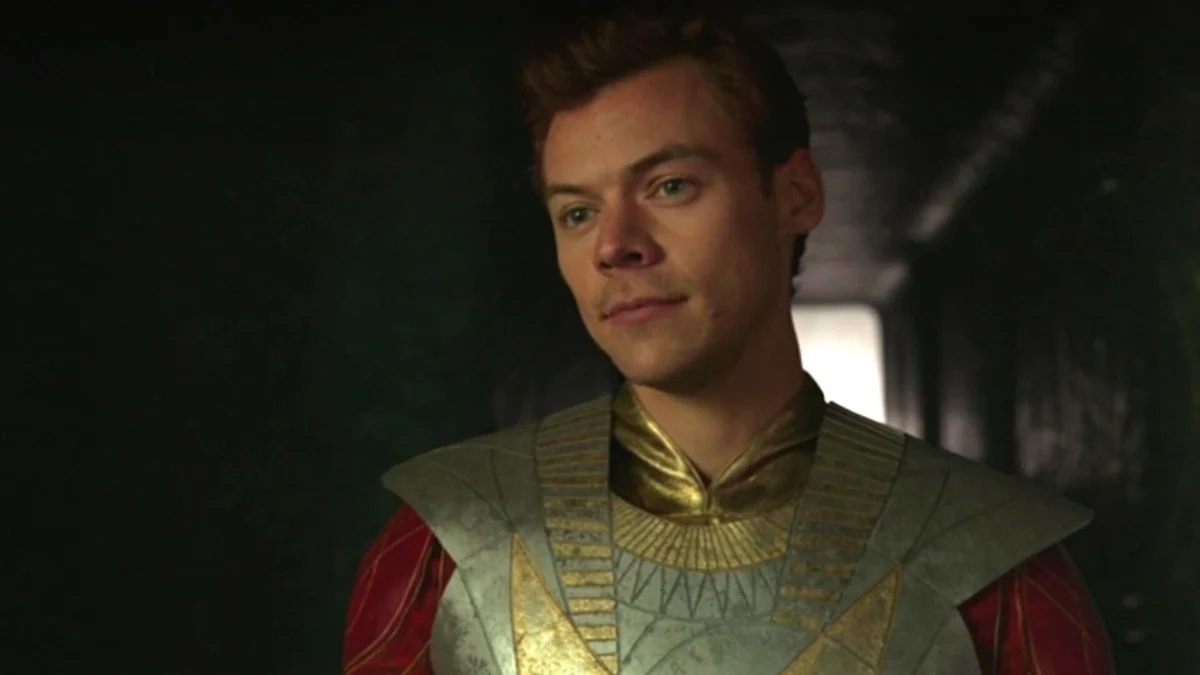
The Marvel Cinematic Universe (MCU) has long been defined by its meticulous interconnectedness—a sprawling tapestry of heroes, villains, and cosmic stakes that culminated in the monumental success of Avengers: Endgame. However, the subsequent era, known as "Phase 4," represented a pivot into uncharted territory. Tasked with rebuilding the franchise while simultaneously feeding the insatiable content demands of the Disney+ streaming model, Marvel Studios embarked on a period of creative experimentation that was as ambitious as it was uneven.
From 2021 to 2022, Phase 4 delivered seven feature films, eight television series, and two standalone specials. While the era produced undeniable critical darlings like WandaVision and Loki, it was also marked by a series of narrative detours and stylistic choices that left audiences puzzled, amused, and, at times, bewildered. Looking back, these "ludicrous" moments serve as a fascinating case study in a studio attempting to reinvent itself in real-time.
The Chronology of Experimentation
Phase 4 did not follow the linear, team-up-heavy blueprint of the Infinity Saga. Instead, it functioned as a "speed-dating" phase for the MCU, testing new genres, tones, and characters to see what resonated with a post-Endgame audience.
- The Streaming Expansion (2021): WandaVision launched the era, pushing the boundaries of television narrative, followed by the grounded espionage of The Falcon and the Winter Soldier and the bureaucratic sci-fi of Loki.
- The Cinematic Return (2021): Black Widow and Shang-Chi and the Legend of the Ten Rings attempted to bridge the gap between traditional action and experimental character study.
- The Cosmic and Multiversal Shift (2022): Eternals, Doctor Strange in the Multiverse of Madness, and Thor: Love and Thunder pushed the MCU into increasingly surreal, high-concept territory, often disregarding previous narrative conventions.
Anatomy of the "Ludicrous": Case Studies in Creative Risk
When analyzing the most unconventional moments of Phase 4, a pattern emerges: the studio was willing to sacrifice tonal consistency for the sake of singular, memorable experiences.
Ray Winstone’s Russian Accent in Black Widow
In Black Widow, Ray Winstone’s portrayal of the Red Room overseer, Dreykov, became a lightning rod for criticism regarding dialect consistency. His performance, which drifted between Cockney and South African inflections rather than a traditional Russian cadence, stood out as an outlier in a high-stakes espionage thriller. While critics pointed to the performance as a distraction, defenders—including dialect coach Adrienne Nelson—argued that Winstone’s "mesmerizing" commitment turned a technical inconsistency into an intriguing character quirk. It remains a prime example of the MCU’s willingness to let actor performance override strict adherence to character realism.
The Stunt Casting of Harry Styles
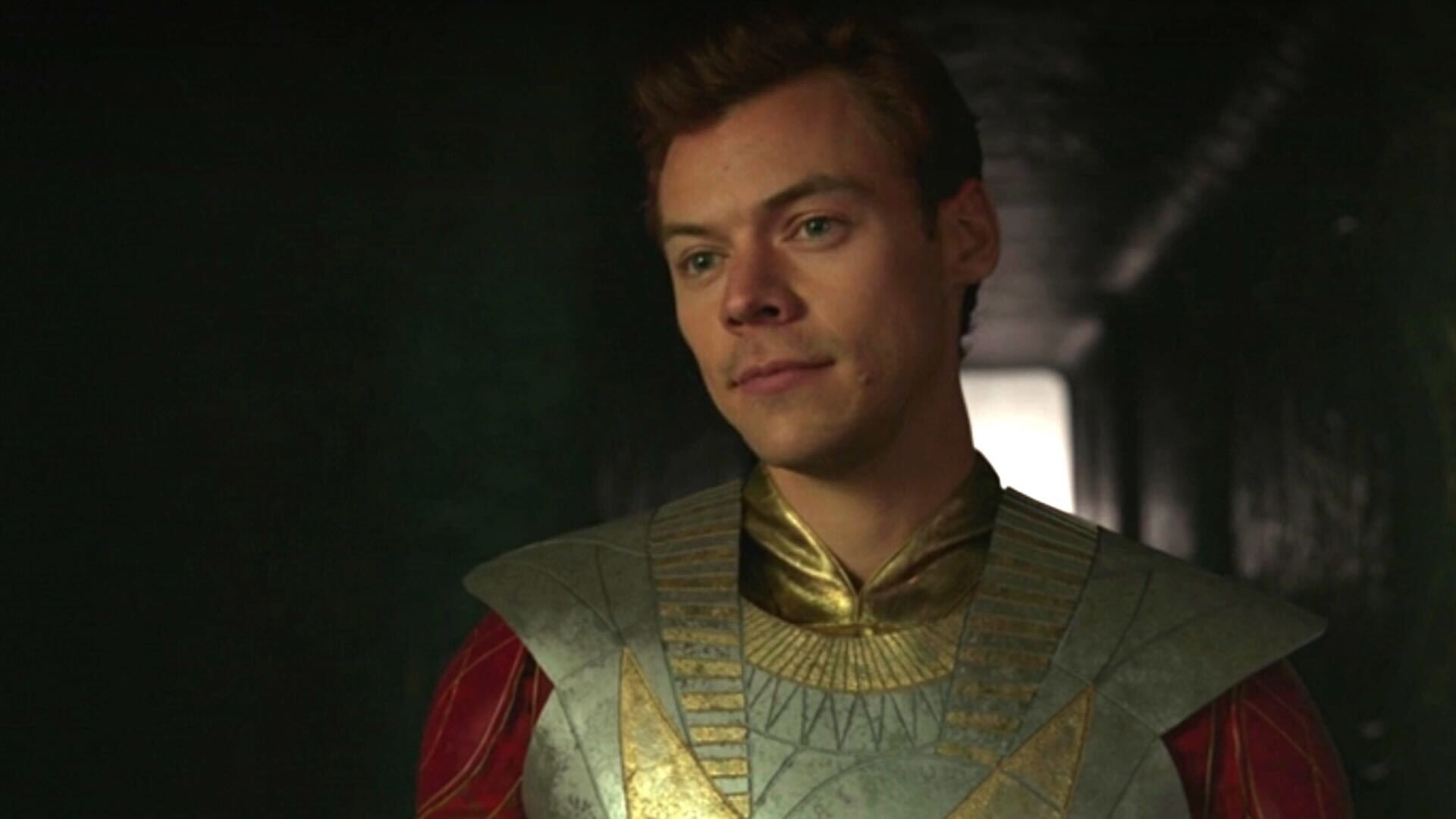
The post-credits scene of Eternals introduced Harry Styles as Eros, the brother of Thanos. The decision to cast a global pop icon in a brief, mid-credits sequence was a moment of "stunt casting" so overt that it arguably overshadowed the scene’s narrative function. The inclusion of Patton Oswalt as the CGI-rendered Pip the Troll further added to the surreal nature of the sequence. While the debut of Eros suggested a future for the character that has yet to materialize in the main narrative, it served as a signal that the MCU was no longer afraid of "meta" moments that prioritize cultural shock value over seamless storytelling.
Sentient Weaponry in Thor: Love and Thunder
Director Taika Waititi’s second entry in the Thor franchise doubled down on the eccentric humor of Thor: Ragnarok. A recurring motif that polarized audiences was Thor’s anthropomorphizing of his weapons, Mjolnir and Stormbreaker. By framing the weapons as jealous, sentient entities, Waititi transformed the lore-heavy hammer and axe into characters with their own petty grievances. While detractors viewed this as a degradation of the franchise’s stakes, supporters argued it provided a necessary emotional counterpoint to the film’s darker themes, such as Gorr the God Butcher’s existential struggle with his own corrupted blade.
The Cairo Kaiju Battle
The finale of Moon Knight featured a massive, city-wide battle between the Egyptian gods Khonshu and Ammit, who engaged in a skyscraper-level "kaiju" fight across the Cairo skyline. While visually spectacular, the moment highlighted the "one-and-done" nature of Phase 4’s television projects. The destruction of major infrastructure and the public revelation of massive, god-like entities in the heart of a major city were never revisited in subsequent projects, highlighting the disconnect between the standalone stakes of Disney+ shows and the overarching MCU continuity.
Supporting Data: The Impact of Tonal Shifts
The reception of these moments reflects a larger conversation about the MCU’s identity. According to audience sentiment analysis from the period, while general engagement with Marvel content remained high, "fan fatigue" became a documented phenomenon. Data suggests that the more the studio leaned into "ludicrous" or highly stylized content—such as the "Red means go" traffic sequence in Doctor Strange in the Multiverse of Madness—the more divided the critical consensus became.
However, this divergence is not necessarily a failure. By pushing the boundaries of what a superhero film could look like, Marvel Studios successfully prevented the franchise from becoming a monolith. The "boat-fixing" montage in The Falcon and the Winter Soldier and the brief, 30-second appearance of Baron Zemo’s mask serve as evidence that the studio was experimenting with pacing and fan-service, sometimes prioritizing the "vibe" of a scene over the functional necessity of the plot.
Official Perspectives and Behind-the-Scenes Realities
Marvel Studios has rarely addressed these specific moments of "ludicrous" storytelling, largely because the Phase 4 strategy relied on a rapid-fire release schedule. However, producers have frequently noted in press junkets that the goal of Phase 4 was "diversification." By allowing directors like Taika Waititi, Chloé Zhao, and Sam Raimi to imprint their specific stylistic sensibilities onto the projects, Marvel effectively decentralized its creative control.
In the case of Black Widow, the creative team emphasized that they sought to ground the film in a grounded, gritty aesthetic, even if individual performances—like Winstone’s—diverged from the expected linguistic path. Regarding the Eternals post-credits scene, the studio maintained that the introduction of new, cosmic characters was a necessary long-term strategy, regardless of how jarring the initial introduction felt to the audience.
Implications for the Future of the MCU
Phase 4, in all its messy, brilliant, and occasionally bizarre glory, was a period of necessary recalibration. It was the "growing pains" phase of a franchise that had lost its foundational pillars. The lessons learned during this time are currently being applied to the current era of the MCU:
- Quality Over Quantity: The criticism leveled at the "content machine" model has forced a pivot toward more refined, less rushed production cycles.
- Narrative Connectivity: The realization that "what happens in Cairo stays in Cairo" has led to a renewed focus on ensuring that events in television series have tangible, long-term consequences for the cinematic universe.
- Embracing the Weird: While the studio is pulling back on some of the more disruptive humor, they have retained the desire to explore strange, multiversal, and supernatural concepts, proving that the lessons of the "ludicrous" era were not entirely discarded.
In retrospect, Phase 4 should be viewed not as a decline, but as a bold, if flawed, expansion of the Marvel mythos. It was a time when the studio allowed itself to be as human, as chaotic, and as messy as the characters it portrays. Whether it was a dragon-riding sequence in Shang-Chi or the brief, fleeting satisfaction of seeing Baron Zemo in his comic-accurate mask, these moments remind us that at its core, the MCU is a comic book universe—and comic books, at their best, are gloriously, wonderfully ridiculous.

 Raul Delapena Setiawan
 Nana Wu