

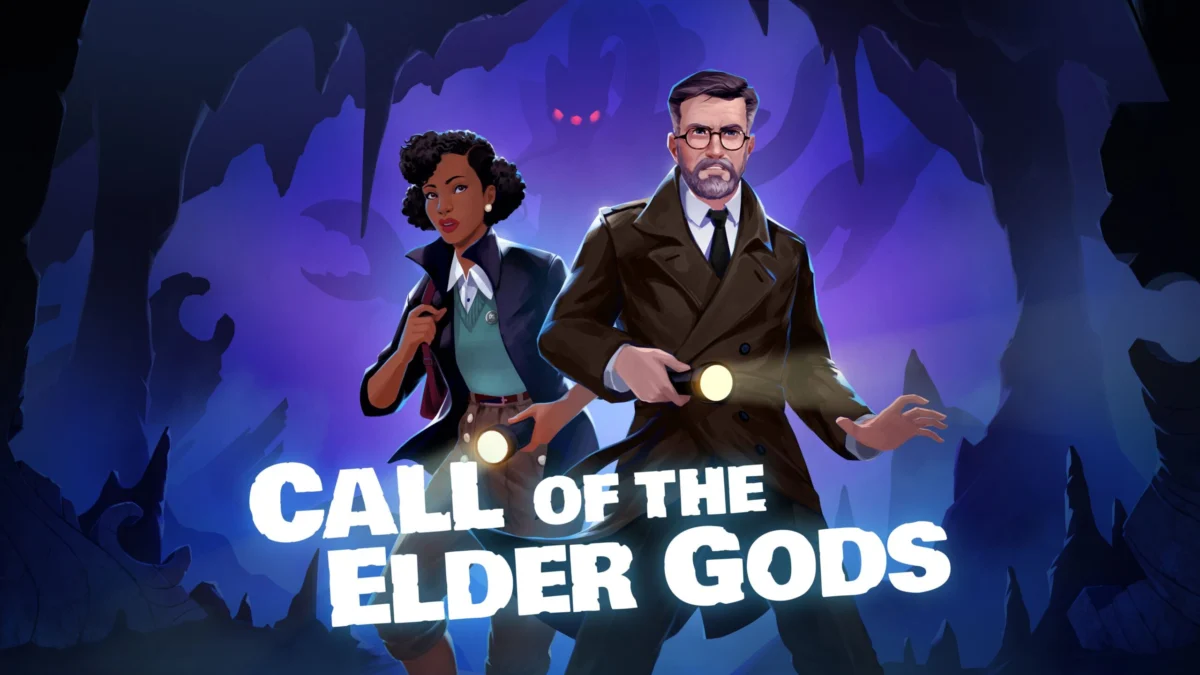
Six years after the haunting, island-bound narrative of Call of the Sea captivated adventure fans, developer Out of the Blue Games has returned to the fray with a direct sequel that promises to expand the scope of its Lovecraftian universe. Call of the Elder Gods is not merely a follow-up; it is a structural evolution of the narrative adventure genre, weaving together the lives of two unlikely protagonists caught in a web of ancient, cosmic conspiracies. As the title hits storefronts, it offers a sophisticated, visually stunning, and intellectually demanding experience that challenges the player’s perception of reality.
The Genesis of a New Mystery: Main Facts
Call of the Elder Gods serves as a spiritual and narrative successor to the original 2020 cult classic. While the first game focused on Norah Everhart’s desperate search for her husband on a remote tropical island, this installment shifts the perspective to a new duo: Professor Harry Everhart and a young woman named Evangeline Drayton.
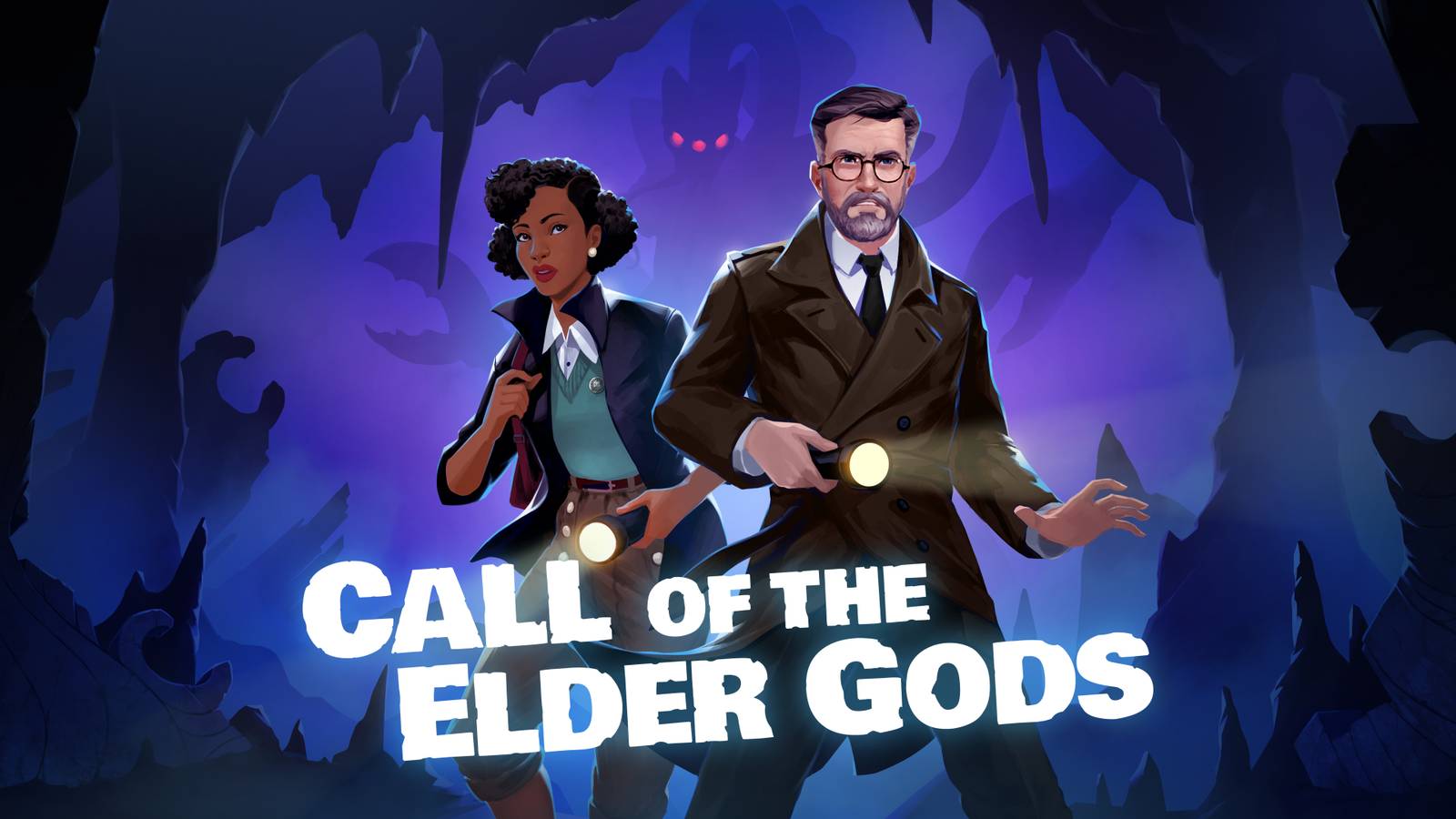
The premise is rooted in the unsettling nature of the unknown. Evangeline is plagued by recurring, vivid dreams—fragmented visions of alien architecture and incomprehensible, eldritch phonetics. Her journey begins when she notices that elements of these dreams have manifested in the waking world, specifically a mysterious statuette previously recovered by Harry Everhart during one of his clandestine expeditions. Their subsequent collaboration forms the heart of the game, as they venture across the globe—from the academic halls of New England to the harsh, unforgiving red sands of the Australian outback—to decipher a conspiracy that threatens the fabric of their sanity.
A Chronology of Cosmic Discovery
The narrative timeline of Call of the Elder Gods is deeply entangled with the events of its predecessor. Players who experienced the original will find immediate narrative breadcrumbs that connect the dots between Harry’s past expeditions and the current crisis.

The story is told through a blend of environmental storytelling and traditional dialogue, bolstered by a powerhouse voice-acting cast. The inclusion of industry veterans Yuri Lowenthal (known for Spider-Man and Final Fantasy VII Rebirth) as Harry and Cissy Jones (Firewatch, Baldur’s Gate III) as Evangeline provides an emotional grounding to the otherwise abstract and surreal horror.
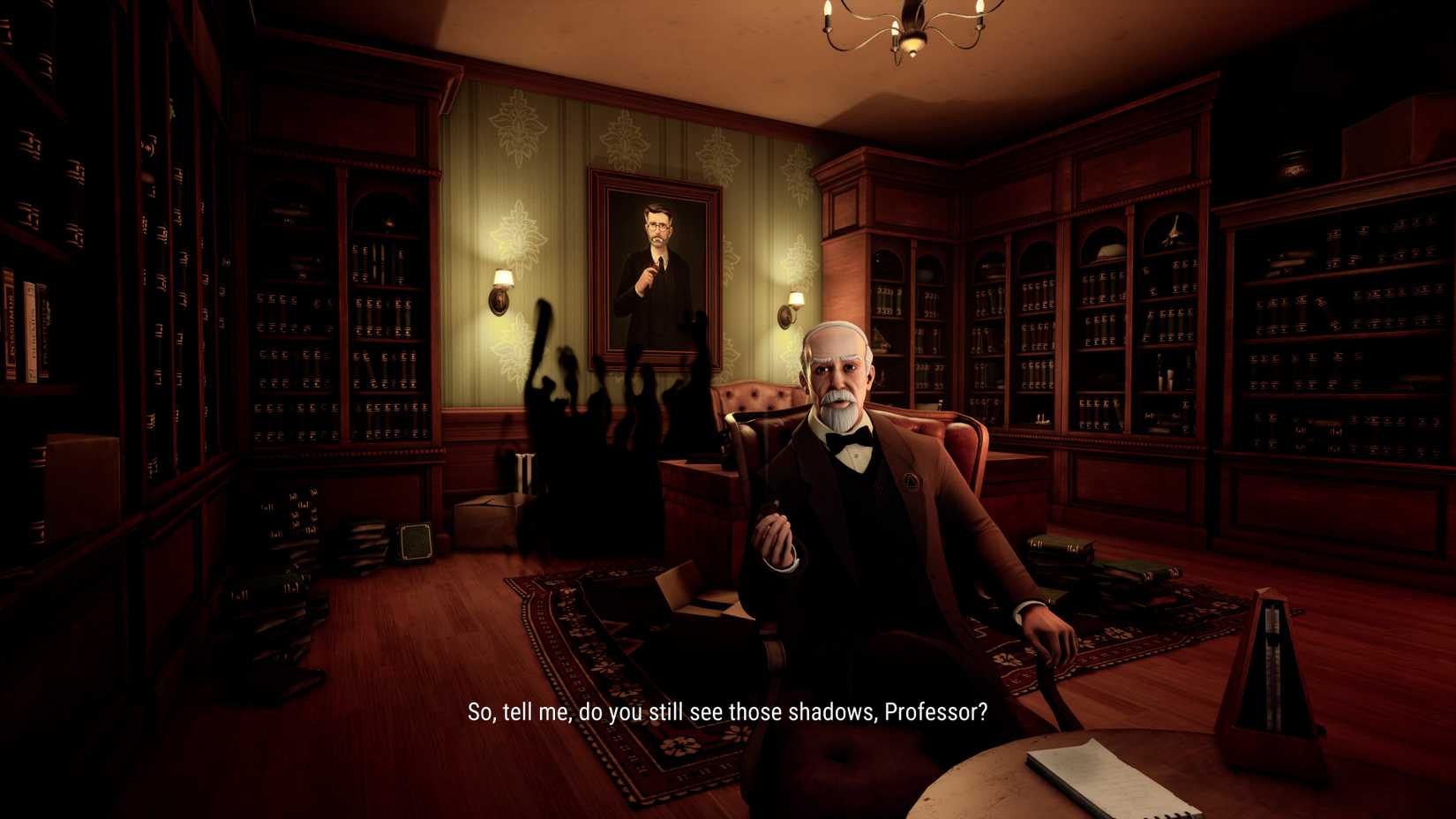
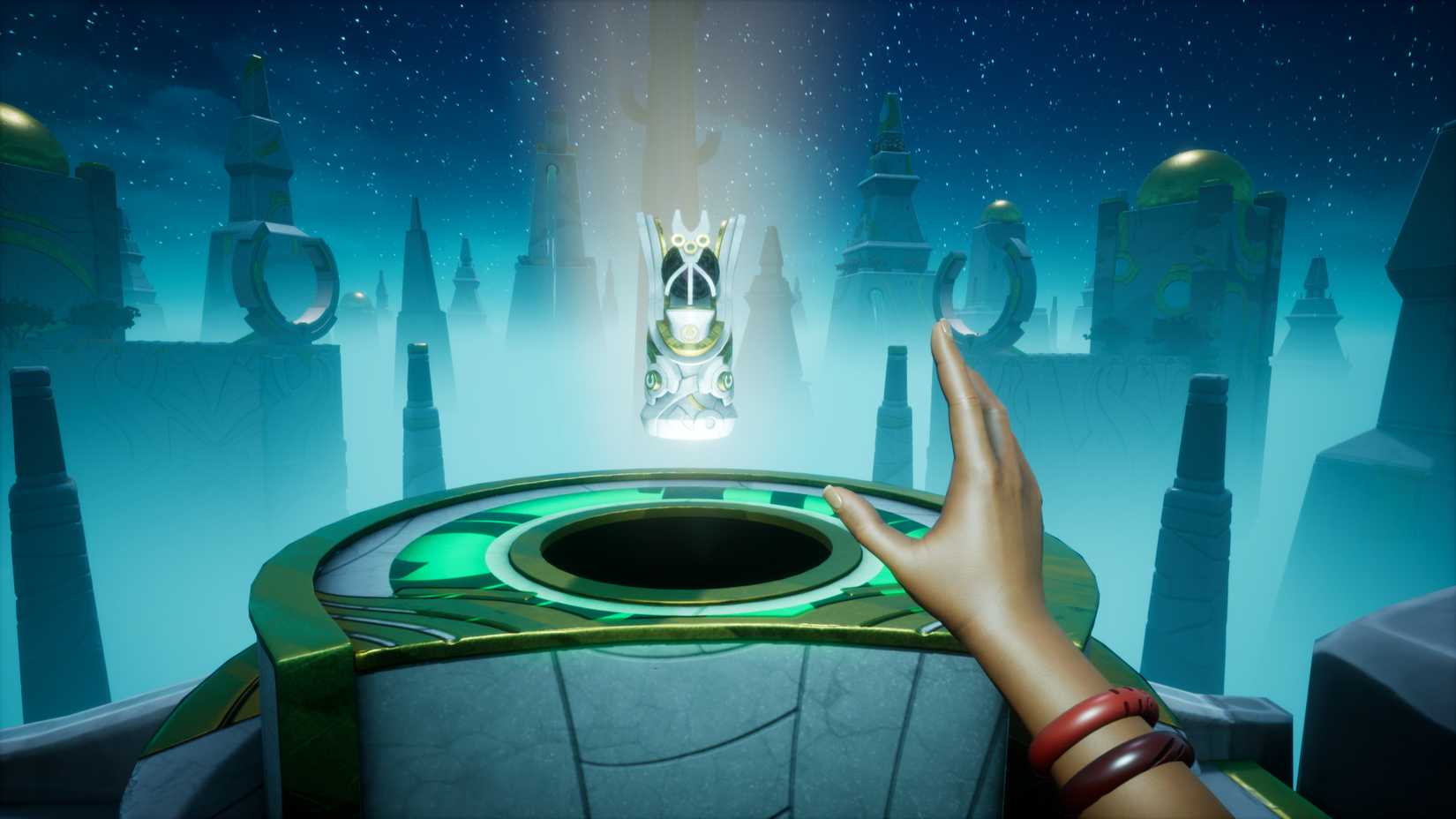
Throughout the game, players transition between the two characters, utilizing their unique skill sets to solve multi-layered puzzles that bridge the gap between "time and space." The game’s pacing is deliberate, allowing players to absorb the mounting dread as they move from the firelit, book-lined studies of a 1920s mansion to the frozen, desolate wastelands where the "Elder Gods" have left their indelible mark.
Supporting Data and Technical Prowess
Built on the backbone of Unreal Engine 5, Call of the Elder Gods is a technical marvel. The visual fidelity is not merely aesthetic; it serves the gameplay. The game relies on a "show, don’t tell" philosophy, where environmental assets act as clues.
- Platform Availability: PC, Console (Current Gen).
- Developer: Out of the Blue.
- Publisher: Kwalee.
- Release Date: May 12, 2026.
- ESRB Rating: Teen (Language, Use of Tobacco).
- Composer: Eduardo De La Iglesia.
The soundtrack, composed by the award-winning Eduardo De La Iglesia, is a vital component of the experience. It utilizes discordant strings and ambient, low-frequency soundscapes to heighten the sense of unease. The sound design is particularly effective during the more "absurd" sequences—moments where the laws of physics appear to bend, and the game’s visual style shifts to reflect the characters’ crumbling grasp on reality.
Gameplay Mechanics: The Logic of the Occult
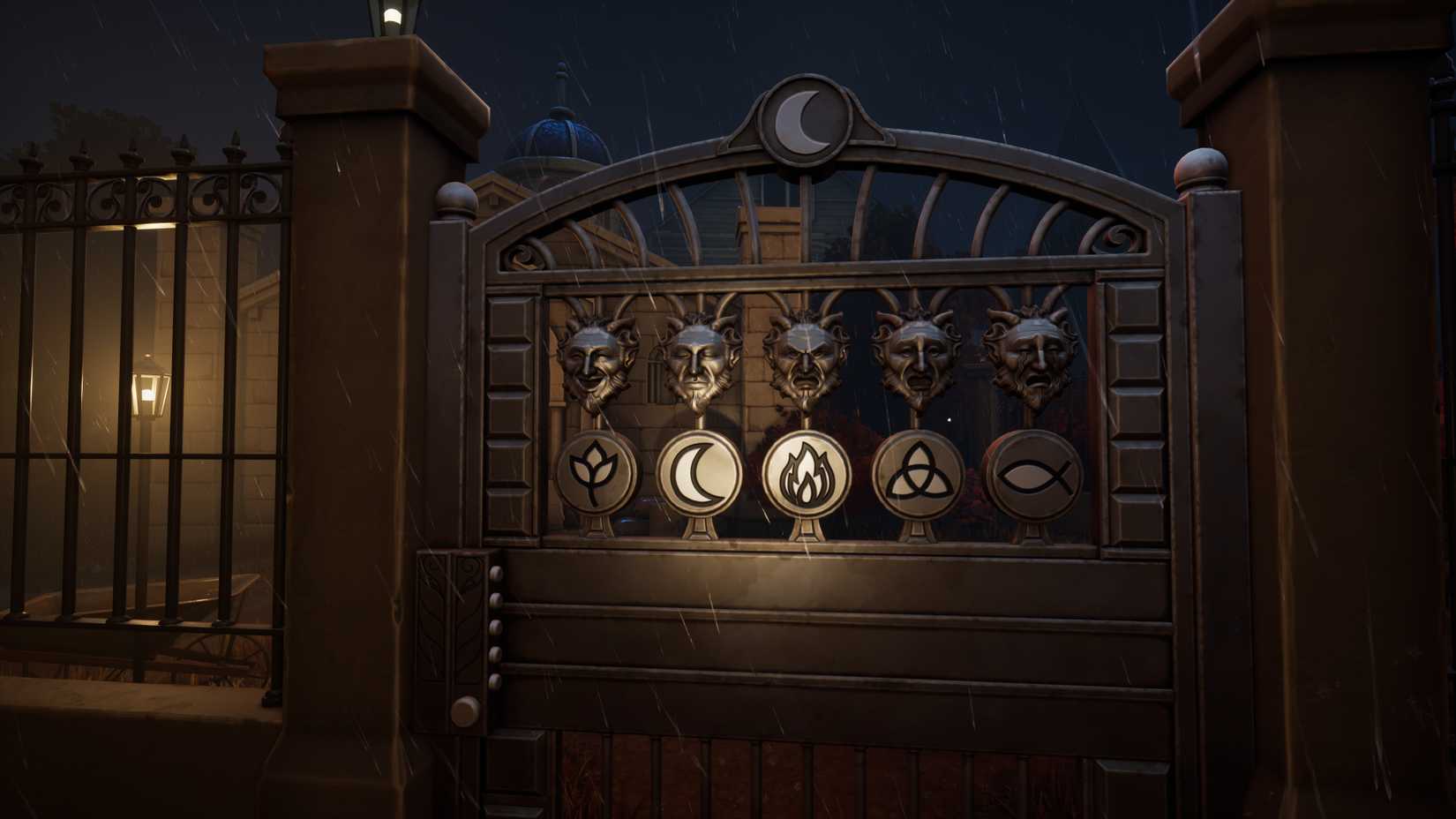
Call of the Elder Gods is, at its core, a puzzle-centric narrative experience. Progression is gated by the player’s ability to observe, catalog, and synthesize information found within the game’s rich, interactive environments.
The Art of Observation
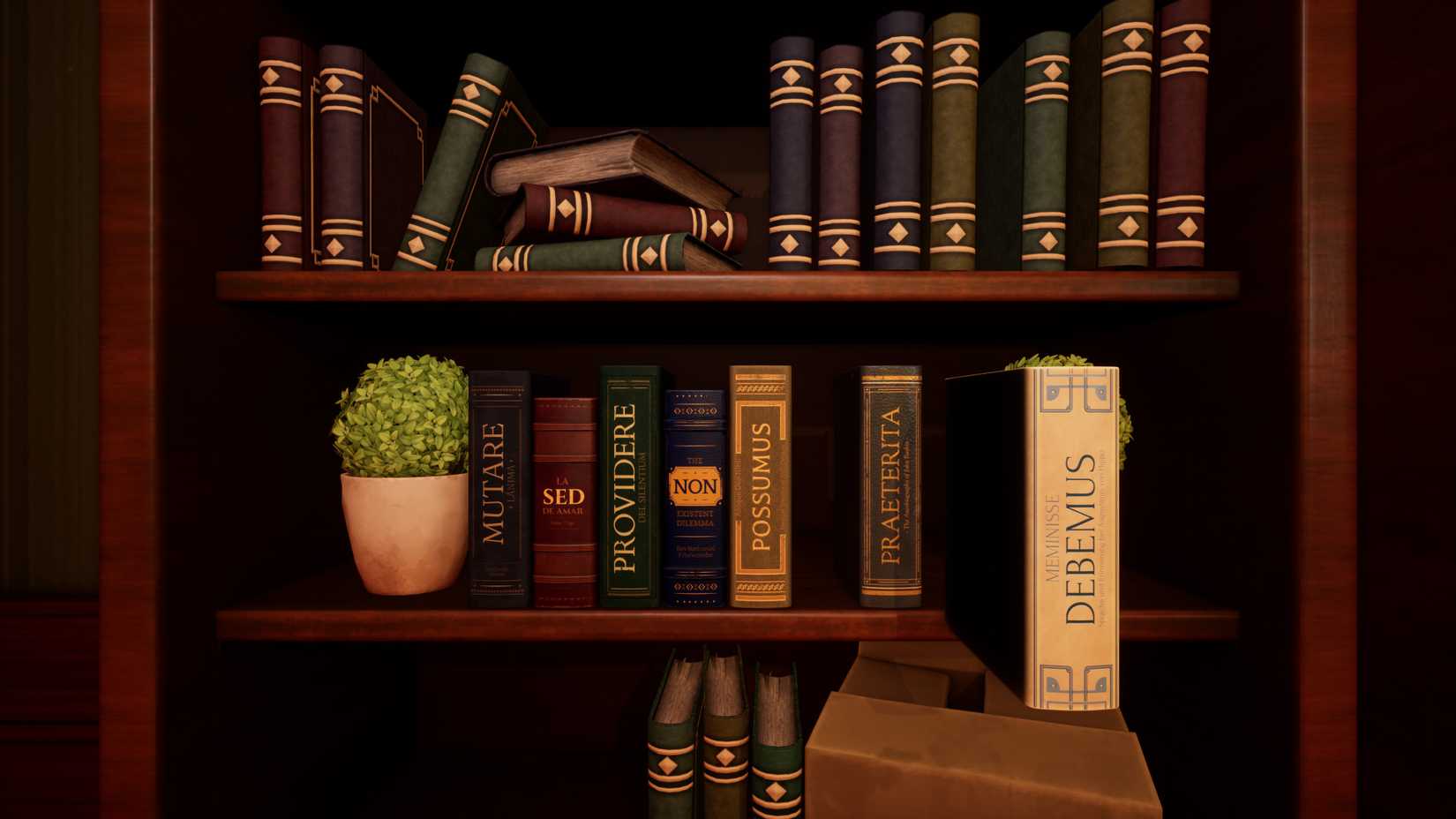
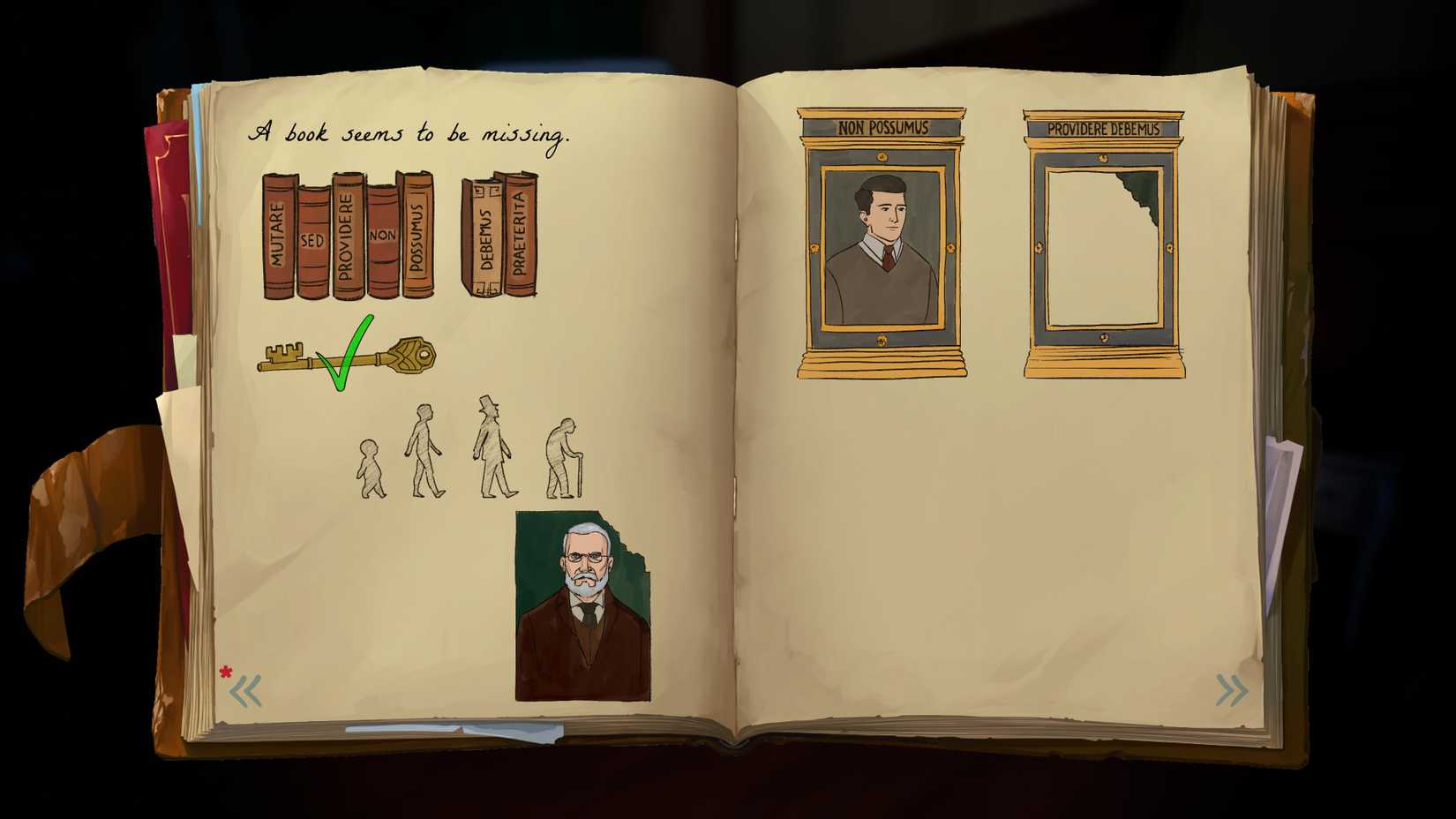
The game eschews the "hand-holding" design philosophy prevalent in many modern titles. Instead, it provides a robust journal system that automatically tracks findings, patterns, and character observations. The player is tasked with looking at everything—from the angle of a statue to the specific arrangement of books on a shelf—to find the "key" to the room.
The Hint System: A Bridge for Accessibility
Recognizing that the difficulty curve for puzzle-heavy games can be a barrier to entry, Out of the Blue has implemented a tiered "Request Hint" system. This is a nuanced feature that respects the player’s intelligence. It does not provide immediate solutions; rather, it offers step-by-step guidance on how to think about the puzzle. If a player remains stumped, the system allows them to progressively reveal more, culminating in the answer. This ensures that the narrative flow—the game’s strongest asset—remains intact for players of all skill levels.
The Exception to the Rule
Despite the polish, the experience is not entirely without friction. In the mid-game, players encounter a specific puzzle involving electrical cabling and machine sockets. While the logic of the puzzle’s mechanics is clear, the game fails to explain the arbitrary nature of the final solution. It creates a "leap of logic" moment that feels disjointed from the otherwise grounded, cause-and-effect nature of the rest of the game. It is a minor blemish on an otherwise well-oiled machine, but it highlights the challenge of balancing abstract horror logic with tangible player progression.
Official Responses and Creative Vision
In discussions surrounding the development, the team at Out of the Blue emphasized their commitment to the "Lovecraftian" genre, specifically citing H.P. Lovecraft’s The Shadow Out of Time as a primary inspiration. The goal was to pivot from the isolation of the first game to a dynamic character study about grief and the human cost of pursuing forbidden knowledge.
"We wanted the players to feel that the puzzles were an extension of the characters’ obsession," the developers noted in recent press releases. By making the puzzles deeply tied to the protagonists’ personal histories and the specific, bizarre nature of their environment, the game creates a sense of intimacy that is rare in the cosmic horror genre.
Implications for the Narrative Adventure Genre
The release of Call of the Elder Gods signals a potential shift in how developers approach puzzle-based storytelling. By integrating voice-acted lore that provides depth beyond the immediate action, the game elevates the standard "find and solve" loop into a truly cinematic experience.
Furthermore, the game’s success suggests that there is a significant, hungry audience for titles that prioritize high-concept, weird fiction over action-heavy gameplay. It validates the "narrative-first" approach, where the quality of the script and the atmosphere are held in higher regard than reflexes or combat prowess.
Conclusion: A Masterclass in Atmosphere
Call of the Elder Gods is a triumphant, if occasionally frustrating, addition to the genre. It succeeds in capturing the quintessential feeling of cosmic horror: the realization that the world is much larger, older, and more indifferent than we can possibly imagine.
For fans of the original game, this is an essential purchase that rewards deep engagement with the lore. For newcomers, it is an accessible, haunting introduction to a universe that is as beautiful as it is terrifying. Despite the occasional logical hiccup in its puzzle design, the game’s commitment to its dark, mysterious tone makes it one of the most compelling narrative adventures of the year. It challenges the player not just to solve a mystery, but to question the very nature of their own memories, proving once again that some doors, once opened, can never be closed.











No comments yet. Be the first to join the conversation!