

By Cesar Zamora
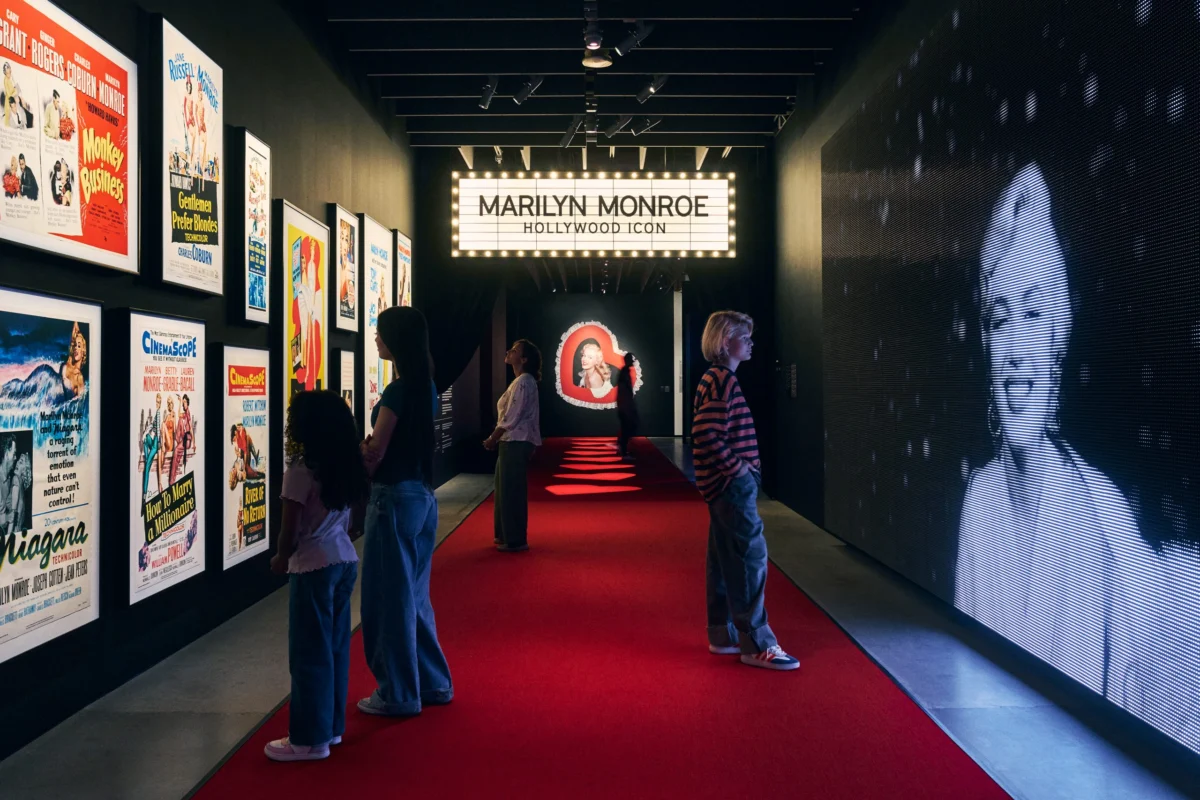
The Academy Museum of Motion Pictures in Los Angeles has announced its latest marquee exhibition, Marilyn Monroe: Hollywood Icon, a profound exploration into the life, career, and calculated artistry of one of the 20th century’s most enduring cultural figures. Scheduled to run from May 31, 2026, through February 28, 2027, the exhibition moves beyond the reductive caricature of the "blonde bombshell" to examine how Norma Jeane Mortenson—born June 1, 1926—meticulously constructed her identity within the restrictive, high-pressure machinery of the classical Hollywood studio system.
By centering the exhibition on Monroe’s own agency, curators Sophia Serrano and Simran Bhalla aim to reframe the narrative surrounding her career. Rather than a victim of her circumstances, the exhibition presents a woman who was a visionary actor and a shrewd image-maker, capable of navigating the complex power dynamics of mid-century cinema to craft an image that remains globally recognizable decades after her passing.
The Architecture of an Icon: Main Exhibition Facts
Marilyn Monroe: Hollywood Icon is not merely a collection of memorabilia; it is a scholarly excavation of a persona. The exhibition brings together hundreds of original objects, many of which have never before been seen by the public. These materials—ranging from personal letters and production documents to rare photographic portraits—serve as the foundation for a narrative that tracks the transformation of Norma Jeane into the global phenomenon known as Marilyn Monroe.
The curation emphasizes the duality of her existence: the private woman versus the public performance. By placing production notes and personal correspondence alongside iconic publicity stills, the museum allows visitors to witness the friction between the studio’s demands and Monroe’s own creative ambitions.

A Life in Focus: Chronological Overview
To understand the trajectory of Marilyn Monroe, the exhibition follows a thematic and chronological path that begins with the early years of Norma Jeane.
The Early Foundation (1926–1945)
The opening galleries explore the formative years of a young woman struggling to break into an industry that saw her as little more than a commodity. These early artifacts highlight the raw ambition and resilience required to survive the audition circuits of the 1940s.
The Studio Era and the Rise of the Star (1946–1955)
As visitors move through the exhibition, they encounter the period of her greatest commercial success. This era is defined by the rigid structures of the studio system, where Monroe began to exert influence over her own aesthetic. Highlights from this period include the iconic pink dress designed by William Travilla for the 1953 masterpiece Gentlemen Prefer Blondes. The preservation of this garment alone provides a tangible connection to the specific moment Monroe solidified her status as a global sex symbol.
The Independent Spirit (1956–1962)
The latter portion of the exhibition focuses on her shift toward more complex roles and her attempts to gain creative control over her career. The inclusion of costumes and production materials from her final, unfinished project, Something’s Got to Give (1962), provides a somber but essential bookend to her career. These final pieces are poignant reminders of a talent that was still evolving at the time of her untimely death.
The Fabric of Fame: Supporting Data and Highlights
The exhibition’s power lies in its material culture. Costumes, in particular, act as the connective tissue between the actor and the screen character. The Academy Museum has secured an impressive array of screen-worn items that illustrate the evolution of Monroe’s sartorial identity.

- The Early Years: A costume from the 1949 film Love Happy highlights the early stages of her screen presence.
- The Comedy Legend: The exhibition showcases two seminal costumes by Orry-Kelly from the Billy Wilder classic Some Like It Hot (1959). These pieces serve as a testament to her comedic timing and her ability to anchor a film that challenged gender norms of the era.
- The Travilla Masterpiece: The centerpiece for many will be the aforementioned Travilla dress from Gentlemen Prefer Blondes. Its presence in the exhibition highlights the meticulous work of the studio costume departments and how they collaborated with Monroe to turn clothing into an extension of her character’s psychology.
Beyond the fashion, the collection of documents—letters, scripts, and personal notes—reveals a woman who was acutely aware of her own "brand." These materials demonstrate that while the studio system provided the stage, it was Monroe who directed the performance.
Behind the Lens: Curatorial Intent and Official Responses
Curator Sophia Serrano and her assistant, Simran Bhalla, have approached this subject with a clear directive: to restore the agency of the subject. In an era where biopics often lean into the sensationalism of Monroe’s personal life, the Academy Museum has opted for a more rigorous, archive-based approach.
By analyzing the production documents, the curators highlight how Monroe fought for better pay, better roles, and more control over her screen image. The goal is to shift the discourse away from the "tragic starlet" trope and toward a more accurate depiction of a professional woman navigating a patriarchal landscape.
The Academy Museum’s decision to dedicate such significant space and resources to this project reinforces the institution’s commitment to preserving the history of motion pictures, not just as a series of finished films, but as a complex ecosystem of labor, art, and identity construction.
Implications: The Legacy of a Visionary
The implications of Marilyn Monroe: Hollywood Icon are significant for film studies and cultural history. By presenting Monroe as a "visionary actor," the exhibition challenges the long-standing critical consensus that often dismissed her work as merely "natural." The documentation provided suggests that her performance style was a result of intense study and a keen understanding of the camera’s capabilities.

Furthermore, the exhibition forces a re-evaluation of the classical Hollywood studio system. By highlighting the letters and production notes, the museum provides a window into the tension between the star and the studio heads—a dynamic that is as relevant today in the modern era of talent management and intellectual property control as it was in 1950.
Visitor Information and Logistics
As with all major exhibitions at the Academy Museum, accessibility and planning are paramount.
- Dates: May 31, 2026 – February 28, 2027.
- Ticketing: The museum operates on an advance reservation system. Tickets are available exclusively via the official Academy Museum website and mobile app.
- Pricing:
- Adults: $25
- Seniors (62+): $19
- Students: $15
- Children (17 and younger): Free
- California residents with an EBT card: Free
- Hours: The museum is open six days a week, from 10:00 am to 6:00 pm. Please note that the museum is closed every Tuesday.
The Academy Museum of Motion Pictures, located in the heart of Los Angeles, continues to solidify its role as the premier destination for cinematic history. With Marilyn Monroe: Hollywood Icon, the institution offers not just a look back at a star, but a deep dive into the very nature of fame and the human cost of becoming a legend. Whether you are a lifelong fan of Monroe or a student of film history, this exhibition is an essential experience for understanding how the modern image of the "Hollywood Icon" was forged.











No comments yet. Be the first to join the conversation!