In a move that underscores its commitment to open-source hardware and the enthusiast community, Valve has officially released the complete technical documentation and build files for the "Inkterface"—the modular E-Ink front panel designed for its new Steam Machine hardware. By providing a comprehensive Bill of Materials (BOM), 3D printing schematics, and step-by-step assembly guides, Valve is empowering hobbyists to replicate the sophisticated, low-power display interface that first captured public attention during the hardware’s initial reveal.
This development serves as more than just a nod to the "maker" community; it represents a strategic shift in how consumer hardware manufacturers engage with their power users. By offloading the assembly to the end-user while providing professional-grade assets, Valve is essentially turning the customization of their flagship hardware into a collaborative, community-driven engineering project.
The Genesis of Inkterface: A Chronology of Hardware Innovation
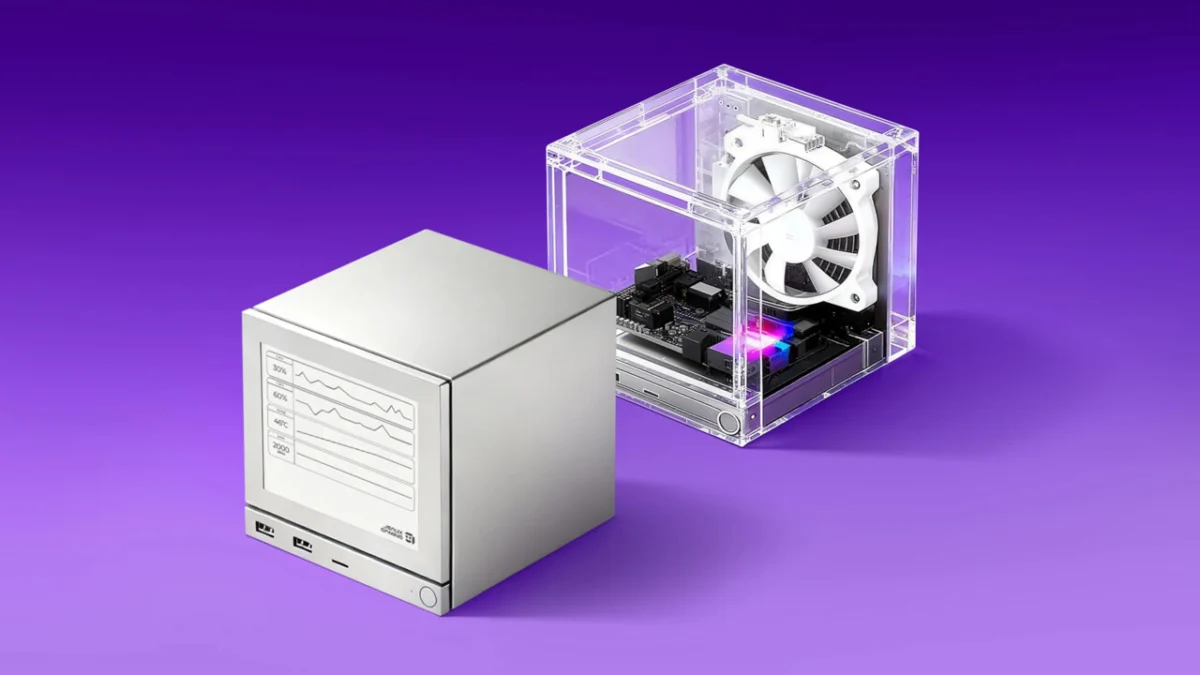
The journey of the Inkterface began as a concept designed to bridge the gap between static chassis design and dynamic user feedback. When Valve first unveiled the Steam Machine, the inclusion of a secondary, low-refresh-rate E-Ink screen on the front panel was seen as a novel way to provide system telemetry—such as CPU temperatures, GPU load, and network status—without the power draw or distraction of a traditional OLED or LCD screen.
Timeline of the Project:
- Initial Reveal (Mid-2025): Valve showcased the Steam Machine alongside the prototype Inkterface, hinting at a "modular aesthetic" that would define the next generation of PC gaming hardware.
- Community Speculation (Late 2025 – Early 2026): Enthusiasts began reverse-engineering the potential for similar displays, with various third-party hardware manufacturers hinting at custom faceplates.
- The GitLab Release (July 2026): Valve published the official documentation, 3D CAD files, and source code on its dedicated SteamHardware GitLab repository, effectively greenlighting the DIY movement.
- The Future (2026 and Beyond): Industry observers expect to see a surge in custom skins and modded "Inkterfaces" appearing on platforms like GitHub and MakerWorld, potentially leading to a secondary market for pre-assembled third-party kits.
Technical Specifications: Building Your Own Inkterface
For those ready to embark on this DIY endeavor, the barrier to entry is moderate but requires a steady hand and a basic understanding of electronics. The project is designed to be accessible to anyone with a 3D printer and the patience to handle fine-pitch wiring.
The Bill of Materials (BOM)
Valve’s documentation specifies a highly standardized set of components, primarily sourced from Adafruit to ensure reliability and compatibility:
- Display: A 5.83-inch E-Ink panel.
- Microcontroller: ESP32 Feather V2, chosen for its low-power Wi-Fi and Bluetooth capabilities, which allow the panel to communicate with the Steam Machine wirelessly.
- Interface Board: The eInk Breakout Friend, which simplifies the connection between the display panel and the ESP32.
- Power: LP803860 lithium-polymer battery.
- Structural Hardware: 13 pieces of M2.6 x 5mm screws and four high-strength magnets (J&J SB443-OUT) for securing the modular front plate to the chassis.
The Fabrication Process
The assembly is divided into three distinct phases: 3D printing, electronics integration, and mechanical assembly.
- 3D Printing: Users must print six distinct components: the Battery Retainer, Board Plate, Faceplate, and the left/right Midplates. These parts are optimized for standard PLA or PETG filaments.
- Circuitry: The most delicate part of the build involves soldering cables to connect the pins of the ESP32 Feather to the Breakout board. Valve’s documentation includes a detailed video tutorial on GitLab, which is highly recommended for those who have not performed micro-soldering before.
- Mechanical Integration: Once the boards are mounted to the 3D-printed plate using the specified screws, the magnetic mounting system is installed. This allows the finished Inkterface to snap onto the front of the Steam Machine seamlessly, mimicking the factory-finish quality of a retail product.
Official Documentation and Support
Valve’s approach to the Inkterface is uniquely "Valve." Rather than keeping the design proprietary, the company has hosted the entire project on their GitLab instance. This transparency allows for version control, meaning that if a flaw is discovered in the CAD files, the community can propose fixes through pull requests, which Valve engineers can then verify and merge.
The provided documentation is written in English and is remarkably thorough. It includes not just a static PDF, but a full video walkthrough that demonstrates the exact orientation of the battery and the cable management required to keep the slim profile of the faceplate intact. This level of support is rare in the consumer electronics space and demonstrates a level of trust between the manufacturer and the end-user.
Implications: The Rise of Modular Gaming Hardware
The release of the Inkterface files signals a broader shift in the gaming industry. As hardware becomes more powerful, the aesthetic and functional customization of that hardware has become a major selling point.

Democratization of Customization
By providing these files, Valve is effectively democratizing hardware modification. In the past, customizing a PC chassis meant cutting metal or drilling plastic, often voiding warranties. By designing the Steam Machine with a magnetic, modular faceplate and then providing the source files to create one, Valve is encouraging users to make the hardware their own without risking the integrity of the underlying system.
The JSAUX Factor
The project has already drawn attention from industry players like JSAUX, a manufacturer known for producing high-quality accessories for the Steam Deck and other gaming handhelds. JSAUX has publicly indicated its intention to produce a commercial, pre-assembled version of the Inkterface.
This creates an interesting dynamic:
- The DIY Enthusiast: Gets the satisfaction of building, the ability to iterate on the design, and lower costs.
- The Consumer: Gets the "plug-and-play" experience through a third-party kit from a vendor like JSAUX, ensuring the device works out of the box without the need for soldering or 3D printing.
The question of whether JSAUX has received official licensing or blessing from Valve remains a subject of intense debate on enthusiast forums. However, given Valve’s history of embracing community projects, it is likely that they view this as a symbiotic relationship that adds value to the Steam Machine ecosystem.
Community Impact and Future Potential
The "Inkterface" is more than just a display; it is a platform. With the ESP32 microcontroller, the possibilities for what can be displayed are endless. Already, members of the community have discussed:
- Custom Skins: Creating 3D-printed faceplates with different materials, such as wood or aluminum, for a premium look.
- Advanced Telemetry: Coding custom firmware to display not just system stats, but notifications, game-specific information, or even pixel-art animations.
- Integration with Other Devices: Exploring whether the Inkterface can be used as a standalone display for other micro-computing projects, given its standard interface.
The community-driven nature of this project means that the Inkterface will likely evolve much faster than any proprietary display module could. As developers write new code for the ESP32, all users—whether they bought their Inkterface from JSAUX or built it themselves—will benefit from these software improvements.
Conclusion: A New Standard for Hardware Transparency
Valve’s decision to open-source the Inkterface front panel is a watershed moment for consumer hardware. It transforms a simple accessory into a symbol of a movement that values user agency and creative freedom.
As we look toward the remainder of 2026, the success of this project will likely influence how other hardware manufacturers approach "moddability." By providing the tools, the data, and the support to allow users to build, repair, and enhance their own devices, Valve is not just selling a Steam Machine—they are building a platform for the next generation of PC gaming enthusiasts.
Whether you are a seasoned engineer or a hobbyist looking for your next 3D printing project, the Inkterface offers a unique opportunity to peek behind the curtain of modern hardware design and contribute to the evolution of the Steam ecosystem. The files are live, the community is active, and the hardware is waiting. It is time to start building.