In a move that signals a tightening of the global semiconductor market, Intel Corporation has officially confirmed a series of upward price adjustments for select high-performance consumer and server-grade processors. The company, citing a confluence of complex market dynamics, escalating supply chain costs, and robust, persistent demand, has begun updating its Recommended Customer Prices (RCPs). While the adjustments to enthusiast desktop hardware are measured, the shift in the data center segment represents a significant recalibration of pricing strategy, with some enterprise units seeing increases reaching into the thousands of dollars.
The Core of the Change: What’s Happening?
The semiconductor industry is currently navigating a period of profound volatility. Intel’s recent decision to hike prices is not an isolated event but rather part of a broader trend among major chip suppliers struggling to reconcile rising operational expenditures with a market where demand frequently outstrips production capacity.
For the consumer market, the focus of the price adjustment is the "Plus" variant of Intel’s latest desktop architecture. Specifically, the Core Ultra 7 270K Plus and the Core Ultra 5 250K Plus have seen their recommended pricing climb by $30 to $50. While seemingly modest in the context of the total system cost for a high-end gaming PC, these adjustments are telling. Interestingly, these hikes are not universal across the Arrow Lake family. The flagship Core Ultra 9 285K maintains its original $599 launch price, and lower-tier models like the Core Ultra 5 225 have actually seen a slight reduction compared to their debut pricing.
In the enterprise space, the situation is far more drastic. Data center-grade hardware, specifically the Xeon 6 "Granite Rapids" and select Xeon 8000-series "Emerald Rapids" processors, have undergone significant upward revisions. These increases suggest that Intel is moving to capitalize on the high-margin segment of the market, where performance-per-watt and absolute throughput justify premium valuations.
A Chronology of Market Adjustments
The timeline of these changes reflects Intel’s cautious approach to market perception. The "Plus" branding, introduced to denote enhanced SKUs within the Arrow Lake generation, has become the primary vector for these price increases.
- Q2 2024 Launch: Intel introduces the Core Ultra 200-series processors. At this juncture, the market remains stable, and the company maintains standard launch MSRPs for its flagship and mid-range components.
- Late 2024 – Early 2025: Industry-wide reports begin to surface regarding supply chain bottlenecks. While Intel continues to manufacture its flagship consumer chips via TSMC, internal production of server-grade silicon faces increased overheads.
- Mid-2025 Retail Volatility: Retailers begin reporting inexplicable price drops for server CPUs, leading to a disconnect between the official RCP and the street price. Intel’s subsequent price hike appears to be an effort to normalize these values.
- Current Status: Official Intel product pages now reflect the adjusted RCPs, formalizing the price increases for the 270K Plus and 250K Plus, alongside a broad recalibration of the Xeon catalog.
Supporting Data: The Anatomy of the Price Hike
The disparity between the price of "Plus" models and standard models highlights a surgical approach to revenue management. Intel is not simply applying a blanket inflation tax; it is targeting SKUs that have demonstrated high "velocity" in the retail channel—products that are selling out faster than they can be restocked.
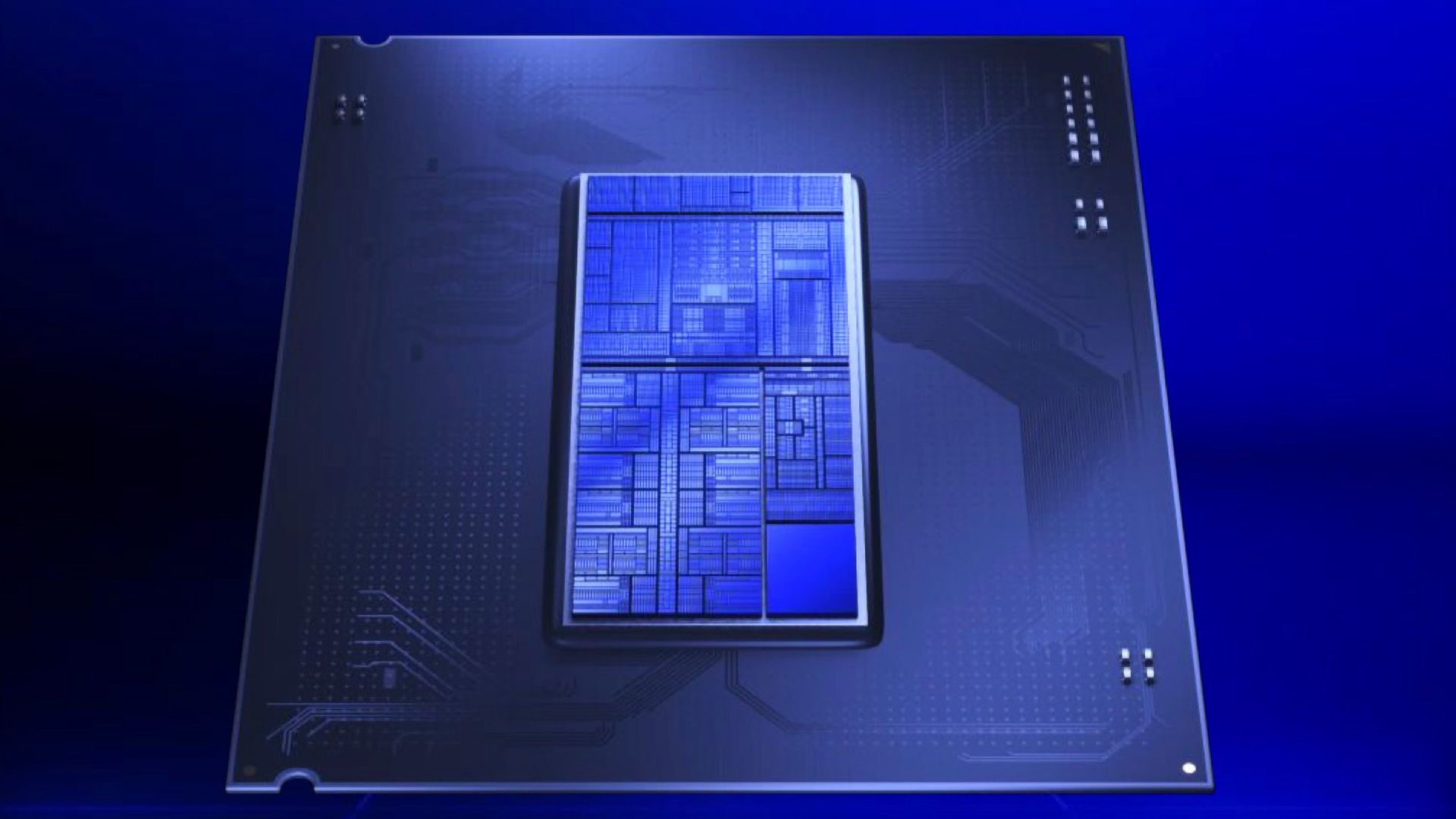
Intel Xeon Performance Core Processor Pricing Trends
| Model | New RCP | 2025 RCP | Launch RCP |
|---|---|---|---|
| Xeon 6980P (GNR) | $13,955 | $12,460 | $17,800 |
| Xeon 6978P (GNR) | $12,348 | $11,025 | N/A |
| Xeon 6972P (GNR) | $11,446 | $10,220 | $11,805 |
| Xeon 6960P (GNR) | $10,780 | $9,625 | $13,750 |
| Xeon 8592+ (EMR) | $12,992 | $11,600 | $11,600 |
As shown in the table above, the new RCPs represent a noticeable "correction" upward from the 2025 pricing levels. While these prices remain below the initial launch peaks seen in 2023 and 2024, they represent a decisive shift away from the competitive discounting that characterized the previous two quarters.
Official Responses and Justification
Intel’s official stance remains rooted in the concept of "market dynamics." In a statement provided to Tom’s Hardware, an Intel spokesperson clarified the company’s position:
"The recent pricing updates reflect current market dynamics, including rising supply chain costs and strong demand for our Intel Core Ultra 200S Plus processors. These updates are in line with recent price increases for other Intel product families based on similar factors."
Intel is careful to avoid the term "inflationary pricing," preferring to frame the move as a reflection of demand-side pressure. By emphasizing that the hikes are specific to certain product families, Intel is attempting to signal to investors that it is protecting its margins in high-demand sectors without alienating the broader consumer base.
The Underlying Implications
The decision to increase prices has several far-reaching implications for the PC enthusiast community and the enterprise IT sector.
1. The Death of the "MSRP Constant"
For years, the industry operated under the assumption that a CPU’s MSRP was a fixed point in time. Intel’s recent actions shatter this precedent. By adjusting prices months after a product’s launch, Intel is signaling that in the current semiconductor economy, price is a fluid variable. For consumers, this means that waiting for a price drop is no longer a guaranteed strategy; in some cases, the price may actually increase as a product lifecycle progresses.
2. The Demand-Supply Paradox
Intel’s assertion that demand exceeds supply for Xeon processors is the crux of the issue. When a company controls the supply of essential high-performance computing components, it gains significant pricing power. By raising the RCP, Intel is essentially capturing the value that was previously being siphoned off by resellers and distributors who were marking up these chips to meet enterprise demand.
3. Impact on Server TCO (Total Cost of Ownership)
For enterprise clients, these price hikes directly impact the TCO of data center deployments. While list prices (RCP) are rarely the final price paid by large-scale data center operators—who negotiate based on volume and strategic partnerships—the hike in RCP sets a higher "anchor" price. This effectively raises the floor for all contract negotiations, leading to higher capital expenditures for cloud providers and research institutions.
4. The "Plus" Strategy
The success of the "Plus" branding suggests that Intel has found a way to segment its market more effectively. By releasing a standard version and an enhanced "Plus" version, Intel can cater to budget-conscious users while simultaneously extracting a premium from power users who are willing to pay for minor performance gains. The price hike on the "Plus" models reinforces this differentiation, positioning them as luxury goods within the CPU landscape.
Future Outlook: A New Paradigm?
As we move deeper into 2025, the industry will be watching closely to see if competitors like AMD follow suit. If the market accepts these price hikes without a significant drop in volume, it is highly probable that we will see a general upward trend in processor pricing across the board.
The era of cheap, readily available high-performance silicon may be evolving into a new phase defined by scarcity and premium pricing. For the average builder, this means that system planning must now account for market volatility as much as it accounts for technical specifications. For the industry at large, Intel’s move serves as a stark reminder that the silicon shortage—while no longer in the headlines—has fundamentally changed the rules of the game.
Ultimately, Intel’s strategy is a calculated risk. By raising prices, they risk the ire of the enthusiast community, yet by doing so, they are reinforcing their financial stability in a market that demands massive capital investment to remain competitive. Whether this move secures long-term profitability or alienates a core customer base remains to be seen, but one thing is certain: the price of performance has officially gone up.