Nila Kartika Wati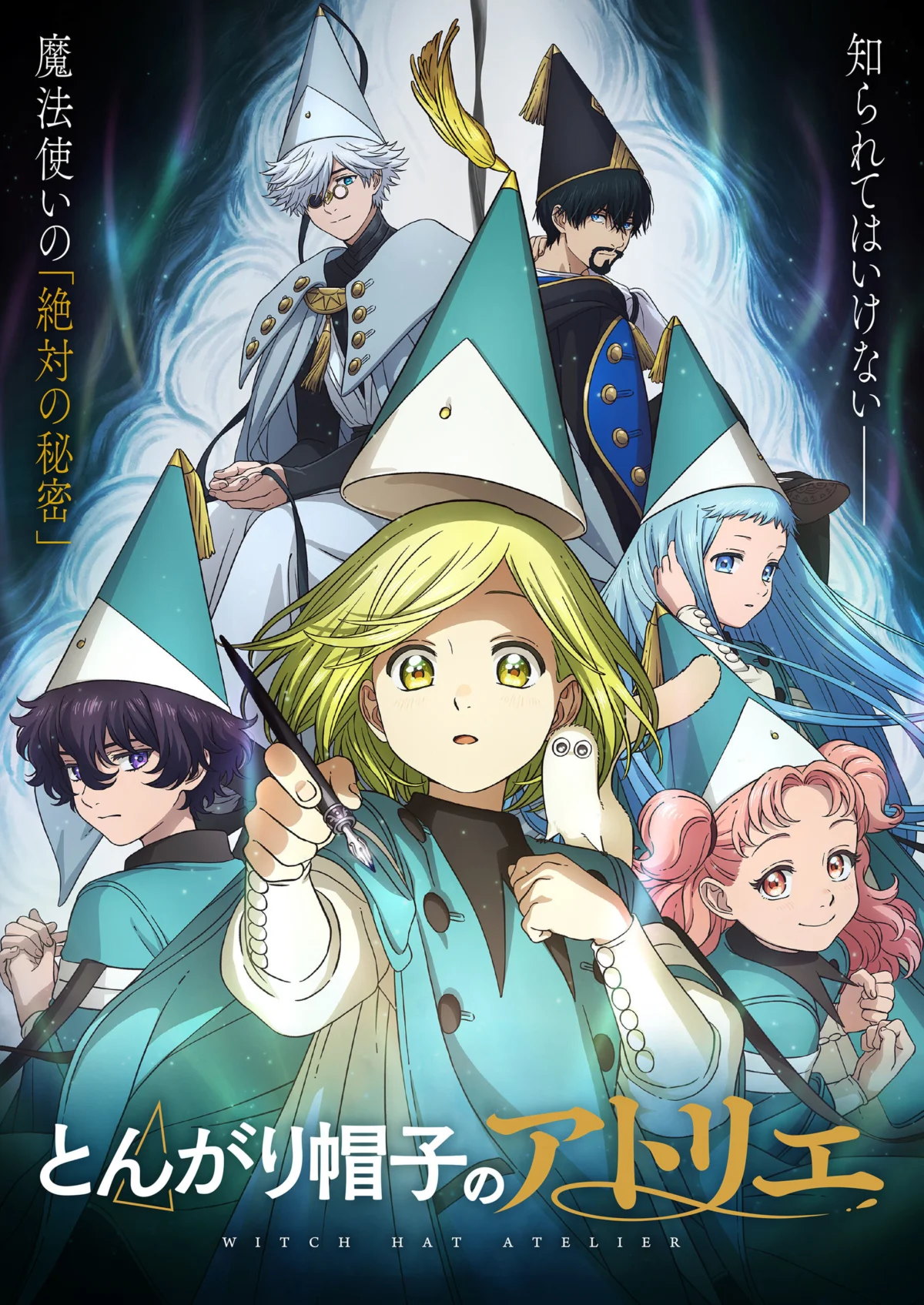
Tokyo, Japan – The enchanting world of Kamome Shirahama’s beloved fantasy manga, Tongari Boushi no Atelier (known internationally as Witch Hat Atelier), continues to captivate audiences with its ongoing television anime adaptation. In a recent development that has sent ripples of excitement through the fandom, the official website announced the addition of two distinguished voice actors to its already stellar cast. Ryusei Nakao and Hiiro Ishibashi are set to lend their vocal talents to the characters of Sasaran and Euini, respectively, further enriching the auditory tapestry of this visually stunning series.
The anime, which premiered on April 6th at 11:00 p.m. JST, has been gracing screens across multiple Japanese broadcasters, including Tokyo MX and BS11, with subsequent airings on KBS Kyoto, Sun TV, and AT-X. This expansion of the voice cast underscores the production’s commitment to delivering a faithful and immersive experience for fans, both seasoned and new.
The Expanding Magical Ensemble: New Voices Join the Atelier
The announcement on Monday revealed that veteran voice actor Ryusei Nakao, a name synonymous with iconic roles in the anime landscape, will embody Sasaran. Nakao’s extensive resume boasts a myriad of unforgettable characters, most notably his legendary portrayal of Frieza in the Dragon Ball franchise, a performance that has cemented his place in anime history. His ability to imbue characters with a unique blend of menace, charisma, and often unexpected humor, suggests that Sasaran will be a compelling and memorable presence in the Witch Hat Atelier narrative.
Joining him is Hiiro Ishibashi, an emerging talent whose previous work includes a notable role in the visually striking anime film Kaijuu no Kodomo (Children of the Sea). Ishibashi’s casting as Euini hints at a character that will likely benefit from his nuanced vocal delivery, potentially bringing depth and emotional resonance to the role. The pairing of these two actors promises a dynamic interplay that will undoubtedly enhance the character interactions within the anime.
A Glimpse Behind the Enchantment: The Production’s Masterminds
The Witch Hat Atelier anime is helmed by a team of accomplished professionals dedicated to translating Shirahama’s intricate artwork and compelling narrative to the screen. Ayumu Watanabe, renowned for his directorial work on the critically acclaimed Summertime Render, is at the helm of this ambitious project. His ability to craft suspenseful plots and develop relatable characters suggests a keen understanding of what makes Witch Hat Atelier so captivating.
The intricate world-building and thematic depth of the series are further bolstered by the expertise of Hiroshi Seko, who is responsible for the series composition and script. Seko’s previous work on series like Owari no Seraph showcases his skill in weaving complex narratives and maintaining narrative coherence across multiple episodes. This is a crucial element for an anime adaptation of a beloved manga, ensuring that the essence of the original story is preserved.
Visual fidelity is paramount in bringing a manga as artistically rich as Witch Hat Atelier to life. Kairi Unabara, whose credits include character design and chief animation direction for Toumei Otoko to Ningen Onna: Sonouchi Fuufu ni Naru Futari, is tasked with translating Shirahama’s distinctive art style into animated form. The character designs are crucial for establishing the visual identity of the series, and Unabara’s role is pivotal in ensuring that the anime captures the charm and expressiveness of the manga’s characters.
Complementing the visual artistry is the musical score, composed by Yuka Kitamura. Known for her work on various anime projects, Kitamura’s compositions will undoubtedly play a significant role in evoking the magical atmosphere and emotional weight of the story, further immersing viewers in the world of witches and their arcane arts.
From Page to Screen: A Journey Through Time and Magic
The journey of Witch Hat Atelier from a critically acclaimed manga to a highly anticipated anime adaptation is a testament to the enduring power of Shirahama’s creation. The manga first began its serialization in Kodansha’s Morning Two magazine in July 2016, quickly garnering a dedicated following for its breathtaking art, intricate magic system, and heartwarming story of a young girl’s pursuit of her dreams against societal limitations.
The manga’s popularity has steadily grown over the years, with Kodansha diligently publishing new volumes. The 16th volume was released on April 23rd, showcasing the ongoing narrative and the continued adventures of Coco and her companions. This consistent output has kept fans engaged and eagerly anticipating each new installment.
Recognizing the global appeal of Shirahama’s work, Kodansha USA licensed the manga in English in July 2018, bringing the magic of Witch Hat Atelier to a wider international audience. The 14th English volume was published on March 17th, further solidifying its presence in the global market. This international accessibility has undoubtedly contributed to the growing anticipation for the anime adaptation, allowing fans worldwide to connect with the story before the animated series even began airing.
The anime’s broadcast schedule, commencing on April 6th, signifies a new chapter for the franchise, offering a dynamic and accessible way for fans to experience the world of Witch Hat Atelier. The decision to air on multiple prominent networks ensures a broad reach within Japan, while the potential for international streaming platforms to pick up the series promises a global viewing experience.
The Genesis of Enchantment: Kamome Shirahama’s Vision
At the heart of Witch Hat Atelier‘s success lies the singular vision of its creator, Kamome Shirahama. Her distinctive art style, characterized by intricate details, expressive character designs, and a palpable sense of wonder, has been a major draw for readers since the manga’s inception. Shirahama’s ability to seamlessly blend a whimsical aesthetic with a deeply engaging narrative has earned her widespread critical acclaim and a devoted fanbase.
The premise of Witch Hat Atelier centers on Coco, a young girl living in a world where magic is commonplace but strictly regulated, accessible only to those who are born with the innate ability to use it. Coco, however, is born without this gift, yet harbors an insatiable curiosity and a deep desire to learn the arcane arts. Her life takes an extraordinary turn when she encounters Qifuru, a mysterious witch who inadvertently reveals the secret of magic to her. This chance encounter sets Coco on a path of forbidden learning, leading her to the titular Witch Hat Atelier, where she begins her journey to become a witch, defying societal norms and uncovering the hidden truths of her world.
The manga’s exploration of themes such as perseverance, the pursuit of knowledge, the dangers of unchecked power, and the importance of community resonates deeply with readers. Shirahama masterfully weaves these themes into a narrative that is both fantastical and grounded in relatable human emotions. The introduction of new characters, such as Sasaran and Euini, voiced by Nakao and Ishibashi, will undoubtedly add further layers to these thematic explorations, offering new perspectives and potential conflicts within Coco’s journey.
Echoes from the Production: Insights and Aspirations
While official statements from the production team regarding the casting of Nakao and Ishibashi are still emerging, the choice of such accomplished voice actors speaks volumes about the ambition and quality of the Witch Hat Atelier anime. Ryusei Nakao’s legendary status in the industry suggests that Sasaran will be a character of significant impact, potentially serving as a mentor, an antagonist, or a complex figure whose motivations are not immediately clear. His ability to deliver powerful performances will undoubtedly imbue the character with a memorable gravitas.
Hiiro Ishibashi’s casting as Euini, on the other hand, offers an opportunity for him to showcase his developing talent and contribute to the nuanced character development that has become a hallmark of the series. The dynamic between these two new additions and the existing cast, which includes the previously announced voice actors for Coco and Qifuru, will be crucial in shaping the overall tone and emotional arc of the anime.
The success of Witch Hat Atelier anime is intrinsically linked to its ability to capture the magic of Shirahama’s original work. The visual splendor, the intricate world-building, and the heartfelt storytelling all need to be translated effectively into the animated medium. The production team’s dedication to this translation is evident in the quality of the animation seen in the promotional materials and the careful selection of voice actors who can bring these beloved characters to life.
Implications for the Future: A Spellbinding Continuation
The addition of Ryusei Nakao and Hiiro Ishibashi to the Witch Hat Atelier anime cast is more than just a casting announcement; it is a statement of intent. It signals a commitment to maintaining the high standards set by the manga and delivering an anime experience that will satisfy both long-time fans and newcomers alike. The involvement of such respected voice actors often generates significant buzz and can attract a wider audience to the series.
As the anime continues its broadcast run, these new voices will undoubtedly contribute to the deepening of the narrative and the expansion of the magical world. The characters of Sasaran and Euini, whatever their roles may be, are poised to become integral to Coco’s journey and the unfolding mysteries of the Witch Hat Atelier. Their performances will shape how these characters are perceived and their impact on the overarching story.
The Witch Hat Atelier anime represents a significant milestone for Kamome Shirahama’s celebrated work. With a dedicated production team, a compelling narrative, and now an enriched cast of voice actors, the series is well-positioned to cast a lasting spell on audiences, offering a visually stunning and emotionally resonant exploration of magic, dreams, and the power of knowledge. The continued success of this adaptation will not only bring joy to fans but also further solidify the enduring legacy of this enchanting fantasy tale.

 Reynand Wu
 Pevita Pearce