Nila Kartika Wati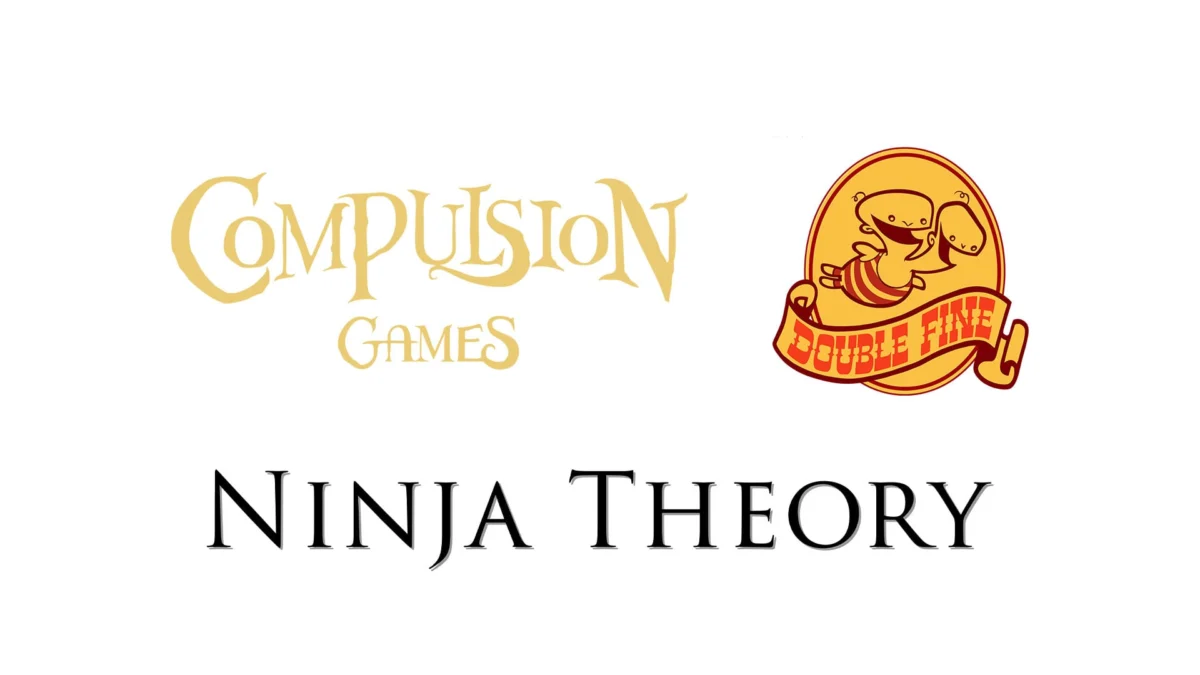
REDMOND, WA – June 15, 2026 – A wave of uncertainty is sweeping through Xbox’s internal development studios as several key teams, including Compulsion Games, Double Fine Productions, and Ninja Theory, are reportedly in active negotiations to spin off from Microsoft’s gaming division to avoid outright closure. This dramatic restructuring comes amidst a period of strategic re-evaluation for Xbox, marked by a recent internal memo from CEO Asha Sharma hinting at significant changes and leadership shifts within Xbox Game Studios.
The potential divestitures and closures, first reported by Bloomberg’s Jason Schreier, citing sources familiar with the company’s plans, signal a major recalibration for Xbox’s first-party content strategy. While some studios may have the opportunity to buy back their independence, the move is expected to lead to substantial job losses across the affected teams, further exacerbating a trend of layoffs observed throughout the tech and gaming industries in recent years.
Main Facts
The core of the unfolding situation revolves around several prominent Xbox Game Studios facing an ultimatum: negotiate a spin-off to become independent or risk closure. Compulsion Games, known for titles like We Happy Few and the upcoming South of Midnight; Double Fine Productions, celebrated for their narrative-driven games such as Psychonauts; and Ninja Theory, acclaimed developers behind the Hellblade series, are at the forefront of these discussions.
Reports suggest the situation is particularly dire for Ninja Theory, which, according to The Verge, had staffers informed of the studio’s impending closure as early as today, June 15, 2026. Despite this, the studio is actively seeking a buyer to continue operations, a move made even more poignant by their recent announcement of Senua, a new game set in the Hellblade universe, during the Xbox Game Showcase earlier this month. The announcement had been a beacon of creative ambition, now overshadowed by existential threats.
Similarly, Compulsion Games was initially reported by Kotaku to be facing closure, only for the story to be updated later, clarifying that studio leadership was engaged in "negotiations" with Xbox, the specifics of which remain undisclosed. Jason Schreier further elaborated on Bluesky that these three studios are not isolated cases, implying other undisclosed studios within Xbox’s vast portfolio are also at risk. Crucially, any planned layoffs are not expected to occur until after the conclusion of Microsoft’s fiscal year on June 30, 2026, suggesting a brief reprieve before potential workforce reductions.
These developments underscore a broader strategic pivot within Xbox, previously hinted at by CEO Asha Sharma in an internal memo titled "Next 100 Days: Xbox Reset." The memo outlined a need to "reset for a stronger Xbox," acknowledging increasing costs due to an ongoing component crisis and an "over extended" studio system. Compounding the situation, Xbox Game Studios head Craig Duncan announced his departure from the company today, a decision reportedly made last week, just prior to the news of the impending studio shake-up.
Chronology
The current crisis appears to be the culmination of several strategic decisions and industry pressures, unfolding rapidly over recent weeks.
Recent Developments
Early June 2026:
- Ninja Theory publicly unveils Senua, a new action-adventure game set in the Hellblade universe, during the Xbox Game Showcase 2026. This announcement, intended to be a highlight of Xbox’s creative pipeline, now stands in stark contrast to the studio’s precarious future.
Last Week (Early June 2026):
- Xbox Game Studios head Craig Duncan makes the decision to step down from his role. This move, while publicly announced today, occurred ahead of the widespread reports of studio closures and negotiations. Duncan’s departure adds a layer of leadership instability during a critical period for the division.
Today, June 15, 2026:
- Morning: Kotaku publishes an initial report stating that Xbox plans to shut down Compulsion Games. This sparks immediate concern across the industry.
- Later Morning/Afternoon: The Verge reports that staffers at Ninja Theory were informed of the studio’s closure. The report also highlights the studio’s hope to find a buyer, indicating a desperate scramble for survival.
- Afternoon: Bloomberg’s Jason Schreier releases a comprehensive report, confirming that Compulsion Games, Double Fine Productions, Ninja Theory, and potentially others, are in "active negotiations to spin off" from Xbox to avoid closure. This report clarifies the situation for Compulsion Games, updating Kotaku’s initial report to reflect ongoing negotiations rather than outright closure.
- Late Afternoon: Kotaku updates its story on Compulsion Games, confirming the studio leadership is in "negotiations" with Xbox, aligning with Bloomberg’s reporting.
- Evening: Jason Schreier adds further detail via Bluesky, confirming that layoffs are not anticipated until after Microsoft’s fiscal year concludes on June 30, offering a brief window of stability for employees. He also reiterates that the identified studios are not the only ones at risk.
- Throughout the day: Xbox Game Studios head Craig Duncan’s departure is officially announced, adding to the day’s significant news cycle concerning Xbox’s internal structure.
The "Xbox Reset" Memo
Last Week (Early June 2026):
- Xbox CEO Asha Sharma distributes an internal memo titled "Next 100 Days: Xbox Reset" to staff. The memo, intended to outline future strategic directions, implicitly foreshadowed the current events. Sharma’s message highlighted the increasing operational costs faced by the company, attributing part of this to an "ongoing component crisis" impacting hardware manufacturing and overall development expenses. More critically, she stated that Xbox’s current studio system was "over extended," a clear indication that the company had grown too large and inefficient in its first-party development efforts. The memo spoke of a need to "reset for a stronger Xbox," language that now resonates with the impending shake-up of its studio portfolio. This memo served as a crucial precursor, signaling an internal recognition of the need for drastic measures to streamline operations and improve profitability.
Leadership Changes
Today, June 15, 2026:
- The departure of Craig Duncan, the head of Xbox Game Studios, is made public. According to the Bloomberg report, Duncan’s decision to step down was made last week, coinciding with the internal discussions and strategic planning that led to the current studio negotiations. His exit at such a pivotal moment suggests either a disagreement with the new strategic direction or a planned transition that happens to align with the restructuring. Regardless, his departure leaves a leadership void at the top of Xbox’s internal development arm, further complicating an already tumultuous period. The timing suggests a direct correlation between the new "reset" strategy and a changing of the guard at the highest levels of studio management.
Supporting Data
The current turmoil within Xbox Game Studios is not an isolated incident but rather a symptom of broader economic pressures, strategic challenges inherent in large-scale acquisitions, and a prevailing trend of consolidation and rationalization within the video game industry.
Economic Pressures and Market Realities
Xbox CEO Asha Sharma’s memo explicitly cited an "ongoing component crisis" as a factor contributing to increased costs. This refers to the global supply chain disruptions that have plagued various industries, including electronics, leading to shortages and price hikes for essential components like semiconductors, memory, and graphics processing units. For a company like Microsoft, which produces both console hardware and computationally intensive software, these rising costs directly impact manufacturing expenses for Xbox consoles and the budget required for game development, particularly for graphically ambitious titles.
Furthermore, the memo’s reference to an "over extended" studio system points to the financial realities of managing a vast portfolio of development teams. Microsoft has aggressively expanded its first-party studio count over the past decade through a series of high-profile acquisitions, including Mojang (Minecraft), Obsidian Entertainment, inXile Entertainment, Bethesda Softworks (ZeniMax Media), and most recently, Activision Blizzard King. While these acquisitions brought immense talent and IP, they also came with significant overheads, complex integration challenges, and the pressure to deliver a consistent stream of exclusive, high-quality content for Game Pass.
The subscription-based model of Game Pass, while highly successful in subscriber growth, also presents a unique financial dynamic. Microsoft needs to continuously invest heavily in content to attract and retain subscribers, but the revenue per user might not always scale directly with the escalating costs of game development, especially for AAA titles that can cost hundreds of millions of dollars to produce. This creates a tension between the need for quantity and quality on Game Pass and the sustainable profitability of the underlying studios.
The Challenge of Studio Integration
The decision to acquire studios like Double Fine, Compulsion Games, and Ninja Theory—all critically acclaimed but often mid-sized developers—was part of a strategy to bolster Xbox’s creative diversity and expand its unique IP offerings. Double Fine, led by industry veteran Tim Schafer, was celebrated for its quirky, story-driven adventures. Compulsion Games brought a distinct artistic vision with its dystopian settings. Ninja Theory was lauded for its innovative approach to narrative and combat in titles like Hellblade: Senua’s Sacrifice.
However, integrating creative studios into a massive corporate structure like Microsoft presents numerous challenges. Cultural clashes, bureaucratic hurdles, differing development philosophies, and the pressure to align with corporate roadmaps can stifle creativity and efficiency. The promise of "creative freedom" often comes with the unspoken expectation of delivering commercial success within a larger ecosystem. If a studio struggles to find its niche, consistently deliver on schedule, or achieve the desired commercial impact within the Xbox ecosystem, it can become a candidate for re-evaluation. The "over extended" comment by CEO Sharma suggests that some of these integrations may not have yielded the anticipated returns or synergistic benefits, leading to a sprawling and potentially inefficient network of development teams.
The Track Record of Acquisitions
While Microsoft’s acquisition strategy has been largely focused on expansion, the history of the gaming industry is replete with examples of large publishers acquiring smaller studios only to later close or divest them. Often, the initial enthusiasm for a studio’s talent or IP gives way to financial realities, strategic shifts, or integration difficulties. When studios are unable to justify their operating costs or align with the parent company’s evolving vision, difficult decisions are made.
The current situation bears some resemblance to past instances where studios under larger umbrellas have been streamlined or cut. For the studios negotiating spin-offs, the opportunity to "buy themselves back" is a double-edged sword. It offers a chance at continued existence and creative autonomy but comes with the immense burden of securing funding, establishing independent publishing deals, and navigating the highly competitive game development landscape without the financial backing and marketing power of a giant like Microsoft. This path often results in significant downsizing and a leaner operational model, directly translating to job losses.
The fact that these negotiations are happening for studios that have recently released or announced games (like Ninja Theory’s Senua) further highlights the severity of the financial and strategic pressures. It suggests that even ongoing projects and critical acclaim might not be enough to secure a studio’s future within Microsoft’s tightened fiscal framework.
Official Responses
As of the evening of June 15, 2026, Microsoft and Xbox have maintained official silence regarding the specifics of the ongoing studio negotiations, potential closures, or leadership changes beyond the public announcement of Craig Duncan’s departure. This lack of direct comment from the company is typical in situations involving sensitive personnel matters, financial restructuring, and ongoing negotiations, especially when significant job losses might be involved.
Silence from Microsoft, Speculation from Sources
The primary information regarding the studio’s fate has emerged from reputable journalistic sources like Bloomberg’s Jason Schreier, The Verge, and Kotaku, all citing anonymous individuals familiar with Xbox’s internal plans. This reliance on "people familiar with the company’s plans" or "sources claiming staffers were informed" underscores the sensitive nature of the information and Microsoft’s probable desire to control the narrative or delay official statements until definitive decisions are made and communicated internally to affected employees.
The public silence, while understandable from a corporate perspective, inevitably fuels speculation and anxiety among developers, industry observers, and the gaming community. Without official confirmation, the full scope of the "Xbox Reset" and its implications remains a subject of intense discussion and conjecture. The fact that Jason Schreier, known for his accurate reporting on industry layoffs and studio shake-ups, used Bluesky to confirm additional details (such as the timing of layoffs) lends significant weight to the unofficial reports.
The Nature of "Spin-offs"
The concept of studios "spinning off" or having the opportunity to "buy themselves back" is a critical aspect of these negotiations. This process typically involves:
- Management Buyout (MBO): The existing leadership team of a studio, often with external investment or personal funds, purchases the studio back from the parent company. This allows the studio to regain independence and continue its operations, albeit under new financial constraints.
- External Buyer: The parent company facilitates a sale of the studio to another interested party, such as a smaller publisher, an investment firm, or even another large gaming company looking to expand its portfolio.
- Intellectual Property (IP) Rights: A key component of these negotiations involves the ownership and licensing of intellectual property. If a studio spins off, it must negotiate whether it retains the rights to its existing game franchises or if those remain with Xbox. For example, would Ninja Theory be able to continue the Hellblade series independently, or would they need to create entirely new IP? This often dictates the viability of a spin-off.
While a spin-off offers a lifeline, it rarely comes without significant sacrifice. As the Bloomberg report noted, even with the opportunity for independence, "the move could still result in significant job losses." This is because a newly independent studio often needs to streamline operations, reduce overhead, and secure new funding, which typically involves a smaller team and a more focused project pipeline. The financial terms of buying back a studio, the debt incurred, and the need to operate profitably without the safety net of a major publisher like Microsoft are immense challenges.
The lack of official statements from Microsoft means that the precise terms, conditions, and the number of studios involved in these spin-off negotiations remain speculative. The industry awaits an official communication, likely after the fiscal year end on June 30, which could provide clarity on the future landscape of Xbox’s first-party development.
Implications
The potential closures and spin-offs within Xbox Game Studios carry profound implications for the affected developers, Microsoft’s gaming strategy, and the broader video game industry.
Impact on Developers and Projects
For the employees of Compulsion Games, Double Fine Productions, and Ninja Theory, the news introduces immense uncertainty and anxiety. Even if a studio successfully spins off, the process typically involves significant restructuring and likely job cuts as the newly independent entity seeks financial viability. Developers face the stress of potential unemployment, relocation, or adapting to a drastically different work environment. The emotional toll of seeing projects potentially canceled or dramatically altered, or facing the prospect of their studio’s closure, cannot be overstated.
Ninja Theory’s situation is particularly poignant, having just announced Senua. The fate of this new game, and the future of the critically acclaimed Hellblade series, hangs in the balance. If the studio is acquired, its new owner may decide to continue the project, but creative direction, timelines, and resources could change dramatically. If it closes, the project could be shelved indefinitely, and the talent behind it dispersed. Similar fates could await South of Midnight from Compulsion Games and any unannounced projects from Double Fine. This disruption risks not only the games themselves but also the accumulated expertise and creative synergy within these teams.
Strategic Re-evaluation for Xbox
This restructuring marks a significant strategic pivot for Xbox. The aggressive acquisition strategy of the past decade aimed to build a robust first-party portfolio to feed Game Pass and compete more effectively with PlayStation and Nintendo. The "over extended" comment suggests that this strategy, while successful in acquiring talent and IP, may have become unsustainable or inefficient from a cost perspective.
The "Xbox Reset" implies a move towards a more streamlined, focused, and perhaps more profitable first-party development model. This could mean:
- Prioritizing larger, proven studios: Xbox might double down on its biggest hitters like Bethesda Game Studios, id Software, or the newly acquired Activision Blizzard King studios, focusing resources on fewer, higher-impact titles.
- Greater emphasis on internal synergy: Studios that can effectively contribute to Xbox’s key franchises or technological advancements might be prioritized.
- Rethinking Game Pass content strategy: While Game Pass remains central, Xbox might re-evaluate the volume and type of first-party content needed, potentially relying more on third-party deals or strategically chosen internal projects.
- Financial discipline: The move underscores a renewed focus on cost control and return on investment for each studio and project.
This shift could lead to fewer, but potentially more impactful, Xbox exclusive titles from its internal studios, while also potentially opening the door for more multi-platform releases from its larger acquired entities (e.g., Activision Blizzard titles).
A Broader Industry Trend?
The layoffs and studio re-evaluations at Xbox are not isolated. The gaming industry has experienced significant job losses and studio closures throughout 2023 and 2024, with major publishers like Embracer Group, Epic Games, Unity, and even Sony conducting large-scale layoffs. Factors contributing to this trend include:
- Post-pandemic correction: A boom in gaming during the pandemic led to aggressive hiring, which is now being corrected as growth normalizes.
- Rising development costs: The cost of developing AAA games continues to skyrocket, making profitability harder to achieve.
- Economic uncertainty: Broader economic headwinds and inflationary pressures impact consumer spending and company investment.
- Consolidation: The industry is seeing increasing consolidation, with larger players acquiring smaller ones, often leading to subsequent rationalization of portfolios.
Xbox’s current situation is a stark reminder that even the largest and wealthiest companies are not immune to these pressures. It reinforces the idea that the business of video game development, despite its creative allure, is ultimately driven by financial realities and strategic imperatives.
The Future Landscape of Xbox Game Studios
The outcome of these negotiations will redefine the landscape of Xbox Game Studios. While some cherished creative voices might gain independence, others could cease to exist. This "reset" could lead to a leaner, more focused Xbox, but it comes at the cost of diversity and the potential loss of unique creative contributions.
The timing of these events, coinciding with the departure of the Xbox Game Studios head and following a memo on strategic recalibration, paints a picture of a company undergoing a significant transformation. The gaming community, developers, and industry analysts will be watching closely to see how Xbox navigates this challenging period and what its "stronger Xbox" vision ultimately entails for its first-party content and its vast ecosystem. The next few months, particularly after June 30, will be critical in revealing the true extent of this strategic shift and its long-term impact on the future of Xbox gaming.


 Lina Irawan
 Sagoh
Sagoh