

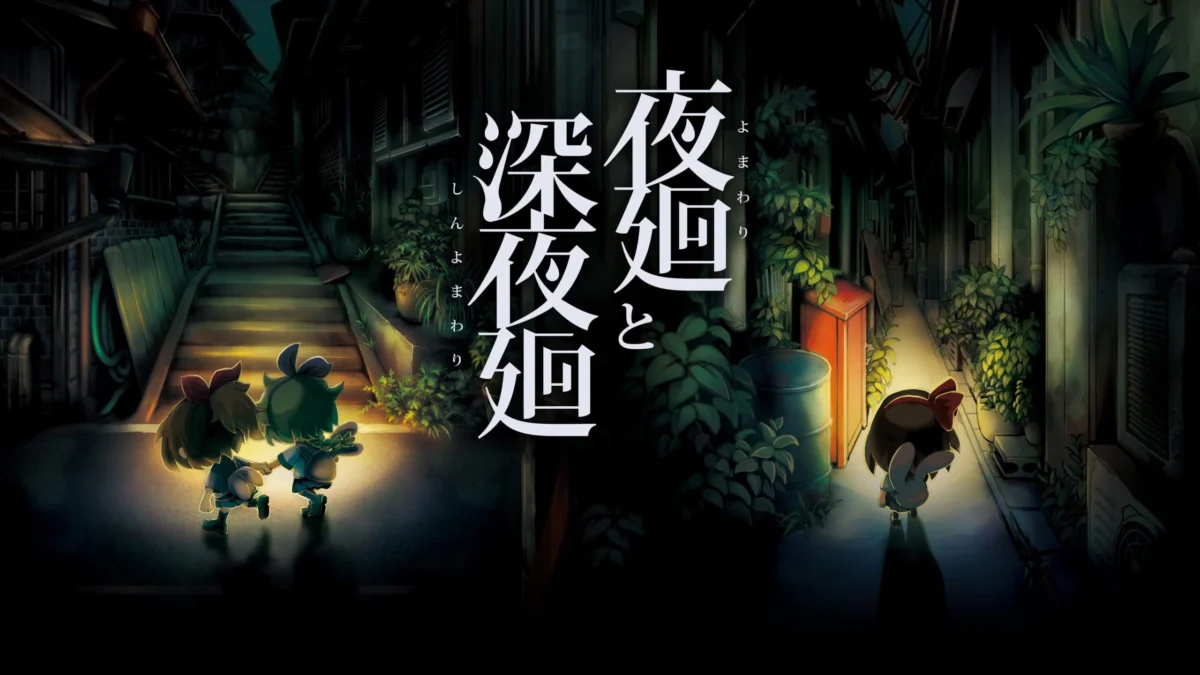
TOKYO, Japan – April 24, 2024 – In a move that has both delighted and startled fans of atmospheric horror, Nippon Ichi Software has unexpectedly launched Yomawari: The Long Night Collection for PlayStation 5 in Japan. The collection, which bundles the critically acclaimed titles Yomawari: Night Alone and its sequel Yomawari: Midnight Shadows, became available today on the PlayStation Store, marking another sudden arrival in the series’ recent history on Sony’s latest console.
This surprise release follows closely on the heels of a similar unannounced PlayStation 5 debut for the third mainline installment, Yomawari: Lost in the Dark, which quietly appeared on the Japanese digital storefront on March 12. The dual unheralded launches have ignited speculation among the fanbase regarding Nippon Ichi Software’s strategy for its beloved, if niche, horror franchise.
The Yomawari: The Long Night Collection is currently offered at a promotional launch price of 3,839 yen for PlayStation Plus subscribers, a significant discount from its standard price of 7,678 yen, which will take effect from May 29. While Japanese players can now delve into these chilling narratives on their PS5 consoles, the status of a Western release for either the collection or the standalone Lost in the Dark on PS5 remains uncertain, leaving international fans anxiously awaiting an announcement from NIS America.
Main Facts: A Sudden Return to the Shadows
The abrupt availability of Yomawari: The Long Night Collection on the PlayStation 5 in Japan injects a fresh dose of suspense into the already eerie world of the Yomawari series. This digital-only release compiles two cornerstone titles, Yomawari: Night Alone and Yomawari: Midnight Shadows, offering players a comprehensive entry point into the franchise’s unique brand of psychological survival horror.
Crucially, this marks a significant milestone for Yomawari: Night Alone, which was originally a PlayStation Vita exclusive before making its way to PC. Its inclusion in this PS5 collection signifies the first time the inaugural Yomawari experience is playable on a non-portable PlayStation console, a long-awaited development for many who prefer console gaming on a larger screen. Yomawari: Midnight Shadows, the direct sequel, initially launched on PlayStation 4, PS Vita, and PC, and its inclusion ensures that PS5 owners can now experience the complete narrative arc of the first two games within a single, potentially enhanced package.
The pricing structure reflects a common strategy for digital launches, with an enticing introductory discount for PlayStation Plus subscribers at 3,839 yen (approximately $25 USD at current exchange rates). This offer is designed to incentivize early adoption, with the price reverting to its full 7,678 yen (roughly $50 USD) after May 29. Such a brief window for a substantial discount often points to a desire for immediate engagement from the publisher.
However, the most striking aspect remains the complete lack of prior announcement or marketing push from Nippon Ichi Software. The games simply materialized on the PlayStation Store, mirroring the quiet PS5 debut of Yomawari: Lost in the Dark just over a month prior. This pattern suggests a deliberate, albeit unconventional, release strategy from the Japanese developer, opting for direct-to-consumer digital deployment without the traditional fanfare. For international audiences, the absence of any confirmation from NIS America, Nippon Ichi Software’s Western publishing arm, means that the possibility of these PS5 versions reaching markets outside Japan is still an open question, fueling both hope and frustration among Western fans.
Chronology: Tracing the Frightening Footsteps of Yomawari
The Yomawari series has carved a distinct niche for itself within the horror genre, captivating players with its blend of innocent aesthetics and genuinely unsettling atmosphere. To fully appreciate the significance of this latest PS5 release, it’s essential to trace the franchise’s journey through its various iterations and platforms.
The Genesis: Yomawari: Night Alone
The series began its chilling ascent with Yomawari: Night Alone, first gracing the PlayStation Vita in Japan on October 29, 2015. Its Western debut followed on October 25, 2016, also on the Vita, alongside a PC release via Steam. This initial installment introduced players to the series’ core premise: a young girl, navigating a desolate, spirit-infested town in search of her lost dog and sister. The game’s innovative use of sound, limited visibility, and the vulnerability of its protagonist established the foundational elements that would define the franchise. The Vita’s portable nature perfectly suited the game’s short, intense bursts of exploration and horror.
Expanding the Nightmare: Yomawari: Midnight Shadows
The success of Night Alone paved the way for its direct sequel, Yomawari: Midnight Shadows, which broadened the scope and deepened the narrative. This installment launched in Japan on August 24, 2017, for both PlayStation 4 and PlayStation Vita, marking the series’ debut on a home console. Its Western release followed on October 24, 2017, for PS4, PS Vita, and PC via Steam. Midnight Shadows introduced a dual protagonist system, following two schoolgirls, Yui and Haru, separated during a fireworks festival and forced to navigate a terrifying night filled with malevolent spirits. The game expanded on the environmental puzzles, enemy variety, and the overarching lore of the Yomawari universe.
The First Collection: Yomawari: The Long Night Collection for Switch
The concept of bundling the first two games into a single package first materialized with Yomawari: The Long Night Collection for the Nintendo Switch. This collection launched on October 25, 2018, in Japan, followed swiftly by its Western release on October 30, 2018. This marked the series’ debut on a Nintendo platform, allowing a new audience to experience the eerie adventures of Night Alone and Midnight Shadows on the Switch’s versatile hybrid console. The collection proved popular, offering a convenient way for players to delve into both narratives with the added benefit of portability.
The Latest Chapter: Yomawari: Lost in the Dark
The series continued its trajectory with Yomawari: Lost in the Dark (known as Shin Yomawari in Japan), the third main installment. This title initially launched in Japan on October 27, 2022, for PlayStation 4, Nintendo Switch, and PC via Steam. Its Western release followed on October 25, 2022. Lost in the Dark further refined the gameplay mechanics, introduced new types of spirits and environmental interactions, and explored even deeper psychological themes, solidifying the series’ reputation for unique horror experiences.
The PS5 Era: A Series of Surprise Debuts
The most recent developments have seen the Yomawari series make an unexpected foray onto the PlayStation 5. The first hint of this new platform expansion came on March 12, 2024, when Yomawari: Lost in the Dark quietly appeared on the Japanese PlayStation Store for PS5, without any preceding announcement from Nippon Ichi Software or NIS America. This surprise was then compounded today, April 24, 2024, with the equally unheralded launch of Yomawari: The Long Night Collection for PS5 in Japan. These back-to-back, unannounced PS5 releases suggest a concerted effort by Nippon Ichi Software to bring its horror catalog to Sony’s latest console, albeit through an unconventional, stealthy approach. The lack of simultaneous Western releases, however, continues to be a point of contention and speculation for the global fanbase.
Supporting Data: Unpacking the Enduring Appeal of Yomawari
The Yomawari series, developed by Nippon Ichi Software, has cultivated a dedicated following through its distinctive approach to the survival horror genre. Far from relying on jump scares or gore, the games instead craft a pervasive sense of dread, vulnerability, and unsettling mystery, drawing heavily from Japanese folklore and urban legends.
Genre and Core Mechanics:
At its heart, Yomawari is an exploration-based survival horror game. Players control a small, seemingly innocent girl who finds herself alone in a darkened, deserted town teeming with malevolent spirits. The core gameplay loop involves exploring environments, often with only a flashlight to illuminate the immediate surroundings, solving environmental puzzles, and gathering items to progress. Combat is nonexistent; instead, survival hinges on stealth, evasion, and understanding the patterns of the various spirits. Each spirit possesses unique behaviors, requiring players to learn their tells and react accordingly – whether by hiding in bushes, running, or distracting them with thrown pebbles.
The limited stamina bar for running adds another layer of tension, forcing players to manage their resources carefully and make split-second decisions about when to flee and when to hide. The game’s save system, which relies on finding specific Jizo statues, further contributes to the sense of vulnerability, making each step outside a safe zone feel perilous.
Art Style and Atmosphere:
One of the most striking aspects of the Yomawari series is its juxtaposition of an adorable, chibi-like art style for its protagonists against genuinely grotesque and terrifying spirit designs and desolate, haunting environments. This visual contrast amplifies the horror; the player character’s small stature in a vast, dangerous world immediately evokes a feeling of powerlessness and childlike fear. The environments, while appearing innocuous during the day, transform into nightmarish landscapes under the cover of darkness, with abandoned streets, overgrown parks, and eerie school buildings serving as backdrops for encounters with the supernatural.
Sound design is paramount in Yomawari. The quiet, punctuated only by the protagonist’s footsteps, the distant chirping of crickets, or the ominous thumping of a nearby spirit, creates an incredibly immersive and suspenseful atmosphere. The visual distortion and heartbeat sound effect that signal a spirit’s proximity are incredibly effective at inducing panic, even when the threat isn’t yet visible.
Narrative Themes and Japanese Folklore:
The narratives of the Yomawari games are deeply rooted in themes of loss, grief, childhood innocence, and the unknown. Each game centers around a young girl searching for a loved one – a dog, a sister, a friend – leading her into a hidden world of spirits. These stories are often poignant and emotionally resonant, exploring the psychological impact of trauma through the lens of supernatural encounters.
The spirits themselves are frequently inspired by Japanese yokai and urban legends, offering a cultural depth that enriches the horror experience. From the large-eyed creatures that mimic lost family members to the headless figures and shadowy specters, each entity carries a sense of ancient dread. This cultural authenticity distinguishes Yomawari from many Western horror titles, providing a fresh perspective on fear.
Critical Reception and Developer Pedigree:
The Yomawari series has generally received positive critical acclaim for its unique blend of atmosphere, art style, and effective horror. Critics have consistently praised its ability to create genuine tension without relying on cheap scares, highlighting its smart design and emotional depth.
Nippon Ichi Software (NIS), the developer behind Yomawari, has a long-standing reputation for producing distinctive and often niche titles, particularly in the JRPG and horror genres. Known for series like Disgaea, Prinny, and other unique horror titles such as htoL#NiQ: The Firefly Diary and A Rose in the Twilight, NIS has demonstrated a consistent commitment to unconventional game design and compelling storytelling. Their expertise in crafting memorable characters and worlds, even within minimalist frameworks, is evident throughout the Yomawari series, solidifying its place as a cult classic in the modern horror landscape. The series’ enduring appeal lies in its ability to tap into universal fears of being lost, alone, and vulnerable, while presenting these anxieties through a distinctively Japanese lens.
Official Responses: Silence and Speculation
The most notable "official response" surrounding the PlayStation 5 releases of Yomawari: The Long Night Collection and Yomawari: Lost in the Dark is, paradoxically, the profound silence from their publisher, Nippon Ichi Software. Neither title received any prior announcement, press release, or marketing campaign before their sudden appearance on the Japanese PlayStation Store. This unconventional strategy stands in stark contrast to the typical industry practice of building anticipation through trailers, developer interviews, and release date confirmations.
This lack of communication has left fans and industry observers alike to speculate on the motivations behind such stealth launches. Possible reasons could include:
- Agile Digital Distribution: NIS might be adopting a more agile approach to digital distribution, opting to release ports as soon as they are ready without the overhead of a large marketing push. This could be particularly true for games that have already seen multiple platform releases.
- Testing the Waters: The unannounced releases could serve as a low-risk method to gauge demand for the Yomawari series on the PlayStation 5, allowing NIS to assess the market without significant upfront marketing investment.
- Celebrating the Series: It’s possible these releases are a quiet celebration of the franchise’s enduring popularity, making the foundational titles accessible on the latest console for existing fans.
- Backend Efficiency: The ports might have been developed with minimal resources, perhaps even outsourced, making a grand announcement economically unjustifiable or logistically complex for the Japanese market alone.
The Western Question: NIS America’s Role
For fans outside Japan, the silence is compounded by the lack of any statement from NIS America (NISA), Nippon Ichi Software’s North American subsidiary. NISA is typically responsible for localizing and publishing NIS titles in Western markets. The official article explicitly states, "It is currently unclear whether Nippon Ichi Software’s western subsidiary, NIS America, plans to release the PlayStation 5 versions of Yomawari: The Long Night Collection and Yomawari: Midnight Shadows in the west." This ambiguity is a source of considerable frustration for Western players who are eager to experience these games on their PS5 consoles.
NISA’s typical release schedule often sees a delay between Japanese and Western launches, but the complete absence of any communication regarding these PS5 versions is unusual. It raises questions about whether these ports are purely for the Japanese market, if NISA is still evaluating the business case for a Western release, or if an announcement is simply being held back for a later date. Given the series’ cult status in the West, a decision not to localize these PS5 versions would undoubtedly disappoint a significant portion of the fanbase. For now, Western fans are left in a state of hopeful anticipation, monitoring NISA’s channels for any sign of a future announcement.
Implications: Shadows Lengthening on the Horizon
The surprise PlayStation 5 launches of Yomawari: The Long Night Collection and Yomawari: Lost in the Dark in Japan carry several significant implications, impacting both the immediate future of the series and the broader strategy of Nippon Ichi Software.
For Japanese PlayStation 5 Owners:
The immediate beneficiaries are Japanese PS5 owners. They now have access to the entire Yomawari trilogy on their current-generation console, either as a bundled collection or as individual titles. This offers an opportunity to experience these acclaimed horror games, potentially with improved performance, faster load times, and higher resolutions compared to their original PS Vita, PS4, or Switch iterations. For newcomers, the collection provides a convenient entry point into the series’ chilling narratives, while existing fans can revisit their favorite haunted towns with a fresh coat of paint. The launch discount for PS Plus subscribers further sweetens the deal, making it an attractive proposition for early adopters.
For Western Fans and NIS America:
The implications for Western fans are more complex, oscillating between excitement and apprehension. On one hand, the existence of PS5 versions in Japan confirms that the games are indeed being updated for the latest console, fueling hope that NIS America will eventually bring them to Western markets. This would be a welcome development for a fanbase that has consistently supported the series across its previous releases. On the other hand, the complete silence from NIS America creates uncertainty. The delay in announcing Western versions, coupled with the unannounced nature of the Japanese releases, could indicate a cautious approach from NISA, perhaps evaluating market demand or coordinating with future announcements. This situation could lead to import challenges for eager fans or, worse, the possibility that these PS5 versions remain exclusive to Japan.
Nippon Ichi Software’s Digital Strategy:
These unannounced releases might signal a shift in Nippon Ichi Software’s digital distribution strategy. Opting for direct-to-market digital drops without extensive marketing could be a way for the company to efficiently port older titles or niche games to new platforms, maximizing reach with minimal overhead. If successful, this approach could pave the way for other legacy NIS titles to receive similar quiet upgrades, allowing their back catalog to remain relevant on current-gen hardware. It suggests a more agile and less traditional publishing model for certain types of releases.
The Enduring Relevance of Yomawari:
The fact that NIS is investing in bringing the Yomawari series to the PlayStation 5, even in this understated manner, underscores the franchise’s enduring appeal and importance to the company. It suggests that the series continues to be a valuable asset, capable of attracting players even years after its initial debut. This continued support could be interpreted as a positive sign for the long-term future of Yomawari, potentially indicating that NIS sees continued potential for new installments or further expansions of the existing titles. The series’ unique blend of horror, emotional storytelling, and distinctive art style clearly resonates with a dedicated audience, making it a valuable property for Nippon Ichi Software.
In conclusion, while the surprise PS5 launches of Yomawari: The Long Night Collection and Yomawari: Lost in the Dark have provided immediate delight for Japanese horror enthusiasts, they have also cast a long, anticipatory shadow over the Western gaming landscape. The coming weeks will likely reveal whether NIS America plans to dispel the fog of uncertainty, allowing a wider audience to once again brave the haunted nights of Yomawari on PlayStation 5. Until then, the series continues its quiet, unsettling journey, reminding players that sometimes, the most profound fears emerge from the darkest, most unexpected corners.











No comments yet. Be the first to join the conversation!