

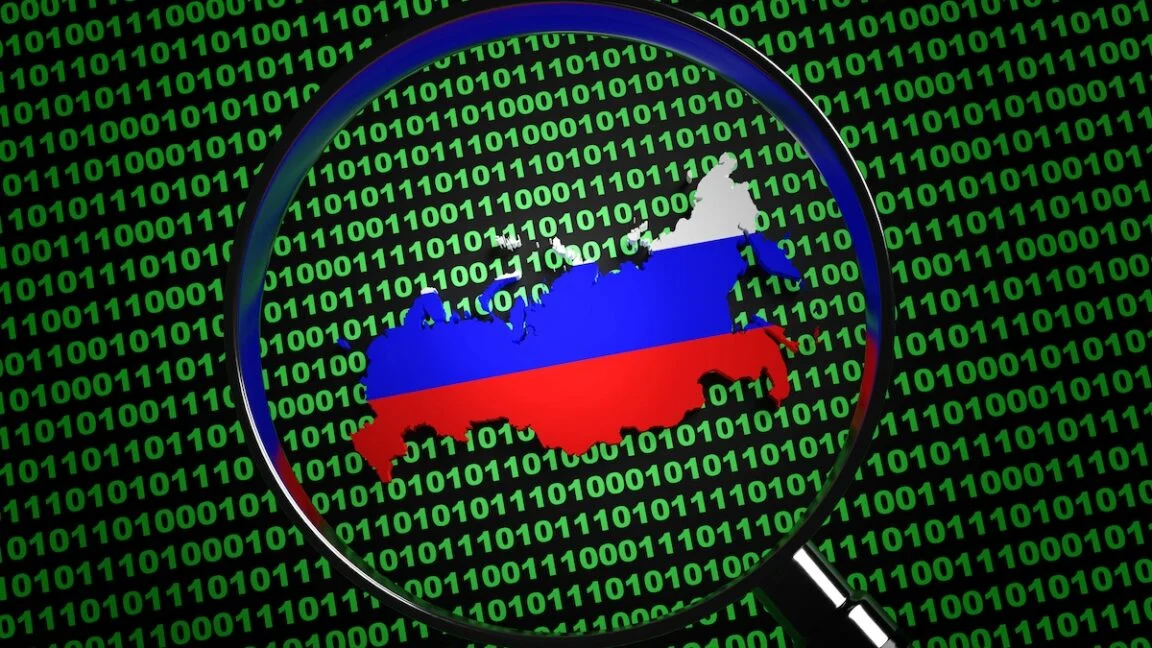
In a sweeping escalation of international cyber-espionage efforts, U.S. federal authorities have announced a reward of up to $10 million for information leading to the identification or location of key figures behind a sophisticated, state-sponsored Russian hacking operation. This malicious campaign has successfully compromised thousands of Signal and WhatsApp accounts belonging to investigative journalists, military personnel, and high-ranking U.S. government officials.
The operation, which leverages psychological manipulation and technical exploitation, represents a significant breach of secure communications platforms that are widely considered the gold standard for privacy. By masquerading as legitimate customer support, attackers have managed to bypass end-to-end encryption, effectively turning the very tools designed to protect user privacy into conduits for intelligence gathering.
Chronology: A Campaign of Persistent Infiltration
The roots of this campaign can be traced back to early 2026, when security researchers and the FBI began noticing a surge in highly targeted phishing attempts.
The Initial Phase (March 2026)
In March 2026, the FBI’s Internet Crime Complaint Center (IC3) issued a formal advisory alerting the public to ongoing phishing campaigns. At the time, the scope appeared limited, focusing on "high-value targets." The attackers utilized a classic social engineering tactic: sending messages that mimicked automated support communications.
These messages would inform users that their accounts had been flagged for suspicious activity or security updates, urging them to click a malicious link or provide a verification code. Once the victim complied, they inadvertently linked the attacker’s device to their own, granting the adversary real-time access to incoming messages.
The Evolution of Tactics (June 2026)
By June 2026, the campaign had matured significantly. Recognizing that users were becoming more wary of simple link-clicking, the threat actors—identified by federal investigators as groups operating under the banners of UNC5792 and UNC4221—began employing more complex, multi-stage social engineering.
The FBI’s updated advisory noted a critical shift: attackers began pressuring targets to create backups of their messaging history. By guiding users through the legitimate settings menu to "enable backups" and then manipulating them into sharing their unique recovery keys, the attackers gained the ability to decrypt and read the target’s entire historical archive of communications. This effectively stripped away the protections offered by the end-to-end encryption that Signal and WhatsApp rely upon.
The Anatomy of the Attack: Psychological Manipulation
The sophistication of this campaign lies not in the exploitation of zero-day software vulnerabilities, but in the exploitation of human trust. The attackers possess a deep understanding of the user experience within these messaging apps, crafting messages that mimic the professional, neutral tone of a platform’s official support team.
One such message, intercepted by researchers, reads:
"Signal is here. Recently, attempts to hack users of our messenger with the connection of third-party devices to the account have become more frequent… In this regard, Signal updates Terms of Service & Privacy Policy, and introduces Mandatory Two-factor Verification for users. Not to lose your messages and media, set up your Signal Backup…"
The message goes on to provide precise, step-by-step instructions that lead the victim directly into the settings menu, creating a veneer of legitimacy. By the time the user provides the "recovery key," they believe they are performing a security-enhancing action mandated by the app developers.
Official Responses and the $10 Million Bounty
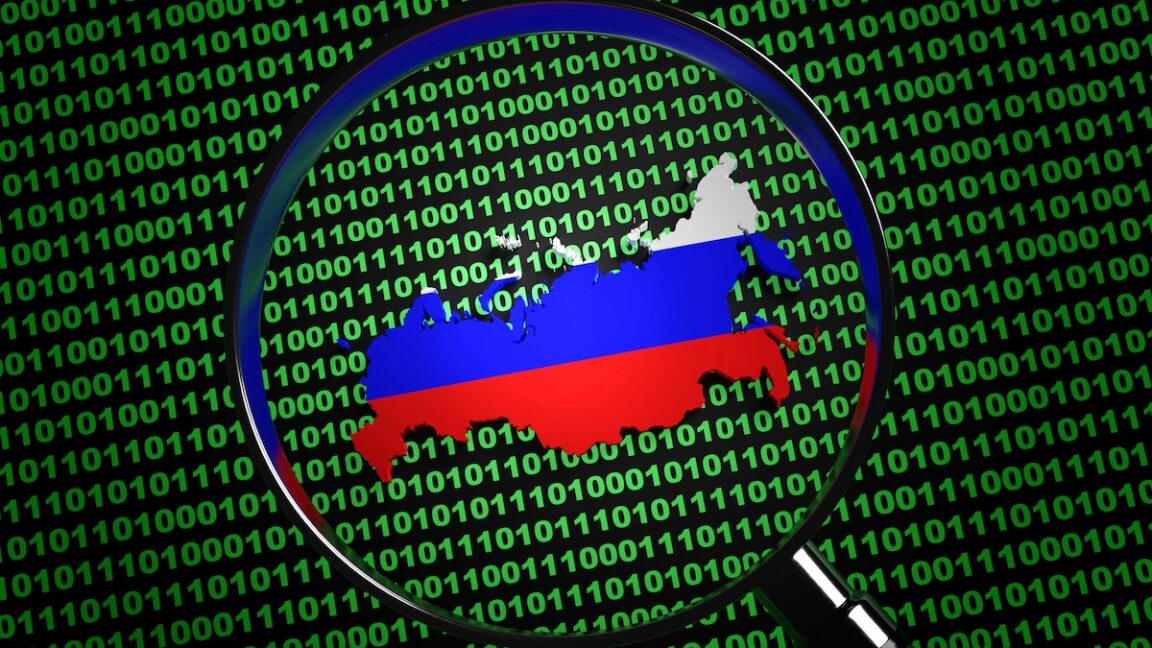
The U.S. Department of State, in conjunction with the FBI and the Cybersecurity and Infrastructure Security Agency (CISA), has taken the rare step of placing a $10 million bounty on the heads of the individuals responsible. This move underscores the severity of the threat, particularly as the campaign has successfully infiltrated the ranks of individuals who hold sensitive information regarding national security, military strategy, and geopolitical affairs.
"The integrity of our government and the safety of our journalists are being directly challenged by state-sponsored actors who have weaponized the very platforms we use to communicate securely," a spokesperson for the Department of Justice stated during a press briefing last week.
International intelligence partners, particularly within the European Union, have confirmed that they are sharing telemetry data with U.S. officials. This collaborative effort has been instrumental in identifying the groups UNC5792 and UNC4221 as the primary architects of the campaign, which federal investigators now formally attribute to Russian intelligence services.
Technical Implications: When Encryption Isn’t Enough
The success of this campaign has triggered a heated debate regarding the limitations of end-to-end encryption (E2EE). While E2EE successfully prevents man-in-the-middle attacks or data interception by service providers, it cannot protect against a user who is tricked into handing over the keys to the kingdom.
The "Backup" Vulnerability
Signal, which is famously privacy-centric, stores backups locally on the user’s device. When a user creates a cloud-based or encrypted backup, the "recovery key" is the only thing standing between the data and an unauthorized party. By stealing this key, the attackers bypass the need to break encryption; they simply "become" the user in the eyes of the software.
Impact on Journalists and Officials
For investigative journalists, this breach is devastating. Many rely on Signal to communicate with whistleblowers and confidential sources. If an attacker gains access to these threads, the identity of those sources is exposed, putting lives at risk and chilling the freedom of the press. For government employees, the breach represents a massive counter-intelligence failure, potentially compromising diplomatic cables, internal policy debates, and military planning.
Mitigating the Threat: Best Practices
In response to the growing wave of compromises, security experts are urging users—particularly those in high-risk professions—to adopt a "zero-trust" approach to messaging support.
- Verify via Official Channels: No legitimate messaging platform will ever ask for a backup recovery key or a one-time password (OTP) via a chat message. If you receive such a request, report the account as spam and block it immediately.
- Enable Hardened Security: Use a hardware security key if possible, and ensure that secondary verification methods are tied to physical devices you control, not email addresses that could be compromised.
- Regular Audit of Linked Devices: Frequently navigate to the "Linked Devices" section in your app settings. If you see any device you do not recognize, immediately disconnect it.
- Practice Skepticism: Always treat unsolicited messages from "Support" accounts with extreme caution, even if they appear to come from official-looking accounts or contain the correct company branding.
The Geopolitical Fallout
The revelation that Russian state-sponsored hackers have compromised thousands of accounts is likely to have significant geopolitical consequences. It serves as a reminder that the cyber domain has become a permanent theater of conflict, where the distinction between "peacetime" and "wartime" is increasingly blurred.
As the FBI continues its investigation into UNC5792 and UNC4221, the $10 million reward stands as a testament to the urgency of the situation. Whether this bounty will lead to the neutralization of these groups remains to be seen. However, the campaign has already achieved its primary goal: it has eroded the sense of safety among the very people whose work requires the highest levels of confidentiality.
The future of digital communication now hangs in a precarious balance. As platforms harden their defenses, the adversaries move to more sophisticated psychological tactics. The battle is no longer just about encryption protocols; it is about the awareness and vigilance of the human element. Until users are trained to recognize the subtle markers of state-sponsored deception, the threat of these "support" bots will remain a persistent and dangerous reality.











