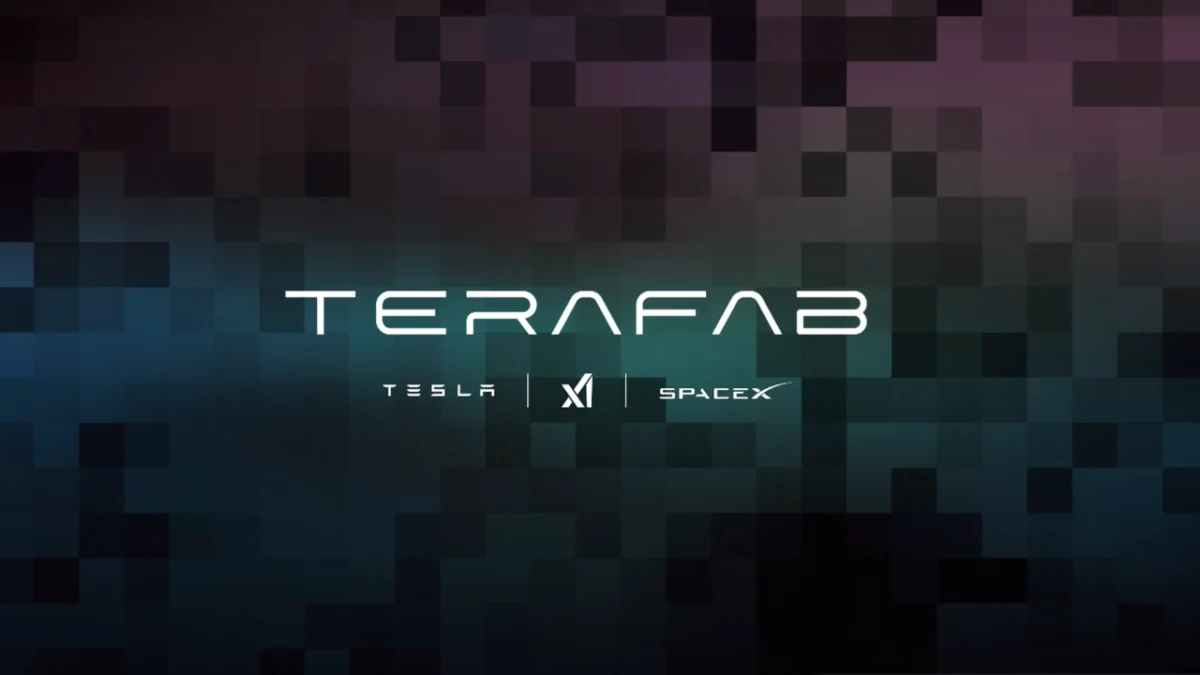
In a decisive move to accelerate its semiconductor autonomy, Tesla has officially brought on board Gary Jiang, a seasoned manufacturing veteran from Intel. The appointment, first identified via industry tracking, marks a significant milestone for Elon Musk’s ambitious "Terafab" initiative—a collaborative semiconductor project spanning Tesla, SpaceX, and xAI. Jiang, who spent over 17 years at Intel, was a key architect in the deployment of the company’s cutting-edge 18A process technology, bringing a wealth of experience in high-volume fabrication to Tesla’s burgeoning chip manufacturing wing.
The Strategic Importance of the Hire
Gary Jiang’s arrival at Tesla in June 2026 is far from a standard recruitment; it is a calculated strategic acquisition of institutional knowledge. At Intel, Jiang served as a Factory Manager, a role that placed him at the center of the most complex operational challenges in the semiconductor industry. His responsibilities included the end-to-end management of fabrication facility construction, the intricate installation of multi-billion dollar lithography and deposition equipment, and the successful transition of manufacturing nodes from development labs to high-volume production floors.
His work with Intel’s 18A process—the company’s most advanced node—involved a massive logistical and technical undertaking: transferring process technology from the development fab in Oregon to the high-volume environment of Fab 52 in Arizona. By securing a leader who has navigated the "valley of death" between pilot-scale development and full-scale high-volume manufacturing (HVM), Tesla is signaling that its Terafab project is transitioning from a conceptual blueprint to a tangible industrial program.
A Chronology of the Terafab Initiative
To understand the weight of this hire, one must look at the timeline of the Terafab project. The ambition to vertically integrate semiconductor production began as a whispered necessity within the halls of Tesla and SpaceX, driven by the intense demand for AI-capable silicon for Full Self-Driving (FSD) computers and Optimus robotic systems.
- 2024–2025: Conceptualization and Initial Planning: Elon Musk began publicly discussing the need for custom, high-performance silicon to power AI clusters, eventually pivoting toward the idea of an internal "foundry-lite" model.
- Early 2026: The Search Begins: Tesla initiated a public search for a Technical Program Manager (TPM) for semiconductor infrastructure, a role focused on delivering the physical and operational backbone of a fab. Despite the prestige associated with the role, the position remained unfilled for months, highlighting the scarcity of talent capable of managing greenfield fab construction.
- June 2026: The "Jiang" Turning Point: The hiring of Gary Jiang provided the first major "win" for the Terafab talent acquisition team. His arrival suggests that while Tesla may still be looking for high-level infrastructure managers, they have secured the operational expertise needed to run the floor.
- Future Outlook: The next phase involves the construction of a $3 billion R&D center at Tesla’s Texas campus, which will serve as the incubator for the technology before it is handed off to SpaceX for mass production.
Analyzing the Technical Expertise
Jiang’s career at Intel provides a roadmap of what Tesla hopes to achieve. Throughout his tenure at the Ocotillo campus in Arizona, Jiang managed technician teams responsible for the startup, yield optimization, and output scaling of 22nm, 14nm, and 10nm-class process technologies. These nodes were the workhorses of the industry, and his experience in driving yield—the percentage of functional chips on a wafer—is the most critical skill for a nascent fab.
While Jiang did not build Fab 52 single-handedly, his role in coordinating the supply chain, finance, and material logistics for new factory planning is exactly the type of "cross-functional" leadership that Tesla prizes. At Tesla, he is not merely an engineer; he is an operator capable of translating high-level capital expenditure into functional silicon output.
Implications: The Tesla-SpaceX Manufacturing Nexus
A central complexity in the Terafab project—and a point of frequent confusion—is the ownership structure. According to public statements from Elon Musk, Tesla will not be the primary owner of the high-volume production facilities. Instead, that mantle falls to SpaceX. This creates a unique, if potentially cumbersome, corporate architecture.
The R&D vs. Production Split
Tesla’s role, in the immediate future, is to focus on the $3 billion semiconductor R&D center in Texas. This facility is expected to host a pilot line capable of processing a few thousand wafers per month. This is where "process validation" happens: engineers will refine the recipes and lithography settings required to manufacture cutting-edge AI chips. Once the process is stable and the yield is acceptable, the manufacturing mandate will move to SpaceX, which will be responsible for the massive, capital-intensive HVM fabs.
The Governance Hurdle
This split-company approach introduces significant governance challenges. Any decision that involves a transfer of intellectual property or capital from Tesla to SpaceX requires rigorous board oversight and conflict-of-interest reviews. These bureaucratic hurdles could potentially slow the breakneck speed at which Tesla typically prefers to operate. By hiring a veteran like Jiang, who is accustomed to the highly regulated and complex reporting structures of a major corporation like Intel, Tesla is likely attempting to build a team that can navigate these corporate complexities without sacrificing technical momentum.
The Licensing Strategy: Intel 14A
Terafab is not attempting to reinvent the wheel; it is reportedly planning to license Intel’s 14A process technology. This is a pragmatic, if ambitious, decision. By leveraging a proven, albeit sophisticated, process node, the consortium can bypass years of fundamental research and development, focusing instead on the integration and application of the technology for their specific AI hardware needs.
Gary Jiang’s intimate knowledge of the 18A process makes him arguably the most qualified candidate to facilitate the adoption of the 14A node. The transition from 18A to 14A, while significant, shares enough DNA in terms of equipment, chemical processes, and metrology that Jiang’s existing expertise will significantly shorten the learning curve for the Tesla/SpaceX team.
Challenges and Future Considerations
Despite the strategic brilliance of this hire, significant hurdles remain:
- Talent War: The semiconductor industry is currently facing a massive labor shortage. While hiring one veteran is a victory, staffing an entire facility requires hundreds of highly specialized process engineers, tool technicians, and facility managers.
- Infrastructure Demands: Semiconductor manufacturing is incredibly resource-intensive, requiring massive amounts of ultra-pure water, consistent power, and specialized chemicals. Building this infrastructure from scratch—even in a state as industry-friendly as Texas—is a multi-year challenge.
- Market Volatility: The AI chip market is currently in a state of hyper-growth, but the high costs of building a fab mean that the Terafab project must achieve high yields very quickly to be economically viable compared to simply purchasing chips from TSMC or Samsung.
Conclusion
The hiring of Gary Jiang is a clear signal that the Terafab project has moved past the "vaporware" phase and into the "execution" phase. By recruiting a leader who has successfully managed the transition from development to high-volume manufacturing at a company as prestigious as Intel, Tesla is demonstrating a commitment to professional, proven methodologies in its quest for semiconductor sovereignty.
While the project remains complex, split across two entities and requiring a delicate dance of corporate governance and massive capital investment, the appointment of a seasoned "Fab Manager" provides the necessary operational anchor. As the semiconductor industry continues to consolidate around a few key players, Tesla’s attempt to enter the space—not as a designer, but as a manufacturer—remains one of the most audacious gambles in modern tech history. Whether the Terafab project can successfully bridge the gap between an R&D pilot line in Texas and a SpaceX-led gigafactory will depend on the team’s ability to scale quickly and manage the friction inherent in such a multi-faceted collaboration. For now, with Gary Jiang at the helm of operations, the project has gained a vital piece of the puzzle.