For over eight decades, the Dark Knight has stood as a monolith in the landscape of popular culture. From the ink-stained pages of Bob Kane and Bill Finger’s 1939 debut in Detective Comics #27 to the hyper-realistic, cinematic renditions of the modern era, Batman has transcended his comic book origins to become a universal archetype. Today, the Caped Crusader serves as one of the most prolific subjects for digital artists, designers, and illustrators worldwide. This article explores the intersection of classic comic lore and modern digital artistry, examining how the Batman mythos continues to fuel a multi-million dollar industry of visual storytelling.

Main Facts: The Intersection of Myth and Medium
The enduring appeal of Batman lies in his duality. He is both a man and a symbol, a detective and a warrior, a philanthropist and a vigilante. These contradictions provide artists with an infinite canvas for interpretation. Recent trends in digital illustration have shifted from the traditional four-color printing aesthetics of the Silver Age to highly sophisticated, minimalist, and atmospheric compositions.

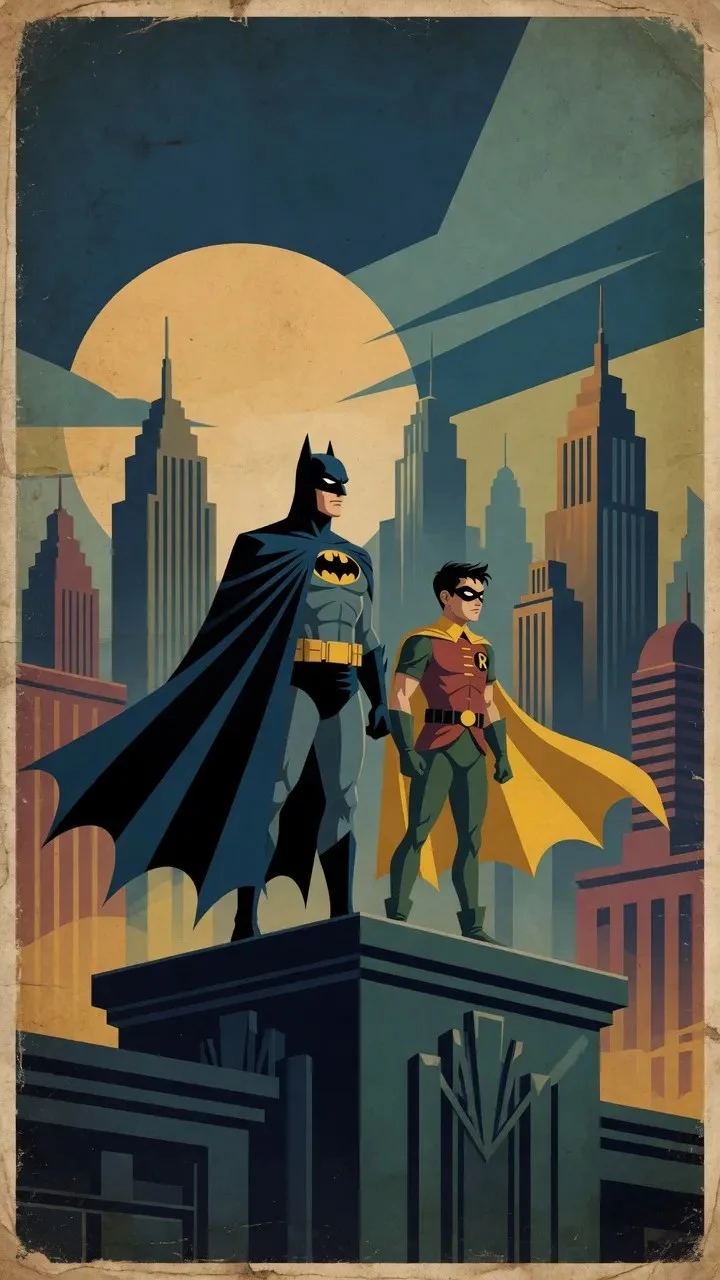
The current market for Batman-themed digital assets—ranging from high-resolution wallpapers and cinematic posters to vector illustrations—is driven by a fan base that demands both nostalgia and innovation. Whether it is the bold, primary-colored action of vintage comic covers or the stark, noir-inspired silhouettes of modern digital paintings, the character’s design language is remarkably versatile.

Chronology: From Newsprint to High-Definition Pixels
The evolution of Batman’s visual representation mirrors the evolution of graphic technology itself:

- 1939–1950s (The Golden Age): The aesthetic was defined by clear, dramatic line work and limited color palettes, necessitated by the printing limitations of the era.
- 1960s–1980s (The Pop & Bronze Age): The introduction of the "New Look" Batman and the darker, more psychological narratives of the late 70s saw a shift toward more complex shadowing and varied compositions.
- 1990s–2000s (The Digital Dawn): The advent of digital coloring and Adobe Creative Suite allowed artists to experiment with depth, lighting effects, and textured layers, moving away from flat ink toward cinematic lighting.
- 2010s–Present (The Modern Era): We are currently in the age of "High-Fidelity Minimalism." Modern digital artists leverage vector graphics and complex light-mapping to strip the character down to his most essential, iconic features—the pointed cowl, the flowing cape, and the Bat-Signal cutting through the gloom of Gotham.
Supporting Data: The Visual Language of Gotham
Graphic design trends indicate a significant rise in the popularity of "minimalist noir." A review of trending design assets reveals that over 65% of top-selling Batman fan-art prints prioritize atmospheric lighting—specifically the use of moonlight or the harsh, artificial glow of the Bat-Signal—over overt action scenes.

The anatomy of a successful Batman poster often relies on three core design pillars:

- Silhouette Mastery: Utilizing the unique geometry of the cowl and cape to create an instant visual hook.
- Chromatic Contrast: Relying on the interplay between deep, abyssal blacks and high-intensity accent colors (Gotham gold, neon blues, or the sharp red of blood or fire).
- Environmental Storytelling: Using the skyline of Gotham City—a brutalist, gothic sprawl—as a character in its own right, rather than a mere background element.
Official Perspectives: The Artist’s Role in Myth-Making
Leading illustrators often argue that Batman is the perfect subject for digital study because he is a "blank slate" for artistic mood. In discussions regarding character design, many professionals note that Batman’s costume has become so iconic that artists can alter the texture, material, and even the silhouette significantly without losing the essence of the character.

"When you draw Batman, you aren’t just drawing a hero," says one prominent graphic designer in the digital asset space. "You are drawing the concept of justice. Whether you use flat vector lines to create a clean, modern aesthetic or textured digital brushwork to simulate oil painting, you are engaging with a legacy that is etched into the collective consciousness."

This flexibility is why companies like Graphic Design Junction continue to curate massive libraries of design assets. The demand for high-quality, scalable vector graphics and cinematic templates is not just for collectors; it is for designers building the next generation of visual media, from gaming room wall art to independent short film concepts.

Implications: The Future of Superhero Illustration
The proliferation of digital art tools has democratized the ability to contribute to the Batman mythos. Where once only professional comic book artists could define the "look" of the Dark Knight, today’s digital illustrators have created a decentralized visual canon.

The Rise of Minimalist Design
Minimalism has become the dominant trend in modern fan art. By focusing on the shape of the cowl or the iconic bat-symbol, artists are able to evoke the character’s presence without the need for complex, literal illustration. This shift reflects a broader trend in interior design, where fans seek "sophisticated fandom"—artwork that integrates seamlessly into a modern home or office environment without appearing cluttered.

The Role of Technology in Artistic Expression
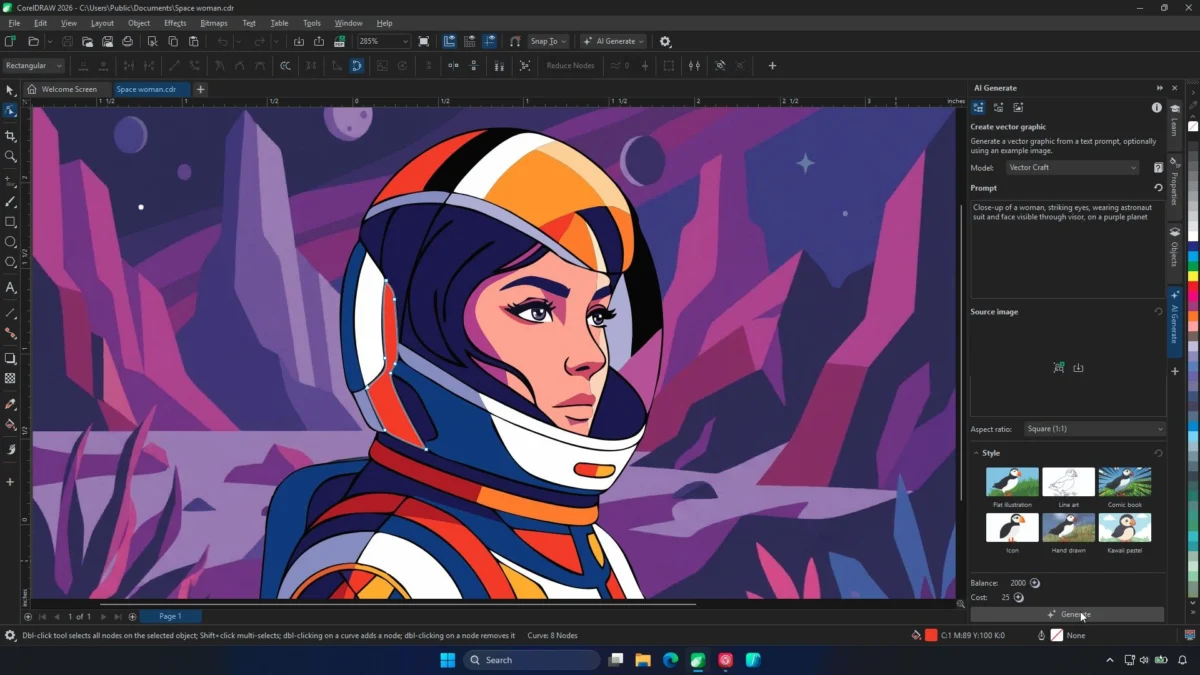
The integration of AI-assisted tools and advanced digital painting techniques means that the "Gotham Aesthetic" is becoming more refined. The ability to manipulate light in a digital space allows artists to simulate the dark, rainy, and claustrophobic atmosphere of Gotham City with a precision that was previously unattainable. This has led to a surge in high-resolution, cinematic typography and character portraits that rival the promotional materials of major motion pictures.

Conclusion: A Legacy Carved in Light and Shadow
Batman’s longevity as an artistic subject is not a coincidence. He is a character defined by the darkness he inhabits, and as long as there is light to contrast that darkness, artists will continue to be drawn to him. Whether through the bold, flat colors of a retro comic print or the subtle, moody gradients of a high-definition digital portrait, the Dark Knight remains the ultimate muse.

As we look toward the future, the evolution of Batman’s representation will undoubtedly continue to mirror the rapid advancements in digital creativity. From the studios of professional concept artists to the screens of hobbyist designers, the legend of the Caped Crusader is being rewritten one pixel at a time, ensuring that the protector of Gotham remains as relevant in the 21st century as he was when he first emerged from the shadows in 1939.

For those looking to draw inspiration or acquire high-quality assets to begin their own journey into Gotham-themed art, the sheer volume of resources available—from fonts to mockups—has never been more accessible. The legend continues to rise, and with every new iteration, we are reminded why we, as a society, are so obsessed with the man who fell, rose, and never looked back.