Muslim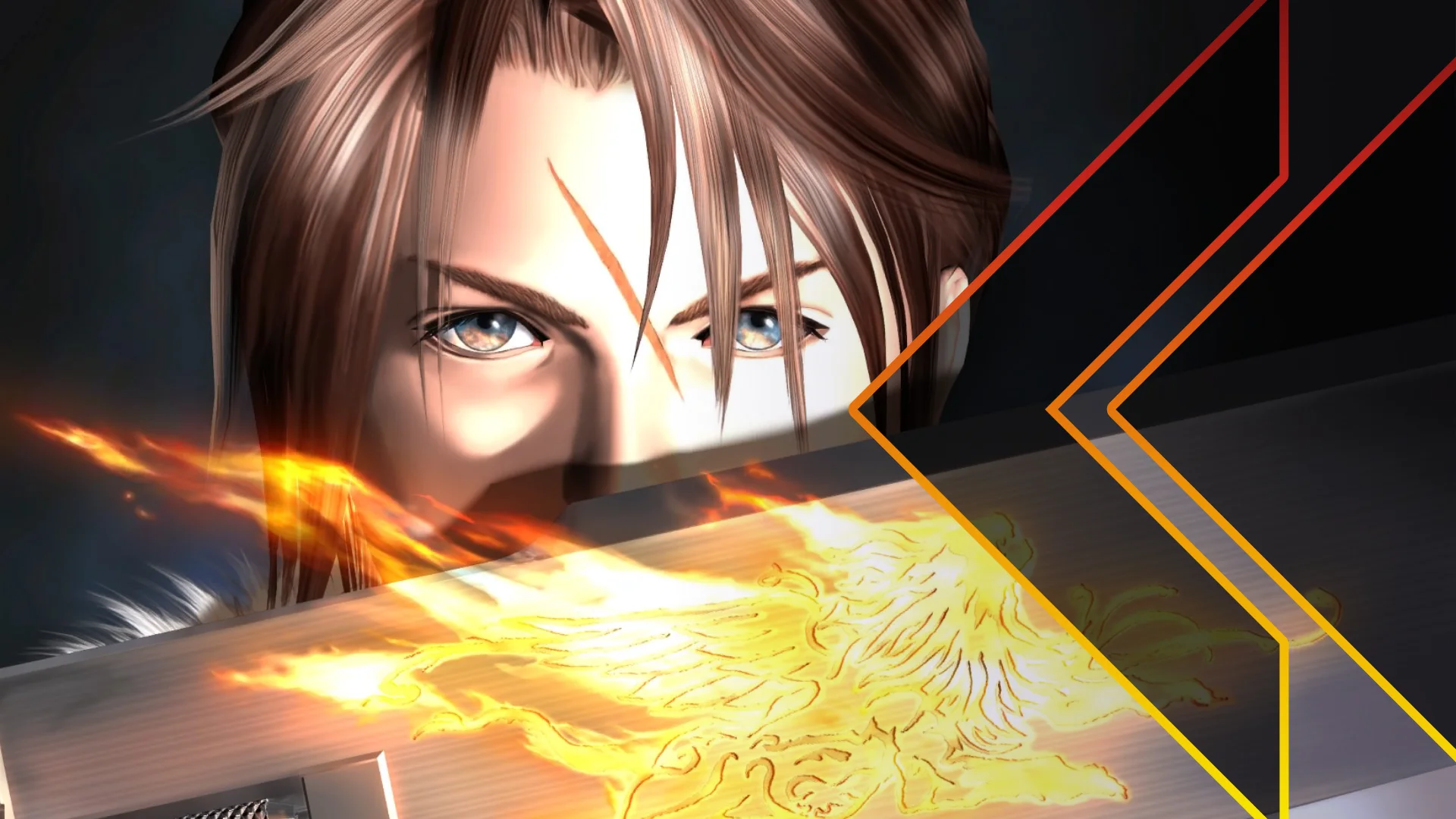
Introduction: The Dream of the Seed
In the annals of role-playing game history, few titles have sparked as much fervor, confusion, and debate as Square’s 1999 masterpiece, Final Fantasy VIII. Bridging the gap between the monumental success of Final Fantasy VII and the experimental whimsy of Final Fantasy IX, the eighth mainline entry remains a stylistic monolith. This week, the Retro Encounter podcast team dives headfirst into the world of Squall Leonhart and his fellow SeeD mercenaries, attempting to untangle the complex web of love, memory, and unconventional game design that has defined the experience for over two decades.
In the latest episode, a panel of five—comprising four veteran players and one series newcomer—seizes the opportunity presented by host Zach Wilkerson’s absence to dissect one of the most controversial entries in the franchise. With a focus on the game’s unique aesthetic, its opaque mechanical systems, and its dream-like narrative structure, the episode serves as both a retrospective for longtime fans and an introduction for those experiencing the Balamb Garden drama for the first time.
The Chronology of a Controversial Classic
The Release and Immediate Reception
When Final Fantasy VIII launched in 1999, it was tasked with the Herculean effort of following Final Fantasy VII, a game that had single-handedly brought the JRPG genre to the global mainstream. Square opted for a pivot: rather than sticking to the stylized, low-polygon charm of its predecessor, Final Fantasy VIII pushed for photorealism, high-fashion character designs, and a more mature, melodramatic tone.
Chronologically, the game’s development was characterized by an attempt to push the PlayStation hardware to its absolute limit. The introduction of full-motion video (FMV) sequences integrated with real-time gameplay was revolutionary at the time, creating a cinematic flow that many modern games still struggle to emulate. However, this aesthetic evolution was matched by a mechanical revolution that would divide the player base for years to come.
The Evolution of the "Junction" Era
The game’s narrative centers on the SeeD mercenaries, a group of teenage soldiers caught in a geopolitical conflict involving the sorceress Edea and the mysterious Ultimecia. As the story unfolds, the game introduces the "Junction" system, a radical departure from the traditional experience-point-based progression of its predecessors. By drawing magic spells from enemies and "junctioning" them to character statistics, players were granted unprecedented freedom—and, for many, unprecedented confusion.
The Retro Encounter panel explores how this shift in the chronology of RPG mechanics changed the way players approach difficulty. By allowing characters to become overpowered early through clever resource management, the game inadvertently allowed players to break its own difficulty curve, a hallmark of its legacy that remains a central point of discussion in the gaming community.
Supporting Data: Why Final Fantasy VIII Still Matters
To understand the enduring relevance of Final Fantasy VIII, one must look at the data points that define its impact on the genre.
Stylistic and Narrative Departures
- Aesthetic Shift: Unlike the "chibi" character models of Final Fantasy VII, VIII utilized realistic proportions, which allowed for more expressive cutscenes. This set a new industry standard for character performance in the late 90s.
- The Soundtrack: Composed by Nobuo Uematsu, the score remains one of the most celebrated in gaming history. Tracks like "Liberi Fatali" and "Eyes on Me" showcased a shift toward orchestral and vocal-heavy themes that underscored the game’s focus on romance and emotional stakes.
- Mechanical Complexity: The "Draw" system, which forces players to extract magic from enemies, serves as a primary friction point. For many, it is a tedious chore; for others, it is the bedrock of a complex, strategy-heavy experience.
Panel Insights
The Retro Encounter episode highlights the contrast between the veterans and the newcomer. The "newbie" perspective provides a crucial data point: how does a game from 1999 hold up without the veil of nostalgia? The consensus among the panel is that while the storytelling choices—specifically the use of dream sequences and amnesia as plot devices—are undeniably "nonsensical" at times, they contribute to a dream-like atmosphere that is unique to this specific entry in the franchise.
Official Responses and Cultural Impact
Throughout its history, Square Enix (formerly Square) has been both hesitant and bold regarding the legacy of Final Fantasy VIII. For years, the game was largely absent from re-release conversations compared to its more "popular" siblings. However, the 2019 Final Fantasy VIII Remastered release signaled a change in the company’s stance.
The Retro Encounter panel discusses how the company’s "official" treatment of the game mirrors the community’s internal conflict. While Final Fantasy VII receives remakes and spin-offs, VIII is often relegated to the "cult classic" status. The panel argues that this status is perhaps where the game thrives. Without the pressure of being the "face" of the franchise, Final Fantasy VIII has been allowed to remain a bizarre, ambitious, and deeply human work of art that doesn’t always prioritize player clarity over artistic vision.
Implications: The Future of Retro Gaming Discussions
The Retro Encounter podcast, hosted by a rotating cast including Aleks Franiczek, Ben Love, Paul Skevington, Steph Sybydlo, and Rob White, serves as a microcosm of the wider RPG discourse. By revisiting games like Final Fantasy VIII, the show highlights a vital trend in modern gaming journalism: the move away from objective "scores" and toward subjective, experiential analysis.
What Does "Junctioning" Mean in 2026?
The panel’s deep dive into the Junction system poses a larger question for the industry: Do we value mechanical transparency, or should games be allowed to be obtuse? The implication is that the "friction" caused by the Junction system is precisely what makes the game memorable. In an era where modern games often hold the player’s hand through every combat encounter, the chaotic, high-stakes, and occasionally frustrating systems of the late 90s offer a different kind of reward.
Sustaining the Conversation
The Retro Encounter podcast has become a vital repository for these discussions. By engaging with listeners via email ([email protected]) and providing a platform for diverse voices, the show ensures that games like Final Fantasy VIII are not relegated to the dustbin of history but are instead continuously re-evaluated by a new generation of players.
Conclusion: A Dream That Never Ends
As the panel concludes, the question of whether Final Fantasy VIII is "brilliant or nonsensical" is left intentionally unresolved. The beauty of the game, much like the dream referenced in the podcast’s opening, lies in its ambiguity. Whether it is the fashion-forward aesthetic of the SeeD cadets, the emotional weight of Squall and Rinoa’s romance, or the sheer audacity of the junction system, the game continues to provoke, challenge, and fascinate.
For those who wish to hear the full breakdown, the episode is available across all major podcast platforms, including Overcast, Pocket Casts, and Spotify. As the podcast notes, the journey through Balamb Garden is not just a trip down memory lane—it is an investigation into why we play games, how our memories shape our perceptions, and why even the most "controversial" titles deserve to be revisited with fresh eyes and open ears.
Listeners are encouraged to subscribe and leave a rating to support the continued preservation and discussion of RPG history. In a world of fleeting trends, the echoes of Final Fantasy VIII are, it seems, here to stay.


 Asro
Asro