

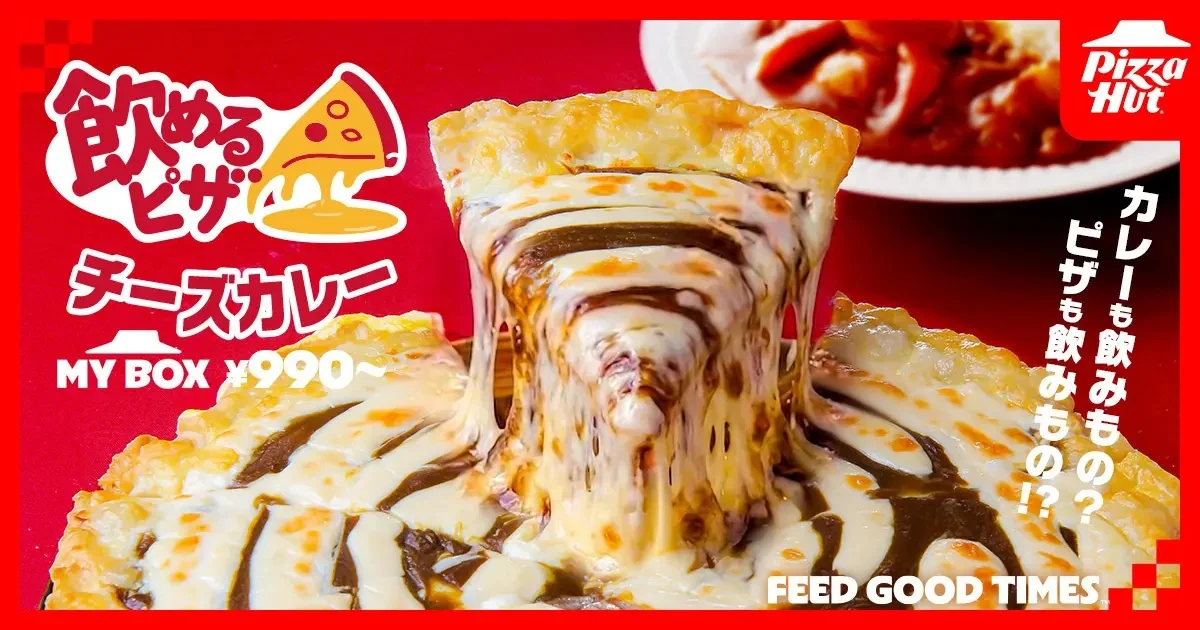
In the ever-evolving landscape of global fast food, few markets demonstrate the appetite for culinary experimentation quite like Japan. From pizza topped with mayonnaise and potatoes to regional specialties featuring teriyaki chicken, the Japanese palate has long embraced the marriage of Western-style dough and local flavor profiles. Now, Pizza Hut Japan is pushing this tradition to its logical, if slightly unconventional, extreme with the launch of its latest menu innovation: the Nomeru Pizza Cheese Curry, or "Drinkable Cheese Curry Pizza."
This bold release serves as a case study in how global chains localize their offerings to meet domestic trends, blending the comfort of Japanese curry with the accessibility of artisanal-style pizza. As the limited-time promotion begins to roll out across the country, it raises questions about the intersection of convenience, texture, and the evolving definition of "pizza" in the 21st century.
The Core Concept: Decoding the "Drinkable" Pizza
At first glance, the moniker "Drinkable Cheese Curry Pizza" might evoke skepticism. However, the name is a deliberate marketing choice designed to highlight the unique, pourable, and velvety texture of the curry-cheese blend. Unlike traditional pizzas that rely on chunky toppings and semi-solid mozzarella, this iteration emphasizes a semi-liquid, rich, and intensely savory sauce profile.
The dish is the result of extensive R&D aimed at replicating the consistency of "curry sauce" that consumers typically associate with Japanese curry rice. By utilizing a specialized roux and a proprietary cheese blend, Pizza Hut Japan has created a product that, according to their promotional materials, offers a "melt-in-your-mouth" experience. This move is less about disrupting the pizza category and more about integrating two of Japan’s most popular comfort foods into a single, cohesive vessel.
Chronology of a Culinary Fusion
The path to the Nomeru pizza was not sudden. It follows a decade of incremental shifts in the Japanese fast-food sector.
- Mid-2010s: Japanese major chains began experimenting with "fusion" toppings, moving beyond pepperoni and mushrooms toward localized ingredients like corn, squid, and even honey-drizzled desserts.
- 2020-2023: The rise of "gourmet delivery" during the pandemic accelerated the demand for high-quality, at-home comfort food. Japanese bakeries saw a surge in popularity for kare-pan (curry-filled bread), normalizing the concept of curry-infused dough.
- Early 2026: Pizza Hut Japan’s internal consumer research indicated a high demand for "intense, savory flavor profiles" among the 18–35 demographic.
- May 2026: The official launch of the Nomeru Pizza Cheese Curry was announced, with a hard-stop availability date of June 15, signaling a high-intensity, short-duration marketing push.
Supporting Data: Why Curry and Cheese Work
While international observers might find the combination jarring, the culinary logic behind the "Drinkable Curry Pizza" is sound when viewed through the lens of Japanese food culture.
The Naan-Curry Precedent
In Japan, Indian-style curry is frequently served with naan—a flatbread that functions remarkably like a pizza crust. The pairing of a leavened, hearth-baked bread with a rich, aromatic, and spicy curry sauce is already a staple of the Japanese dining experience. By swapping the traditional naan for a pizza base, Pizza Hut is essentially formalizing a meal combination that millions of Japanese citizens already enjoy in restaurant settings.
The Gouda Factor
A critical technical element of this release is the choice of cheese. Pizza Hut has opted for Gouda over the industry-standard mozzarella. Gouda offers a superior melting point and a sharper, nuttier profile that holds up against the complex spices of the curry roux. While mozzarella can sometimes become rubbery or overly mild, the selected Gouda provides a creamy "mouthfeel" that satisfies the product’s namesake "drinkable" quality.
Market Accessibility
The pricing strategy reflects a desire for mass-market adoption. By segmenting the offering into different price points, Pizza Hut is lowering the barrier to entry:
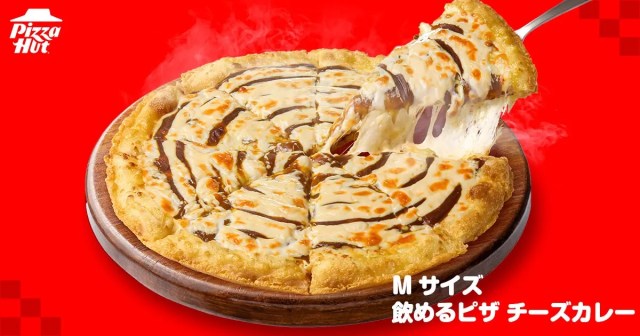
- Medium Whole Pizza: 2,230 yen (approximately US$14.50), aimed at group dining.
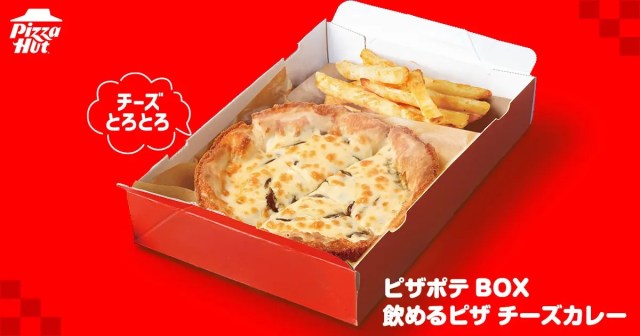
- Personal Set (with fries): 700 yen (approx. US$4.55), targeting the solo lunch market.
- The "Full Meal" Set: 990 yen (approx. US$6.45), featuring curry pizza, fries, and fried chicken, targeting the high-volume, value-conscious consumer.
Official Responses and Strategic Intent
Pizza Hut Japan’s leadership has framed the launch as a testament to their brand’s "unbound creativity." In a statement released via PR Times, the company emphasized that the goal was not just to create a new pizza, but to create a "new way to enjoy curry."
Marketing experts note that this is a classic "scarcity tactic." By capping the availability of the product until June 15, Pizza Hut creates an artificial sense of urgency. This compels hesitant customers to try the product before it disappears, effectively turning a niche menu item into a social media event. The social buzz generated by the "drinkable" label has already spurred significant engagement on platforms like X (formerly Twitter) and Instagram, where the aesthetic of the gooey, rich topping is tailor-made for visual consumption.
Implications: The Future of Globalized Pizza
The Nomeru pizza serves as a microcosm for the broader "Japanization" of international fast-food chains. When McDonald’s, Domino’s, or Pizza Hut enters the Japanese market, they are often forced to abandon their global "standard" menus in favor of radical localization.
1. The Death of the "Standard" Pizza
This innovation suggests that the global pizza industry is moving toward a post-standardization era. In Japan, the "pizza" label is now a broad category that can accommodate virtually any topping, provided it adheres to the dough-sauce-cheese structural triad. We may see this "drinkable" concept exported to other markets where curry culture is strong, such as the UK or Southeast Asia.
2. Texture as a Key Performance Indicator
The focus on "drinkability" highlights a growing trend in sensory marketing. It is no longer enough for food to taste good; it must have a distinct tactile quality. Whether it is "crispy," "chewy," or in this case, "drinkable," brands are increasingly designing products around the physical experience of eating.
3. Sustainability and Waste
One of the implications of the "personal set" model is the shift toward individual portion control. By offering smaller, lower-priced units, Pizza Hut may be effectively reducing food waste while increasing the frequency of visits. This model is particularly effective in high-density urban environments like Tokyo, where solo dining is the norm.
Conclusion: A Bold Step or a Passing Fad?
Whether the "Drinkable Cheese Curry Pizza" becomes a permanent fixture or remains a footnote in the history of fast-food oddities, it represents a clear success in capturing public attention. By leaning into the strengths of the Japanese palate—specifically the love for savory, spicy, and texturally rich comfort foods—Pizza Hut has managed to reinvent a classic menu item without needing to change the foundational components of the dish.
As of late May 2026, the reception has been largely positive among the early-adopting demographic. For now, the "drinkable" experiment remains a curious and delicious testament to the power of cross-cultural culinary innovation. Whether it convinces the rest of the world to start drinking their pizza, however, remains to be seen. For the Japanese market, at least, the recipe seems to have found the perfect spice blend.












No comments yet. Be the first to join the conversation!