

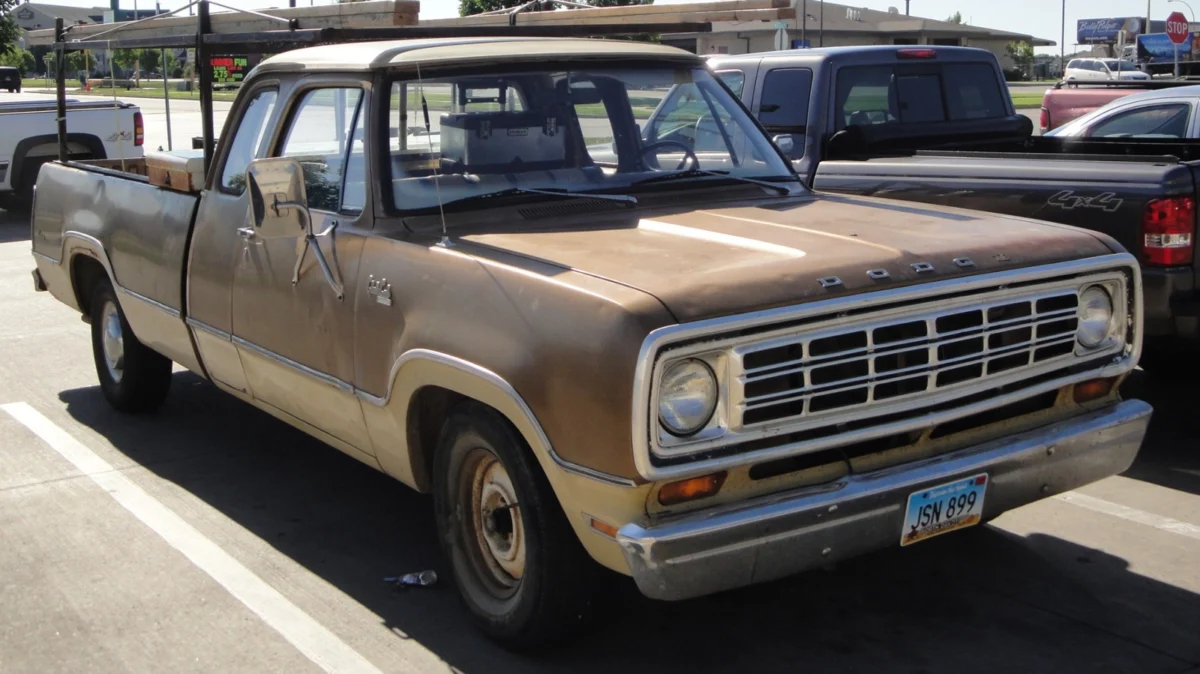
For the contemporary consumer, the pickup truck has transcended its origins as a utilitarian, single-row workhorse. Today, the driveway of the average suburban home is just as likely to host a four-door, leather-clad luxury pickup as it is a traditional sedan or SUV. This shift in the automotive landscape is defined by the dominance of two specific configurations: the crew cab and the extended cab. While these terms are often used interchangeably by the casual observer, they represent distinct engineering philosophies, historical milestones, and market segments that have fundamentally reshaped how Americans live, work, and travel.
The Evolution of the Modern Hauler: Main Facts
At their core, the extended cab and crew cab represent the automotive industry’s solution to a simple problem: how to balance cargo capacity with passenger comfort.
The extended cab—historically characterized by its smaller rear doors (or lack thereof) and jump seats—was the bridge between the single-row work truck and the family vehicle. It provided just enough room to store tools, groceries, or a small pet out of the elements, while offering occasional seating for extra passengers.
In contrast, the crew cab is defined by its full-size rear doors and a second row of seating that mirrors the comfort and legroom of a standard sedan. These vehicles are designed for the "do-it-all" lifestyle, where a single vehicle must navigate a construction site in the morning and transport a family of five to a weekend excursion by the afternoon.
Understanding the differences between these two is vital for the modern buyer, as the trade-offs—often involving bed length, maneuverability, and interior square footage—can significantly impact the vehicle’s utility and long-term satisfaction.
A Chronological Journey: From Workhorse to Family Transport
The perception that the extended cab was the progenitor of the multi-passenger truck is a common misconception. In reality, the quest for a larger cab began much earlier, driven by the needs of industrial work crews.
1957: The International Harvester Travelette
The genesis of the four-door pickup can be traced back to 1957, with the debut of the International Harvester Travelette. A revolutionary vehicle for its time, the Travelette featured a three-door configuration—two on the passenger side and one on the driver’s side—and a full-size rear bench. While it is a footnote in modern automotive history, the Travelette set the blueprint for what we now call the "crew cab." International Harvester, a company synonymous with heavy-duty machinery and school buses, marketed the Travelette not as a luxury item, but as a specialized tool for transporting work crews and equipment to remote job sites.
1964–1970s: Industry Adoption
Following the Travelette’s lead, the major American manufacturers began to pivot. In 1964, Dodge began producing its own factory-built four-door cabs, following a successful pilot program where third-party contractors performed the up-fitting. Ford entered the fray in 1965 with its own four-door Crew Cab. Chevrolet and GMC, perhaps sensing that the market was not yet ready for mass-adoption of the four-door configuration, waited until the early 1970s to debut their own crew cab variants.
1973: The Birth of the "Club Cab"
If the crew cab was born of industrial necessity, the extended cab was born of consumer convenience. In 1973, Dodge introduced the "Club Cab," a two-door pickup that featured a small stretch of space behind the front bench. This space included two small, fold-down jump seats. While these seats were arguably uncomfortable for adults on long journeys, they were a massive upgrade over the open pickup bed. When not in use, the seats could be folded against the cab walls, creating a secure, weather-protected storage area.
1974: Ford’s SuperCab
Ford followed quickly in 1974 with the introduction of the SuperCab. Like the Dodge Club Cab, early iterations featured a two-door design. This established a pattern for the next two decades: manufacturers refined the "two-plus-two" seating arrangement before eventually introducing rear-hinged "suicide doors" in the late 1990s to improve accessibility.
Supporting Data: Dimensions, Utility, and Market Trends
The divergence between these two cab styles is best understood through the lens of dimensions. A standard extended cab typically offers between 30 and 35 inches of rear legroom, whereas a crew cab frequently exceeds 40 inches—often surpassing the legroom found in luxury sedans.
Market analysis shows a clear migration of buyer preferences. In the 1980s, the single-cab truck was still a volume seller. By the 2010s, industry reports indicated that over 70% of new light-duty trucks sold were equipped with crew cabs. This shift has forced manufacturers to balance the vehicle’s wheelbase. Because most owners are unwilling to sacrifice the standard 5.5-to-6.5-foot bed, the overall length of trucks has increased significantly, leading to modern pickups that can push 20 feet in total length.
The implications for the consumer are financial as well as physical. Crew cabs carry a higher manufacturer’s suggested retail price (MSRP) due to the increased materials, more complex door assembly, and advanced interior features. However, they also demonstrate higher resale values, as they are viewed as more versatile "family-friendly" vehicles.
Official Perspectives: Safety and Engineering
From an engineering standpoint, the transition from the early two-door extended cab to the modern four-door crew cab has been a triumph of structural integrity.
When asked about the challenges of the crew cab design, lead engineers from major manufacturers often cite "pillar integrity." Because a crew cab lacks a traditional B-pillar (or utilizes a reinforced one to maintain a massive door opening), engineers had to innovate high-strength steel cages to maintain safety ratings during side-impact collisions.
"The goal," says an industry spokesperson for a major Detroit automaker, "was to ensure that the increased interior volume didn’t come at the cost of the vehicle’s primary purpose: safety and durability. We are not just building a passenger vehicle; we are building a chassis that must handle towing loads while simultaneously protecting the occupants of the rear cabin with the same rigor as an SUV."
The Implications: A New Era of Automotive Utility
The rise of the crew cab and the maturation of the extended cab have had profound implications for the automotive market.
First, the pickup truck has effectively killed off the large sedan segment in North America. When a truck offers the passenger comfort of a sedan and the utility of an open bed, the value proposition of the sedan wanes.
Second, the urban and suburban infrastructure is struggling to keep pace. The increasing physical footprint of the modern crew cab—often paired with the "leveling" or "lifting" trend—has necessitated changes in parking garage design and driveway construction.
Finally, the shift has changed the demographic of the truck owner. No longer limited to trade workers or rural residents, the pickup is now the primary vehicle for urban professionals and suburban families. This has led to the "premiumization" of the truck market, where top-trim levels like the Ford F-150 King Ranch or the RAM 1500 Limited offer interiors that rival high-end luxury European vehicles.
Conclusion: The Road Ahead
The journey from the 1957 International Harvester Travelette to the technologically advanced, ultra-luxurious crew cabs of today tells the story of the American consumer’s evolving needs. We have moved from a time where the "extra seat" was a luxury or a niche industrial requirement to a time where it is the standard expectation.
Whether one chooses the extended cab for its balance of maneuverability and storage, or the crew cab for its expansive passenger comfort, it is clear that the pickup truck will remain the dominant force in the American automotive market for the foreseeable future. The history of these cab configurations serves as a reminder that the most successful vehicles are those that adapt to the changing realities of their drivers—ensuring that the truck is always ready for whatever the day may hold, whether that is a load of lumber or a carpool to soccer practice.












No comments yet. Be the first to join the conversation!