

In the high-stakes world of digital marketing, the industry has largely converged on a familiar "safe harbor": Google Ads, LinkedIn sponsored content, and Meta retargeting campaigns. These platforms offer a seductive promise—granular, real-time metrics that map neatly onto ROI reports. They are the bedrock of modern performance marketing, praised for their predictability and ease of reporting.
However, a growing chorus of industry experts is challenging this status quo. Is it possible that by obsessively chasing the metrics provided by these "walled gardens," marketers are actually blinding themselves to the most effective, albeit less trackable, growth opportunities?
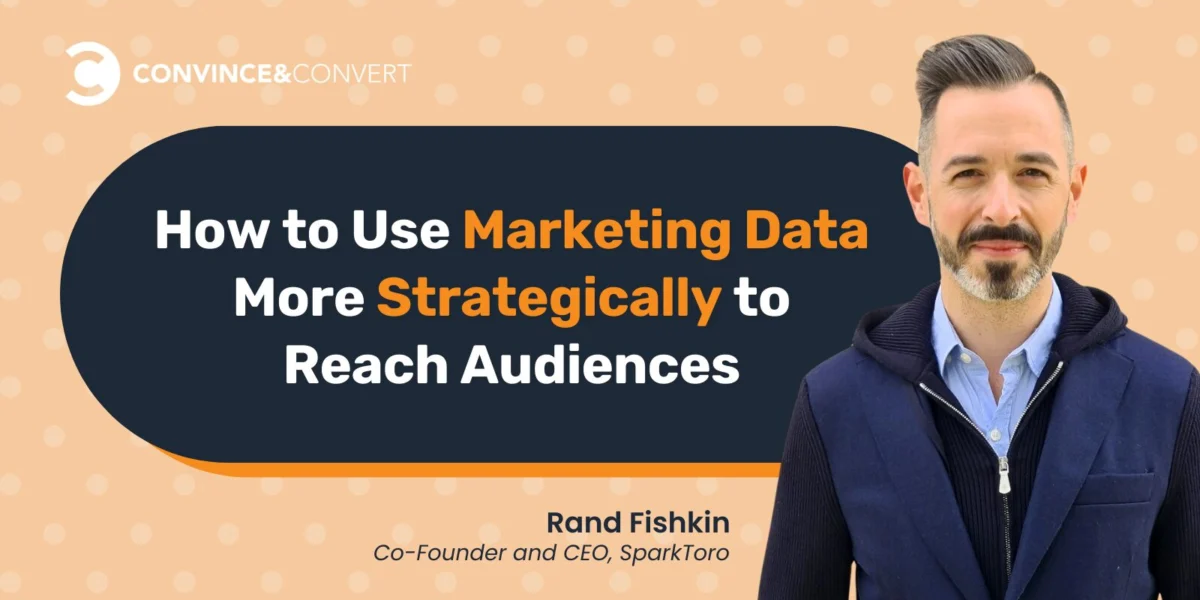
In a recent episode of the Data-Driven Decisions podcast, Rand Fishkin, co-founder of SparkToro, argued that the industry’s reliance on standard paid channels often masks a fundamental truth: marketers are optimizing for attribution, not for audience engagement.
The Mirage of Attribution: Why Google Isn’t the Beginning
The prevailing wisdom in marketing suggests that if you can’t track it, it didn’t happen. This mindset has led to a heavy over-investment in platforms that offer immediate, trackable feedback. When a user clicks a Google Ad and converts, the platform takes the credit. But, as Fishkin points out, this is often a superficial reading of the customer journey.
"A ton of what happens in Google is actually a response to something else," Fishkin explained. "People who performed a search query in Google, very rarely was that a spontaneous first-touch thing. It was like, ‘Oh, I heard about this software, so I went to Google and searched for it.’ And of course, the attribution looks like Google drove all the value. No, Google was just the middleman."
This phenomenon—the "middleman effect"—is a critical blind spot. When marketers view search traffic as the primary driver of demand, they ignore the organic, community-led, or influencer-driven touchpoints that actually built the brand awareness. By failing to identify where their audience actually lives—the niche podcasts, the specific industry subreddits, or the newsletters they trust—marketers become reliant on expensive, high-competition ad auctions rather than building authentic resonance.
The SparkToro Philosophy: Mapping the Audience Ecosystem
The core of the issue, according to the Data-Driven Decisions series hosted by Zontee Hou, is a lack of deep audience intelligence. Too many teams plan campaigns based on platform availability rather than human behavior.
SparkToro was designed to bridge this gap. By analyzing vast amounts of public social profiles and web content, the tool provides a "map" of where a target audience spends their time. Instead of asking, "Where can I buy ad space?" the tool forces a more strategic question: "Where does my audience go to solve their problems, learn, and engage?"
Case Studies in Strategic Targeting
The shift toward audience-centric marketing is not merely theoretical; it is yielding tangible results for early adopters.
- The Podcaster’s Growth Strategy: One podcaster, seeking to scale sponsorship revenue, used data to identify influential figures within their niche. Instead of buying ads to find listeners, they identified the influencers who already commanded the attention of their ideal demographic. By inviting these influencers as guests, the podcaster leveraged the existing trust of those audiences, creating a natural funnel for sponsors and increasing listenership more effectively than cold paid acquisition.
- The Tech Event Organizer: Similarly, an organizer of a technology conference utilized audience data to recruit speakers who possessed high-value, niche followings. By aligning the speaker lineup with the specific interests of their target sponsors, the organizer ensured that the event provided guaranteed value to stakeholders, significantly easing the sponsorship sales cycle.
In both instances, the data allowed the marketing team to intercept the customer journey at the start, rather than competing for their attention at the end (the search/conversion phase).
The Rise of Zero-Click Marketing
One of the most radical shifts discussed is the concept of "zero-click marketing," a term championed by Amanda Natividad, SparkToro’s VP of Marketing.
The traditional marketing funnel is built on the premise of the "click"—driving users from a social platform to a website, where they can be tracked, pixelated, and funneled. Zero-click marketing rejects this. It encourages brands to provide full value directly on the platform where the user is already present.
Consider the example of Chartr, a data storytelling company. They engaged the Reddit community "r/dataisbeautiful" by posting high-quality, insightful data graphics without any branding or heavy-handed calls-to-action. By contributing to the conversation rather than hijacking it, they built significant brand equity and organic traffic.
This is the antithesis of the "interruptive" ad model. It builds trust by respecting the user’s time and context. Over time, when that user eventually requires a solution in that niche, the brand that provided value without asking for a click is the one that stays top-of-mind.
Implications for Modern Marketing Teams
If the industry is to move past the reliance on "safe bets," leaders must redefine how they measure success. This requires a two-pronged approach:
1. Distinguishing Between "Data-Informed" and "Data-Obsessed"
Data is a tool, not a strategy. As Zontee Hou notes in her book Data-Driven Personalization, the goal of gathering insights should be to empower the team to make better human-centric decisions.
Fishkin warns that being "data-informed" means recognizing the limitations of your metrics. If you only look at in-app analytics, you only see what your current users are doing. You remain blissfully unaware of the frustrations or desires of the people who chose not to use your app. To fill this gap, qualitative research—surveys, one-on-one interviews, and community listening—is non-negotiable.
2. Investing in Under-Utilized Channels
The most effective channels are often those that the "ad platforms" can’t measure. By shifting even a fraction of the budget from the bottom 10% of underperforming ad spend toward more creative, audience-specific initiatives, companies can often see a significant increase in incremental growth.
This might mean:
- Sponsoring an industry-specific newsletter rather than running generic Facebook ads.
- Building a presence in a niche community, like a Discord server or a subreddit, where the brand contributes value.
- Partnering with creators to co-create content that provides utility rather than just pitching a product.
Conclusion: Reframing the Path Forward
The lesson for today’s marketing professional is clear: don’t let the ease of platform attribution dictate your strategy. While Google and Meta provide the "pipes" for digital commerce, they are not the source of consumer intent. That intent is formed in the myriad of places where your audience learns, discusses, and solves their problems.
As Rand Fishkin concluded in his conversation with Zontee Hou, "I’m not saying don’t be data-informed, but I think it pays to be responsible in your recognition of what problems data can solve and what it can’t solve."
True marketing excellence in the current landscape requires a blend of rigor and courage. It requires the rigor to use data to find your audience where they actually live, and the courage to stop chasing the "easy" clicks in favor of building deep, sustainable, and trust-based relationships. The brands that win in the next decade will be those that realize the most valuable currency in marketing is not a conversion event—it is the genuine attention of an engaged, niche audience.
For those interested in exploring these concepts further, the full conversation with Rand Fishkin is available on the Data-Driven Decisions podcast. For a comprehensive guide on integrating these strategies into your business, check out Zontee Hou’s book, Data-Driven Personalization.











No comments yet. Be the first to join the conversation!