


Six years after the critical success of Willy Morgan and the Curse of Bone Town, Italian developer imaginarylab has returned to the point-and-click genre with their latest title, Whirlight: No Time to Trip. Released on May 14, 2026, for PC, the game marks an ambitious evolution for the studio, blending the nostalgic charm of 1990s LucasArts classics with the refined narrative depth of contemporary interactive fiction. As players step into the shoes of an eccentric, down-on-his-luck inventor and a spirited artist, they are thrust into a sprawling, multi-temporal mystery that tests both their logic and their sense of humor.
The Genesis of a New Adventure: Main Facts
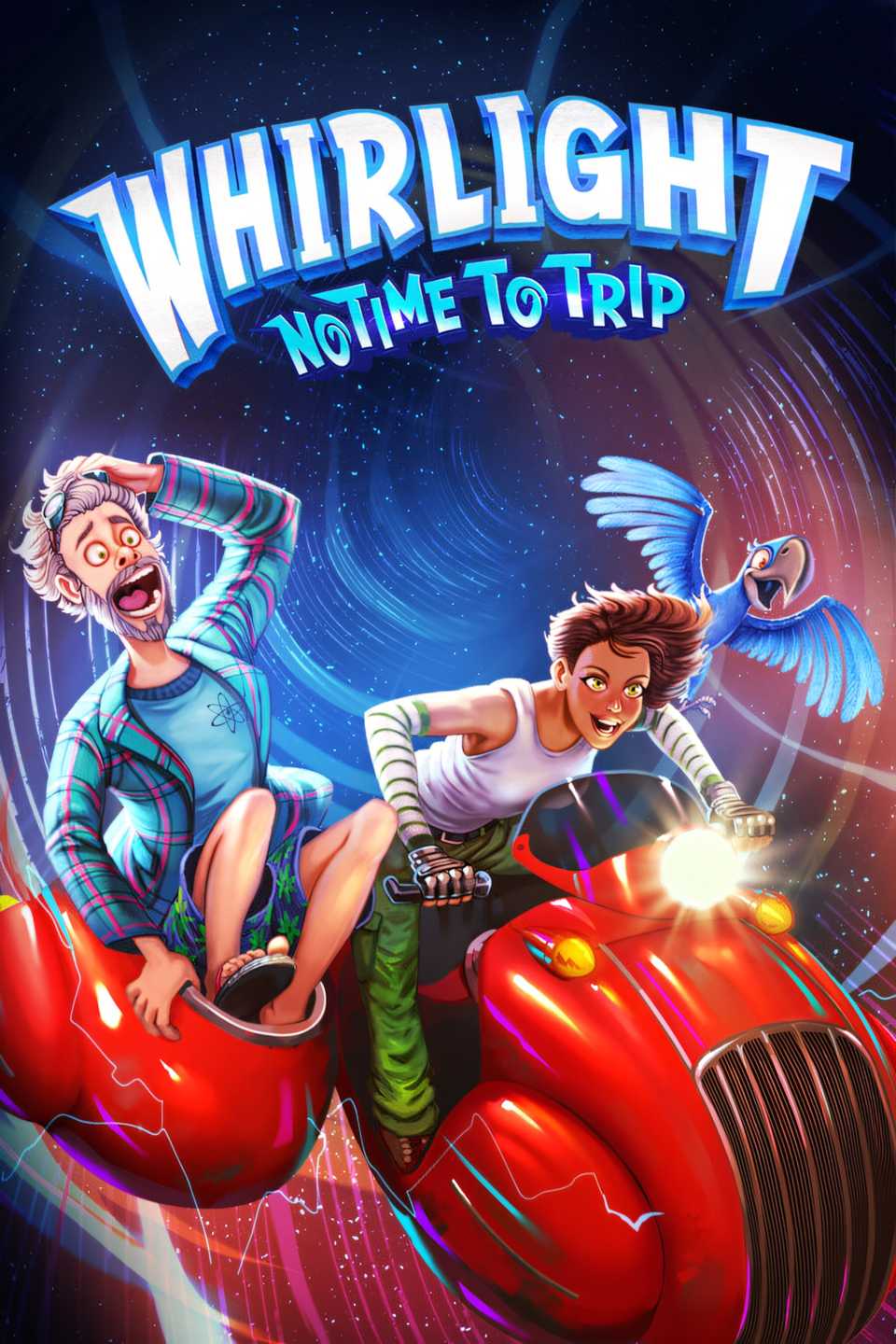
Whirlight: No Time to Trip is a traditional, 2D hand-drawn point-and-click adventure game. The narrative centers on Hector, a scientist whose inventions are consistently catastrophic, and his chance encounter with Margaret, an artist who becomes his reluctant partner in chaos.
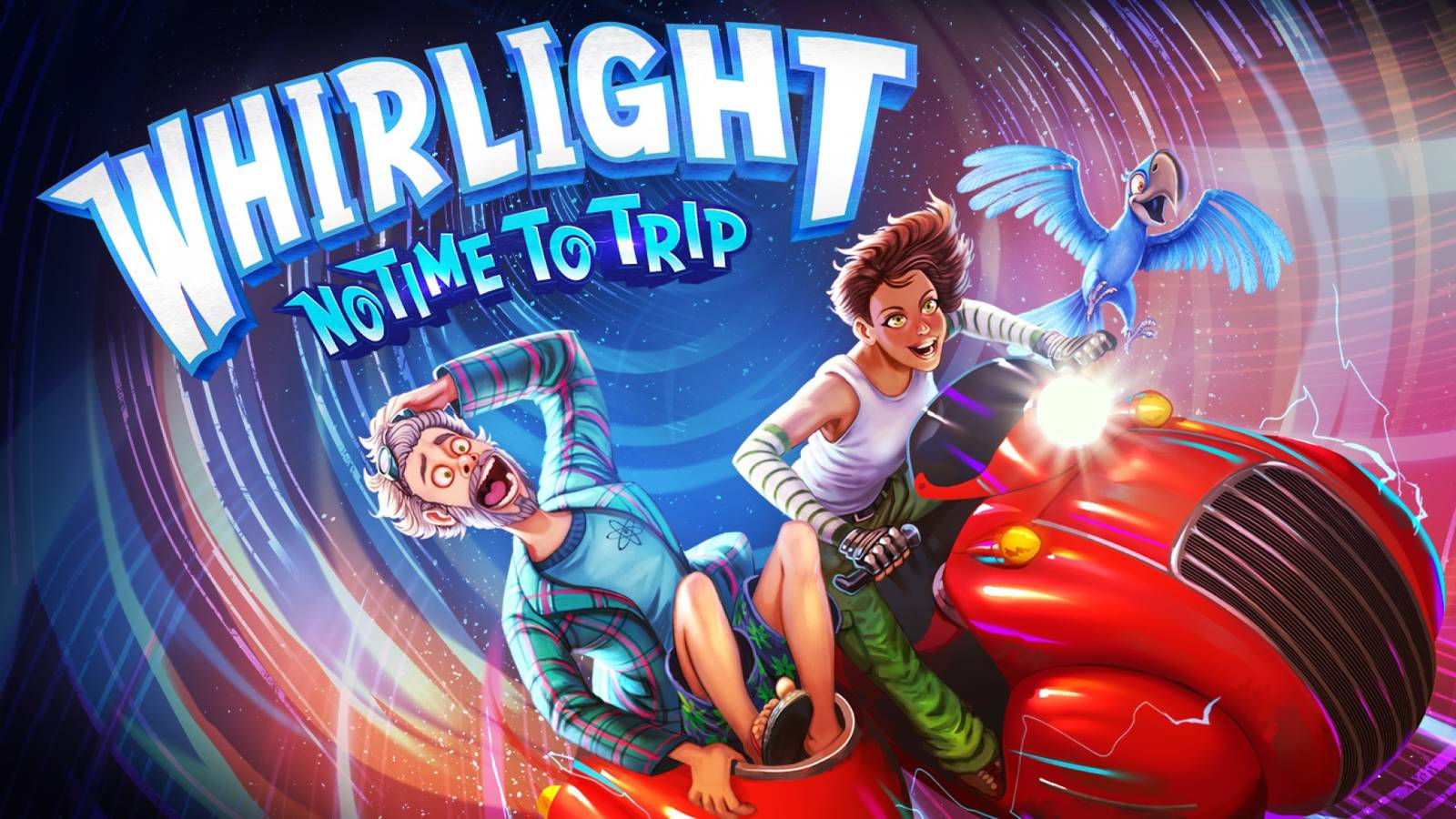
The core gameplay loop involves navigating the vibrant, colorful world of Verice Bay, gathering items, and solving environmental puzzles. The game’s premise hinges on a "bizarre dream" that provides Hector with the blueprint for an invention that accidentally ruptures the fabric of reality. What follows is a globe-trotting—and time-trotting—odyssey where the duo must fix the mess they’ve created while contending with a looming, world-ending threat.
Unlike many modern "walking simulators" or narrative-heavy adventure games that prioritize story over interaction, Whirlight remains a purist experience. It emphasizes item combinations, inventory management, and screen-to-screen exploration, placing the burden of progress squarely on the player’s ability to think laterally.

A Chronology of Chaos: The Narrative Arc
The story of Whirlight is structured as a character-driven comedy. The game opens in a state of creative stagnation for Hector, a man defined by his failures. His desperate desire to prove his worth leads him to tinker with technology beyond his understanding, setting off a chain reaction that forces him out of his comfort zone.
The introduction of Margaret serves as a critical narrative pivot. She is not merely a sidekick; she represents a grounding force against Hector’s erratic personality. Their partnership, initially forced by circumstance, grows into a genuine rapport as they navigate different historical eras.
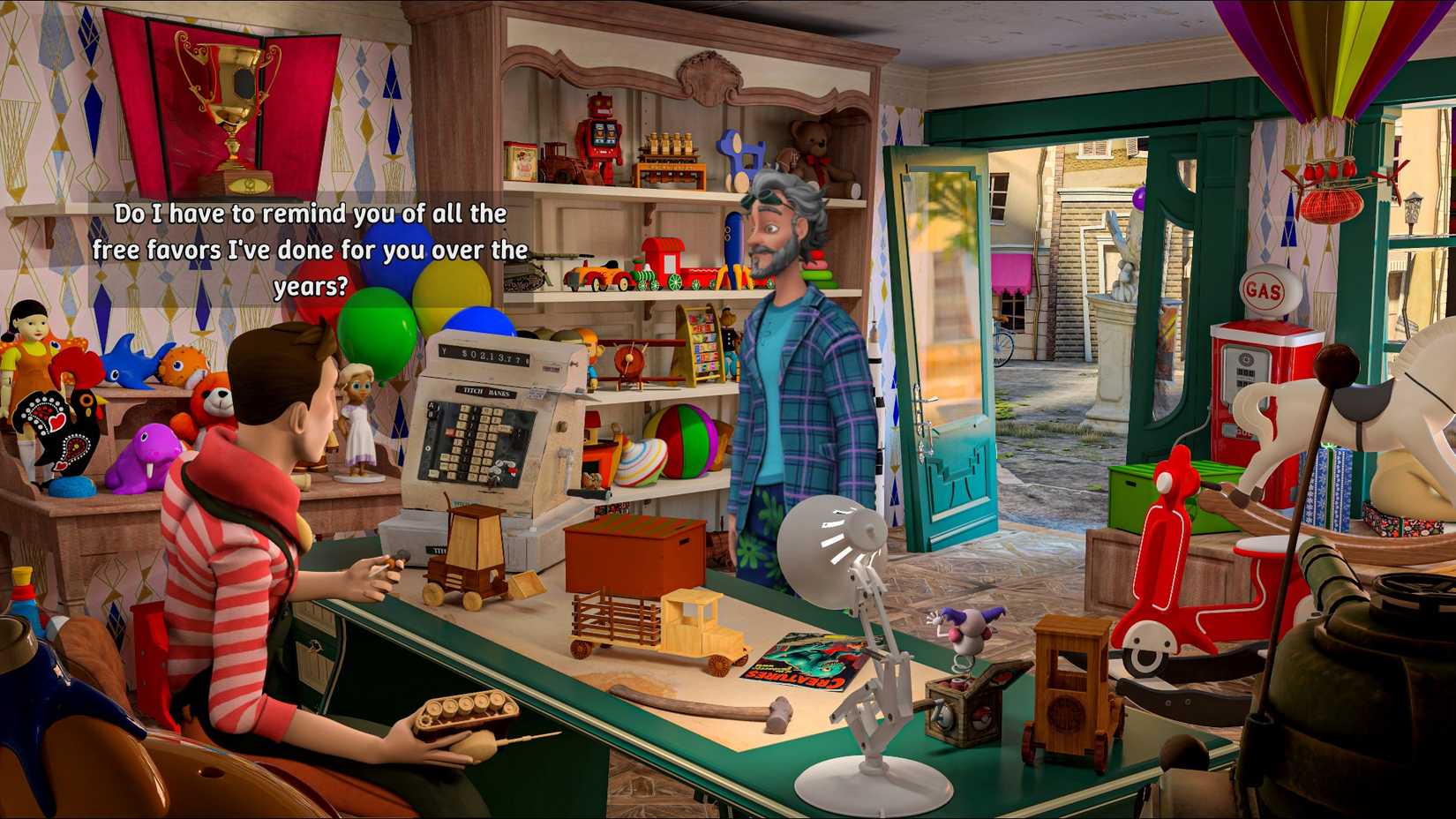
The narrative pacing is designed to mimic the episodic nature of classic adventure games. The player is not just solving puzzles to unlock doors; they are peeling back layers of a personal history. The developers have taken great care to ensure that the NPCs populating Verice Bay feel like living, breathing characters with their own motivations. Hector is often treated as a local nuisance—a "sleazy old man" who struggles to pay his bills—which creates a unique dynamic where the player must navigate social hurdles just as often as physical ones.
Supporting Data: Technical and Mechanical Insights
The visual fidelity of Whirlight is perhaps its most striking feature. The hand-drawn aesthetic serves as a tribute to the golden age of animation, with fluid character movements—such as Hector’s signature, quirky dance—that add personality to every scene.

Gameplay Mechanics and Puzzle Design
The game relies heavily on its inventory system. Players must collect seemingly mundane objects and combine them in unconventional ways. However, the game’s difficulty is a point of contention for some. The "purist" approach taken by imaginarylab means there is a notable absence of modern hand-holding mechanics. There are no built-in hint systems or intuitive navigation markers to guide the player through the more complex sequences.
The puzzle structure is multifaceted:
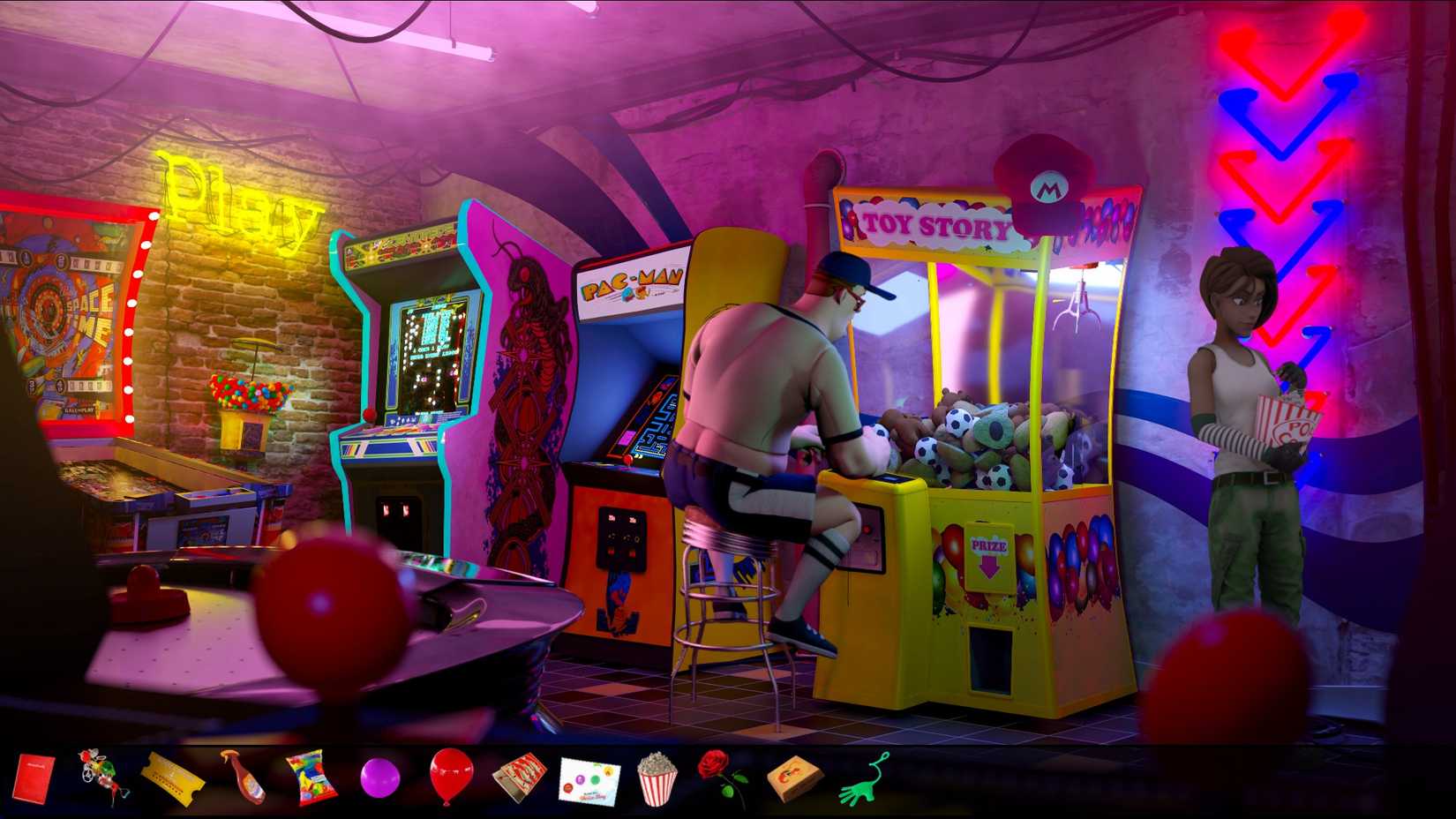
- Item Logic: Traditional combine-and-use mechanics.
- Temporal Shifts: Certain puzzles require the player to navigate the same location across different time periods, where an action in the past might alter the environment in the future.
- Social Engineering: Dialogue trees are not just for exposition; they are tools to influence NPCs to provide necessary items or information.
This complexity, while rewarding for veterans of the genre, introduces a high barrier to entry. Trial-and-error becomes an inevitable, albeit sometimes frustrating, component of the experience.
Official Perspectives: The Developer’s Vision
In their official communications, imaginarylab has positioned Whirlight: No Time to Trip as a "love letter" to the adventure genre. The influence of titles such as Day of the Tentacle and Sam & Max Hit the Road is not just incidental; it is baked into the DNA of the game’s humor and structural design.
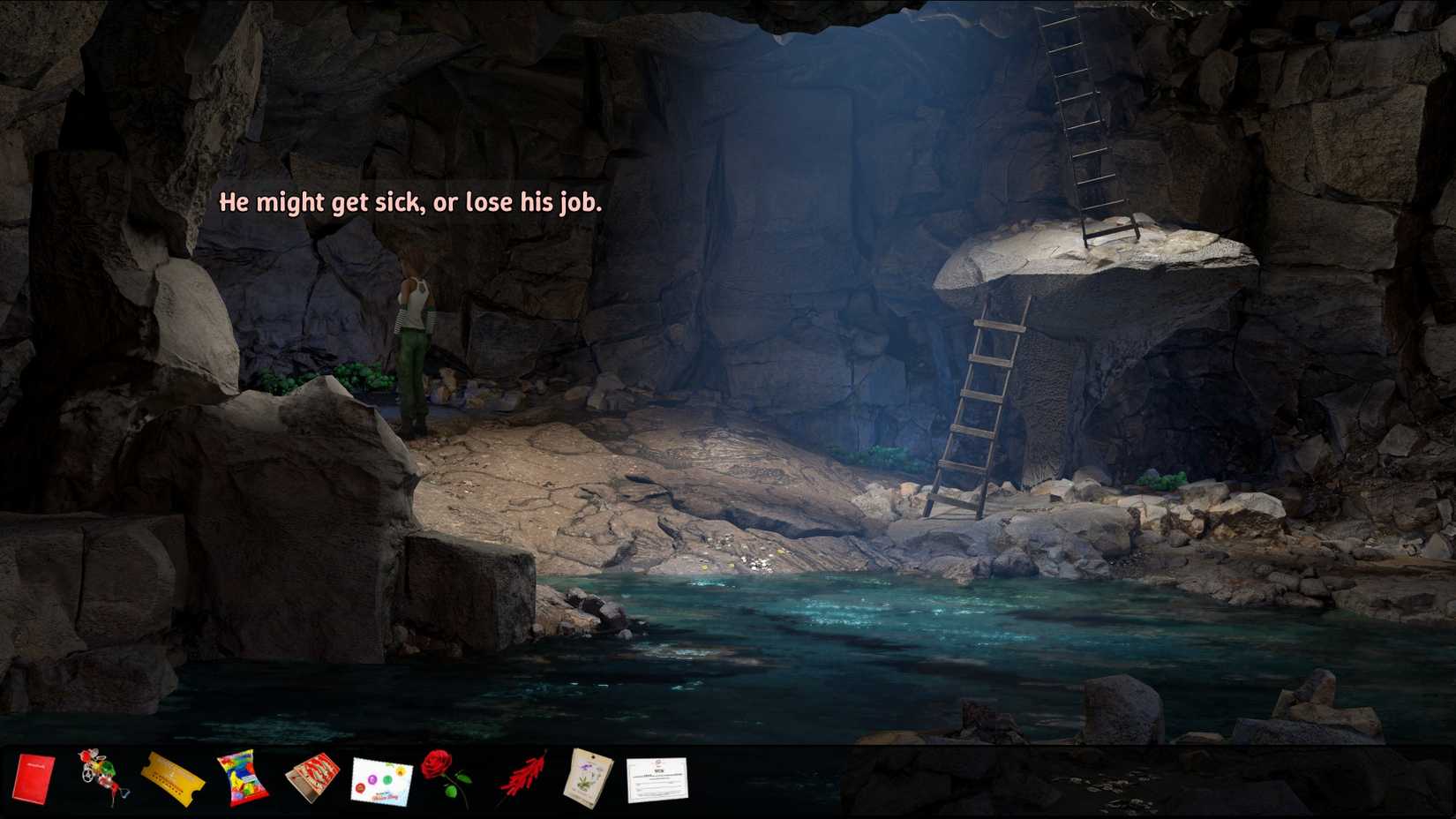
The studio’s goal was to create a "miniature world" that felt lived-in. By populating the game with diverse, colorful environments and ensuring that every interaction—even the failures—resulted in unique, humorous dialogue, the developers aimed to prevent the player from feeling like a "vessel" for the game’s progress. Instead, they wanted the player to feel like a participant in a living, breathing comedy.
The Implications for the Point-and-Click Genre
The release of Whirlight brings to the forefront a long-standing debate within the adventure game community: how much "guidance" is too much?
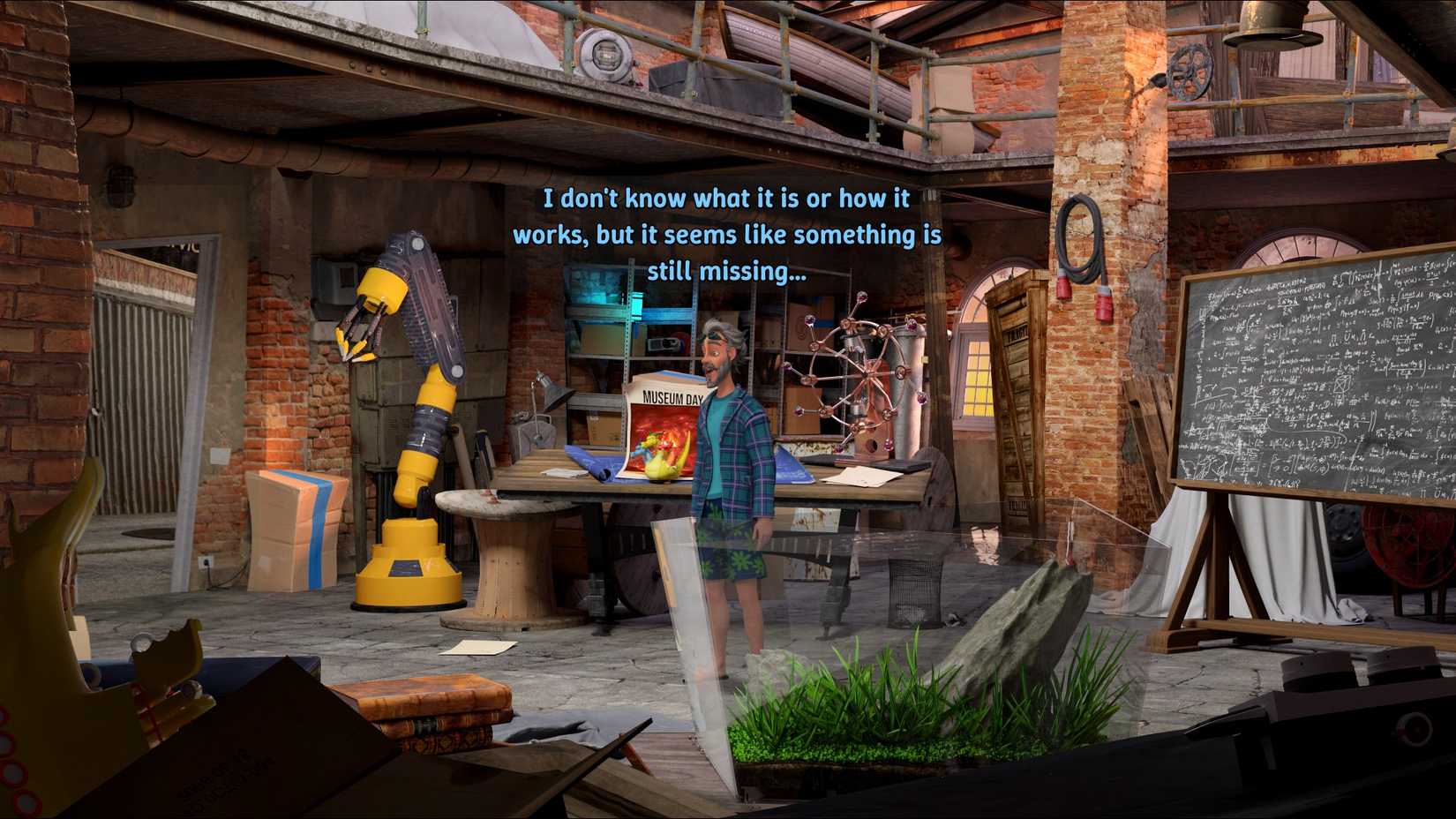
For years, the genre has moved toward a more narrative-driven, streamlined experience to attract a broader audience. Whirlight pushes back against this trend, choosing to embrace the "hard" logic puzzles of the 90s. The implication is a split in the player base. Those who enjoy the "eureka" moment of solving a difficult puzzle without assistance will find Whirlight to be a masterpiece of design. However, for the modern player accustomed to the accessibility of contemporary titles, the lack of a hint system may lead to fatigue and an over-reliance on external guides.
Furthermore, Whirlight proves that there is still a massive appetite for 2D hand-drawn art in an industry increasingly dominated by 3D photorealism. The success of the game’s visual presentation suggests that style and artistic cohesion can often override the need for high-end graphical fidelity.
A Balanced Assessment: The Verdict
Whirlight: No Time to Trip is, at its core, an experience that values passion over convenience. It captures the whimsical, slightly unhinged energy of the best adventure games of the past while providing a fresh, original story.
The humor is sharp, the characters are memorable, and the world-building is top-tier. Yet, it is a game that respects its own difficulty. By refusing to compromise on its "purist" design, it risks alienating newcomers who find themselves stuck in the game’s occasionally obscure logic loops.

For the seasoned adventure game fan, Whirlight is an essential addition to the library. It is a game that rewards patience and persistence, offering a charming, humorous journey that is both nostalgic and refreshing. It stands as a testament to imaginarylab’s growth as a developer, proving that they are not content with merely repeating the success of their previous work but are instead looking to define the future of the genre by paying homage to its past.
As players continue to explore the depths of Verice Bay and unravel the mystery of Hector’s latest invention, the title serves as a reminder of why we fell in love with point-and-click games in the first place: the joy of discovery, the thrill of the "aha!" moment, and the simple pleasure of being told a story that doesn’t take itself too seriously. Whirlight: No Time to Trip is more than just a game; it is a time-capsule of a bygone era, polished and updated for the modern age.











No comments yet. Be the first to join the conversation!