

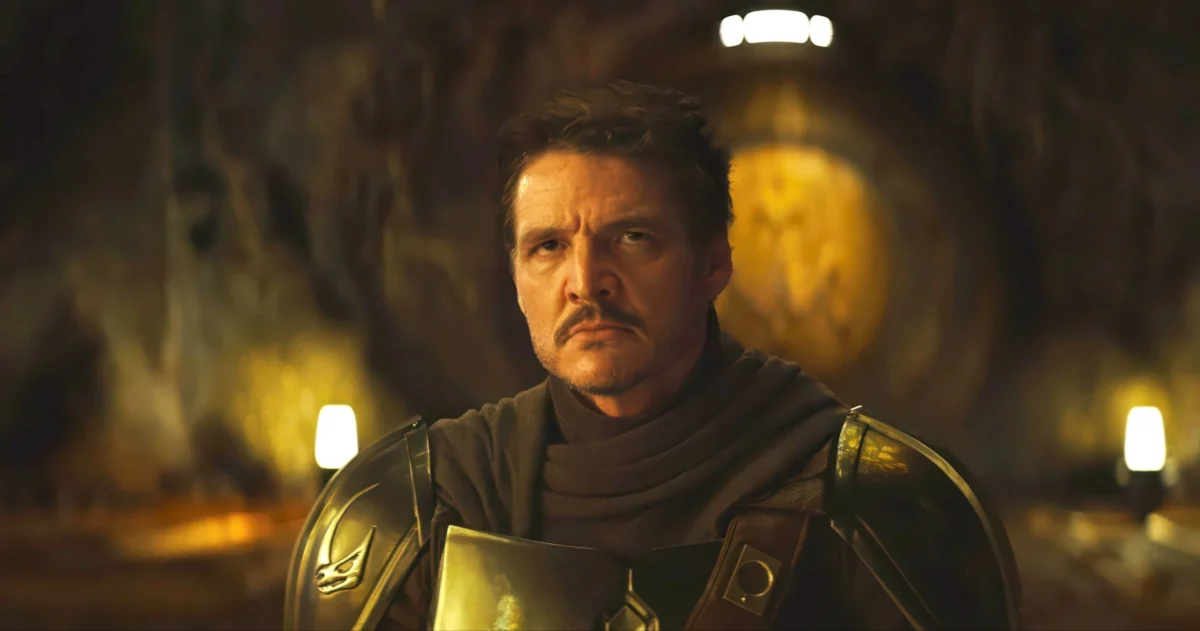
The galaxy far, far away has officially returned to the silver screen. After a seven-year hiatus from theatrical exhibition, the Star Wars franchise made its grand comeback on May 22, 2026, with The Mandalorian and Grogu. Directed by franchise veteran Jon Favreau, the film marks a pivotal transition for Lucasfilm as it attempts to bridge the gap between its prolific Disney+ streaming library and the high-stakes environment of global box office cinema.
However, the return has been met with a complex, polarized reception. While some critics praise the film as a refreshing, “pulpy” return to the franchise’s roots, others have lamented a lack of narrative depth, labeling it a “glorified episode” of the existing streaming series.
The Main Facts: A New Era for Lucasfilm
The Mandalorian and Grogu serves as a direct continuation of the narrative threads established in the hit series The Mandalorian. The film follows the iconic bounty hunter Din Djarin (Pedro Pascal) and his charge, the Force-sensitive foundling Grogu, as they navigate the treacherous power vacuum left by the collapse of the Galactic Empire.
According to the official synopsis, the story focuses on the efforts of the fledgling New Republic to maintain order as Imperial warlords cling to power in the Outer Rim. The film features a star-studded cast, including the legendary Sigourney Weaver and The Bear star Jeremy Allen White, who voices the character of Rotta the Hutt.
The production is helmed by a creative trio consisting of Jon Favreau, Noah Kloor, and Dave Filoni. This film represents a significant milestone for Lucasfilm, serving as the first major project to hit theaters under the leadership of Dave Filoni and Lynwen Brennan, following the departure of longtime president Kathleen Kennedy earlier this year.
Chronology: From Disney+ to the Big Screen
The path to this release has been defined by a significant strategic pivot. Following the 2019 release of Star Wars: The Rise of Skywalker, which received a divisive critical and fan response, Disney transitioned its Star Wars output almost exclusively to the small screen.
- 2019–2025: A "Streaming-First" Strategy. During this period, the franchise expanded its lore through series such as The Mandalorian, The Book of Boba Fett, Ahsoka, Andor, and The Acolyte.
- Late 2025: Organizational restructuring at Lucasfilm sees the departure of Kathleen Kennedy and the installation of a new executive team led by Dave Filoni.
- May 2026: The Mandalorian and Grogu premieres, marking the end of a six-year theatrical drought for the brand.
This chronology is essential to understanding the audience’s reaction. By shifting from episodic television to a two-hour feature film, the production team faced the challenge of satisfying a fanbase accustomed to deep-lore expansion while simultaneously creating an accessible "popcorn" experience for general audiences.
Supporting Data: A Spectrum of Critical Reception
The critical response to the film has been sharply divided, ranging from enthusiastic acclaim for its entertainment value to biting critiques of its pacing and emotional weight.
The Positive Perspective: A "Summer Blockbuster"
Many proponents of the film highlight its unpretentious, adventurous nature. Erik Davis of Fandango described the film as a "fun, freaky romp across the galaxy," specifically lauding Ludwig Göransson’s score for its 1980s synth-horror influences. Davis noted, "It reminded me how fun Star Wars can be when it stops worrying about canon homework and just cuts loose."
Similarly, Simon Thompson of Showbiz Simon called the film a "grin-inducing crowd-pleaser," characterizing it as a safe, solid, and thrilling summer blockbuster. Scott Mendelson of Puck News echoed these sentiments, labeling the film a "solid line drive past second base" that succeeds because of its "neat" visual charm and novelty.
The Negative Perspective: "A Made-for-TV Movie"
Conversely, the film has faced criticism for its perceived lack of scale. Germain Lussier of io9 observed that the movie feels like a "longer, bigger episode of the show," noting that it prioritizes the introduction of new creatures and locations over meaningful character development.
The criticism was even sharper from reporter Jonathan Sim, who dismissed the film as "one of the weakest Star Wars movies." Sim characterized the experience as "emotionless" and "predictable," arguing that the fight scenes were dull and that the film suffered from being "a long, colorless made-for-TV movie."
Griffin Schiller furthered this sentiment, describing the film as a "snooze fest" that felt like watching "the cutscenes of a Star Wars video game instead of playing one."
Official Responses and Creative Challenges
One of the most discussed elements of the film is the introduction of a live-action Rotta the Hutt, voiced by Jeremy Allen White. While some viewers enjoyed the character, critics like Perri Nemiroff of Collider found the execution lacking. "Live-action Hutts are a challenge to pull off," Nemiroff noted, adding that Rotta’s dialogue often felt "too on the nose."
The directorial approach of Jon Favreau has also come under scrutiny. While he is widely credited with revitalizing the franchise via the Mandalorian series, the transition to film has left some wondering if the "adventure-of-the-week" format of the show is compatible with the cinematic expectations of a Star Wars film.
Peter Sciretta, in a post on X, synthesized this tension well: "The marketing had me worried, but this movie is actually a lot of fun. Yes, it does feel like a supersized, high-budget few episodes of the TV show… If you like the show, you’ll love this."
Implications: What This Means for the Franchise
The mixed reception of The Mandalorian and Grogu carries significant weight for the future of the Star Wars intellectual property.
1. The "Lore" vs. "Adventure" Debate
The critical divide highlights a fundamental tension within the fanbase: should Star Wars be a sprawling, interconnected epic (the "lore" approach), or a self-contained, adventurous romp? The positive reception of the film’s "pulpy" nature suggests that there is a hunger for smaller-scale stories, but the negative reviews indicate that audiences still demand the emotional weight and character-driven stakes traditionally associated with the cinematic Star Wars experience.
2. The Leadership Transition
As the first theatrical project under the new Lucasfilm leadership, The Mandalorian and Grogu acts as a litmus test for the studio’s future direction. If the film succeeds financially despite mixed critical reviews, it may signal that the brand’s strength lies in familiar, episodic storytelling. If the film underperforms, it could force Filoni and Brennan to rethink their strategy, perhaps pushing them toward more experimental or grand-scale narratives.
3. The Future of Streaming-to-Cinema Transfers
The film serves as a precedent for how Disney plans to treat its massive library of streaming content. If this model proves successful, we may see more adaptations of existing series. However, the recurring criticism of the film feeling like a "long TV episode" suggests that future projects must work harder to justify their existence in a cinema rather than on a home screen.
In conclusion, The Mandalorian and Grogu is a mirror of the current state of the Star Wars galaxy: technically impressive, undeniably fun in moments, but searching for a cohesive identity that can satisfy both the casual summer audience and the die-hard fan. As the film settles into its theatrical run, the true verdict will be delivered by the global box office, which will ultimately determine the direction of the next generation of Star Wars storytelling.











No comments yet. Be the first to join the conversation!