

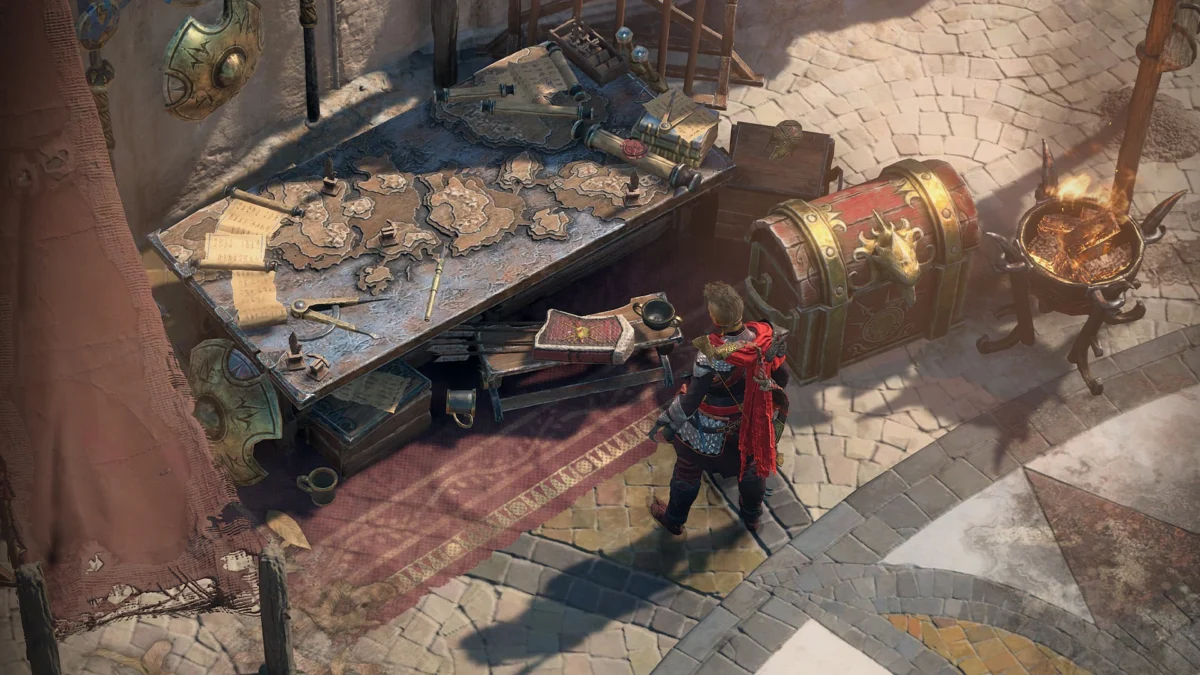
The landscape of Sanctuary is on the precipice of a tectonic shift. With the launch of Diablo 4’s highly anticipated expansion, Lord of Hatred, now less than two weeks away, Blizzard Entertainment is pulling back the curtain one final time. In a move designed to appease a ravenous player base, the studio has announced a comprehensive Developer Update livestream scheduled for Thursday, April 23. This broadcast promises to be a deep-dive exploration of the mechanical overhauls, endgame systems, and seasonal transitions that will define the next era of the action-RPG juggernaut.
Main Facts: What to Expect from the Broadcast
For veterans of the Diablo ecosystem, these developer livestreams have become essential viewing. They serve as the primary bridge between the community and the design team, offering granular detail on balance changes and feature implementations that patch notes simply cannot convey.
The stream is officially scheduled for Thursday, April 23, at 11:00 AM PT / 2:00 PM ET / 6:00 PM GMT. Blizzard has confirmed that the presentation will move beyond the high-level marketing beats of the expansion—such as the new Skovos region and the introduction of the Warlock class—to address the "under-the-hood" changes that will fundamentally alter how every player interacts with the game.
Key highlights confirmed for the broadcast include:
- Skill Tree Reworks: A holistic update to skill trees across all classes, intended to increase build diversity and power scaling.
- The Talisman System: An introduction to a new customization layer for character progression.
- The Horadric Cube: The return of a fan-favorite utility mechanic, reimagined for the modern Diablo 4 engine to allow for sophisticated gear manipulation.
- "War Plans": A deep look at the new, player-driven endgame systems designed to provide meaningful long-term progression.
- Seasonal Transition: Details on the conclusion of the current "Season of Slaughter" and the immediate arrival of the new seasonal cycle.
A Chronological Perspective: The Road to ‘Lord of Hatred’
The trajectory of Diablo 4 since its 2023 release has been a story of rapid iteration and intensive community feedback loops. To understand the gravity of this upcoming update, one must look at the timeline of the game’s evolution.
The Foundation (2023)
At launch, Diablo 4 was praised for its atmosphere and campaign but faced significant criticism regarding its endgame variety and itemization depth. The base game provided a solid mechanical chassis, but players quickly identified "bloat" in inventory management and a lack of meaningful horizontal progression.
The Expansion Cycle (2024)
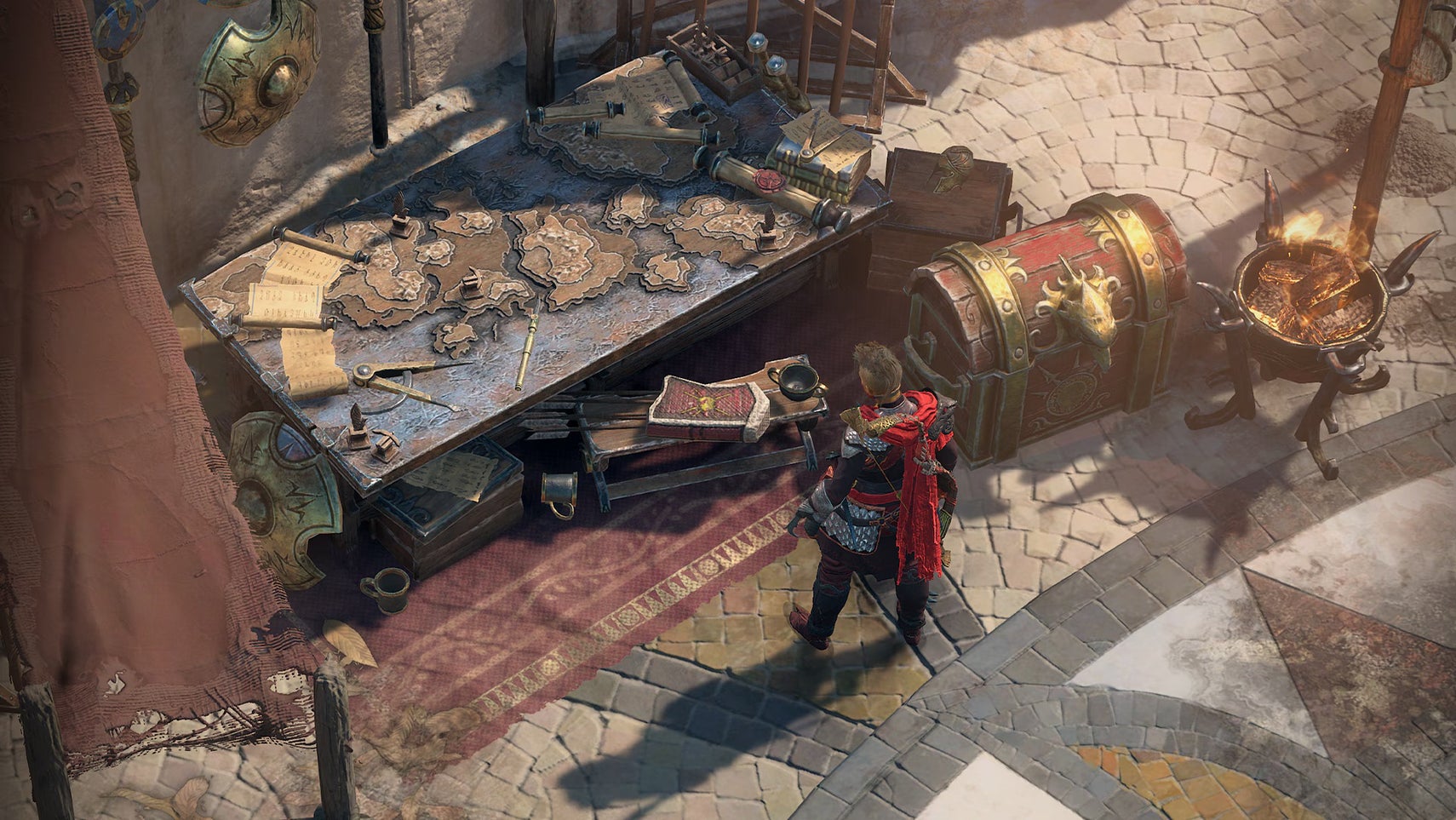
The announcement of Vessel of Hatred established a precedent for annual expansions. Now, with Lord of Hatred arriving on April 28, Blizzard is demonstrating a commitment to a "live-service plus" model—where expansions are not merely content drops, but opportunities to re-engineer the game’s core systems.
The transition from the current "Season of Slaughter" to the expansion launch represents a critical junction. The team is aiming to sync the new expansion content with the start of a new season, ensuring that returning players and newcomers alike start on an even playing field, unencumbered by the previous season’s temporary mechanics.
Supporting Data: Why Mechanical Depth Matters
The shift toward the systems being highlighted on April 23 addresses the most common critique leveled at Diablo 4 since its inception: the feeling of "sameness" in the late-game loop. By focusing on the Horadric Cube and expanded skill trees, Blizzard is signaling a return to the complexity that defined Diablo 2 and Diablo 3’s Reaper of Souls era.
Skill Tree Scaling
Data from community theory-crafters and meta-analysis sites suggests that the current skill tree model reaches a "plateau" too early in the character lifecycle. By adding more nodes and potentially introducing secondary class mechanics, Blizzard hopes to extend the viability of unique builds. This is a vital correction; if players feel their character growth stagnates at level 70, the drive to reach level 100 diminishes significantly.
The Horadric Cube and Itemization
The Horadric Cube, a legendary artifact in Diablo lore, is expected to function as a powerful tool for crafting and rerolling item stats. In previous iterations, this allowed players to extract "legendary powers" and apply them to different gear pieces, effectively decoupling the aesthetic of an item from its mechanical utility. Integrating this into Diablo 4 suggests a move toward more "deterministic" loot—allowing players to work toward specific gear goals rather than relying entirely on RNG (Random Number Generation).
War Plans: The Endgame Gamble
Perhaps the most mysterious aspect of the upcoming update is "War Plans." While official details are thin, the industry expectation is that this system will allow players to customize their endgame experience. Whether this involves procedurally generated dungeon modifiers or a new way to target-farm specific materials, it represents Blizzard’s attempt to solve the "boredom of repetition" inherent in the genre.

Official Responses and Studio Philosophy
Blizzard’s communication strategy for Lord of Hatred has been significantly more transparent than the studio’s historical norm. The inclusion of a dedicated Q&A session at the end of the April 23 broadcast is a deliberate effort to rebuild trust with the hardcore player base.
In recent internal interviews, the design leads have emphasized that "player agency" is the North Star for this expansion. By implementing systems like the Talisman—which allows for further granular stat allocation—they are moving away from the "simplified" design philosophy that initially characterized the game.
The decision to hold this stream just days before the April 28 launch is a high-stakes move. It builds hype, but it also leaves very little room for error. If the community reacts negatively to a specific design choice revealed during the stream, the development team will have less than a week to manage expectations or clarify their design intent before the expansion goes live.
Implications: The Future of the Franchise
The success of Lord of Hatred will dictate the long-term health of the Diablo franchise for the next several years. Should these mechanical changes succeed in deepening the gameplay loop, Diablo 4 will solidify its position as the premier action-RPG on the market, successfully competing against the likes of Path of Exile 2.
Implications for the Player Experience:
- Complexity vs. Accessibility: The update will be a litmus test for how much complexity the modern Diablo audience can handle. If the system is too dense, it may alienate the casual audience; if it is too shallow, the hardcore community will remain dissatisfied.
- The "Live Service" Benchmark: If Lord of Hatred launches with a robust, bug-free seasonal transition, it will set a new standard for how Blizzard manages live-service expansions.
- Economic Impact: The introduction of the Horadric Cube and new gear systems will likely shift the in-game economy. Players who have hoarded resources will need to determine how to best utilize these new systems, creating a surge in player engagement and social media discourse.
Concluding Thoughts
As the clock ticks toward the April 23 livestream, the excitement within the community is palpable. Lord of Hatred is more than just a collection of new maps and monsters; it is a fundamental reconfiguration of the Diablo 4 experience. Whether you are a casual fan looking for a new campaign or a min-maxer eager to optimize your character with the new skill trees and Horadric Cube, the upcoming broadcast is poised to be the most important event in the game’s recent history.
Fans looking to witness these changes firsthand can tune in via the official Diablo channels on YouTube, Twitch, X (formerly Twitter), and TikTok. As the developers prepare to go live, the message from Irvine is clear: the Lord of Hatred is coming, and he is bringing a complete revolution of the game’s core mechanics with him.











No comments yet. Be the first to join the conversation!