

As the humid heat of the Japanese summer begins to settle over the Kanto Plain, one of Tokyo’s most iconic landmarks is preparing to offer a cool, digital respite. Since 2014, the creative powerhouse Naked, Inc. has defined the nocturnal aesthetic of Tokyo Tower with its signature "City Light Fantasia" series. This year, the collaborative project returns with a theme that taps into the nostalgic heart of Japanese culture: the summer festival (matsuri).
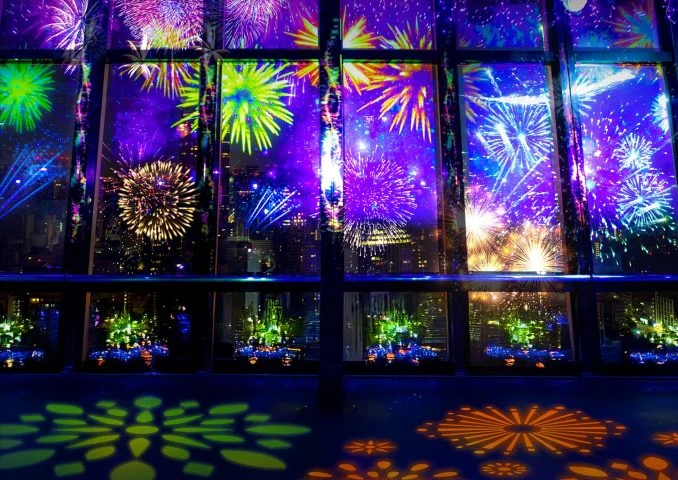
Titled "Summer Landscape 2026," the event promises to turn the Tower’s Main Deck—situated 150 meters (492 feet) above the city streets—into an immersive, bioluminescent dreamscape. Combining the stark, sprawling reality of the Tokyo cityscape at night with ethereal, digitally projected fireworks and fireflies, the exhibition is designed to blur the lines between the urban sprawl and the traditional Japanese summer.
Main Facts: A Convergence of Light and Height
The "Summer Landscape 2026" event is scheduled to run from May 11 through September 6, offering residents and tourists alike a multi-month window to experience the installation. The exhibition is hosted on the second floor of the Main Deck, a venue that serves as a high-altitude canvas for Naked, Inc.’s proprietary projection mapping technology.
The core of the experience lies in its technical ambition. By utilizing the panoramic windows of the Main Deck, the display synchronizes the actual lights of the Tokyo metropolis with vibrant, projected fireworks. This creates a layered visual effect where the "real" city lights appear to ignite into the digital pyrotechnics on the glass. To complete the atmosphere, the floor is illuminated with gobo lights that mimic the flickering movement of fireflies, while smaller yellow lasers weave through the space, creating the illusion of a forest meadow suspended high above the city.
The event is included in the standard admission fee for the Main Deck, making it one of the most accessible high-end art experiences in the city. Unlike many pop-up exhibits that require premium add-on tickets, Naked, Inc. and Tokyo Tower have maintained a policy of inclusivity, ensuring that anyone visiting the observation deck can enjoy the seasonal transformation.
Chronology of the 2026 Summer Schedule
To accommodate the shifting sunset times and the varying intensity of the summer evening, the event operates on a staggered schedule throughout its duration. Prospective visitors should note the following windows:
- May 11 – June 7: 7:00 p.m. – 10:50 p.m.
- June 8 – July 12: 7:30 p.m. – 10:50 p.m.
- July 13 – August 16: 7:00 p.m. – 10:50 p.m.
- August 17 – September 6: 6:30 p.m. – 10:50 p.m.
Additionally, a significant structural addition will be made to the display mid-season. Following the success of the "Sakura Candle Monument" featured in the earlier "Spring Concerto" event, a new summer-themed candle installation will be unveiled on June 19. Crafted from sustainable materials including bamboo and driftwood, this central sculpture will serve as a grounding, organic counterpoint to the high-tech digital projections, remaining on display until the event concludes on September 6.
Supporting Data: The Evolution of Digital Tourism
The partnership between Naked, Inc. and Tokyo Tower represents a broader trend in Japanese tourism: the "Digitalization of Heritage." Since the inception of the City Light Fantasia series in 2014, Tokyo Tower has seen a consistent uptick in nighttime foot traffic, particularly among younger demographics and international tourists seeking "Instagrammable" moments that bridge the gap between traditional iconography and modern digital art.
The choice of themes—fireworks and fireflies—is not accidental. Both are deeply rooted in the concept of natsukashii, or a bittersweet nostalgia for the past. By bringing these rural, traditional summer motifs into the heart of a hyper-modern, 150-meter-high steel structure, the organizers are effectively creating a "third space" that exists outside of time.
According to industry analysts, the integration of projection mapping into observation decks has been a critical strategy for the survival of legacy landmarks in an era of skyrocketing high-rise competition, such as the Tokyo Skytree or the Shibuya Sky observation deck. By constantly refreshing the visual identity of the Main Deck, Tokyo Tower maintains its relevance as a cultural hub rather than just a historic site.
Official Responses and Creative Intent
In a press release regarding the 2026 collaboration, representatives from Naked, Inc. emphasized the importance of sensory immersion. "We wanted to create a moment where the viewer feels as if they are standing inside a memory," stated a spokesperson for the design firm. "By projecting fireworks that appear to bloom over the actual lights of the city, we are asking our guests to look at Tokyo differently. The city itself becomes the canvas, and the fireflies represent the quiet, intimate soul of the Japanese summer."
The choice of materials for the central candle monument—bamboo and driftwood—reflects a growing corporate commitment to environmental aesthetics. By moving away from plastic or metallic installations, the organizers aim to harmonize the event with the natural rhythms of the season, even while utilizing sophisticated laser and projection technology.
Implications for the Tokyo Tourism Landscape
The success of these recurring events has significant implications for how Japanese landmarks manage seasonal programming. "Summer Landscape 2026" is not merely an exhibit; it is a tactical effort to smooth out the "lull" periods of the tourism calendar. By extending the event until September, the organizers are incentivizing tourists to visit Tokyo during the late-summer heat, a period that historically sees a dip in outdoor activities due to extreme temperatures.
Furthermore, the "City Light Fantasia" series has fostered a unique brand of "experience-based tourism." Visitors are no longer satisfied with simply viewing a cityscape; they now demand an interactive, curated narrative. This shift has forced other tourist attractions across Japan to invest in similar digital infrastructure.
However, the event also carries a lighthearted reminder for its patrons. As the marketing team at the tower jokingly notes, the immersive nature of the exhibit is so potent that visitors might feel as if they have been transported into a fantasy realm—specifically, the kind of magical girl anime tropes where a simple visit to a tower can trigger an interdimensional adventure. While the staff is prepared for high volumes of tourists, they remain vigilant against those who might accidentally drift too far into their own personal narratives.
Conclusion: A Symphony of Light
As the 2026 summer season approaches, the Tokyo Tower stands ready to serve as a beacon, both literally and figuratively. By blending the organic beauty of the Japanese summer with the precision of modern technology, Naked, Inc. has crafted an experience that feels both timely and timeless.
Whether one is a local seeking an evening escape from the sweltering heat of the metropolitan streets or an international traveler looking to capture the quintessential Japanese summer atmosphere, the "Summer Landscape 2026" at Tokyo Tower offers a rare opportunity to witness the city through a lens of wonder. As the lights flicker to life on the Main Deck, the boundary between the steel of the tower and the spirit of the season dissolves, leaving behind nothing but the magic of a summer night in Tokyo.
With the combination of nightly firefly projections, the late-summer candle installation, and the panoramic views of the world’s most vibrant city, this year’s City Light Fantasia is poised to be a standout moment in the city’s 2026 cultural calendar. Visitors are encouraged to plan their trips well in advance, keeping in mind the variable evening hours to ensure they catch the display at its most luminous.












No comments yet. Be the first to join the conversation!