Pevita Pearce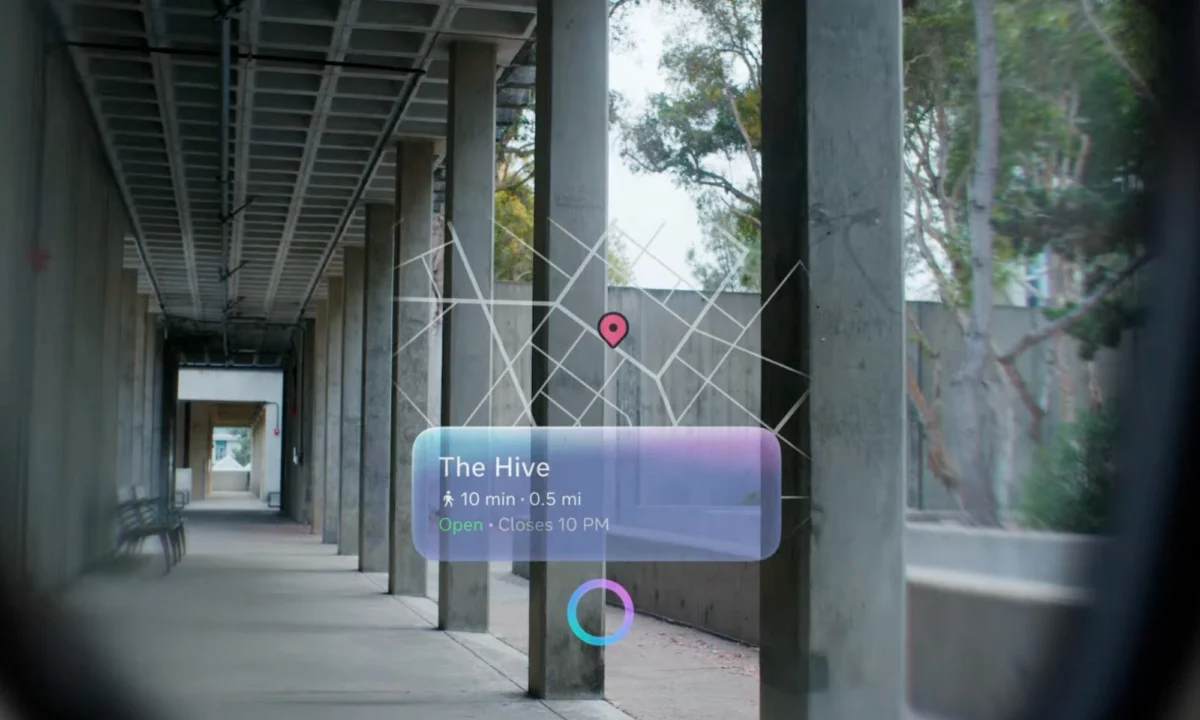
In a move that signals a seismic shift in the wearable technology landscape, Meta has officially thrown open the doors for third-party developers to create applications for its cutting-edge Ray-Ban Display smart glasses. By providing access to the device’s integrated in-lens display, Meta is pivoting from a closed ecosystem to a collaborative platform, effectively transforming these glasses from a sophisticated camera-and-AI accessory into a versatile, heads-up computing interface.
This strategic opening marks a pivotal moment for Meta’s hardware division. While the glasses previously impressed with their built-in Meta AI, real-time capture capabilities, and seamless social integration, the true "killer app" potential has long been tethered to the creativity of the global developer community. With today’s announcement, that tether has been cut, paving the way for a new generation of micro-apps, real-time data overlays, and intuitive utility software that could redefine how we interact with the digital world.
The Core Transformation: From Captive Hardware to Open Platform
The Meta Ray-Ban Display glasses feature an innovative in-lens display technology that allows users to project digital information directly into their line of sight. Until now, this hardware was largely restricted to internal Meta applications. By granting third-party access, Meta is enabling developers to build experiences that bridge the gap between physical reality and digital convenience.

The Two Pillars of Development
Meta is streamlining the onboarding process by offering two distinct pathways for software creation:
- The Meta Wearables Device Access Toolkit (Native SDK): Designed for deep integration, this toolkit supports iOS and Android environments. It allows developers to extend existing mobile applications into the glasses’ display using Swift or Kotlin. This path enables the use of rich UI components—including complex text, high-resolution imagery, dynamic lists, and even video playback—providing a seamless transition from a smartphone screen to an ocular overlay.
- Web-Based Application Deployment: For developers seeking a faster, more agnostic route, Meta has introduced support for standalone web applications. By leveraging standard HTML, CSS, and JavaScript, creators can build specialized tools—such as interactive cooking guides, transit navigation, or real-time productivity dashboards—and deploy them directly to the hardware without the friction of platform-specific app store approval processes.
Chronology: The Evolution of the Smart Glass
The journey to this moment was not instantaneous. It is the result of years of iterative hardware refinement and strategic software planning.
- 2023: Meta introduces the initial partnership with Ray-Ban, focusing on audio and camera integration. These glasses set the standard for "smart-looking" wearables that didn’t scream "tech-nerd."
- 2024: Rumors of an in-lens display began to circulate as Meta ramped up its R&D into miniature optics. The industry began to view Meta’s smart glasses as a direct competitor to the AR ambitions of Apple and other tech giants.
- Early 2025: The official launch of the Meta Ray-Ban Display glasses, featuring the internal display that finally made heads-up information a reality.
- May 2026: The current milestone. Meta releases the developer SDKs, officially transitioning the glasses from a proprietary product to a developer-led platform.
Supporting Data and Technical Capability
The technical specifications of the display allow for a high degree of fidelity, enabling users to read messages, view maps, and interact with AI-generated data without needing to reach for their smartphones.

According to documentation provided in the Meta Developer portal, the interface is optimized for "glanceability." Developers are encouraged to prioritize low-latency, high-contrast UI elements that do not obstruct the user’s field of vision. This focus on user safety and cognitive load is paramount; the glasses are not intended to be a replacement for a monitor, but a "peripheral companion" to the world around us.
Furthermore, the integration with the Meta Neural Band—a wearable interface that allows for gesture control—is a game-changer. Users can trigger apps, scroll through lists, and respond to notifications using subtle finger taps or wrist movements. This combination of visual output and non-invasive input creates a closed-loop system of interaction that is arguably more natural than the touch-based paradigms we have used for the past two decades.
The Implications: A New Era of Ubiquitous Computing
The decision to open the platform carries profound implications for the tech industry and the end-user.

For the Developer Ecosystem
This move invites developers to solve "real-world" problems that were previously difficult to address with a handheld phone. Imagine a mechanic whose glasses project a schematic of the engine they are working on, or a hiker who sees trail markers superimposed on the path ahead. The barrier to entry for AR development has effectively been lowered, making this the most accessible platform for small-to-medium-sized software teams to experiment with spatial computing.
For the Consumer
For the average user, the day-to-day experience is about to become significantly more "ambient." The reliance on the smartphone as the primary interface for digital interaction will decrease. As more apps are optimized for the glasses, users can expect to keep their phones in their pockets, checking sports scores, receiving step-by-step navigation, or viewing grocery lists through the lenses.
However, this convenience brings valid questions regarding privacy and social etiquette. As the technology matures, society must grapple with the normalized presence of cameras and displays in social settings. Meta has consistently emphasized its "privacy-first" approach, but the increased utility of the glasses will undoubtedly invite further scrutiny from privacy advocates regarding how and when this data is being collected and displayed.

Official Responses and Industry Context
While Meta is leading the charge, they are not alone in this race. The competitive landscape is heating up rapidly.
Samsung’s Impending Entry:
The industry is currently buzzing about the upcoming "Galaxy Glasses," expected to be revealed at the July 22nd Galaxy Unpacked event in London. Reports suggest that Samsung intends to weave these glasses into its existing Galaxy ecosystem, potentially allowing them to function as a bridge between the Galaxy Z Fold and Watch lines. By centering their strategy on "Galaxy AI," Samsung aims to make their glasses a natural extension of the user’s existing mobile life.
Sony’s Diversification:
Simultaneously, competitors like Sony are focusing on different facets of the wearable market. Their recent announcement of the Reon Pocket Pro Plus—a wearable cooling device—highlights a broader trend: the wearable market is no longer just about "screens." It is about integrating technology into the human experience in ways that enhance comfort and physical utility.

The Privacy Debate:
Meta acknowledges the hesitation surrounding its products. In recent interviews, representatives have noted that the goal is to make the technology as "invisible" as possible. Despite this, the conversation surrounding data protection remains the primary hurdle for mass adoption. Critics argue that the more useful the glasses become, the more data they inevitably collect, creating a tension between personal utility and collective privacy.
Conclusion: The Path Ahead
The opening of the Meta Ray-Ban Display glasses to developers is more than just a software update; it is a declaration of intent. Meta is signaling that it intends to be the primary architect of the "post-smartphone" era. By inviting the global developer community to build on their hardware, they are crowdsourcing the innovation that will ultimately determine whether smart glasses become a staple of human life or remain a niche curiosity.
As we look toward the latter half of 2026, the question is no longer whether we will wear our computers, but rather how we will interact with them. With the Meta Ray-Ban platform now open, the digital world is no longer confined to our pockets—it is finally ready to be overlaid upon the world we see every day. The possibilities, as Meta puts it, are indeed endless, but the real test will be whether the applications created by this community can balance profound utility with the nuanced expectations of privacy and social grace.

For now, the keys have been handed over. The next chapter of wearable history is being written in real-time, one line of code at a time.


 Lina Irawan
 Asep Darmawan