Neng Nana
By Ty Sherback
Published May 15, 2026
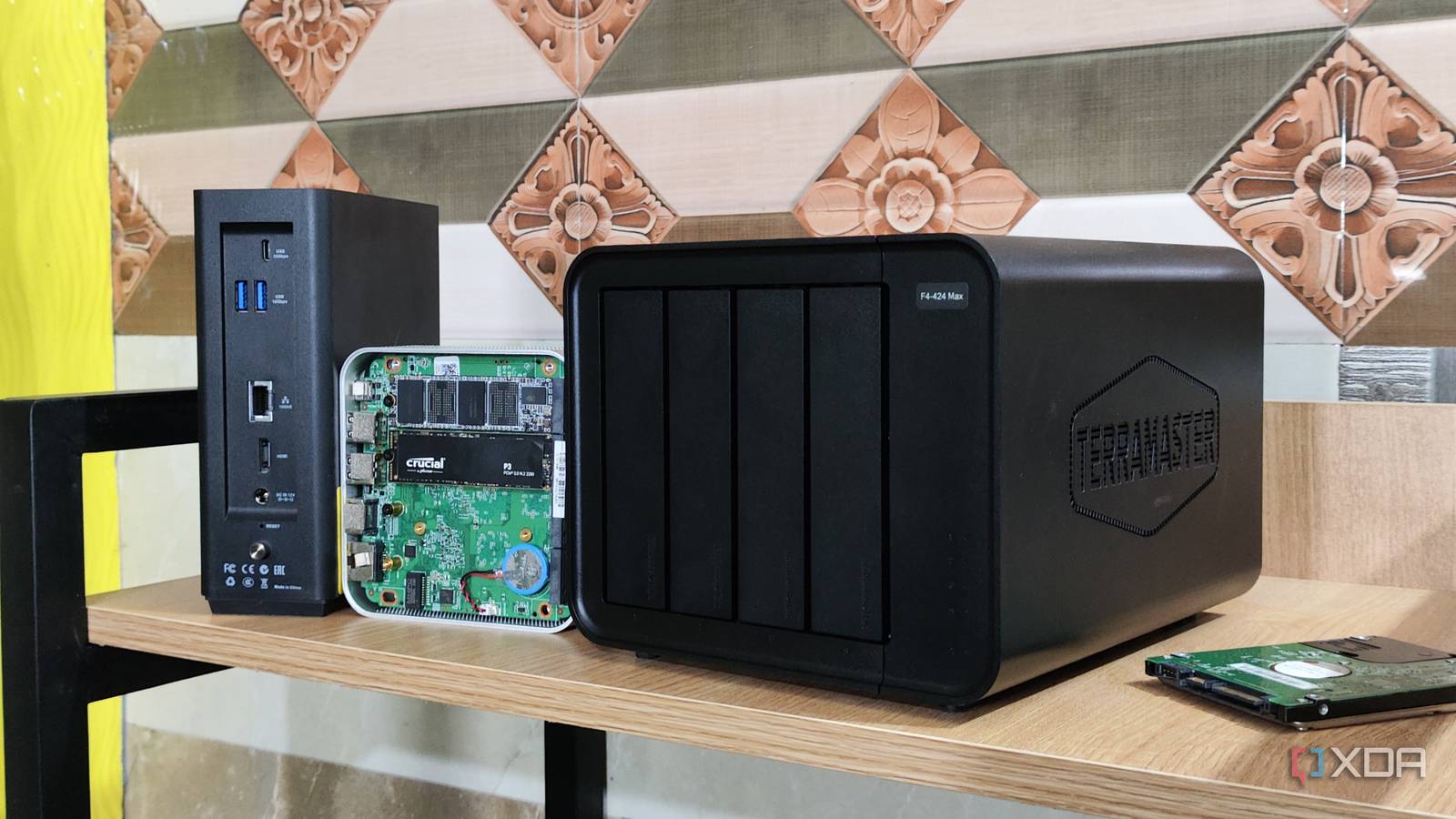
For the better part of a decade, the Network Attached Storage (NAS) device was viewed by the average consumer as a glorified external hard drive—a passive, beige, or black box relegated to a closet, tasked solely with storing backups and acting as a central repository for family photos. However, the landscape of personal computing has undergone a seismic shift. Driven by a combination of subscription fatigue, fragmented streaming libraries, and a growing desire for data sovereignty, the NAS has shed its reputation as a mere storage appliance to become the bedrock of the modern "self-hosting" movement.
The Convergence of Storage and Compute
The transformation of the NAS from a simple file server to a multi-purpose home server was not an overnight occurrence; it was a response to a fundamental change in the digital consumer experience. As major software providers moved toward "Software-as-a-Service" (SaaS) models, the cumulative cost of monthly subscriptions for cloud storage, media streaming, and password management began to mount.
Simultaneously, the content landscape became increasingly disjointed. Where once a single subscription might have sufficed, users now find themselves juggling four or five services, only to find that their favorite shows are frequently migrating between platforms. This environment has acted as a catalyst for the "DIY" spirit, pushing users toward self-hosting—the practice of running one’s own software services on private hardware.

As this trend gained momentum, the hardware market took note. Manufacturers like Synology, QNAP, and UGREEN began to pivot their product strategies. Where entry-level and mid-range NAS units were once defined by low-power ARM processors and minimal RAM, they are now increasingly equipped with x86 architecture, expansive RAM slots, and even M.2 NVMe bays for caching. The box that was once sold as a "file dump" is now effectively a high-efficiency home server.
A Chronology of the Self-Hosting Shift
To understand how we arrived at this point, it is helpful to look at the timeline of the NAS market’s evolution:

- 2014–2017 (The Storage Era): The NAS market was dominated by low-power, ARM-based processors. The primary selling point was RAID support and ease of backup. Virtualization was a fringe feature reserved for high-end enterprise models.
- 2018–2021 (The Application Layer Emergence): Vendors began experimenting with Docker support and proprietary "app stores." Users began to realize that if their NAS could run a Docker container, it could run a media server like Plex or a file-sync tool like Syncthing.
- 2022–2024 (The Subscription Fatigue Catalyst): As streaming costs spiked and privacy concerns regarding Big Tech cloud services grew, the r/selfhosted and r/homelab subreddits saw explosive growth. Documentation for tools like Jellyfin, Nextcloud, and Vaultwarden became more accessible, lowering the barrier to entry.
- 2025–2026 (The Mainstream Pivot): Manufacturers began marketing their devices not just on terabytes, but on "compute capability." The modern NAS is now frequently compared to mini-PCs, with marketing materials highlighting the ability to run Home Assistant, private AI models, and secure password managers.
Supporting Data: The Rise of the "Prosumer"
The data supports the narrative of this hardware shift. According to recent industry trends, the attach rate of SSD caching and the average RAM capacity per unit sold in the mid-range NAS segment has increased by approximately 40% since 2023.
Furthermore, community-driven platforms have seen a surge in engagement. The "Self-Hosted" ecosystem has moved beyond the realm of Linux system administrators. Today, a user with no coding background can deploy a full-featured media server in under an hour using tools like CasaOS or Umbrel, which abstract away the complexities of command-line interface (CLI) management.
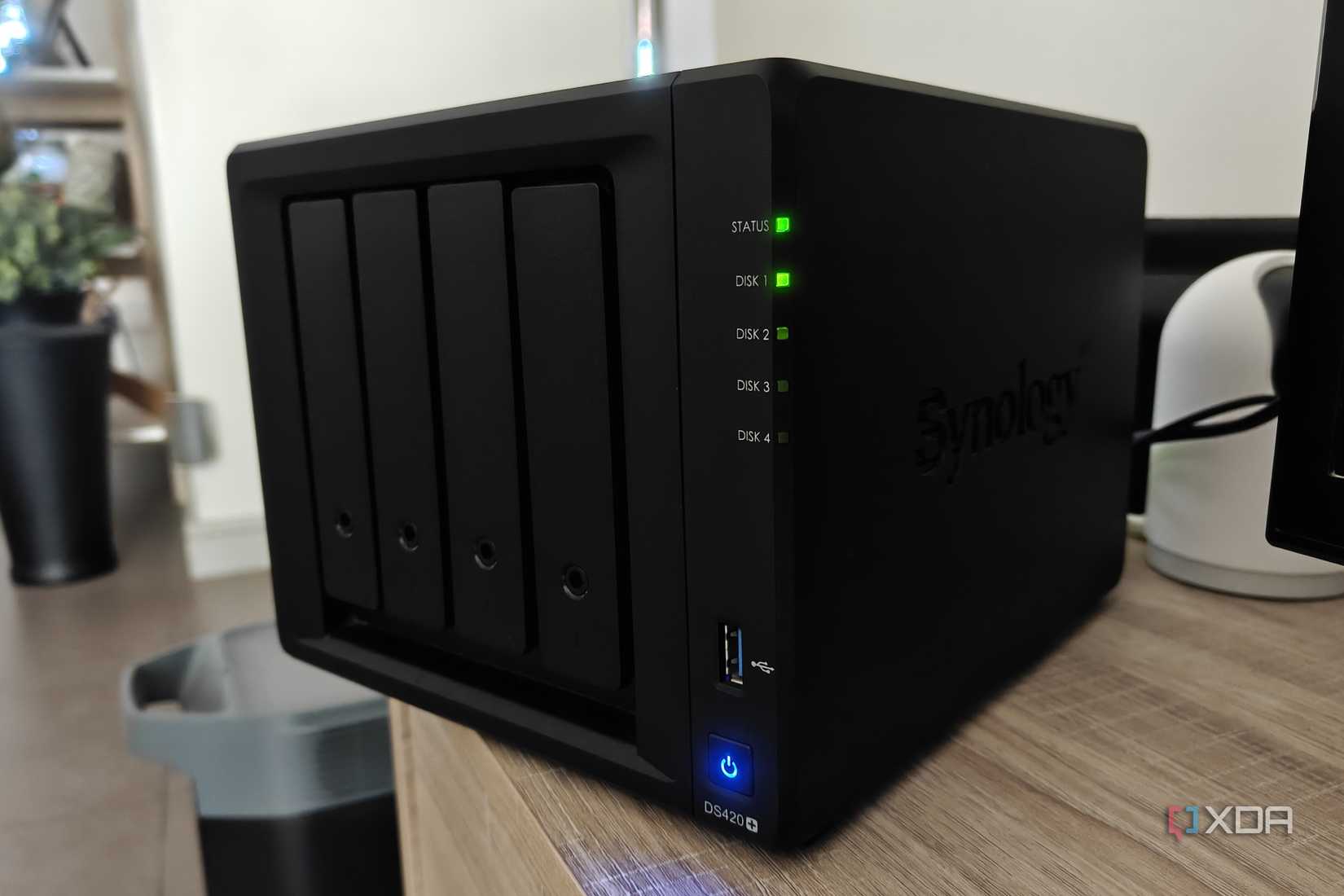
The shift is also evident in the hardware specifications of popular models. Take the Synology DiskStation DS923+, for instance. With its AMD Ryzen R1600 processor and support for 10GbE networking, it is built for workloads that far exceed simple file retrieval. It is designed to handle multiple concurrent Docker containers, high-bitrate media transcoding, and encrypted backups—tasks that would have required a dedicated, noisy rack-mount server a decade ago.
Industry Response and Strategic Positioning
Major NAS vendors have been relatively quiet about the "self-hosting" terminology, preferring to frame these capabilities as "productivity tools" or "multimedia enhancements." However, their product development cycles tell a different story.
Industry analysts note that companies like QNAP and Synology are increasingly focusing on the "Total Cost of Ownership" (TCO) for consumers. By highlighting that a one-time purchase of a NAS can replace $300–$500 worth of annual cloud subscriptions, they are effectively selling the freedom from recurring costs.
In a recent industry briefing, hardware architects acknowledged that the "idle" CPU cycles of a home NAS were a wasted resource. By integrating more powerful processors, manufacturers are allowing their users to turn their hardware into a "private data center." This has also led to the rise of specialized operating systems and hypervisors tailored for these boxes, ensuring that the software experience is as polished as the hardware build.
Implications for the Future of Data Sovereignty
The implications of this shift are profound. As more users move their personal data from public clouds to private, self-hosted infrastructure, the balance of power regarding data privacy is shifting.
- Data Sovereignty: By running services like Nextcloud, users ensure their files, photos, and documents remain on hardware they own and control. This eliminates the risk of "account lockouts" or sudden changes in service terms of use by third-party providers.
- Hardware Lifecycle: A well-maintained NAS can last 5–7 years. In contrast, the software ecosystems of mobile and web services are constantly evolving, often forcing users to upgrade devices or pay more for premium features. The NAS acts as a stable, long-term anchor for one’s digital life.
- The Rise of the Home Lab: The NAS is rarely the end of the journey. For many, it is the gateway drug to the "Home Lab" hobby. Once a user gets comfortable with Docker and networking on their NAS, they often progress to building dedicated servers for more complex tasks, such as automated home security systems, private AI training, or distributed computing.
Conclusion: Not a Fringe Hobby, But a New Standard
The notion that self-hosting is a "fringe" activity is quickly becoming an outdated perspective. While it will likely never be as plug-and-play as an iPhone, the gap between "hard-to-use" and "accessible" has closed significantly.
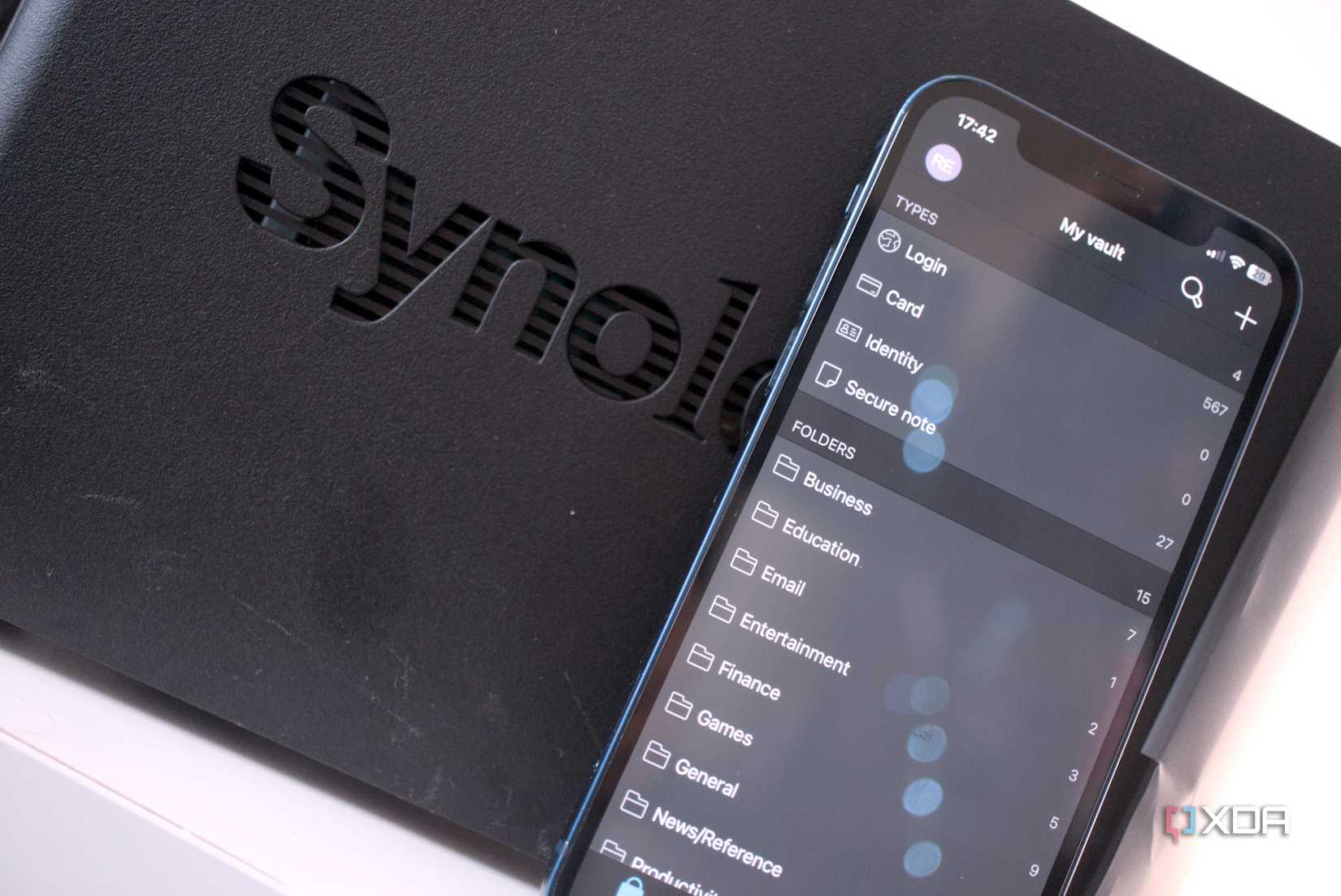
The NAS, once a stagnant storage bin, has become the most important piece of hardware in the modern home. It is the bridge between the convenience of the cloud and the control of the physical world. As we look toward the future, the integration of local AI processing and advanced automation will likely be the next frontier for these devices.
For the average user, the message is clear: if you are tired of the "subscription tax" and the loss of control over your digital footprint, the hardware to take it back is already sitting on the shelves of your local electronics retailer. The NAS has come home, and it’s ready to do much more than just store your files.

 Azzam Bilal Chamdy
 Suro Senen