Nana Wu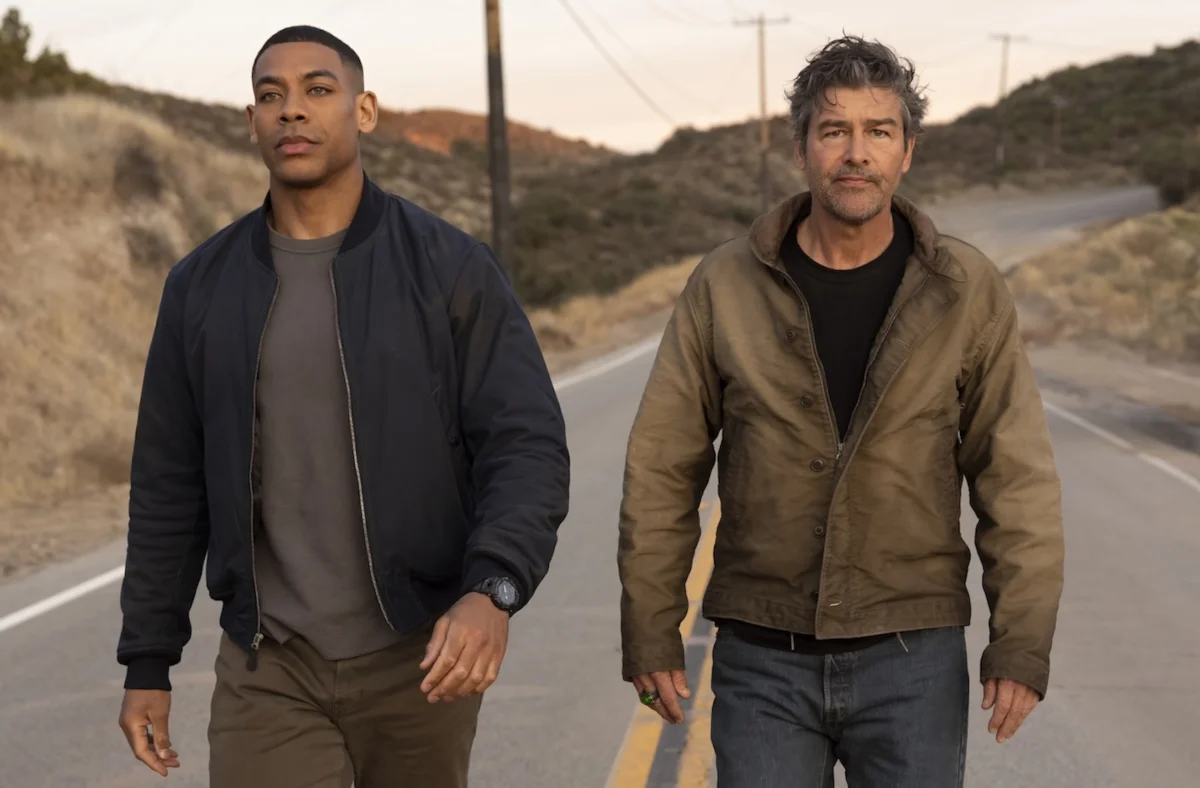
As the DC Universe (DCU) undergoes its most significant structural transformation in decades, the upcoming HBO series Lanterns has emerged as a cornerstone of the new creative vision. Often described in industry circles as a “terrestrial noir” or a “space-cop procedural,” the show aims to ground the high-concept, cosmic scale of the Green Lantern Corps into something more visceral and human. However, as details begin to crystallize, it is clear that Lanterns is far more than a gritty detective drama. By weaving together multiple timelines and exploring the psychological toll of intergalactic policing, the series promises to challenge the conventional expectations of the superhero genre.
The Core Premise: A Departure from the Cosmic Norm
At its heart, Lanterns is a mystery-thriller that functions as a bridge between the intimate, street-level struggles of humanity and the overwhelming reality of alien intervention. The series centers on the relationship between a seasoned, reluctant mentor and a promising but untested recruit.
The narrative kicks off in 2016 in the quiet, unassuming town of Rushville, Nebraska. Here, we meet Hal Jordan—played with seasoned gravitas by Kyle Chandler—a veteran of the Green Lantern Corps who has become increasingly cynical about his role as a protector. When a violent, unexplained shooting rocks the small town, Jordan is immediately convinced that the incident is not the result of human malice, but rather the work of extraterrestrial entities.
Opposing his theory is the local sheriff, portrayed by Kelly Macdonald, who remains deeply skeptical of the cosmic explanation. This clash of worldviews serves as the series’ primary emotional anchor: the struggle to maintain one’s duty when the world refuses to believe in the truth.
The Chronology of Chaos: Dueling Timelines
One of the most ambitious narrative devices employed by showrunner Chris Mundy is the use of a non-linear structure. By splitting the series across two distinct time periods—2016 and 2026—the show creates a "second mystery" that appears to span a decade of unseen, unfolding consequences.
Mundy has been notoriously tight-lipped regarding the specific mechanics of this temporal shift, but it is clear that the decade between these two points is defined by a significant, as-yet-unrevealed event. Fans have noted that the recently released Superman film, which serves as a major touchstone for the current DCU continuity, takes place squarely between these two timelines. This suggests that Lanterns is not merely a standalone procedural, but a vital piece of a larger, interconnected tapestry.
The inclusion of Nathan Fillion’s Guy Gardner further complicates this timeline. Gardner, a character known for his chaotic energy, penchant for ridiculous construct choices—like massive oven mitts—and a general disregard for protocol, stands in stark contrast to the series’ supposedly "gritty" tone. Mundy has confirmed that Gardner will appear in the show "a few different times," implying that his presence acts as a bridge or a recurring catalyst across the two timelines.
The Dynamics of Mentorship: A Study in Institutional Failure
While the mystery of the Nebraska shooting drives the plot, the soul of Lanterns lies in the fraught relationship between Hal Jordan and John Stewart (Aaron Pierre). Unlike the traditional mythology where the ring chooses its bearer, the show introduces a deviation: Stewart was specifically selected by the Guardians of the Universe.
This choice by the Guardians—founded on their own cryptic, bureaucratic "just cause"—immediately creates tension. Jordan, tasked with the mentorship of a man he did not choose, must grapple with the legacy of his own failed mentorship under Thaal Sinestro.
In a recent interview, Chris Mundy emphasized the importance of this lineage. "We talked a lot about programming, parenting, and training," Mundy explained. "What did Hal take away from Sinestro that was good or bad? It brings up a lot of interesting worries." By framing the Green Lantern training process as a form of "parenting," the show delves into the generational trauma inherent in such a powerful, militarized organization. Sinestro’s eventual fall from grace acts as a ghost that haunts Jordan’s every interaction with Stewart, making the training process as much a psychological trial as it is a tactical one.
The Implications for the DC Universe
The decision to cast Lanterns as an HBO-prestige drama—a stark departure from the typical action-heavy approach of comic book adaptations—signals a shift in strategy for Warner Bros. and DC Studios. By emphasizing character work, atmosphere, and mystery, the studio is betting that audiences are ready for a more mature exploration of its library.
The "Gritty" Dichotomy
There is an ongoing debate within the fanbase regarding the term "gritty." After years of the "Snyder-verse" era, many viewers have expressed exhaustion with the word. However, Mundy’s approach seems to be less about desaturated colors and rain-slicked streets, and more about the human cost of living in a universe where the impossible is a daily occurrence. The "grittiness" is not an aesthetic choice, but an existential one: how does a sheriff in Nebraska reconcile the existence of intergalactic rings with the murder of a neighbor?
The Role of Guy Gardner as a Narrative Wildcard
The inclusion of Guy Gardner is a masterstroke of tonal management. If the show were entirely serious, it might collapse under the weight of its own solemnity. Gardner serves as a necessary pressure release. His refusal to adhere to the "space cop" archetype—insisting on calling his peers the "Justice Gang"—reminds the audience that this is, at its core, a world populated by comic book characters. It allows the show to maintain a grounded premise while acknowledging the inherent absurdity of the source material.
Supporting Data: Production and Creative Direction
The production values of Lanterns reflect the high budget and prestige status typically afforded to HBO’s flagship dramas. With a release date slated for August 16 on HBO and Max, the show has been in development for several years, with the script undergoing multiple revisions to ensure it fits seamlessly into the broader DCU roadmap.
Key creative factors contributing to the show’s potential success include:
- Narrative Focus: The show prioritizes the "detective" aspect of the Green Lanterns, moving away from the "superhero" tropes.
- Character Depth: By focusing on the mentorship cycle, the show can explore the moral ambiguity of the Guardians of the Universe.
- Strategic Casting: The pairing of an industry veteran like Kyle Chandler with an emerging star like Aaron Pierre provides a balanced dynamic that appeals to both legacy fans and new audiences.
Official Responses and Industry Outlook
While official plot synopses remain guarded, the buzz surrounding the project has been overwhelmingly positive. Critics have praised the decision to treat the Green Lantern Corps as a functional, if deeply flawed, bureaucracy. By looking at the Corps as an institution rather than a superhero team, the show gains the narrative flexibility to explore themes of corruption, institutional bias, and the weight of legacy.
"It’s not just about space battles," one industry insider remarked. "It’s about the burden of the ring." This sentiment seems to be the guiding principle for the entire production team. By narrowing the scope, they have created the potential for a much larger, more resonant story.
Conclusion: A New Frontier
As the premiere date approaches, the anticipation for Lanterns continues to build. It represents a bold experiment in modern franchise building: can a high-stakes cosmic property survive, and even thrive, by shrinking its scale to the size of a single town and a handful of flawed, human men?
By balancing the heavy, complex legacy of mentors like Sinestro with the chaotic, irreverent spirit of characters like Guy Gardner, Lanterns is poised to offer a refreshing take on the DC canon. Whether or not it successfully navigates the complexities of its dual-timeline mystery remains to be seen, but one thing is certain: the world of the Green Lanterns is about to get a lot more interesting. Mark your calendars for August 16, as the mystery of the Nebraska shooting—and the secret history of the 2026 aftermath—finally begins to unfold.

 Laily UPN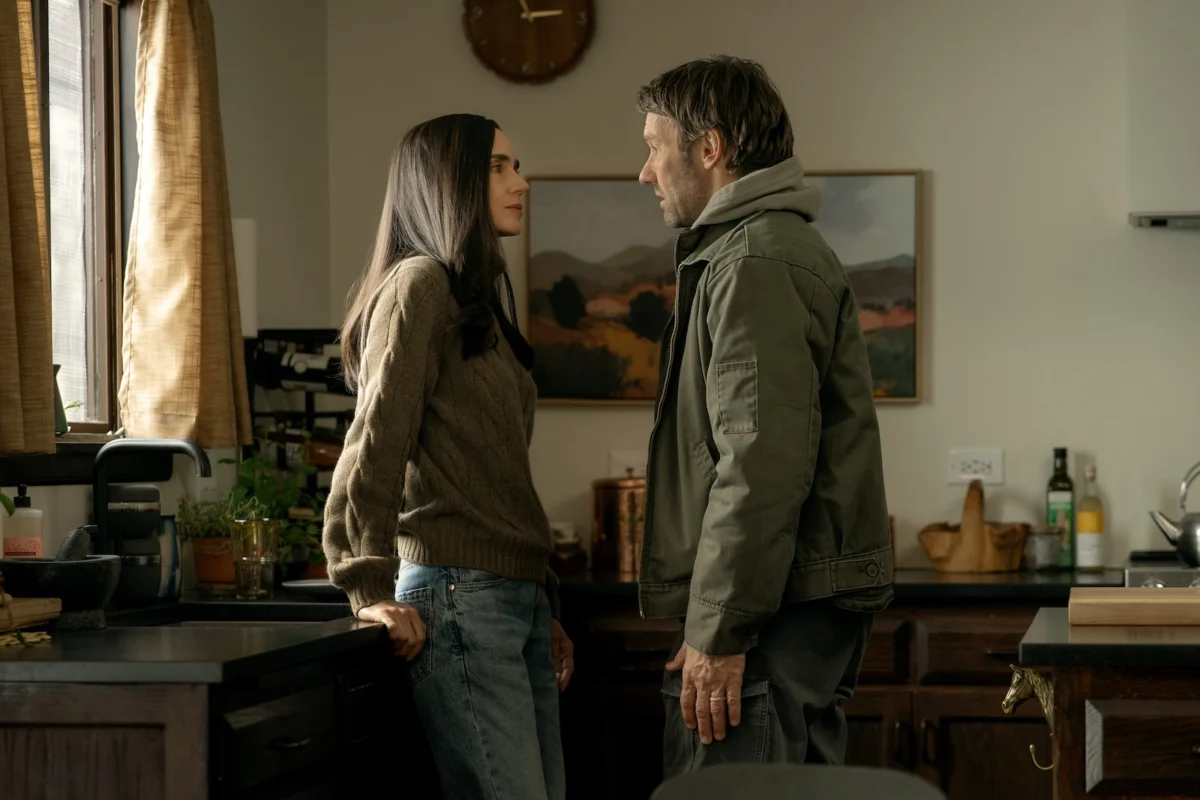
 Evan Lee Salim